
Finding the right softtoy storage for a nursery is more than just a matter of keeping a room tidy; it is a fundamental step in designing a safe, encouraging environment where your child can grow and learn. For toddlers, toys are not just playthings but tools for discovery, and having easy, independent access to them supports their cognitive and motor development. However, nursery storage must be carefully curated to prevent common household hazards such as tip-overs, pinched fingers, or trapped limbs. When selecting storage systems, you must balance child-friendly accessibility with strict safety standards to create a space that is both functional and secure.
In Singapore’s unique living environments, where high-rise apartments and compact layouts are common, maximizing space without compromising safety is a key priority for parents. The tropical climate also introduces specific challenges, such as high humidity levels that can foster dust mites, mold, and mildew on plush fabrics. Consequently, the ideal storage solution must not only keep soft toys off the floor but also promote adequate airflow and be easy to clean. By understanding the physical capabilities of your toddler and evaluating storage options through a safety-first lens, you can design a beautiful, organized nursery that fosters independence.
Key Safety and Accessibility Features for Toddler Toy Storage
Designing an accessible nursery requires looking at the room from your child’s physical perspective. A toddler’s world is localized close to the ground, and their reach is much shorter than an adult’s. To determine the ideal height for your storage units, measure your child’s standing height and their comfortable upward reach, which typically spans from their waist to their shoulder level. For most toddlers aged one to three, this active reach zone lies between 40 and 70 centimeters from the floor. Storage containers placed within this zone allow children to retrieve and return their plush toys easily without needing to stretch, climb, or call for assistance, thereby building self-reliance during playtime.
Products mentioned in this guide
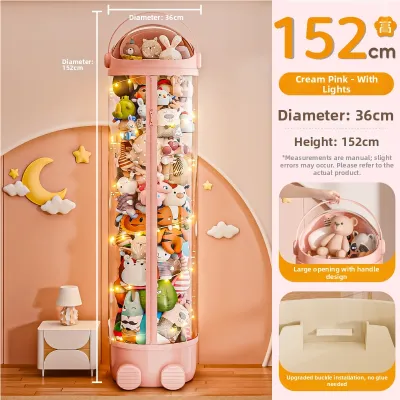
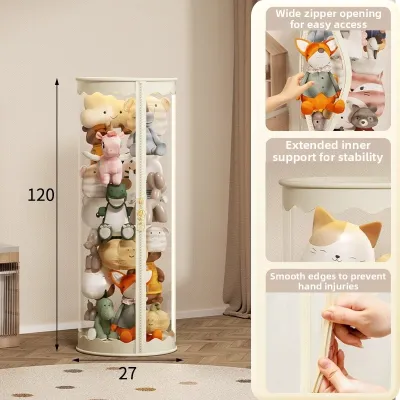
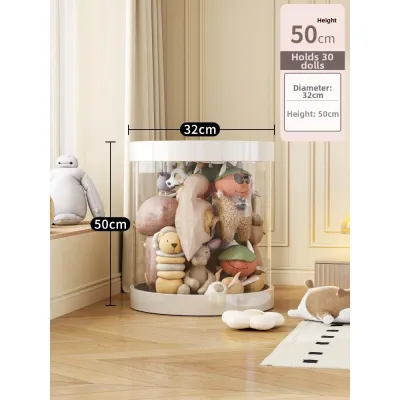
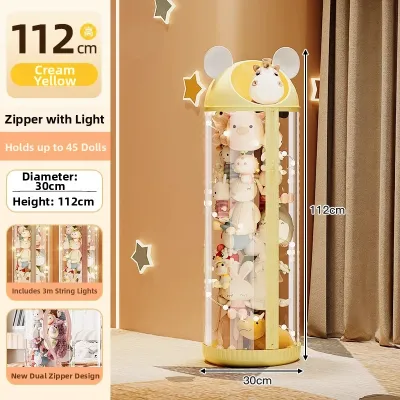
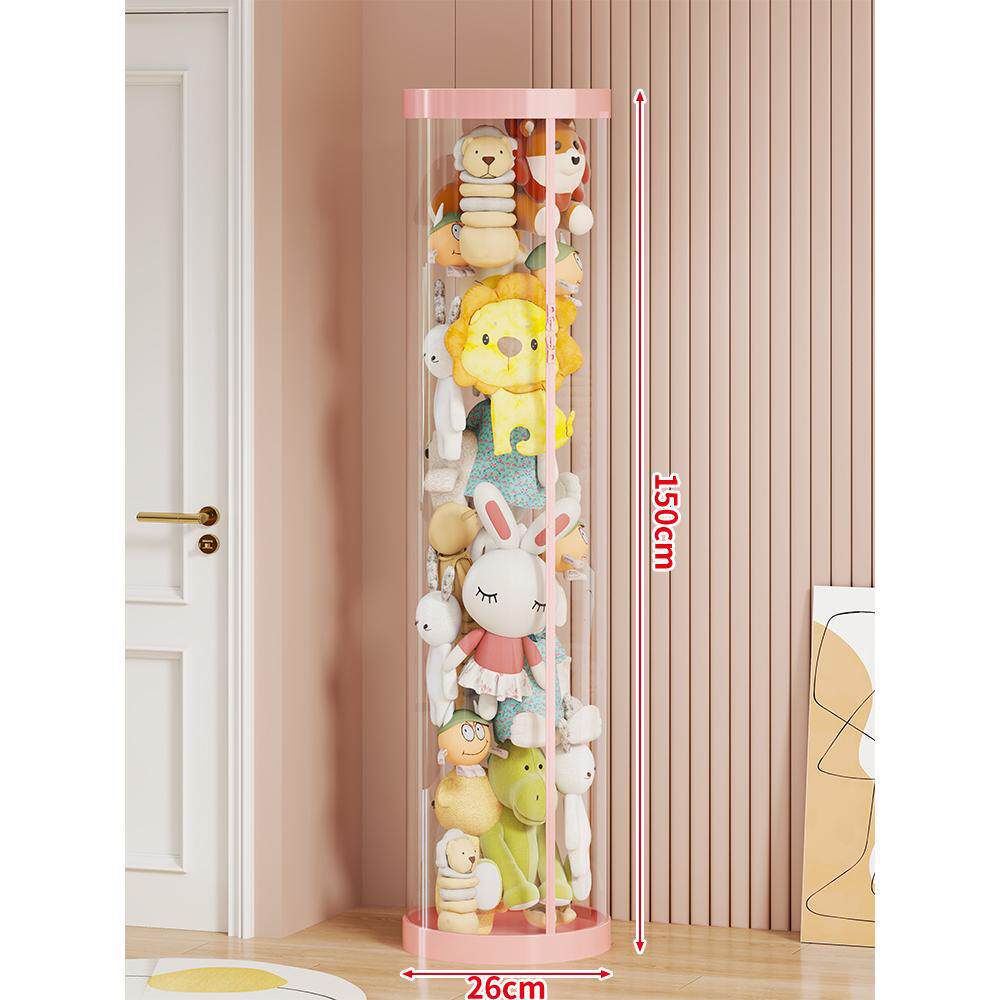
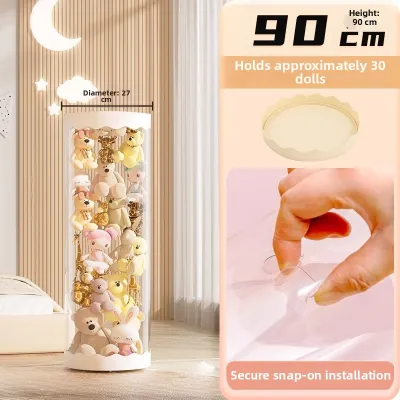
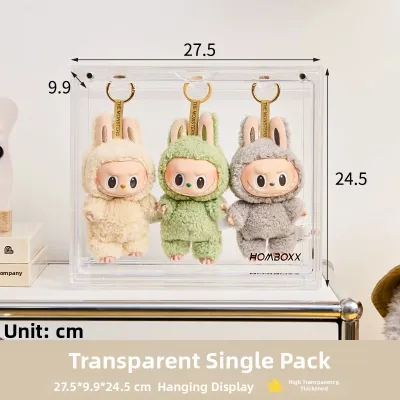
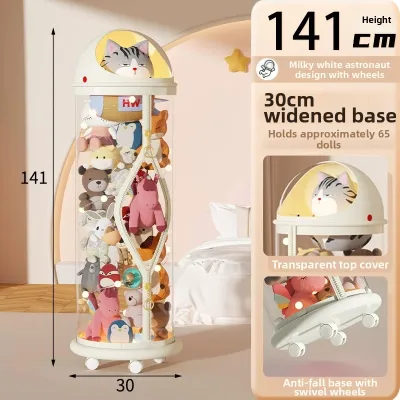
Prices are valid at publication and may change. Please refer to the product page for the latest price.
Weight and stability are critical factors when selecting any furniture or container for a child’s room. Lightweight materials, such as fabric, felt, canvas, or woven paper rope, are highly recommended for bins and baskets. If a toddler accidentally pulls a soft canvas basket down on themselves, the risk of bruising or injury is virtually nonexistent. Conversely, the heavy shelving units or cubbies that house these baskets must be exceptionally stable. In Singapore homes, walls are typically made of solid concrete or drywall partition panels; you must identify your wall type and use the appropriate heavy-duty anchors to secure all rigid furniture to the wall. Wall anchoring is a non-negotiable safety step that prevents catastrophic tip-over accidents if a child attempts to climb the shelves.
Another major safety consideration is the presence of pinch points, heavy lids, and sharp edges. Traditional wooden toy chests with heavy, unhinged lids pose a significant risk of crushing small fingers or trapping a child’s head if the lid slams shut unexpectedly. To eliminate this hazard entirely, open-top storage designs are highly preferred for toddler spaces. If a storage unit does feature a lid, it should be entirely removable, lightweight, or equipped with a certified safety hinge that holds the lid open at any angle. Additionally, inspect all storage units for sharp corners, protruding screws, or rough wood splinters, and apply soft corner guards to any rigid edges within the child’s reach.
Finally, breathability and material safety must be verified before introducing any storage item to the nursery. Because toddlers are naturally curious and may attempt to climb inside large baskets or bins during imaginative play, any deep storage container must be made of breathable fabrics, mesh, or have built-in ventilation pathways to prevent suffocation risks. Always check the manufacturer’s product labels for age recommendations, non-toxic material certifications, and flame-retardant properties. Avoid storage items with loose decorative elements, such as glued-on plastic eyes, sequins, or small wooden buttons, which can easily detach and present serious choking hazards for young children.
Top Softtoy Storage Solutions for Independent Toddlers
When evaluating the best softtoy storage options, look for designs that simplify the cleanup process for little hands while keeping safety at the forefront. Different storage styles serve different purposes, and a combination of these solutions often works best to accommodate a growing collection of plush toys.

Open Canvas or Fabric Bins
Open canvas or fabric bins are among the most practical and safer options for toddler-accessible storage. Because they are made from soft, flexible materials, they have no hard edges or sharp corners, making them incredibly safe for active play areas. They are lightweight enough for small hands to drag across the room, allowing toddlers to bring their favorite plush companions directly to their play mat and return them when finished. Many fabric bins are designed to fit perfectly into standard modular cubby systems, keeping the nursery looking neat and organized.
However, fabric bins do have a few limitations that parents should keep in mind. Over time, cheaper canvas bins can lose their structural integrity and collapse or sag when empty, which can make it difficult for a toddler to put toys back inside. Furthermore, if the bins are too deep, toddlers may struggle to find a specific toy buried at the bottom, often leading them to dump the entire contents of the bin onto the floor. To prevent this, choose shallow bins with reinforced wire rims or sturdy cardboard inserts that maintain their shape, and ensure they feature wide, double-stitched handles. Always inspect the bins to ensure any decorative felt appliques or stitching are secure and free of loose threads.
Mesh Toy Hammocks and Corner Nets
Mesh toy hammocks and corner nets are excellent vertical storage solutions that keep precious floor space clear in smaller bedrooms. They utilize the often-underused corner areas of a nursery, suspending soft toys safely out of the way while keeping them highly visible. Because the mesh fabric is transparent, toddlers can easily point out the specific plush toy they want to play with, reducing the frustration of searching through opaque containers. This option is particularly well-suited for lightweight, medium-to-large plushies that tend to clutter floors and bed tops.
Despite their space-saving benefits, mesh hammocks require careful installation and have strict physical limitations. They must be mounted securely into wall studs or using high-quality wall anchors suitable for your specific wall material, as sticky adhesive hooks are prone to failing under tension. Because they are mounted on the wall, they must be positioned at a height that matches your child’s safe reach zone if you want them to access the toys independently; otherwise, they serve strictly as parent-controlled storage. You must strictly adhere to the manufacturer’s specified weight limits and regularly check the mounting hardware to ensure the net is not sagging excessively or pulling away from the wall.
Low Open Shelving with Cubbies
Low open shelving units with built-in cubbies offer a structured, visually appealing way to organize a toddler’s soft toy collection. These units allow you to display plush toys forward-facing, turning the toys themselves into part of the nursery decor and making them highly inviting to a child. Cubby systems encourage categorization, helping toddlers learn cognitive sorting skills as they associate specific cubbies with certain types of toys. The rigid structure of wooden or high-quality plastic shelving also ensures that the storage system remains stable and does not collapse during daily use.
To make low shelving safe for a toddler, several precautions are necessary. The overall height of the shelving unit should not exceed your child’s shoulder level, as taller units present an enticing climbing hazard. Any rigid wooden or plastic edges must be checked for sharpness, and soft foam corner protectors should be installed on exposed corners. Most importantly, regardless of how stable or heavy the shelving unit feels, you must secure it to the wall using an anti-tip kit. This simple step ensures that even if a child attempts to pull themselves up using the shelves, the unit will remain firmly anchored in place.
Drawstring Plush Sacks and Bean Bag Covers
Drawstring plush sacks and specialized bean bag covers represent a clever, multi-functional storage category that is exceptionally safe for nurseries. These large, durable fabric bags are designed to be stuffed full of soft plush toys, transforming a pile of clutter into a comfortable, functional bean bag seat for a reading corner. Because they are entirely soft and contain no rigid parts, they pose zero physical safety risks, and they can hold an incredibly large volume of soft toys in a very compact footprint.
While highly efficient, this storage method does require some developmental readiness from your child. Toddlers may find it difficult to locate a specific toy buried deep inside the bag without unziping or opening the entire sack and pulling several items out. Additionally, younger toddlers may not yet have the fine motor skills or cognitive understanding required to operate heavy-duty zippers or drawstrings safely. Parents should select bags made of breathable cotton canvas, ensure that the zipper pull is tucked away in a protective fabric pocket to prevent skin scratches, and supervise young children to ensure they do not attempt to climb fully inside the sack.
Setting Up the Nursery for Independent Cleanup
Creating a toddler-friendly nursery is not just about choosing the right containers; it is about organizing the entire environment to set your child up for success. By structuring the space thoughtfully, you can turn the daily chore of tidying up into an engaging, educational routine that builds confidence and motor skills.
- Visual Labeling: Toddlers are pre-readers who rely heavily on visual cues to understand their environment. Instead of labeling toy bins with written words, use clear visual markers such as color-printed photographs of the specific toys that belong in each bin, or simple, bold illustrations. Paste these visual labels securely to the front of canvas bins or cubbies at your child's eye level, allowing them to match the physical toy in their hand to the image on the container.
- Strategic Placement: Arrange your storage units so that the most frequently used and heaviest soft toys are kept on the lowest, most accessible shelves or in bins on the floor. Reserve higher shelves, which require adult assistance to reach, for delicate keepsake plushies, display-only items, or toys that require parent supervision. This layout prevents children from stretching unsafely or attempting to climb shelves to reach their favorite playthings.
- Toy Rotation System: Having too many options can overwhelm a young child's developing brain, often leading to choice paralysis or a chaotic clean-up process where every toy is dumped onto the floor. Implement a simple toy rotation system by keeping only a small, manageable selection of soft toys in the active nursery storage bins at any given time. Store the remaining plushies in a closed closet or secondary storage area out of sight, and swap them out every few weeks to keep your child's interest high and the clutter minimal.
- Routine Building: Encourage independent cleanup by integrating it into your daily schedule as a predictable, positive transition activity. Establish a consistent cue, such as playing a specific "clean-up song" or turning the task into a playful matching game where you race to see who can put away three toys first. Keep your instructions simple and positive, focusing on modeling the behavior yourself and praising your toddler's efforts rather than expecting flawless organization.
Storage Options to Avoid in a Toddler's Room
While there are many excellent storage solutions on the market, several common designs present significant safety hazards when placed in an environment designed for independent toddler access. Recognizing and avoiding these high-risk options is essential for maintaining a secure nursery.
First, avoid traditional toy boxes with heavy, unhinged, or latching lids. These chests are a frequent cause of painful pinch injuries, bruised fingers, and severe head trauma if a child reaches inside and the lid falls suddenly. If you choose to use a lidded box, it must be equipped with a certified, slow-closing safety hinge that prevents the lid from slamming shut under its own weight, or the lid should be completely removable and lightweight.
Second, steer clear of tall, narrow, and unanchored bookcases or shelving units. Toddlers naturally view shelves as ladders, and climbing on an unsecured piece of furniture can easily cause it to tip forward, resulting in severe crush injuries. If a storage unit is tall enough that a child cannot easily reach the top shelf while standing flat on the floor, it should either be removed from the nursery or anchored securely to the wall studs using heavy-duty anti-tip straps.
Third, never use airtight plastic bags, vacuum-sealed storage bags, or large airtight plastic bins within a toddler’s reach. If a curious child climbs inside a large, airtight container or plays with a plastic storage bag, there is an immediate and severe risk of suffocation. Keep all plastic packaging, vacuum bags, and heavy-duty utility bins stored securely inside locked closets or high cabinets where children cannot access them.
Finally, avoid using loose bungee cords, elastic nets, or hanging organizers with long cords or straps to secure soft toys. While these options are sometimes marketed as creative ways to hold plushies against a wall, the elastic bands present a high risk of strangulation if a child wraps them around their neck, or snap-back facial injuries if a cord is pulled tight and released. Stick to rigid, stable, or completely soft storage systems that do not rely on tension or elastic components.
Frequently Asked Questions (FAQ)
How do I clean fabric toy bins and mesh hammocks?
Always check the manufacturer’s care label first for specific washing instructions, as materials and construction methods vary. For general maintenance, you can wipe down plastic-coated canvas or structured fabric bins with a damp cloth and a mild, child-safe soap solution, then allow them to air dry completely. Removable fabric covers and mesh hammocks can often be placed in a mesh laundry bag and machine washed on a gentle, cold cycle with a mild detergent. Given Singapore’s humid climate, it is absolutely crucial to ensure that all fabric components are entirely dry before returning plush toys to the storage units to prevent the growth of mold, mildew, and dust mites.
At what age can a toddler start putting their own toys away?
Children can begin participating in basic cleanup activities as early as 12 to 18 months of age. At this developmental stage, they can understand simple directions and enjoy the physical action of handing a toy to a parent or dropping a plushie into a low, wide-open floor bin. True independent sorting and putting toys away into designated cubbies typically develops later, between the ages of 2 and 3, as their fine motor skills, spatial awareness, and cognitive categorization abilities mature. Focus on consistent parental modeling, positive reinforcement, and keeping the storage system incredibly simple rather than focusing on the child’s exact age.

Community discussion
Share your experience or ask a question. Comments are reviewed before publication.