
Finding the ideal diaper for your baby is a highly individual journey, as no single brand fits every infant perfectly. The right choice depends heavily on your baby’s unique body shape, skin sensitivity, and your household budget. In Singapore’s warm, humid climate, finding a balance between reliable absorbency and skin breathability is a top priority for parents.
For families exploring their options, the royal soft diaper presents itself as a compelling, budget-friendly alternative featuring a soft top-sheet design. However, established legacy brands like Pampers, Huggies, and Mamy Poko remain strong competitors, each offering distinct advantages in terms of availability, specialized fit technologies, and heavy-duty overnight protection. If you are looking to optimize your diapering budget without compromising on your baby’s comfort, comparing these brands side-by-side will help you identify the best fit for your daily routine.
Ultimately, a diaper’s performance is determined by how well it interacts with your baby’s skin and movement patterns. Before committing to a bulk purchase of any brand, purchasing a small trial pack is the most practical way to test real-world compatibility and prevent diaper rash.
Products mentioned in this guide
![MamyPoko Royal Soft Tape XL 34pcs x 4 Packs Diapers [ORGANIC COTTON]](https://img.lazcdn.com/g/ff/kf/Sde2b29ef979f49669d69dda1f05caa89v.jpg_400x400q80.jpg_.webp)
![MamyPoko Royal Soft Pants Diapers [BOY] XXL38 (1 Pack)](https://img.lazcdn.com/g/p/9af86dcc1d6c2f42d111d8ce1ff2f709.jpg_400x400q80.jpg_.webp)
![MamyPoko Royal Soft Pants Diapers [GIRL] XXL38 (1 Pack)](https://img.lazcdn.com/g/p/65c3b9cff292fef109478a13ed9da526.jpg_400x400q80.jpg_.webp)
![MamyPoko Royal Soft Pants Diapers [BOY] XXL38 (4 Packs)](https://img.lazcdn.com/g/p/381010fddc67674b35c5332f527c1b16.jpg_400x400q80.jpg_.webp)
![MamyPoko Royal Soft Pants Diapers [GIRL] XXL38 (4 Packs)](https://img.lazcdn.com/g/p/ec0859e655106c9a49d2e2bb9dab4414.jpg_400x400q80.jpg_.webp)
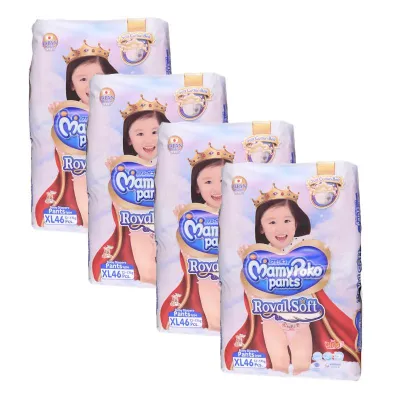
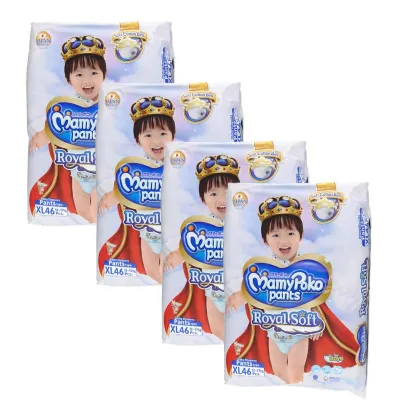
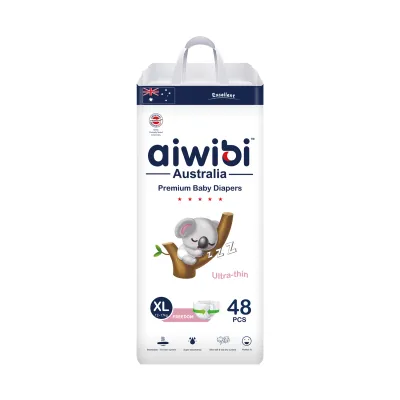
Prices are valid at publication and may change. Please refer to the product page for the latest price.
Core Dimensions for Comparing Royal Soft and Competitors
Evaluating diaper performance requires looking past marketing claims to focus on structural and material features. When comparing different brands, parents should prioritize four primary dimensions: absorbency, breathability, fit, and local availability.
Absorbency and Leak Protection
A diaper’s primary job is to lock moisture away from your baby’s skin to prevent irritation and leaks. When examining diaper packaging, look for details regarding the absorbent core technology, such as channels designed to distribute liquid evenly or superabsorbent polymer (SAP) layers. High-quality diaper cores prevent sagging and clumping, which can cause leaks when your baby crawls or walks. Additionally, check for the presence of a reliable wetness indicator—a color-changing strip on the outside of the diaper that signals when it is time for a change.
Breathability and Skin Health
Singapore’s persistent humidity makes breathability a critical factor in preventing diaper rash and heat rash. Parents should examine material descriptions on product packaging, looking for terms like “micro-pores,” “air-flow channels,” or “cotton-like backing.” These features allow hot air and moisture to escape while keeping liquid contained. Regardless of the brand’s claims, you must regularly monitor your baby’s skin during changes for any signs of redness, chafing, or dampness, which indicate that heat and moisture are trapped.
Fit and Comfort
An poorly fitting diaper is highly prone to leaks and blowouts, regardless of how absorbent the material is. To evaluate fit, examine the elasticity of the waistband and the structure of the leg cuffs. A good diaper should have double-layered leg guards that sit snugly in the groin creases without digging into the skin. Babies with rounder thighs often require more generous leg openings, while slender, active babies benefit from highly elasticized waistbands that move with them. Pay close attention to how different brands accommodate your baby’s specific proportions.
Availability and Convenience
Your diapering routine relies on consistent access to your preferred brand. Consider how easy it is to purchase the diapers during a last-minute run or via routine online grocery orders. Established legacy brands are typically stocked across physical supermarkets, neighborhood pharmacies, and major online marketplaces in Singapore. Newer or budget-focused brands may have more limited distribution, sometimes requiring you to order exclusively through specific online platforms or specialty baby stores.
Royal Soft Diapers: Features, Fit, and What to Verify
The Royal Soft diaper is positioned in the market as a cost-effective, mid-tier option that aims to deliver premium softness at a lower price point. Its primary selling point is a soft, textured top sheet designed to minimize friction against delicate baby skin. This makes it an attractive starting point for parents who want to reduce their monthly diapering expenses without immediately resorting to ultra-budget, stiff-feeling alternatives.

When evaluating Royal Soft diapers, it is important to verify several key features on the physical product. Check whether the specific size you require features a wetness indicator, as this utility is sometimes omitted in larger sizes or specific budget lines. You should also feel the diaper’s outer backing to ensure it feels sufficiently breathable rather than plastic-like, which can exacerbate heat retention in tropical weather. Compare the tape variants against the pants variants; pants often feature a more forgiving, stretchier waistband but may fit differently around the hips.
While Royal Soft is designed for everyday use, parents should closely observe its performance during different times of the day. A diaper that performs exceptionally well during active daytime hours—where changes are frequent—might not hold up as well during a ten-hour overnight stretch. Test the diaper’s limits gradually, starting with daytime use before trusting it for overnight sleep, and always refer to the manufacturer’s weight guidelines on the packaging to ensure you are using the correct size.
How Pampers, Huggies, and Mamy Poko Compare
To understand where Royal Soft fits in the broader market, it helps to analyze the design philosophies and typical performance characteristics of the three major legacy brands available in Singapore.
Pampers
Pampers is widely recognized for its focus on thinness and rapid moisture absorption. The brand typically utilizes advanced absorbent channels that distribute liquid quickly, preventing the diaper from becoming bulky and heavy between changes. This thin profile is highly favored by parents who prefer a streamlined fit under clothing and want to maximize airflow.
When shopping for Pampers in Singapore, it is crucial to verify the specific sub-line you are purchasing, such as Pampers Premium Care or Pampers Baby-Dry. These lines differ significantly in material softness, thickness, and price. While the premium lines offer exceptional softness comparable to or exceeding Royal Soft, the standard everyday lines focus more on basic utility and high-capacity absorption.
Huggies
Huggies is often associated with robust construction and secure, snug fits. Many of their diaper lines feature a pocketed waistband designed to catch runny messes at the back, making them a popular choice for newborn stages and active infants. The leg cuffs on Huggies diapers are typically sturdy and highly elasticized, providing excellent protection against lateral leaks.
Parents should physically compare the waistband stretch and leg cuff tension of Huggies against Royal Soft. If your baby is highly active, crawls frequently, or has a rounder tummy, the structured, elasticized fit of Huggies may offer superior security. However, if your baby has highly sensitive skin around the thighs, ensure the snug cuffs do not leave deep red pressure marks, which would indicate a need to size up or switch to a brand with softer edges.
Mamy Poko
Mamy Poko is highly regarded for its generous sizing, high waistband coverage, and plush material feel. The brand’s pants style is particularly famous for its soft, cushiony waistband that sits comfortably high on the baby’s waist, reducing the likelihood of waist-level leaks during sleep. This design makes it a staple choice for overnight use among Singaporean parents.
Because Mamy Poko diapers tend to be slightly thicker and bulkier than ultra-thin alternatives, you should carefully evaluate their breathability in Singapore’s climate. While the extra padding provides excellent absorption capacity for long stretches of sleep, ensure that your baby does not sweat excessively around the waistband. Compare this plush, high-rise fit against the lighter, more compact profile of Royal Soft to determine which style keeps your baby drier and more comfortable throughout the night.
Calculating True Value: Cost Per Diaper and Hidden Costs
When comparing diaper brands, looking solely at the price tag of a single pack can be highly misleading. Pack sizes vary significantly between brands and sizes; a cheaper pack may simply contain fewer diapers, resulting in a higher cost per use. To find the true value, parents should calculate the cost per diaper and account for performance-related hidden costs.
To determine the true financial impact, use this simple formula: Cost Per Diaper = Total Pack Price ÷ Number of Diapers in the Pack
Because diaper prices fluctuate frequently due to retail promotions, bulk discounts, and online subscription campaigns, keeping a running log of this calculation helps you identify genuine sales. Buying in bulk or signing up for recurring deliveries on ecommerce platforms often yields the lowest cost per diaper, but you should only commit to bulk purchases once you are certain the brand fits your baby well.
Crucially, a lower upfront cost per diaper does not always translate to long-term savings. If a cheaper diaper leaks frequently, you will find yourself changing the baby more often, washing extra loads of soiled clothing, and wasting diapers that were only partially used. Furthermore, if a diaper’s material causes persistent skin irritation, the added costs of medicated barrier creams, specialized washes, or pediatric consultations will quickly wipe out any initial savings. True value is achieved when a diaper provides reliable, leak-free performance at a manageable price point.
Final Verdict: How to Choose the Best Diaper for Your Baby
To make an informed decision for your family, match your baby’s physical needs and your daily routine to the strengths of each brand.
- Choose Royal Soft if: You want to test a highly cost-effective, budget-friendly alternative that maintains a soft top-sheet feel, and your baby does not experience severe leakage issues or have highly sensitive skin.
- Choose Pampers or Huggies if: You require a widely available, highly reliable diaper with advanced absorption channels (Pampers) or a robust, leak-resistant waistband fit (Huggies) that accommodates an active, fast-moving baby.
- Choose Mamy Poko if: You prioritize a plush, high-waisted fit with maximum absorption capacity for overnight use, and your baby's skin tolerates a slightly thicker diaper design.
Regardless of the brand you choose, always verify the product packaging for weight limits, size recommendations, and manufacturer safety warnings. If your baby has a known history of severe diaper rash, chronic eczema, or skin allergies, consult a pediatrician before switching brands, and look specifically for dermatologically tested or hypoallergenic labels on the packaging.
Frequently Asked Questions (FAQ)
How do I know if I need to switch from Royal Soft to another brand?
You should consider switching brands if you observe frequent leaks, blowouts, or physical signs of poor fit, such as deep red elastic marks on your baby’s thighs or waist. Persistent redness, bumps, or diaper rash that does not clear up with standard barrier creams are also strong indicators that the diaper material is trapping too much moisture. If skin irritation persists or worsens, stop using the diaper immediately and consult a healthcare professional.
Is it safe to mix different diaper brands for day and night use?
Yes, mixing diaper brands is a safe and highly practical strategy used by many parents to balance their budget and performance needs. You can use a more economical, lightweight diaper like Royal Soft for frequent daytime changes when your baby is active, and switch to a premium, high-capacity diaper from Huggies or Mamy Poko for uninterrupted overnight sleep. When introducing any new diaper brand into your rotation, closely monitor your baby’s skin for a few days to ensure they do not experience any adverse reactions.

Community discussion
Share your experience or ask a question. Comments are reviewed before publication.