
Quick Answer: Is There a Single 'Best' Diaper Brand?
Finding the ideal diaper for your baby is rarely a matter of picking the highest-rated brand on a shelf. The reality of diaper performance is that no single brand wins universally across absorbency, fit, and leak protection. This is because every baby is built differently; a diaper that works flawlessly for a lean, highly active infant might cause leaks or blowouts for a baby with chubby thighs or a rounder tummy. Furthermore, developmental milestones—such as transitioning from lying flat to crawling and walking—constantly alter how a diaper sits and moves.
In Singapore’s hot and humid tropical climate, parents face unique challenges. Factors like breathability and heat rash prevention often compete directly with maximum absorbency. A heavily padded diaper that offers excellent overnight protection might trap too much heat during a humid afternoon, leading to skin irritation. Therefore, the ‘best’ choice is always conditional. It depends on whether your immediate priority is maximum overnight capacity for uninterrupted sleep, high breathability for active daytime play, or a specific cut that accommodates your baby’s physical proportions. Rather than searching for a single overall winner, parents benefit most from understanding how different diaper categories and structural designs match their baby’s specific needs.
How Absorbency, Fit, and Leak Protection Work Together
To understand why diapers leak, it is essential to view them as engineered liquid-management systems. The three core performance metrics—absorbency, fit, and leak protection—are entirely interdependent. If any one of these elements is compromised, the entire system is highly likely to fail, regardless of how premium the brand is.
Products mentioned in this guide
![[LIMITED EDITION] Merries GIANT PANTS L54 x 3 packs](https://img.lazcdn.com/g/ff/kf/S00c74cba66d14c6abc99259f5df06b7fQ.jpg_400x400q80.jpg_.webp)
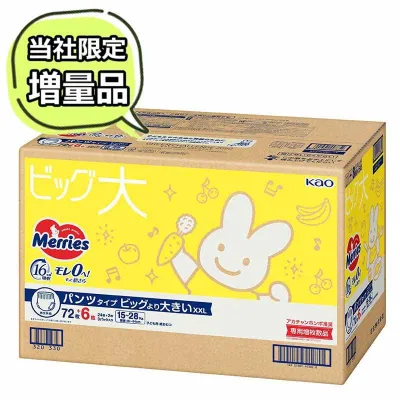
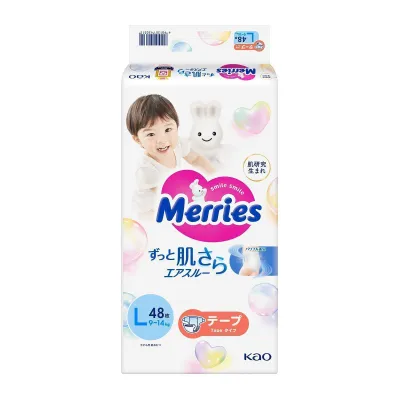
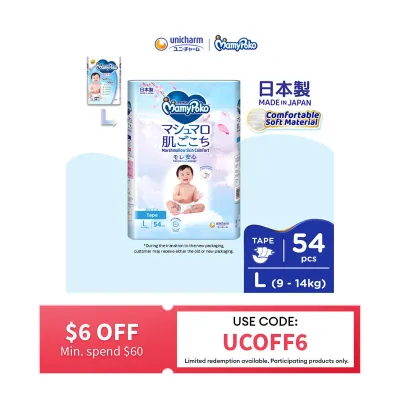
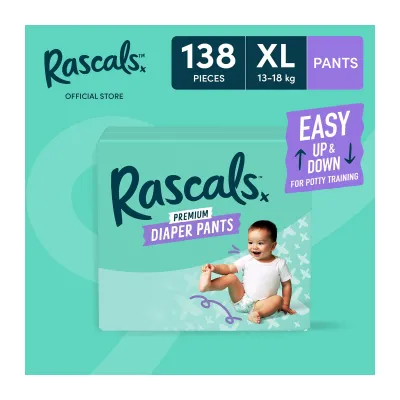
Prices are valid at publication and may change. Please refer to the product page for the latest price.

Consider the relationship between absorbency and fit. A diaper may feature an advanced absorbent core capable of holding several hundred milliliters of liquid. However, if the waistband or leg cuffs do not seal snugly, gravity and sudden movements will cause urine to escape through the gaps before it ever makes contact with the absorbent material. Conversely, a diaper that fits perfectly and leaves no visible gaps will still leak if the core’s absorption speed is too slow. When a baby urinates quickly, a slow-absorbing core causes liquid to pool on the surface, where it will inevitably spill over the barriers.
Furthermore, the structural integrity of the diaper changes as it fills. A high-quality diaper must distribute liquid evenly along its length to prevent sagging. If the diaper sags excessively, it pulls the waistband and leg gussets away from the baby’s body, creating new gaps. True leak protection is the result of a delicate synergy: a fast-acting absorbent core, flexible elastic barriers that maintain contact with the skin during movement, and a tailored cut that distributes weight evenly.
Evaluating Diaper Absorbency and Skin Dryness
At the heart of every modern disposable diaper is the absorbent core, typically composed of a blend of wood pulp and Super Absorbent Polymers (SAP). SAP consists of tiny sodium polyacrylate crystals that can absorb many times their weight in liquid, transforming from dry grains into a locked-on gel. The ratio of SAP to wood pulp, along with the arrangement of these materials, determines both the total capacity and the thickness of the diaper.
When evaluating absorbency, parents should look beyond total capacity and focus on absorption speed and moisture distribution. High-performance diapers utilize specialized distribution channels—longitudinal channels pressed into the core that guide liquid away from the point of impact and spread it evenly. This prevents the diaper from becoming bulky and heavy in a single spot, which can cause discomfort and skin sagging. Another critical factor is the top-sheet material, which is the inner layer in direct contact with the baby’s skin. A high-quality top sheet is designed to be hydrophilic, allowing liquid to pass through rapidly, while remaining hydrophobic on its upper surface to prevent wetness from flowing backward.
To evaluate skin dryness at home, parents can perform a simple ‘dry-touch check.’ After removing a wet diaper, press a dry paper towel firmly against the inner top sheet for a few seconds. If the paper towel remains dry, the diaper is successfully locking moisture away from the skin. It is important to note that manufacturer marketing claims of ’12-hour dryness’ refer strictly to the theoretical liquid capacity of the SAP under controlled conditions. These claims are not a recommendation to leave a diaper on a baby for 12 hours. Prolonged exposure to urine can break down the delicate skin barrier and lead to diaper rashes. If skin irritation or diaper rash persists despite regular changes and proper fit, consult a qualified healthcare professional. Regular monitoring and timely changes remain essential for maintaining skin health.
Finding the Right Fit: Sizing, Elasticity, and Body Shape
One of the most common mistakes parents make is relying solely on the weight ranges printed on diaper packaging. These ranges (such as 6 to 11 kilograms for a medium size) are broad statistical guidelines based on average infant dimensions. They cannot account for the vast differences in baby body shapes. A baby with a long torso and slim legs will require a completely different diaper cut than a baby of the exact same weight who has a short torso and chubby thighs.
Finding the right fit requires looking at the physical interaction between the diaper and your baby’s body. When securing tape diapers, the fastening tabs should land symmetrically on the landing zone. If the tabs must be fastened near the very outer edges to secure the waist, the diaper is too small, even if the baby’s weight falls within the package guidelines. For pants-type diapers, the waistband should sit comfortably above the hips without sagging or pulling down during movement.
Parents can use a few practical checks to verify a proper fit:
- The Waistband Check: You should be able to slide two fingers comfortably between the diaper waistband and your baby's stomach. If you cannot fit two fingers, the diaper is too tight and may cause abdominal discomfort.
- The Red Mark Check: After removing the diaper, closely inspect the skin around the thighs and waist. Deep, persistent red marks indicate that the elastic tension is too high, signaling that it is time to size up or try a brand with softer, more elastic bands.
- The Gap Check: Observe your baby while they are crawling or sitting. If you notice visible gaps around the thighs or the small of the back, the diaper is either too large or the cut is incompatible with their body shape, which will inevitably lead to leaks.
When leaks occur, sizing up is often the first solution parents try. However, if the leaks are caused by a baby having slim legs, sizing up will only create larger gaps around the thighs, worsening the problem. In such cases, switching to a brand known for a narrower cut is a more effective strategy.
Maximizing Leak Protection: Gussets, Barriers, and Overnight Needs
To effectively contain messes, a diaper must feature robust structural barriers designed to handle both liquid urine and loose stools. The primary defense against leg leaks is the double-gusset system. This system consists of an inner standing leg cuff—a vertical strip of hydrophobic material that runs along the groin—and an outer elasticized ruffle. The inner cuff acts as a dam, channeling liquid back toward the absorbent core, while the outer ruffle provides a secondary seal against the thigh.
A frequent cause of diaper failure is improper application. During a diaper change, the outer ruffles can easily become tucked inward against the baby’s skin. When this happens, the elastic cannot form a proper seal, and moisture will wick directly onto the baby’s clothing. Parents should always make it a habit to run a finger around the leg openings after every change to ensure the ruffles are flared outward. For babies who are highly active or sleep on their backs, a diaper with a wide, elasticated waistband and a built-in back pocket is highly beneficial. This pocket is designed to catch loose stools and prevent them from escaping up the baby’s back, a common occurrence known as a blowout.
Overnight diapering requires a different approach than daytime diapering. During the day, diapers are changed frequently, and mobility is a priority. At night, however, the diaper must perform reliably for up to 10 or 12 hours to support uninterrupted sleep. Dedicated overnight diapers are specifically engineered for this task. They typically feature a thicker absorbent core with a higher concentration of SAP, reinforced leg gussets, and wider waistbands to handle the increased volume of liquid. If your baby frequently wakes up wet, transitioning to a dedicated overnight diaper can resolve the issue without the need to size up and risk creating loose gaps.
Comparing Common Diaper Categories and Design Focus
Disposable diapers are designed with distinct performance priorities in mind. Understanding these design categories helps parents select the right product for their specific situation, balancing factors like climate, budget, and skin sensitivity.
Ultra-Thin and Breathable Diapers
Ultra-thin diapers are engineered with highly compressed absorbent cores that minimize the use of wood pulp, resulting in a lightweight and flexible design. These diapers are particularly popular in Singapore’s hot and humid climate because they maximize airflow and reduce heat retention around the baby’s diaper area. By keeping the skin cooler and drier, they play a significant role in preventing sweat rashes and heat-related skin irritation.
However, the ultra-thin design involves clear trade-offs. Because they contain less structural pulp, these diapers have a lower maximum liquid capacity compared to their thicker counterparts. They may also lose their shape and sag more quickly when saturated, which can compromise the fit and lead to leaks. Consequently, ultra-thin diapers are excellent for active daytime wear and frequent changes, but they are generally less suitable for long overnight stretches.
Premium and Overnight Diapers
Premium and overnight diapers are heavy-duty options designed for maximum capacity and long-lasting dryness. These diapers feature multi-layered absorbent cores with high concentrations of SAP, alongside reinforced elastic barriers and wide, secure waistbands. They are engineered to absorb multiple rounds of urination over a 10-to-12-hour period, keeping the surface dry and preventing leaks while the baby sleeps.
The primary trade-off of premium overnight diapers is their bulkiness. The thicker core can restrict a newly walking toddler’s movement during the day, making them less ideal for active play. Additionally, they come at a higher cost per unit, with prices in Singapore often ranging from S$0.40 to over S$0.80 per piece. To balance performance and budget, many parents choose to use budget-friendly or ultra-thin diapers during the day and reserve premium options strictly for overnight use.
Sensitive Skin and Eco-Friendly Diapers
Sensitive skin and eco-friendly diapers focus heavily on material purity and environmental impact. These diapers typically feature top sheets made from plant-based fibers, such as bamboo or organic cotton, and are processed without elemental chlorine bleaching, synthetic fragrances, lotions, or dyes. They are designed to minimize the risk of contact dermatitis and allergic reactions in babies with highly sensitive skin or eczema.
While these diapers offer excellent skin compatibility, they can differ in performance compared to standard synthetic options. Natural fibers like bamboo may absorb liquid slightly slower than synthetic non-woven materials, which can occasionally lead to a temporary feeling of surface wetness. To maintain optimal skin health and prevent irritation from prolonged wetness, parents using eco-friendly options may need to change diapers more frequently, which can increase overall diaper consumption and cost.
Decision Framework: Which Diaper Type Should You Choose?
To simplify your diapering strategy, you can select the most appropriate diaper category by matching your baby’s specific symptoms and daily routine to the following guidelines.
- Choose Ultra-Thin and Breathable Diapers if: Your baby is highly active during the day, is prone to heat rash or sweat rashes in tropical weather, and you maintain a regular 2-to-3-hour changing schedule.
- Choose Premium and Overnight Diapers if: Your baby sleeps through the night but frequently wakes up wet, or has heavy morning urine output that overwhelms standard daytime diapers.
- Choose Sensitive Skin and Eco-Friendly Diapers if: Your baby has eczema, highly sensitive skin, or experiences recurring diaper rash, and you prefer materials processed without chlorine or synthetic fragrances.
Before committing to a brand switch due to persistent leaks, it is crucial to rule out application and sizing errors. Use the following verification checklist to ensure the issue is actually the diaper brand and not a temporary fit problem:
- Verify the size: Check if your baby's weight is approaching the upper limit of the current diaper size. If so, it is usually time to transition to the next size up.
- Verify the application: Ensure the fastening tabs are symmetrical and the leg ruffles are fully flared outward after every change.
- Verify the gender-specific wetness pattern: For baby boys, ensure their penis is pointed downward inside the diaper before fastening to prevent leaks near the waistband.
- Verify the mobility match: If your baby has recently started crawling or walking, transition from tape diapers to pants-type diapers, which offer a more secure fit during active movement.
Frequently Asked Questions (FAQ)
Why does my baby's diaper leak even when it is not full?
Leaks in a diaper that is only partially wet are almost always caused by fit or application issues rather than an absorbency failure. The most common culprit is untucked leg gussets; if the outer ruffles are tucked inward, liquid will bypass the absorbent core and leak onto clothing. Another frequent cause is a diaper that has shifted out of place due to your baby’s high mobility, creating temporary gaps around the waist or thighs. Finally, if you have sized up too early, the leg openings may be too loose, allowing urine to escape before the core can absorb it.
How often should I change a highly absorbent diaper?
Regardless of how absorbent a diaper is, it should be changed every 2 to 3 hours during the day, and immediately following any bowel movement. While modern diapers are highly effective at locking away liquid, they cannot prevent the accumulation of bacteria and ammonia from urine. Leaving a diaper on for extended periods during the day traps heat and moisture against the skin, which breaks down the skin barrier and significantly increases the risk of diaper rash. High absorbency is designed to protect skin health during long sleep stretches, not to extend daytime wear.
Do I need to size up for overnight leak protection?
Sizing up for overnight use is a common parental strategy, but it comes with distinct trade-offs. While a larger diaper size offers a larger absorbent core with more SAP, it also features larger leg and waist openings. If your baby is relatively lean, sizing up can create loose gaps around the thighs and waist, which can actually cause more leaks than before. Before sizing up, it is highly recommended to try a dedicated overnight diaper in your baby’s current size, as these are specifically engineered with higher absorbency without sacrificing a snug, secure fit.
Community discussion
Share your experience or ask a question. Comments are reviewed before publication.