
Finding the right fridge child lock in Singapore means balancing toddler-proofing strength with the practical realities of tropical humidity and modern kitchen layouts. A reliable fridge child lock must withstand both physical pulling from curious toddlers and the warmth generated by refrigerator compressors in local homes. Rather than relying on generic adhesive tapes that fail under tension, parents should look for specialized baby safety brands that offer high-tensile materials, dual-action opening mechanisms, and heat-resistant adhesives.
What Makes a Fridge Child Lock Brand Reliable?
When evaluating brands for a fridge child lock, material integrity is the first line of defense. Trustworthy brands prioritize non-toxic, BPA-free plastics and high-density ABS or nylon straps that resist stretching or snapping when a toddler pulls on the refrigerator door. Because these locks are installed in kitchens where food is handled, verifying that the materials are free from harmful chemical off-gassing is a key safety step for families.
The complexity of the locking mechanism determines how long the device will remain effective as your child grows. A reliable lock utilizes a dual-action mechanism—such as requiring the user to press two distinct buttons simultaneously or slide a release catch while pressing down. This level of physical coordination is intuitive for adults but typically exceeds the cognitive and fine motor development of children under the age of three.
Products mentioned in this guide
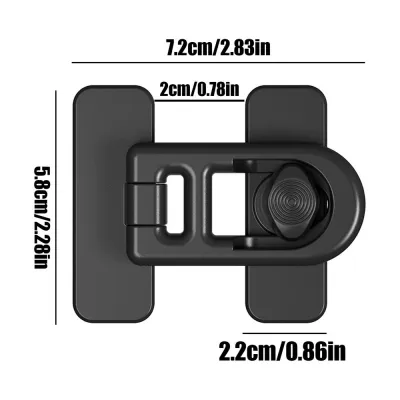
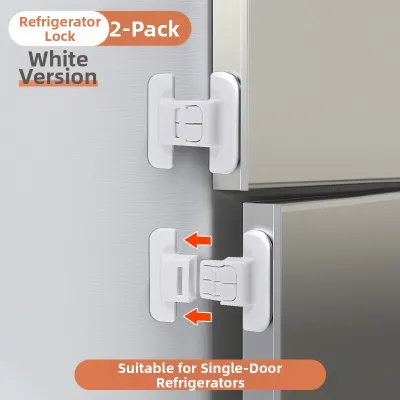
![[SG] Baby Safety Lock Child Drawer Lock Refrigerator Cabinet Microwave Infant Wardrobe Door Safety lock](https://img.lazcdn.com/g/p/8847f4874628f086869454a0c76d9001.jpg_400x400q80.jpg_.webp)
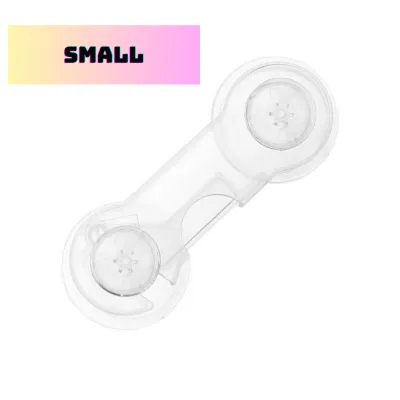
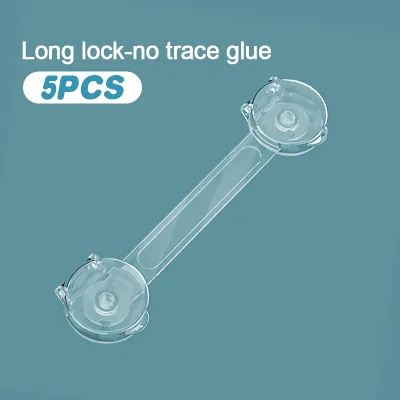
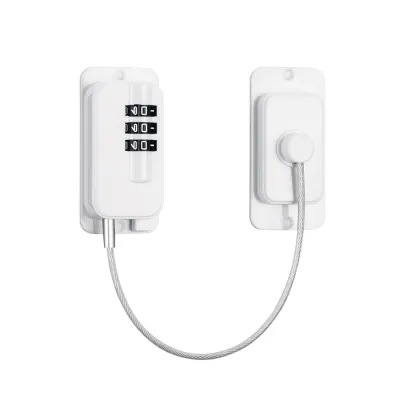
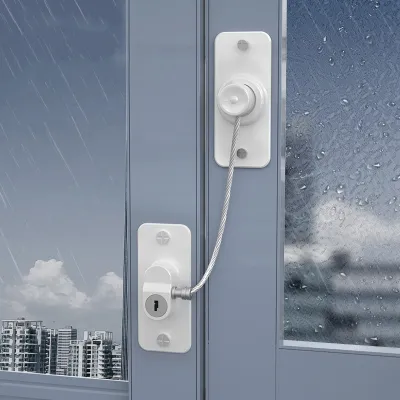
Prices are valid at publication and may change. Please refer to the product page for the latest price.
In addition to the locking mechanism, the physical profile of the lock plays a major role in its longevity. Low-profile designs prevent toddlers from getting a firm grip on the lock itself, reducing the leverage they can apply to rip it off the fridge surface. Brands that design flat, streamlined latches minimize the temptation for children to hang on or play with the device.
Transparency in product labeling is another hallmark of a reputable manufacturer. High-quality brands do not make sweeping “one-size-fits-all” claims; instead, they provide specific guidelines regarding age limits, weight thresholds, and compatible surface finishes. They explicitly state if their adhesives are unsuitable for certain materials, such as raw wood, unsealed plastics, or specialized anti-fingerprint coatings on premium appliances.
Opting for dedicated baby safety brands rather than generic, unbranded multi-packs generally ensures better quality control. Specialized brands invest in rigorous product testing and offer clear customer support channels, which is critical when you need guidance on adhesive removal or replacement parts. Their products are designed to meet international safety standards, providing peace of mind that a basic utility lock cannot match.
Matching Lock Types to Common Singapore Refrigerator Models
Selecting the correct lock type requires a close look at your refrigerator’s physical configuration, as a lock that works perfectly on a single-door model may fail entirely on a modern multi-door unit.

Strap locks and adhesive latch locks serve different structural purposes. Flexible strap locks use a heavy-duty band that can bend around corners, making them highly versatile for securing the gap between the side of the refrigerator and the front door. Rigid adhesive latch locks, on the other hand, rely on a solid plastic bridge that connects two flat, adjacent surfaces, which is ideal when the door and the frame are perfectly flush.
For side-by-side and French door refrigerators, which are increasingly popular in larger Singapore condominiums and landed homes, standard single-door latches are often ineffective. Because both doors open outward from the center, a single latch attached to one door cannot prevent the other from opening. In these setups, you must verify if the brand offers specialized dual-door slide locks or adjustable strap locks that can span across both handles or doors to lock them together.
Top and bottom mount refrigerators present a different installation challenge, primarily related to height and reach. When securing a bottom-mount freezer or a top-mount fridge door, you must plan the placement of the adhesive latch so that it sits well out of your toddler’s reach while remaining ergonomically comfortable for adults to operate throughout the day. Placing the lock higher up on the side panel is generally the most effective way to prevent children from attempting to bypass the mechanism.
Handle styles and clearances also dictate which lock type will physically fit your appliance. If your refrigerator features protruding bar handles, you can often use handle-specific strap locks that loop around the bars to prevent them from separating. However, if your fridge has recessed pocket handles or a completely flat, flush front, you will need to rely entirely on surface-mounted adhesive locks that bridge the door seam.
Older refrigerator models with weakened magnetic door gaskets require prompt attention, as the doors can be opened with minimal physical effort. In these cases, installing a heavy-duty strap lock is an essential safety measure to prevent toddlers from easily pulling the door open and accessing spoiled food or heavy jars.
For premium glass-front or smart refrigerators with integrated touchscreens, extreme caution is required. Applying strong adhesives directly to tempered glass panels or sensitive screen borders can cause permanent cosmetic damage or interfere with touch sensitivity. Always consult your refrigerator’s manufacturer guidelines before applying any adhesive child lock to a glass or smart panel interface.
Installation and Adhesive Considerations for Singapore's Climate
Singapore’s tropical climate, characterized by high relative humidity and warm ambient temperatures, introduces unique challenges for adhesive-based baby safety devices.
Proper surface preparation is absolutely critical to ensure the adhesive bond does not fail prematurely. Before applying any lock, clean the target area thoroughly with isopropyl alcohol to remove accumulated kitchen grease, airborne cooking oils, fingerprints, and any manufacturer-applied anti-smudge coatings. Avoid using standard household glass cleaners or soapy water, as these can leave behind a microscopic residue that prevents the adhesive from making direct contact with the appliance surface.
To achieve the strongest possible bond, follow a systematic installation workflow:
- Clean: Wipe the area with isopropyl alcohol and allow it to dry completely.
- Warm: If installing in an air-conditioned room, warm the adhesive pad slightly with a hairdryer to improve initial tackiness.
- Position: Mark the placement lightly with a pencil to ensure perfect alignment before peeling the backing.
- Press: Apply firm, even pressure across the entire adhesive pad for at least 30 seconds.
- Cure: Leave the lock completely undisturbed for 24 to 48 hours before testing or applying any pulling force.
The high humidity levels in Singapore can significantly delay the curing process of double-sided acrylic tapes. While a manufacturer might state a general curing time, it is highly recommended to wait a full 48 hours after installation before subjecting the lock to any pulling tension. Keeping the kitchen well-ventilated or running air conditioning during this initial curing phase can help the adhesive form a more secure, permanent bond.
Additionally, the exterior side panels of refrigerators often dissipate heat generated by the compressor, causing the surface to feel warm to the touch. This continuous heat can gradually soften low-grade adhesives, causing them to slide or peel away under pressure. When purchasing a lock, verify that the adhesive used is rated for high-temperature stability, and avoid placing the lock body directly over known compressor heat vents.
To prevent permanent damage to your appliance’s finish, always check the refrigerator’s warranty terms regarding third-party adhesive attachments. It is wise to test the adhesive on a small, inconspicuous area of the fridge—such as the lower back or side—to ensure it can be removed without peeling off the paint or protective clear coat. If your appliance has a delicate finish, consider applying a temporary protective film underneath the adhesive pad as a buffer.
Smart Shopping on Local E-Commerce Platforms
Navigating online marketplaces in Singapore requires a strategic approach to ensure you receive genuine, high-quality safety products rather than cheap counterfeits.
When choosing between local and overseas sellers on e-commerce platforms, consider the trade-offs of shipping times and product freshness. Local sellers often provide faster delivery and more straightforward return options if a lock arrives damaged or fails to fit. Furthermore, adhesives stored in local climate-controlled warehouses are less likely to suffer from the heat-induced degradation that can occur when packages spend weeks in transit from overseas distribution centers.
When browsing product listings, do not rely solely on overall star ratings; instead, filter customer reviews for specific, high-risk keywords. Search for phrases like “adhesive failed,” “toddler broke,” or “strap snapped” to identify potential weak points in real-world scenarios. Pay close attention to reviews from local buyers who can speak directly to how the adhesive performs in Singapore’s humid kitchen environments.
While cheap unbranded multi-packs (often costing under S$5 for a pack of ten) might seem appealing, they frequently fail within weeks due to poor adhesive quality or brittle plastic. Investing in reputable safety brands (typically ranging from S$10 to S$25 per lock) offers long-term durability that saves money and frustration over time.
Buying baby-proofing products in multi-packs or comprehensive safety kits can offer excellent value, especially if you need to secure multiple cabinets, drawers, and appliances. However, ensure that the kit actually includes specialized strap locks suitable for refrigerators, rather than just standard cabinet latches that cannot accommodate the thickness of a fridge door.
Finally, verify the listing details carefully to avoid misleading product descriptions. Avoid listings that use generic, keyword-stuffed titles but fail to provide explicit dimensions, material specifications, or clear photos of the lock installed on an actual refrigerator. A reliable brand will always provide clear, accurate technical specifications to help you confirm compatibility before you buy.
Frequently Asked Questions (FAQ)
Will adhesive child locks damage my stainless steel refrigerator?
Many modern safety lock adhesives, such as those using high-quality acrylic foam tape, are designed to be removable with the application of heat and gentle leverage. You can typically soften the adhesive using a hairdryer on a low setting and then slide a piece of dental floss or fishing line behind the plastic base to saw through the bond. However, stainless steel surfaces, especially those with specialized anti-fingerprint or brushed coatings, can still be vulnerable to micro-scratches or discoloration if the removal process is rushed.
To avoid voiding your appliance’s warranty or causing permanent cosmetic damage, always consult your refrigerator’s user manual for specific care and accessory guidelines. If you are uncertain, test the adhesive removal process on a hidden lower corner of the refrigerator first, or apply a removable protective barrier film to the appliance surface before mounting the child lock adhesive pad.
Are magnetic locks suitable for refrigerator doors?
Standard magnetic locks are specifically engineered for wooden cabinets and drawers where the lock mechanism can be concealed entirely inside the frame, with an external magnetic key used to disengage the latch. Refrigerator doors, by contrast, are thick, heavily insulated, and constructed with metal outer shells or tempered glass panels, which prevent internal installation.
Because you cannot access the interior frame of a refrigerator to mount a hidden magnetic latch, these locks are completely unsuitable for securing fridge doors. For reliable appliance safety, you must use exterior-mounted strap locks or heavy-duty adhesive latches that are designed to withstand the physical force of a child pulling from the outside.

Community discussion
Share your experience or ask a question. Comments are reviewed before publication.