
Securing a home for a growing child requires moving beyond simple tidying to active hazard mitigation. As infants transition into mobile toddlers, low-lying cabinets and drawers become immediate targets for exploration. To effectively prevent young children from accessing hazardous household items in Singapore homes, choosing a reliable cupboard lock is a critical step. A dependable lock must withstand repetitive physical force, resist cognitive bypass by curious toddlers, and maintain its structural integrity in Singapore’s distinct tropical climate.
Selecting the right brand involves evaluating cabinet types, adhesive performance in high humidity, and dual-action release mechanisms. While many generic options exist, focusing on established brands that prioritize material quality and rigorous testing ensures long-term safety. This guide outlines the essential criteria for evaluating cupboard lock reliability, details the effectiveness of different lock styles, and provides practical advice on sourcing and installing these safety devices within Singapore HDB flats and condominiums.
Why Standard Cabinet Latches Fail Against Toddlers
Standard cabinet hardware is designed for convenience and aesthetic alignment, not child security. Many modern kitchen cabinets utilize simple friction latches, roller catches, or light magnetic closures. These mechanisms are engineered to keep doors flush when closed, requiring only a minor pull force to open. A toddler aged 12 to 18 months can easily overcome these basic closures simply by pulling with their body weight or repeatedly shaking the cabinet door.
Products mentioned in this guide
![[SG] Baby Safety Lock Child Drawer Lock Refrigerator Cabinet Microwave Infant Wardrobe Door Safety lock](https://img.lazcdn.com/g/p/8847f4874628f086869454a0c76d9001.jpg_400x400q80.jpg_.webp)
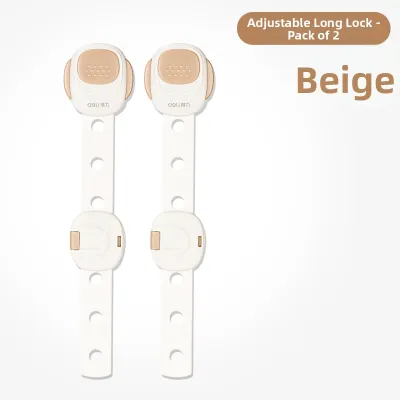
Prices are valid at publication and may change. Please refer to the product page for the latest price.
During this developmental stage, toddlers experience rapid physical and cognitive growth. They develop significant grip strength and fine motor skills, alongside a keen ability to learn through imitation. By observing caregivers open cabinets, toddlers quickly comprehend the relationship between pulling a handle and accessing the contents inside. Consequently, standard hardware offers virtually no resistance to a determined child who has watched an adult open a door multiple times.
It is vital for caregivers to understand the distinction between “child-resistant” and “child-proof” safety products. No commercial cupboard lock is entirely foolproof; given enough time, isolation, and determination, an older child may eventually figure out or break a locking mechanism. Safety locks are designed to delay access and deter exploration, buying caregivers valuable time to intervene. Therefore, these devices must always be viewed as secondary physical barriers that complement, rather than replace, active adult supervision.
Key Criteria for Evaluating Cupboard Lock Brand Reliability
When comparing cupboard lock brands, assessing the quality of the materials used is paramount. Reputable brands construct their locks from high-grade ABS (Acrylonitrile Butadiene Styrene) plastic or reinforced metal components. ABS plastic is highly valued in safety manufacturing for its impact resistance, structural strength, and resistance to chemical degradation. In contrast, low-cost, unbranded alternatives often utilize brittle, recycled plastics that can snap under the sudden, repeated pulling forces exerted by a toddler.

For many residents in Singapore, particularly those renting HDB flats or condominiums, drilling permanent screws into custom cabinetry is not an option. This makes adhesive-mounted locks highly popular, but it also introduces the challenge of adhesive reliability. Singapore’s high relative humidity—which frequently exceeds 80%—can cause low-grade adhesives to soften, lose grip, and slide off cabinet surfaces. Reliable safety brands typically partner with established adhesive manufacturers to supply heavy-duty, humidity-resistant acrylic foam tapes that secure the lock firmly without leaving permanent residue upon proper removal.
Another critical factor is the complexity of the release mechanism. A reliable cupboard lock should feature a dual-action release system, which requires two distinct physical motions to open, such as pressing a side button while simultaneously sliding a latch. This design exploits the developmental gap between a toddler’s basic motor skills and an adult’s advanced hand-eye coordination. Simple single-motion latches are often bypassed quickly once a toddler observes the action a few times.
Finally, caregivers should look for evidence of external testing and quality control. Reputable baby safety brands design their products to align with recognized international safety frameworks, such as ASTM (American Society for Testing and Materials) or EN (European Committee for Standardization) standards. While compliance claims can vary, packaging from established brands typically provides clear model numbers, manufacturer contact details, and specific instructions. Caregivers should verify these details on the physical packaging to ensure the product has undergone standardized quality checks.
Common Types of Cupboard Locks and Their Effectiveness
Magnetic Locks
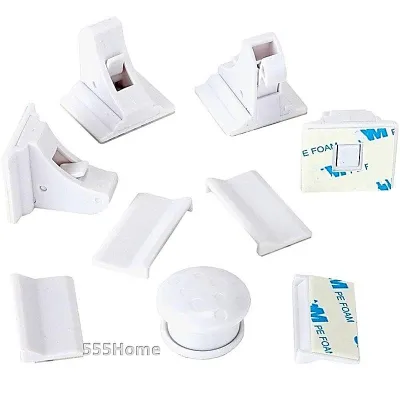
Magnetic cupboard locks are widely considered one of the most secure and aesthetically pleasing baby-proofing solutions. These systems consist of an internal spring-loaded latch installed inside the cabinet door and a corresponding catch mounted on the cabinet frame. The door remains completely locked from the outside, with no visible hardware. To disengage the latch, caregivers must place a specialized magnetic key on the external surface of the cabinet door directly opposite the internal lock.
The primary benefit of magnetic locks is their complete invisibility, which preserves the clean lines of modern home interior design. Because there are no external straps or plastic pieces to pull, children are less tempted to play with the cabinet doors. However, managing the magnetic key requires discipline. If the key is misplaced, accessing the cabinet becomes difficult for adults as well. Caregivers must store the key on a high, magnetic surface out of reach of children, and keeping a spare key in a secure location is highly recommended.
Strap and Latch Locks
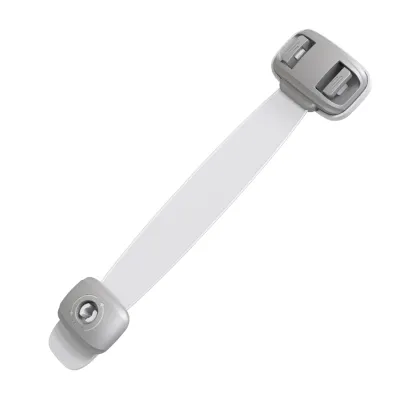
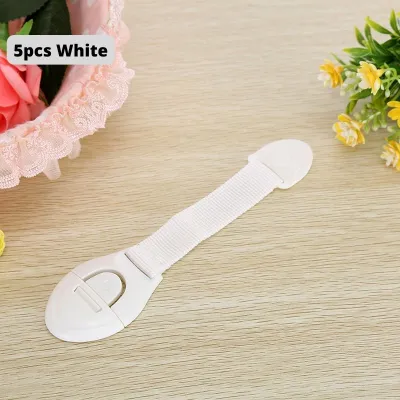
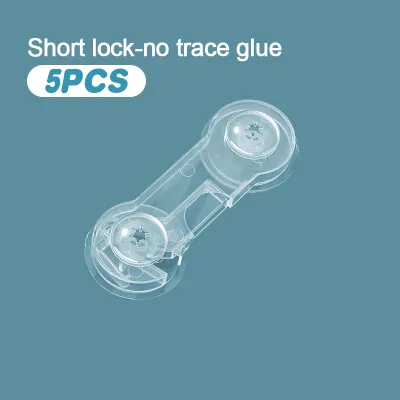
Strap and latch locks are highly versatile, external safety devices consisting of two adhesive-mounted anchor points connected by a flexible plastic or fabric strap. These locks are designed to wrap around corners, making them suitable for securing double doors, drawers, curved cabinets, and household appliances like refrigerators, microwaves, and washing machines. Their flexibility allows them to accommodate irregular cabinet designs where internal locks cannot be installed.
While strap locks are exceptionally easy to install and fit a wide variety of handle configurations, they do have distinct trade-offs. Because they are mounted on the exterior of the cabinetry, they introduce visual clutter to the living space. This high visibility can draw a toddler’s attention, leading them to pull, chew, or hang on the strap. Over time, constant pulling combined with Singapore’s humid indoor climate can weaken the adhesive bond, requiring periodic replacement of the adhesive pads.
Sliding Door and Drawer Locks
Sliding cabinet doors and deep drawers present unique safety challenges that standard strap or magnetic locks may not fully address. For sliding doors, track-blocking locks or specialized wing-shaped adhesive locks are used. These devices lay flat to allow the door to slide open normally when deactivated, but when engaged, they pop up to block the sliding path, preventing a child from pinching their fingers or opening the cabinet.
Drawers require careful securing because toddlers often attempt to pull them out fully to use them as steps to climb higher, which poses a severe cabinet tip-over hazard. Interior latch locks, which allow the drawer to open only a fraction of an inch before catching on a plastic hook, are commonly used. To open the drawer fully, an adult must reach through the narrow gap and depress the hook. Caregivers should regularly inspect these latches to ensure the plastic hook has not bent or worn down, which could allow the drawer to slip past the catch.
Navigating the Singapore Market: Where to Find and Verify Trusted Brands
Sourcing authentic, high-quality baby safety gear in Singapore requires a cautious approach, especially with the abundance of cheap, unbranded products available online. To ensure you are purchasing genuine products that perform as intended, it is advisable to buy directly from authorized baby specialty retailers, established physical department stores, or official brand storefronts on major e-commerce platforms. Purchasing from these channels typically provides recourse in the event of manufacturing defects and ensures the product has been imported through proper supply chains.
When shopping online, look closely at verified customer reviews, paying specific attention to feedback from local buyers. Local reviews often contain valuable insights regarding how well a brand’s adhesive holds up against Singapore’s warm, humid climate. If multiple local reviews mention that a lock’s adhesive failed within a few weeks, or that the plastic warped in a non-air-conditioned kitchen, it is a strong indicator that the product may not be suitable for local environmental conditions.
Caregivers should avoid purchasing ultra-cheap, unbranded multi-packs from unverified sellers. While a pack of ten generic locks priced at under S$5 may seem economical, these items often bypass basic material safety and durability testing. They are frequently made from low-grade plastics that emit strong chemical odors or snap easily under moderate pressure. Investing in established safety brands—where starter kits typically range from S$15 to S$40—provides peace of mind, as these products are engineered to withstand the daily wear and tear of an active household.
Installation Safety and Maintenance Checks
Surface Preparation
To ensure adhesive-mounted cupboard locks achieve maximum bond strength, proper surface preparation is critical. Begin by thoroughly cleaning the application area on the cabinet frame or door. Use isopropyl alcohol (rubbing alcohol) and a clean, lint-free cloth to remove all traces of dust, grease, kitchen oil, and fingerprint residue. Avoid using standard household glass cleaners or multi-purpose sprays, as these often leave behind a microscopic silicone or wax film that prevents the adhesive from bonding fully to the surface.
Curing and Testing
Once the surface is completely dry, peel off the protective backing of the adhesive pad, position the lock precisely according to the manufacturer’s templates, and press it firmly against the cabinet surface for at least 30 seconds. It is vital to allow the adhesive to cure undisturbed. Most high-quality acrylic adhesives require 24 to 48 hours to reach their full bonding strength. Do not attempt to lock, unlock, or pull on the device during this curing period, as premature stress can permanently compromise the adhesive bond.
Routine Maintenance
Baby-proofing hardware is subject to constant physical stress and environmental exposure. In Singapore, kitchen cabinets are frequently exposed to elevated heat from cooking and moisture from washing areas, which can accelerate the degradation of plastics and adhesives. Establish a monthly routine to inspect every cupboard lock in your home. Check for signs of plastic fatigue, such as stress whitening (where the plastic turns white at stress points), loose hinge pins, or lifting adhesive corners. If a lock shows any signs of wear, stiffness, or reduced spring tension, discontinue use immediately and replace the unit.
Safe Removal
When it is time to remove adhesive cupboard locks—either because the child has outgrown the need or when vacating a rental property—care must be taken to protect the cabinet finish. Do not attempt to pry the lock off forcefully, as this can tear away cabinet laminates, veneer, or paint. Instead, use a hairdryer on a low-to-medium heat setting to gently warm the adhesive backing for one to two minutes, which softens the acrylic bond.
Once warmed, take a piece of dental floss or thin fishing line, slide it behind the plastic mount, and use a gentle sawing motion to cut through the softened adhesive foam. Any remaining sticky residue can be cleaned up using a small amount of eucalyptus oil, tea tree oil, or a dedicated mild adhesive remover applied to a microfiber cloth. Always test these oils or removers on a small, hidden area of the cabinet first to ensure they do not dull or discolor the cabinet’s protective finish.
Frequently Asked Questions (FAQ)
Do magnetic cupboard locks work on all cabinet thicknesses?
No, magnetic cupboard locks have physical limitations based on the thickness and material of your cabinet doors. Most standard magnetic locks are engineered to operate through wood, MDF, or laminate doors with a maximum thickness of approximately 25mm to 30mm. If your home features exceptionally thick solid wood cabinets or heavy double-paned doors, the magnetic field of the key may not be strong enough to attract and retract the internal latch. Always measure your cabinet door thickness and cross-reference it with the manufacturer’s specifications on the packaging before purchasing.
How can I remove adhesive cabinet locks without damaging my HDB or condo cabinets?
To remove adhesive locks safely, avoid pulling them off dry. Use a hairdryer on a low-medium heat setting to warm the adhesive pad for about a minute to soften the glue. Next, slide a length of dental floss or fishing line behind the base of the lock and guide it downward in a sawing motion to slice through the foam tape. To clean up any sticky residue left behind, apply a few drops of eucalyptus oil or a mild adhesive remover to a cloth and gently wipe the area. Always test the residue remover on an inconspicuous spot first to ensure it does not damage the cabinet’s paint or laminate finish.
Are there cupboard locks that do not require drilling or adhesives?
Yes, there are zero-damage cupboard locks designed specifically for cabinets with certain handle configurations. For double cabinets with adjacent D-shaped handles or round knobs, you can use sliding U-shaped locks or cord-clamping locks that loop through the handles and slide tight. These locks rely entirely on physical tension and mechanical blocking, making them excellent options for renters who want to avoid adhesives completely. However, their use is strictly limited to compatible handle designs, and they cannot be used on single doors, drawers, or handle-less modern cabinets.
Community discussion
Share your experience or ask a question. Comments are reviewed before publication.