
Securing sharp furniture edges is a critical step in baby-proofing any Singapore home, particularly when infants reach the crawling and cruising stages. To achieve reliable protection, parents frequently turn to established brands such as Safety 1st, Dreambaby, and Munchkin. These brands are widely trusted because they prioritize verified material safety, provide predictable adhesive performance, and offer products designed to withstand daily wear. However, selecting the right edge tape requires more than just picking a familiar label; it demands matching the specific material and adhesive properties to your home’s unique furniture surfaces and environmental conditions.
While edge guards significantly reduce the risk of impact injuries, they are safety aids rather than a substitute for active adult supervision. Every home features a unique mix of materials, from solid wood dining tables to tempered glass coffee tables and laminated fiberboard TV consoles. Understanding how different edge tapes interact with these surfaces—and how they perform under Singapore’s humid tropical climate—will help you make an informed decision that protects both your child and your furniture.
Key Criteria for Choosing Safe and Effective Edge Tape
Selecting the right edge tape involves balancing protective performance with material safety and surface compatibility. Before purchasing any baby-proofing product, parents should evaluate several technical and physical characteristics to ensure the product is fit for its intended purpose.
Products mentioned in this guide
![[SG] Baby Corner Guard | Corner Protector | Baby Head Protector | Edge Protector | Bumper Protector | Table Corner P](https://img.lazcdn.com/g/p/639dc659f4ac09136444894423441c9f.jpg_400x400q80.jpg_.webp)
Prices are valid at publication and may change. Please refer to the product page for the latest price.
Material Safety and Labels
Because infants and toddlers naturally explore their environment using their mouths, the chemical composition of edge guards is a primary safety concern. Teething babies may bite, chew, or rest their mouths directly on the edge tape installed on low tables or bed frames. Parents must inspect the physical product packaging for explicit, verified material safety labels rather than relying on generic online product descriptions.
Look for clear indications that the product is non-toxic, BPA-free, phthalate-free, and lead-free. Phthalates are chemical plasticizers historically used to make plastics like PVC flexible, but they are restricted in children’s products due to potential health risks. Never assume a product is safe simply because of the brand name; verify that the specific model or batch lists these safety standards on the physical box.
Thickness and Shock Absorption
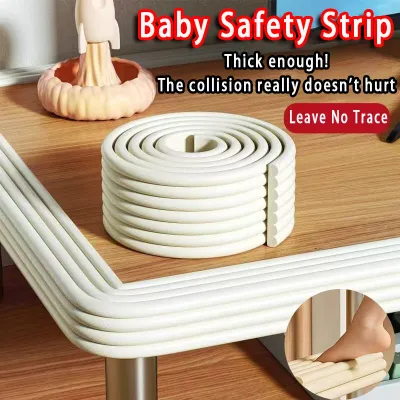
The primary mechanical function of edge tape is to absorb and dissipate the kinetic energy of an impact. The effectiveness of this shock absorption depends on the density and thickness of the material. High-density foam, such as Nitrile Butadiene Rubber (NBR) or Ethylene-Vinyl Acetate (EVA), provides excellent cushioning for high-impact zones like low-lying coffee tables.
However, thicker foam profiles are highly visible and can alter the aesthetic appeal of your furniture. For formal living spaces, clear PVC or silicone edge guards offer a much slimmer, more discreet profile. The trade-off is that these denser, thinner materials provide less cushioning during a heavy fall, making them better suited for lower-risk areas or older toddlers who require minor bump protection rather than heavy impact absorption.
Adhesive Strength vs. Surface Compatibility
An edge guard is only as effective as the adhesive holding it in place. In Singapore’s humid climate, low-quality adhesives can soften, slide, or peel away, rendering the safety barrier useless. The adhesive must form a strong bond with the furniture surface to resist the persistent pulling of a curious toddler.
At the same time, the adhesive must not be so aggressive that it permanently ruins the underlying furniture finish. Applying high-tack rubber adhesives to delicate wood veneers, paper-laminated particle board, or antique finishes can cause severe peeling or discoloration when the tape is eventually removed. Matching the adhesive formulation to the specific furniture material is essential to prevent costly property damage.
Choking Hazard Prevention
Teething infants frequently attempt to bite off pieces of soft foam edge guards. If an edge tape is made of low-density, easily torn foam, a child can bite off small chunks, creating an immediate choking hazard.
When selecting foam edge guards, look for high-density, closed-cell structures that resist tearing and biting. Silicone and heavy-duty PVC options are naturally more bite-resistant due to their tough, elastomeric properties. Regularly inspect installed edge guards for signs of wear, teeth marks, or peeling edges, and replace any damaged sections immediately.
Established Edge Tape Brands Available in Singapore
Several international baby safety brands have established a strong presence in Singapore. These brands offer standardized, tested solutions that are widely distributed across local specialty stores and online marketplaces.

Safety 1st: What to Look For
Safety 1st is a globally recognized brand known for its comprehensive range of home safety products. In Singapore, their edge and corner protection lineup typically includes both clear gel-like PVC guards and soft, heavy-duty foam bumpers.
When evaluating Safety 1st products, parents should carefully inspect the packaging of the specific model they are considering. The brand utilizes different material formulations across its product lines; for instance, their clear corner cushions use a dense polymer designed for low visibility, while their foam fireplace hearth guards use a thick, flame-retardant foam. Always check the box to confirm the chemical certifications and to identify whether the included adhesive is optimized for finished wood, glass, or metal.
These products are generally well-suited for standard rectangular furniture with sharp, defined edges. However, their thicker foam options may struggle to adhere smoothly to tight, complex curves. Before applying the adhesive across a prominent piece of furniture, parents should cut a tiny portion of the double-sided tape and perform a test application on an inconspicuous area to verify finish compatibility.
Dreambaby: Product Features and Verification
Dreambaby specializes in child safety solutions designed for modern households. Their edge tape offerings frequently feature pre-taped backings or long, customizable foam rolls that parents can cut to fit specific dimensions.
One of the defining characteristics of Dreambaby products is their focus on ease of installation. Many of their foam rolls come with high-performance double-sided tape included in the box. However, this convenience requires parents to be highly diligent regarding surface compatibility. Dreambaby explicitly lists recommended and non-recommended surfaces on their product packaging.
Applying their high-tack adhesives to delicate surfaces—such as unsealed wood, painted plaster walls, or cheap paper-laminated furniture—can result in surface damage. Parents must read these manufacturer guidelines carefully before installation. Additionally, evaluate whether the included adhesive is a standard acrylic tape or a heavy-duty rubber-based tape, as this will dictate the level of effort and care required during the eventual removal process.
Munchkin: Evaluating Multi-Purpose Packs
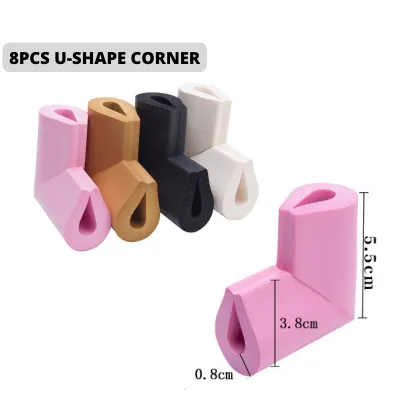
Munchkin is highly regarded for its practical, user-friendly baby products. Their approach to edge protection often involves multi-purpose safety packs that bundle long edge tape rolls with pre-molded corner protectors.
These bundled packs offer excellent convenience for parents looking to baby-proof an entire room at once. However, before purchasing, it is important to measure your furniture carefully. Calculate the total linear centimeters of sharp edges in your home to ensure the standard lengths provided in these multi-packs will cover your needs without leaving dangerous gaps.
Upon receiving a Munchkin safety pack, physically inspect the material’s flexibility and thickness. The foam should feel dense and spring back quickly when compressed, indicating good shock-absorption properties. If the pack uses high-tack adhesive tape, check recent localized user feedback regarding how the adhesive performs under humid conditions. High-tack tapes provide excellent resistance against toddler tampering but require systematic, patient removal techniques to avoid leaving stubborn, sticky residues on your furniture.
Matching Edge Tape Materials and Adhesives to Your Furniture
To maximize child safety and preserve the integrity of your household items, you must match the physical properties of the edge tape and its adhesive to the specific material of your furniture.
Comparing Edge Tape Materials
Different materials offer distinct advantages and trade-offs regarding safety, durability, and appearance:
- Clear PVC: This material is highly discreet, making it ideal for maintaining the original look of glass or modern minimalist furniture. It is easy to wipe clean and highly resistant to biting. However, because it is relatively hard and dense, it offers less impact cushioning than foam.
- NBR or EVA Foam: These soft, spongy materials provide maximum shock absorption, making them the safest choice for high-impact zones where toddlers are likely to fall. On the downside, they are highly visible, can be difficult to clean if stained, and present a higher risk of tearing if chewed by teething infants.
- Silicone: Silicone combines the durability and bite-resistance of PVC with a softer, more flexible texture. It offers moderate shock absorption, is highly hygienic, and resists degradation from moisture and heat. It is often more expensive than PVC or foam options.
Evaluating Adhesive Formulations
Adhesives used for baby-proofing generally fall into two categories, each behaving differently depending on the surface finish:
- Acrylic-Based Adhesives: These adhesives are highly clear, resist yellowing over time, and generally provide a cleaner removal process. They perform exceptionally well on non-porous surfaces like glass, metal, and sealed acrylic finishes. They require a full 24 hours to cure completely and reach their maximum bond strength.
- Rubber-Based Adhesives: Known for their high initial tack, these adhesives bond quickly to rougher or more porous surfaces, such as solid wood and certain laminates. However, they are highly sensitive to temperature and humidity. Over time, rubber-based adhesives can degrade into a sticky, gummy residue that is difficult to clean, and they carry a higher risk of lifting paint or wood finishes upon removal.
Furniture Surface Compatibility Matrix
| Furniture Surface | Recommended Edge Material | Recommended Adhesive Type | Key Considerations |
|---|---|---|---|
| Solid Wood (Sealed/Varnished) | NBR/EVA Foam or Silicone | Acrylic-Based | Perform a 48-hour patch test in an inconspicuous spot to ensure the varnish does not lift. |
| Tempered Glass | Clear PVC or Silicone | Acrylic-Based (High Clarity) | Ensure the glass edge is completely free of oils before application; remove gently to avoid stressing the glass. |
| Laminated MDF / Particle Board | NBR/EVA Foam | Acrylic-Based | High-tack rubber adhesives can peel off cheap paper laminates; pull very slowly during removal. |
| Metal or Steel Frames | Clear PVC or Silicone | Acrylic-Based or Rubber-Based | Clean the metal thoroughly with isopropyl alcohol first to remove any residual manufacturing oils. |
Where to Buy and How to Verify Product Authenticity in Singapore
Due to the critical safety role that edge tape plays, avoiding counterfeit or substandard products is essential. Substandard products often use industrial-grade adhesives containing restricted chemical compounds or low-density foams that tear easily.
Reliable Purchasing Channels in Singapore
To ensure you are purchasing genuine products, source your baby-proofing supplies from reputable channels. Established physical baby specialty stores, such as Mothercare, carry curated selections of safety brands that comply with international safety standards.
If purchasing online, utilize the official brand stores on major e-commerce platforms rather than unverified third-party sellers. Large local supermarket chains with dedicated baby and home utility aisles are also reliable sources, as they maintain strict quality control and supply chain traceability.
Authenticity Checks
When your product arrives, perform a physical inspection to verify its authenticity before installation:
- Packaging Integrity: Genuine products from established brands are packaged in high-quality boxes or blister packs with clear, professional printing. Avoid products that arrive in plain plastic bags or poorly printed packaging with spelling errors.
- English Labeling: Authentic products imported through official channels will feature clear instructions, safety warnings, and material specifications written in proper English.
- Batch and Model Numbers: Check for printed batch numbers, manufacturing dates, or model codes on the box. You should be able to cross-reference these numbers on the manufacturer's official website.
Smart Strategies for Evaluating Online Reviews
When shopping on online marketplaces, do not rely solely on the overall star rating, which can be easily inflated. Instead, filter the reviews to look for specific, detailed feedback from local buyers in Singapore.
Search for reviews that mention long-term durability, adhesive performance in high humidity, and ease of removal. Pay close attention to negative reviews that highlight issues like “foam tearing easily,” “adhesive melting,” or “leaving permanent marks on wood.” This real-world feedback provides a much more accurate picture of how the product will perform in a local household environment.
Installation and Safe Removal Tips for Edge Guards
Proper installation ensures the edge tape remains securely in place, while correct removal techniques prevent permanent damage to your valuable furniture.
Step-by-Step Surface Preparation
Adhesives require a completely clean, dry, and oil-free surface to form a strong chemical bond. Any dust, grease, or cleaning product residue will compromise the adhesive’s effectiveness.
- Clean the Surface: Wipe the furniture edge thoroughly using a clean microfiber cloth dampened with isopropyl alcohol. This removes surface oils and dust. Do not use household glass cleaners or multi-purpose sprays, as they often leave behind a thin silicone or wax film that prevents the adhesive from bonding.
- Dry Completely: Allow the alcohol to evaporate completely. The surface must be 100% dry before applying the tape.
- Check the Finish: Ensure the surface finish is stable. If the paint is already peeling or the wood veneer is loose, applying adhesive tape will likely worsen the damage.
Proper Application and Curing Techniques
Applying the tape correctly prevents air bubbles and ensures uniform contact across the entire surface.
- Measure and Cut: Measure the furniture edge and cut the foam or PVC tape to the exact length required. For corners, use pre-molded corner guards first, then butt the straight edge tape up against them.
- Apply Adhesive to the Guard: If the adhesive tape is not pre-applied, stick it to the inside of the edge guard first. Press down firmly along the entire length of the tape to secure the bond.
- Mount to Furniture: Peel off the protective backing paper. Align the guard carefully with the furniture edge. Press down firmly, working your way from one end to the other to avoid trapping air.
- Apply Firm Pressure: Use your hands or a small roller to apply firm, even pressure along the top and sides of the guard for at least 30 seconds.
- Allow to Cure: Do not touch, pull, or test the edge guard for at least 24 hours. Most pressure-sensitive adhesives require this curing time to achieve full bonding strength. Keep your child away from the newly treated area during this period.
Safe Removal Methods to Protect Furniture
When your child outgrows the need for edge guards, removing them improperly can rip off paint, varnish, or laminate.
To remove the tape safely, use a hairdryer on a low-to-medium heat setting to gently warm the adhesive. Direct the warm air at the seam where the tape meets the furniture for 20 to 30 seconds. The heat will soften the adhesive polymers, making them pliable. Slowly and gently peel the edge guard back at a shallow angle. Do not yank or pull straight up, as this concentrates the pulling force on the furniture finish.
If any sticky residue remains on the surface, apply a small amount of a surface-safe adhesive remover, vegetable oil, or isopropyl alcohol to a cloth and gently rub the residue away. Always consult your furniture manufacturer’s care guide first if you are dealing with antique wood, unsealed finishes, or delicate veneers, as these materials require specialized care.
Frequently Asked Questions (FAQ)
Can clear edge tape be safely applied to glass tables?
Yes, clear PVC or silicone edge tape is highly suitable for glass tables. Because glass is a completely non-porous surface, acrylic-based adhesives form an exceptionally strong bond with it. Before application, ensure the glass edge is thoroughly cleaned with isopropyl alcohol to remove all fingerprints and oils. When removing the tape, apply gentle heat from a hairdryer to soften the adhesive first; never use excessive upward force or metal scraping tools, as this can cause stress fractures or scratches on tempered glass.
How can I tell if the edge tape adhesive will damage my wood furniture?
The safest way to evaluate adhesive compatibility is to perform a localized patch test. Cut a small, 2-centimeter piece of the edge tape and apply it to an inconspicuous area of the furniture, such as the underside of the tabletop or the back of a leg. Leave the test piece in place for 48 hours to allow the adhesive to cure completely. Remove it slowly using the hairdryer heating method. Inspect the test area closely for any signs of discoloration, finish lifting, or stubborn residue before proceeding with the full installation.

Community discussion
Share your experience or ask a question. Comments are reviewed before publication.