
When your baby transitions from crawling to pulling themselves up, your home suddenly transforms into a landscape of potential hazards. Sharp coffee table corners, low-profile TV consoles, and dining table edges present immediate risks for bumps, bruises, and more serious impact injuries. To mitigate these risks, installing a reliable edge protector is one of the first steps parents take when baby-proofing their living spaces. However, finding a high-quality product that actually stays secure and remains safe for your child requires careful evaluation.
In Singapore, the search for the right edge protector brand involves balancing material safety, adhesive durability, and aesthetic compatibility with your furniture. A reliable brand must not only cushion impacts effectively but also withstand the unique challenges of Singapore’s tropical climate, where high humidity can compromise adhesive performance. Furthermore, because babies often explore their environment with their mouths, the materials used must meet strict safety standards. It is important to remember that edge protectors are secondary safety aids and do not replace active caregiver supervision.
This guide outlines the essential criteria for identifying reliable edge protector brands available in Singapore. By understanding material differences, adhesive technologies, and proper installation techniques, you can select a solution that keeps your child safe while preserving the integrity of your home’s interior.
Products mentioned in this guide
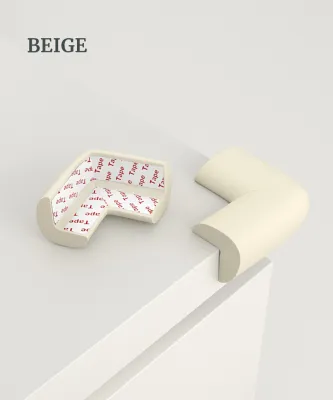
![[SG Stock] Corner Protector❤️Table Furniture Sharp Edge Safety Guard Silicone Bumper Baby Kids Children Protection](https://img.lazcdn.com/g/p/774cbe2a2c03816c7a70d8c8c65de91c.jpg_400x400q80.jpg_.webp)
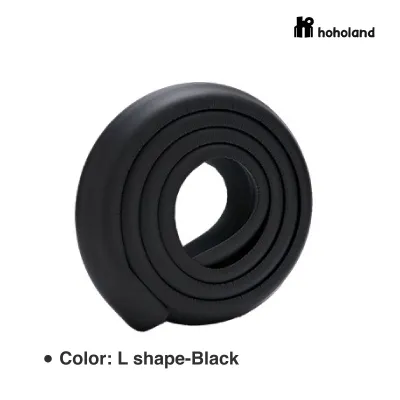
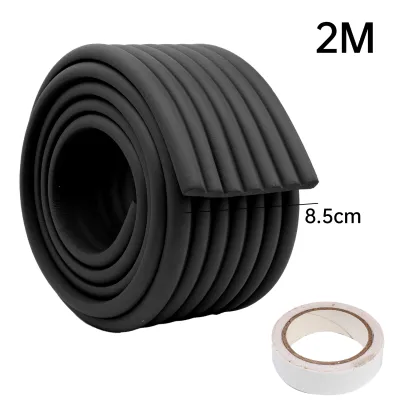
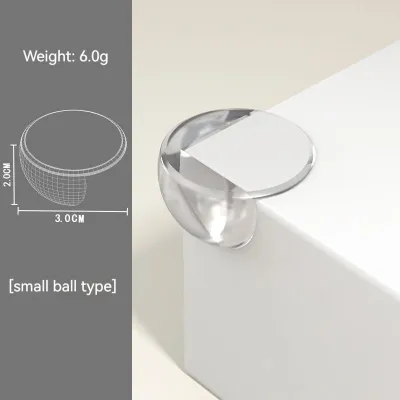
Prices are valid at publication and may change. Please refer to the product page for the latest price.
Defining a Reliable Edge Protector Brand: Safety and Material Standards
When evaluating edge protector brands, it is easy to assume that all foam or silicone guards offer the same level of protection. However, reputable brands distinguish themselves through rigorous material testing and compliance with international safety standards. Because your child will inevitably touch, lean on, and potentially chew on these protectors, verifying the chemical composition of the materials is paramount.
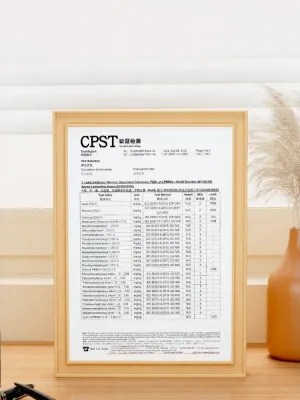
A reliable brand will explicitly state that its products are free from harmful chemicals such as bisphenol A (BPA), phthalates, heavy metals, and flame retardants. Rather than relying on generic “non-toxic” marketing claims, parents should look for brands that provide transparent documentation or list specific safety standards compliance that the buyer can verify. High-density rubber foam (such as NBR) and food-grade silicone are common materials, but their safety depends entirely on the manufacturer’s formulation and quality control.
Adhesive quality is another critical differentiator, particularly in Singapore’s humid environment. The combination of high relative humidity and warm ambient temperatures can cause low-grade adhesives to soften, slide, or peel away from furniture surfaces. Trusted brands typically partner with established adhesive manufacturers or develop proprietary mounting tapes designed to maintain a strong bond under tropical conditions. A failing adhesive not only renders the protector useless but also creates a choking hazard if a loose piece is pulled off by a curious toddler.
Additionally, parents must verify that the chosen brand’s products align with their child’s specific developmental stage, weight, and size range. For instance, a soft, lightweight foam protector might suffice for a crawling baby, but an active toddler who is pulling up on furniture requires a denser, more impact-resistant barrier. Always consult the manufacturer’s product documentation for age recommendations, thickness specifications, and weight limits. A brand’s general reputation cannot replace the necessity of checking the specific warnings and instructions provided for each individual model.
Finally, a trustworthy brand offers accessible customer support and clear product labeling. This includes providing detailed instructions on surface compatibility, curing times, and safe removal methods. When a brand is transparent about its manufacturing processes and offers responsive channels for consumer inquiries, it demonstrates a commitment to child safety that extends beyond the initial sale.
Matching Brand Designs to Your Furniture: Foam, Silicone, and Adhesives
Every home features a unique mix of furniture materials, shapes, and finishes, meaning a single type of edge protector will not suit every scenario. Reputable brands offer a variety of designs, materials, and attachment methods to accommodate different household needs. Understanding these design categories allows you to match the right product to your specific furniture layout.

High-Density Foam vs. Clear Silicone
The choice between high-density foam and clear silicone primarily involves a trade-off between impact absorption and aesthetic integration. High-density foam, such as Nitrile Butadiene Rubber (NBR), is highly effective at absorbing heavy impacts due to its thick, cushioned structure. This makes it ideal for low-profile coffee tables, fireplace hearths, and areas where high-velocity collisions are more likely. However, foam is highly visible and can disrupt the visual flow of your living space.
Clear silicone, on the other hand, offers a much sleeker, low-profile appearance that blends seamlessly with glass, metal, and modern wood finishes. While silicone is firmer than foam, it provides sufficient protection for corner impacts while being highly durable and resistant to biting or tearing. It is important to note that material names alone do not guarantee performance; you must verify the actual thickness, density, and shock-absorption ratings specified by the manufacturer to ensure the product meets your safety expectations.
Pre-Cut Strips vs. Customizable Rolls
Brands package their edge protectors in different formats to address varying furniture geometries. Pre-cut corner guards and short, straight strips are highly convenient for standard rectangular furniture, such as square coffee tables, side tables, and desks. These pre-shaped pieces minimize the need for precise cutting and ensure a clean, uniform fit on sharp 90-degree corners, which are often the most hazardous points in a room.
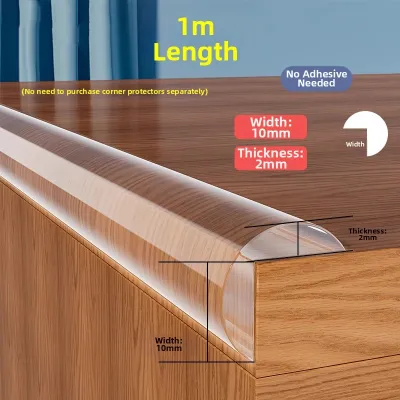
For irregular furniture, long dining tables, TV consoles, or curved surfaces, customizable rolls are a more practical choice. These rolls allow you to measure and cut the exact length required, providing continuous protection along an entire edge. When using customizable rolls, ensure the brand provides clear guidelines on how to cut and join the material at corners to avoid leaving gaps that could expose sharp edges or allow the adhesive to peel.
Adhesive Technologies and Furniture Compatibility
The method used to secure the protector to your furniture is just as important as the protective material itself. Some brands supply products with pre-applied, double-sided adhesive tape, which simplifies the installation process. Other brands provide separate rolls of heavy-duty mounting tape, giving you more control over the placement and the amount of adhesive used.
Before applying any adhesive, it is crucial to consider the finish of your furniture. Strong adhesives can strip paint, damage delicate wood veneers, or leave stubborn residue on lacquered surfaces. To prevent costly damage, always check the applied product’s label and the treated item’s manufacturer instructions first. If instructions conflict, the item is unidentified, or the use is not covered, stop and consult the manufacturer or a qualified professional. A hidden-area test is a useful step, but it cannot replace official suitability instructions.
Sourcing Authentic Edge Protectors in Singapore: Retailers and Red Flags
As demand for baby-proofing products grows, the Singapore market has seen an influx of various brands and unbranded alternatives. Sourcing authentic, high-quality edge protectors requires careful selection of your purchasing channels to ensure you are receiving genuine products that meet safety standards.
To guarantee authenticity, purchase edge protectors from established brick-and-mortar baby specialty stores, official brand websites, or authorized flagship stores on major e-commerce platforms. These retailers maintain direct supply chains with manufacturers, ensuring that the products have been stored, transported, and handled correctly. This is particularly important for adhesive-backed products, as exposure to extreme heat or moisture during transit can degrade the adhesive before you even open the package.
Conversely, parents should exercise caution when browsing unverified third-party sellers on online marketplaces. Unusually low prices, generic packaging, and a lack of brand markings are major red flags. Substandard or counterfeit edge guards often bypass safety testing, meaning they may contain restricted chemical plasticizers or use low-grade adhesives that emit strong chemical odors. These products may also tear easily, presenting a choking hazard if a child manages to bite off a piece.
When purchasing, look for local distributor labels, complete packaging with clear English instructions, and batch or lot numbers. These details are essential for traceability, allowing you to verify if a product is genuine or if it has been subject to any safety recalls. Because local inventory and specific model availability can fluctuate, it is wise to check current stock levels with local retailers and read recent customer reviews regarding adhesive performance in Singapore’s climate before making a final decision.
Safe Installation and Maintenance: Keeping Edge Guards Secure
Even the highest-quality edge protector will fail if it is not installed correctly or maintained over time. Proper application ensures the adhesive forms a permanent, secure bond, while regular inspections help identify wear and tear before it becomes a safety hazard.
To achieve a secure installation, follow a meticulous preparation process:
- Clean the Surface: Thoroughly clean the furniture edge with rubbing alcohol to remove any oils, dust, furniture polish, or wax. Avoid using household glass cleaners or multi-purpose sprays, as they often leave a residue that prevents the adhesive from bonding.
- Dry Completely: Allow the cleaned surface to air-dry completely before proceeding. Any trapped moisture will compromise the adhesive.
- Apply and Press: Align the protector carefully, peel back the adhesive backing, and press it firmly onto the furniture. Apply consistent, heavy pressure along the entire length of the guard for at least 30 seconds to activate the pressure-sensitive adhesive.
- Allow to Cure: Keep your child away from the newly installed protector and allow the adhesive to cure undisturbed. Most manufacturers recommend a curing period of at least 24 hours to achieve maximum bond strength.
Once installed, establish a routine maintenance schedule. Regularly inspect the edge guards for any signs of peeling, lifting, or chewing damage. As babies grow and begin to stand, they often use edge protectors to pull themselves up, placing significant stress on the adhesive. If you notice a protector is torn, heavily chewed, or losing its grip, stop using it and replace it immediately to prevent choking risks or impact injuries.
Never attempt to re-secure a failing edge protector using household superglue or industrial adhesives. These glues often contain toxic chemicals that are unsafe for children to touch or mouth, and they can cause permanent, irreversible damage to your furniture’s finish. If your furniture is an antique, has a delicate finish, or is made of an unidentified material, consult the furniture manufacturer’s care guidelines or seek professional advice before applying or replacing any adhesive-backed safety products.
Frequently Asked Questions (FAQ)
Are clear silicone edge protectors safer than foam ones?
Safety is determined by a product’s specific thickness, density, and non-toxic certifications rather than the material category alone. High-density foam generally offers superior shock absorption for high-impact collisions, making it highly suitable for sharp corners on heavy furniture. Clear silicone is firmer but offers excellent durability, resists tearing from biting, and blends discreetly with modern decor. Rather than assuming one material is inherently safer, parents should verify the manufacturer’s impact-testing data, material safety certifications, and age recommendations to choose the product that best matches their child’s developmental stage and the specific furniture hazard.
How do I remove edge protector adhesive without damaging my furniture?
To safely remove adhesive residue without damaging your furniture, first check the applied product’s label and the treated item’s manufacturer instructions. If safe to proceed, use a hairdryer on a low heat setting to gently warm and soften the adhesive backing. Once warmed, slowly and carefully peel the protector away from the surface at a shallow angle. For any remaining adhesive residue, apply a mild adhesive remover or rubbing alcohol to a soft cloth and gently wipe the area. Always test any solvent on a hidden, inconspicuous area first, but remember that a spot test does not replace official care instructions. If the furniture finish is delicate, antique, or if instructions conflict, consult a professional furniture restorer to prevent permanent damage.

Community discussion
Share your experience or ask a question. Comments are reviewed before publication.