
Finding reliable cabinet child locks in Singapore is a vital step in transforming your living space into a secure environment for your growing toddler. As babies transition into curious crawlers, kitchen cupboards, bathroom vanities, and low-lying drawers become prime targets for exploration. Because Singaporean homes often feature a mix of custom built-in cabinetry, high-gloss laminates, and solid wood furniture, there is no single lock that fits every scenario.
A truly reliable child lock must balance robust material construction, strong adhesive performance capable of withstanding tropical humidity, and a mechanism that remains simple for adults to operate while completely baffling a child. To make an informed decision, caregivers must understand how to evaluate lock materials, compare different locking mechanisms, and verify product authenticity before purchasing.
Key Criteria for Evaluating Cabinet Child Lock Reliability
Material and Build Quality When evaluating cabinet child locks, the quality of the plastic and internal components is paramount. Toddlers can exert surprising force when pulling on cabinet doors, and cheap, brittle plastics can easily snap under sudden impact. Look for locks constructed from heavy-duty ABS (Acrylonitrile Butadiene Styrene) or POM (Polyoxymethylene) plastics, which are known for their high impact resistance and durability. Additionally, because young children often explore their environment with their mouths, ensure the materials are non-toxic, BPA-free, and phthalate-free. Inspect the thickness of the plastic parts; thin, flexible latches are more prone to warping and failing over time compared to rigid, reinforced designs.
Products mentioned in this guide
![[SG ] [BUY8-FREE GIFT/SHIP] Baby Safety Cupboard Lock Wardrobe Drawer Fridge Lock Child Safe Cabinet Clips Door Stopper](https://img.lazcdn.com/g/p/220d3142abba66fec77ba13b63c7e817.jpg_400x400q80.jpg_.webp)
![[SG SELLER] [FREE/GIFT SHIPPING] Child Baby Safety Fabric Strap Lock Cupboard Drawer Cabinet Door Fridge Toilet Bowl](https://img.lazcdn.com/g/ff/kf/Sc1c1a2761ad24c41be39c7d37b357c52F.jpg_400x400q80.jpg_.webp)
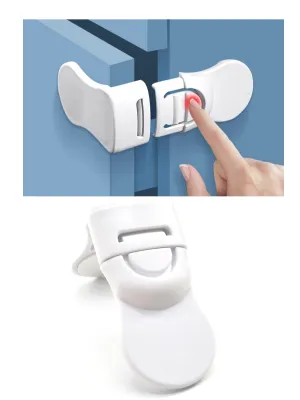
Prices are valid at publication and may change. Please refer to the product page for the latest price.
Adhesive Strength and Surface Compatibility In Singapore’s warm and highly humid climate, adhesive performance is a common point of failure for child safety locks. Standard double-sided tapes can soften and lose their grip when exposed to ambient moisture and heat. To ensure a reliable bond, prioritize locks that utilize high-performance acrylic foam tapes, such as genuine 3M VHB (Very High Bond) or equivalent industrial-grade adhesives specified by the manufacturer. It is also essential to match the adhesive to your specific cabinet finish. While acrylic adhesives bond exceptionally well to smooth, non-porous surfaces like high-gloss laminates, glass, and metal, they may require special care or alternative hardware-mounted options when applied to textured wood, painted surfaces, or delicate veneers that could peel upon removal.
Adult Usability vs. Child Resistance A reliable child lock must strike a delicate balance: it must be secure enough to resist a toddler’s persistent attempts to open it, yet intuitive enough for an adult to operate, often with only one hand free. Mechanisms that require dual-action movements—such as pressing two buttons simultaneously while sliding a latch, or using a magnetic key—are highly effective. These designs leverage fine motor skills and cognitive coordination that toddlers have not yet developed. Before committing to a specific lock type, consider how often you access the cabinet and whether the mechanism will cause daily frustration, which might lead to caregivers leaving the locks disengaged.
Safety Certifications Because child safety products are subject to rigorous testing standards, checking for recognized certifications is a crucial step in verifying reliability. Look for indications on the packaging that the product complies with international safety standards, such as the European standard EN 16948 (which specifies safety requirements and test methods for cupboard and drawer locking devices) or relevant ASTM standards. These certifications ensure the lock has undergone testing for mechanical strength, durability over repeated uses, and child resistance. Always treat certification claims as items to verify, checking the packaging for official logos, manufacturer details, and batch numbers.
Comparing Common Cabinet Lock Mechanisms
Magnetic Locks Magnetic cabinet locks are highly favored by homeowners who prefer a clean, minimalist aesthetic. These locks are installed entirely on the inside of the cabinet door or drawer, making them completely invisible from the exterior. They operate using a powerful magnetic key that, when placed against the outside of the door, releases the internal spring-loaded latch. This design is exceptionally secure because there are no visible parts for a toddler to pull, scratch, or investigate. However, they do require you to keep the magnetic key in a safe, high location out of reach, and misplacing the key can temporarily lock you out of your own cabinets. They are also limited by the thickness of the cabinet door, typically working best on doors up to 25mm to 35mm thick.

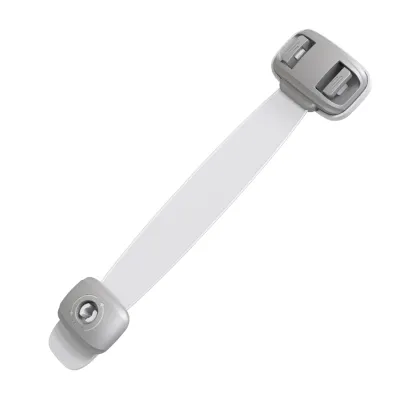
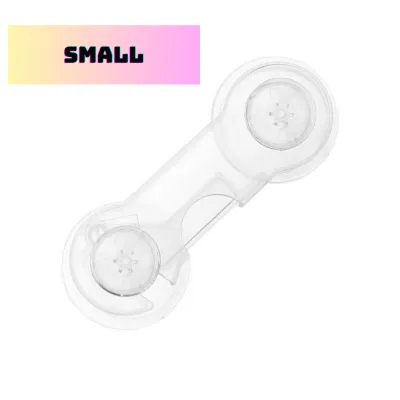
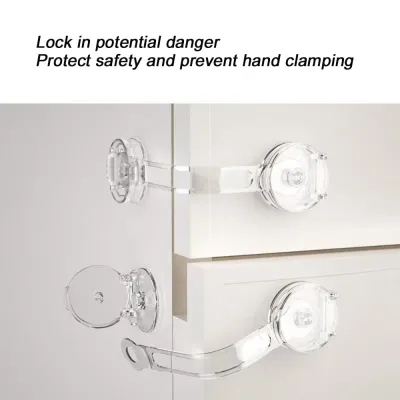
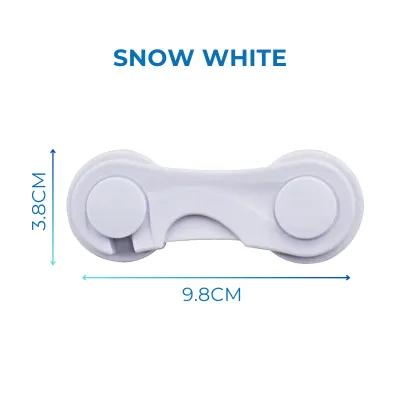
Adhesive Strap Locks Adhesive strap locks consist of a flexible plastic or silicone strap anchored by two adhesive pads. They are incredibly versatile and can be installed around corners, on curved surfaces, and across gaps, making them ideal for securing not only standard cabinets but also appliances like refrigerators, microwaves, and washing machines. Their flexibility allows them to fit almost any handle configuration. The primary drawback is their high visibility; because they are mounted on the exterior, they can disrupt the visual flow of your home and may attract the attention of curious toddlers who might pull on them repeatedly, eventually weakening the adhesive.
Sliding Latch and Catch Locks Sliding latch locks, often shaped like a U-bolt or a sliding bar, are designed specifically for double-door cabinets with adjacent D-shaped handles or round knobs. They work by looping through the handles and sliding a secure catch into place, physically preventing the doors from pulling apart. These locks require absolutely no adhesive or drilling, making them an excellent, damage-free option for rental properties in Singapore. They are highly durable and easy to pack when traveling. However, they are highly visible, can only be used on specific double-door configurations, and require manual removal and reinstallation every single time you open the cabinet.
Spring-Loaded Latches Spring-loaded latches are traditional mechanical locks installed inside the cabinet or drawer. When the drawer is pulled open slightly, the internal plastic hook catches on a barrier, preventing it from opening further. To open the drawer fully, an adult must press down on the flexible latch through the narrow gap. While highly reliable and inexpensive, they present a minor pinch hazard if a child attempts to slam the drawer shut on their fingers, and they typically require drilling screws into the interior of your cabinetry, which may not be suitable for rented homes or high-end custom furniture.
| Lock Type | Visibility | Installation Difficulty | Cabinet Compatibility | Primary Limitations |
|---|---|---|---|---|
| Magnetic Locks | Completely hidden | Moderate (requires alignment template) | Flat doors up to specified thickness | Requires keeping track of a magnetic key |
| Adhesive Strap Locks | Highly visible | Easy (peel-and-stick) | Corners, appliances, curved surfaces | Can be pulled off by older toddlers; leaves residue |
| Sliding Latch Locks | Highly visible | Very easy (no tools) | Double doors with knobs or D-handles | Only fits specific handle spacing; easily bypassed if loose |
| Spring-Loaded Latches | Partially hidden | Hard (requires screws/drilling) | Most standard drawers and cupboards | Requires drilling into cabinet interiors; small pinch risk |
Where to Buy and How to Verify Authenticity in Singapore
Official Brand Stores When sourcing cabinet child locks in Singapore, purchasing from verified flagship stores on major local ecommerce platforms is highly recommended. Buying directly from official brand stores or authorized distributors ensures you receive genuine products manufactured with high-quality, non-toxic materials and reliable adhesives. Avoid purchasing from unverified third-party sellers offering suspiciously low prices, as these products are often counterfeit and may use substandard plastics that break easily or adhesives that fail under minimal tension.
Physical Baby Safety Retailers For parents who prefer a hands-on approach, visiting specialized brick-and-mortar baby stores or safety showrooms in Singapore is an excellent option. Physically inspecting the locks allows you to feel the thickness of the plastic, test the stiffness of the spring mechanisms, and evaluate how easily you can operate the latch with one hand. Additionally, retail staff can often provide valuable advice on which lock models are best suited for typical Singaporean home layouts and cabinet styles.
Verifying Seller Credentials When shopping online, take the time to scrutinize seller ratings and read customer reviews carefully. Look for feedback from verified buyers in Singapore who have used the locks for several months. Pay close attention to reviews mentioning adhesive failure, broken latches, or difficulty with installation. A high volume of positive reviews specifically praising the durability of the adhesive in local humid conditions is a strong indicator of a reliable product. Red flags include listings with vague product descriptions, lack of brand names, or numerous complaints about missing parts.
Packaging and Label Checks Upon receiving your purchase, perform a thorough inspection of the packaging before installation. Genuine, high-quality child locks will feature professional packaging with clear manufacturer contact details, batch numbers, and explicit safety warnings. The box should also include detailed, step-by-step installation instructions and surface preparation guidelines. If the product arrives in a plain plastic bag with no branding, instructions, or safety labels, it may be a counterfeit or substandard item that does not meet safety regulations, and it should not be used.
Installation and Safety Checks for Caregivers
Surface Preparation Proper surface preparation is the single most critical factor in ensuring adhesive cabinet locks remain secure. Before applying any adhesive, clean the cabinet surface thoroughly to remove grease, dust, fingerprint oils, and cooking residue, which are especially common in Singaporean kitchens. Use rubbing alcohol (isopropyl alcohol) on a clean microfiber cloth to wipe down the installation area, and allow it to dry completely. Avoid using standard household surface cleaners or glass cleaners, as they often leave behind a thin, slick residue that prevents the adhesive from bonding correctly.
Curing Time and Initial Testing Once the adhesive lock is pressed firmly onto the prepared surface, it is vital to allow the adhesive to cure completely before subjecting it to any tension. Most high-performance adhesives require a full 24 hours to cure and reach their maximum bonding strength. During this curing period, leave the cabinet unlocked and avoid pulling on the mechanism. After 24 hours have passed, perform a gentle pull-test by tugging on the lock with moderate force to ensure the bond is secure. Skipping this step or testing the lock too early is the primary cause of premature adhesive failure.
Routine Maintenance Child locks are not “set-and-forget” solutions; they require regular inspection to ensure they continue to provide adequate protection. Establish a routine to check each lock in your home at least once a month. Inspect adhesive pads for any signs of peeling or lifting at the edges, and check plastic components for hairline cracks, warping, or discoloration. Test the mechanical operation to ensure latches spring back into place smoothly and magnetic keys engage reliably. If you notice any signs of wear, damage, or reduced grip, stop using the lock and replace it immediately.
Safe Removal Practices When your child has outgrown the need for cabinet locks, removing them safely without damaging your furniture requires patience. For adhesive-mounted locks, use a hairdryer on a low-heat setting to gently warm the adhesive backing, which softens the bond. Once warmed, slide a piece of dental floss, strong thread, or a flexible plastic scraper behind the lock to slice through the foam tape. Any remaining adhesive residue can be rubbed away gently with your fingers or treated with a mild, surface-safe adhesive remover. Always consult the manufacturer’s instructions for specific removal guidelines to avoid voiding furniture warranties or peeling off delicate wood veneers.
Frequently Asked Questions (FAQ)
Are magnetic cabinet locks safe for all types of furniture?
Magnetic cabinet locks are highly reliable but are not universally compatible with all furniture types. They rely on magnetic force passing through the cabinet door to release the internal latch, which means they are generally designed for standard wooden, MDF, or laminate doors up to a specific thickness—typically between 25mm and 35mm. They are not suitable for metal cabinets or drawers, as the metal will interfere with the magnetic field and prevent the lock from functioning. Additionally, if your cabinet doors are exceptionally thick, have heavy decorative molding, or feature metal reinforcement, the magnetic key may not be strong enough to disengage the latch. Always verify the manufacturer’s maximum door thickness specifications before purchasing.
How do I remove adhesive cabinet locks without damaging the wood?
To remove adhesive cabinet locks without damaging wood veneers, laminates, or painted finishes, you should avoid pulling or prying them off forcefully. Instead, apply gentle heat to the adhesive backing using a hairdryer on a low-to-medium setting for about one to two minutes to soften the glue. Once the adhesive is warm and pliable, take a piece of dental floss, fishing line, or a thin plastic card and gently slide it behind the lock, using a sawing motion to cut through the foam tape. Any leftover sticky residue can be rolled off with your thumb or cleaned with a small amount of mild dish soap or a specialized adhesive remover. Always test any cleaning agent on an inconspicuous area first and refer to the manufacturer’s removal instructions.
What safety certifications should I look for on the packaging?
When purchasing cabinet child locks, look for recognized international safety standards printed clearly on the packaging. The most common and respected standard for these products is the European standard EN 16948, which specifically tests the mechanical strength, durability, and child-resistance of cupboard and drawer locking devices. You may also see references to relevant ASTM (American Society for Testing and Materials) standards. A legitimate safety certification indicates that the product has undergone rigorous testing to ensure it can withstand repeated use and toddler tampering. Always verify that the packaging includes the manufacturer’s name, batch number, and clear safety warnings, and avoid products with tampered or unbranded packaging.

Community discussion
Share your experience or ask a question. Comments are reviewed before publication.