
Securing your home for a crawling or cruising toddler is one of the most critical steps in creating a safe environment, and choosing a reliable baby cabinet lock is central to this process. With curious toddlers developing physical strength and problem-solving skills rapidly, a lock must withstand constant pulling, shaking, and clever manipulation. To find the most reliable baby cabinet lock brand, you need to evaluate material durability, mechanism complexity, and how well the installation method suits your home’s cabinetry and climate.
In Singapore, where built-in kitchen cabinets, heavy laminate doors, and high-humidity environments are standard, selecting the right brand requires careful consideration. A lock that performs well in a dry climate might fail when exposed to tropical moisture, and a mechanism that works on a standard cabinet door might be useless on modern handle-less drawers. By understanding the specific engineering features that define a high-quality baby cabinet lock, you can make an informed decision that keeps your child safe from household hazards.
Why Lock Reliability Is Critical for Toddler Safety
Between the ages of 10 and 18 months, toddlers experience a surge in physical strength, fine motor skills, and cognitive curiosity. They quickly transition from simply touching cabinet doors to actively pulling, hanging, and shaking them to see what lies inside. This rapid development means that flimsy, low-quality locks will be subjected to sudden, high-force impacts that they are simply not engineered to withstand.
Products mentioned in this guide
![[Ship in 24 Hours] Baby Safety Lock Cupboard Lock Cabinet Locks Wardrobe Drawer Fridge Lock Child Safe Lock Kid Safety Door Latches Children Day Gifts](https://img.lazcdn.com/g/p/e09ea02a4ce08945db1e68c840159c92.jpg_400x400q80.jpg_.webp)
Prices are valid at publication and may change. Please refer to the product page for the latest price.
It is vital to understand the distinction between “child-resistant” and “child-proof” safety devices. No consumer lock is entirely child-proof; rather, they are designed to be child-resistant, creating a physical and cognitive barrier that delays access and gives caregivers crucial time to intervene. Relying on a lock as a substitute for active adult supervision is a significant safety risk, particularly when cabinets contain high-risk hazards such as cleaning detergents, medications, sharp knives, or heavy ceramic cookware.
Over time, daily wear and tear can cause low-grade safety locks to degrade silently. Plastic components can become brittle and snap under sudden pressure, while standard adhesives can gradually lose their grip, sliding off the mounting surface without warning. This gradual degradation creates a dangerous false sense of security, where parents assume a hazardous cabinet is locked when the mechanism is actually on the verge of failure.
How to Evaluate the Reliability of Cabinet Lock Brands
Evaluating a brand’s reliability before purchasing requires looking past marketing claims and focusing on tangible engineering indicators. By analyzing the materials used, the complexity of the locking mechanism, and the intended mounting method, you can identify which brands are built to last.

Material Durability and Build Quality
When reviewing product descriptions and packaging, prioritize brands that specify the use of high-quality, impact-resistant plastics, such as Acrylonitrile Butadiene Styrene (ABS) or Polyoxymethylene (POM). These engineering-grade plastics offer high tensile strength and dimensional stability, meaning they will not easily warp, crack, or snap when subjected to repeated physical force.
Avoid brands that utilize thin, brittle plastics or soft, low-grade silicone components that can stretch or tear. It is highly beneficial to check user reviews on online marketplaces for mentions of parts cracking under pressure, latch arms snapping, or toddlers successfully chewing through softer components. A reliable brand will have a track record of structural integrity under daily, real-world use.
Locking Mechanism Complexity
A reliable baby cabinet lock must balance adult convenience with toddler resistance. Look for brands that engineer dual-action or multi-step release mechanisms, which require two distinct physical actions to open, such as pressing two buttons on opposite sides of the device simultaneously while sliding a latch.
Toddlers are highly observant and learn by watching adult actions. Simple, single-button press locks or basic physical latches can often be bypassed by an older toddler who has mastered basic cause-and-effect problem-solving. Choosing a brand that incorporates hidden internal catches or complex dual-button systems ensures the lock remains secure even as your child’s cognitive skills advance.
Installation Methods and Surface Compatibility
The reliability of a lock is heavily dependent on how securely it attaches to your cabinetry. Adhesive-mounted locks are popular because they do not require drilling, making them ideal for rental properties or for protecting expensive wood veneers and high-gloss laminate finishes.
For high-risk cabinets containing heavy items or toxic substances, screw-mounted hardware locks offer permanent, mechanical reliability. Unlike adhesives, screw-mounted locks physically anchor the safety device to the cabinet’s wooden frame, eliminating the risk of chemical bond failure. When selecting a brand, ensure they provide clear, step-by-step installation instructions and high-quality mounting hardware to prevent wood splitting during installation.
Comparing Lock Mechanisms: Which Type Suits Your Cabinets?
Different cabinet styles and toddler behaviors require specific lock mechanisms. Selecting the wrong lock type for your specific hardware is a common cause of lock failure, regardless of the brand’s overall quality.
| Lock Type | Mechanism | Ideal Cabinet Hardware | Key Advantages | Potential Limitations |
|---|---|---|---|---|
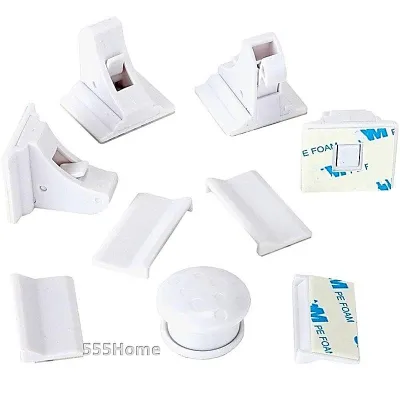
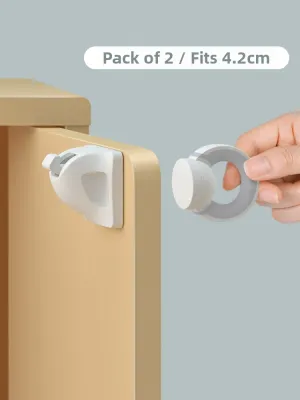
| Magnetic Locks | Internal latch released by an external magnetic key | Flush drawers, handle-less cabinets, modern kitchens | Completely hidden from view; cannot be reached or bypassed by toddlers | Requires disciplined key management; key is a potential choking hazard if misplaced |
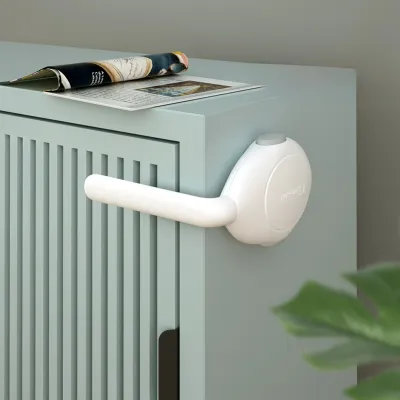
| Push-Button / Spring Locks | Internal hook catches on a mounted keeper; adult presses down to release | Standard cabinets with a structural frame or lip | Easy for adults to operate; out of direct sight | Door opens slightly before catching, risking finger pinches; observant toddlers may bypass |
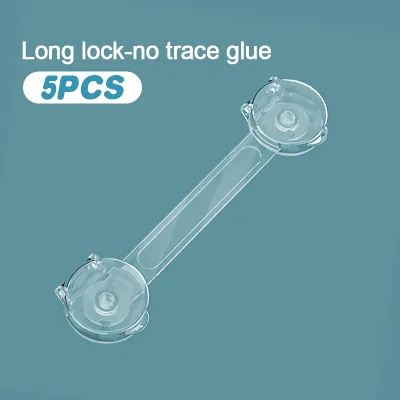
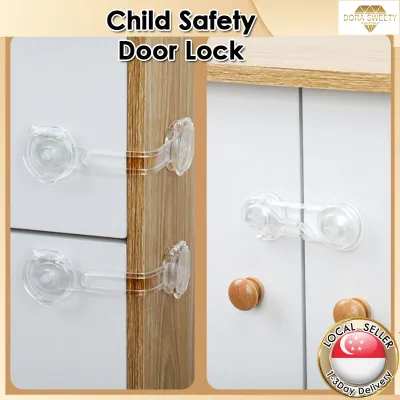
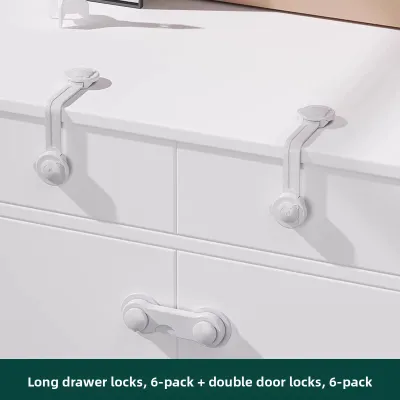
| Strap / Cord Locks | Flexible strap connects two adhesive-mounted anchor points | Double-door cabinets, curved surfaces, appliances | Highly versatile; can wrap around corners and large handles | Visually obtrusive; straps can stretch, degrade, or warp over time with heavy pulling |
Reputable safety brands engineer these mechanisms to address their inherent limitations. For example, high-quality spring locks often feature integrated finger-pinch guards that prevent the door from slamming shut on small hands, while premium magnetic locks utilize shielded magnetic catches to prevent demagnetization over years of use. When choosing a brand, look for these thoughtful engineering details that elevate a standard design into a highly reliable safety solution.
Ensuring Long-Term Security: Installation and Climate Considerations
Singapore’s tropical climate, characterized by high relative humidity and warm indoor temperatures, poses a unique challenge for adhesive-based baby safety locks. High humidity can cause standard adhesive backings to soften, lose their tackiness, and slide off cabinet surfaces under tension, leading to sudden lock failure.
To maximize the bond strength of adhesive locks in a humid environment, meticulous surface preparation is mandatory. First, thoroughly clean the mounting area with rubbing alcohol (isopropyl alcohol) to remove all traces of grease, cooking oils, dust, and fingerprint residue. Avoid using household glass cleaners or soapy water, as they can leave behind a thin film that prevents proper bonding. Allow the surface to dry completely before applying the adhesive pad. Press the lock firmly onto the cabinet surface for at least 30 seconds to activate the pressure-sensitive tape, and let the adhesive cure without any load or pulling force for at least 24 hours—or the exact duration specified by the manufacturer—before testing or using the lock.
Caregivers should establish a routine monthly maintenance checklist to inspect all installed safety locks. Regularly test the lock’s grip, check for early signs of adhesive peeling at the edges, and examine flexible straps for cracking or stretching. Replacing worn-out straps or refreshing adhesive pads before they fail completely is essential for maintaining a secure home environment.
If an adhesive lock fails repeatedly on a specific surface, such as textured wood, porous MDF, or moisture-prone under-sink cabinets, stop using the adhesive-based lock immediately. Switch to a mechanical, screw-mounted hardware lock or consult a professional carpenter or child-proofing specialist. Never use unverified industrial superglues or chemical adhesives to reinforce baby locks; these products can permanently ruin your cabinetry, release toxic volatile organic compounds (VOCs) into your living space, and may still fail to provide a certified safety bond.
Pre-Purchase Checklist: Verifying Brand Claims and Compatibility
Before purchasing a baby cabinet lock, parents should systematically verify the brand’s quality claims to ensure the product is compatible with their specific household needs.
- Verify Safety Certifications: Check the product packaging or manufacturer documentation for recognized safety standards, such as EN 14024 (the European standard for child-use and care articles) or ASTM standards. Ensure these certifications are current and issued by independent testing bodies.
- Analyze User Reviews: When browsing online marketplaces, filter reviews using critical search terms like "adhesive failure," "toddler figured it out," "snapped," or "broken plastic." This helps identify systemic design flaws or batches with poor quality control.
- Check for Replacement Parts: Choose brands that offer dedicated replacement kits, including extra magnetic keys, replacement adhesive pads, and spare straps. A brand that provides standalone replacement components demonstrates long-term product support and allows you to reuse or adjust locks without buying entirely new sets.
- Measure Cabinet Dimensions: Before purchasing, measure your cabinet's structural dimensions:
- Cabinet door lip thickness (to ensure internal latches can catch).
- Drawer depth and internal clearance (critical for magnetic and spring locks).
- Distance between double-door handles or knobs (to ensure strap locks are long enough).
- Incompatible dimensions are the leading cause of perceived "brand failure," where a high-quality lock is blamed for not fitting a cabinet it was never designed to secure.
Frequently Asked Questions (FAQ)
Are magnetic cabinet locks safe if my baby swallows the key?
No, magnetic keys pose an extreme medical emergency if swallowed. While the lock mechanism itself is safely enclosed inside the cabinet, the external magnetic key is a high-risk item. If a child swallows a powerful magnet along with another magnet or a piece of metal, the objects can attract each other through the intestinal walls, causing severe internal tissue damage, perforations, or life-threatening blockages. Always store magnetic keys on high, out-of-reach metallic surfaces (like the top of your refrigerator) and never leave them unattended. If you suspect your child has swallowed a magnetic key or any small magnetic component, seek immediate emergency medical attention at the nearest hospital.
Can I use baby cabinet locks on drawers with no handles?
Yes, drawers with flat, handle-less, or recessed fronts can be secured, but standard strap locks that wrap around handles are completely unsuitable for these designs. Instead, you must select internal magnetic locks or internal spring-loaded push locks that mount entirely inside the drawer frame. Before purchasing, check the manufacturer’s specifications to verify the minimum flat surface area required for mounting the internal catch and ensure your drawer’s internal clearance meets the brand’s exact depth requirements.

Community discussion
Share your experience or ask a question. Comments are reviewed before publication.