
Finding the right refrigerator child lock in Singapore requires looking beyond standard cabinet latches. Because a refrigerator operates under constant thermal contrast, has a strong magnetic seal, and features non-porous surfaces like stainless steel or glass, standard adhesive locks often fail. The ideal solution is a specialized refrigerator child lock designed to withstand high humidity, resist the heavy pulling force of a magnetic door, and remain easy for adults to operate with one hand while holding groceries.
In Singapore’s tropical climate, home kitchens—especially in high-rise HDB flats and condominiums—frequently experience elevated humidity and temperature fluctuations during cooking. These environmental factors place immense stress on pressure-sensitive adhesives. A lock that works perfectly on a dry wooden cabinet in a climate-controlled room may quickly peel off a cold, damp refrigerator door.
Securing your refrigerator is not just about protecting your food or preventing messy spills; it is a critical safety measure to prevent toddlers from accessing glass jars, heavy bottles, or potentially hazardous items. This guide outlines how to evaluate different locking mechanisms, prepare your appliance surface for maximum bond strength, and safely maintain or remove the lock without damaging your refrigerator’s finish.
Products mentioned in this guide
![[SG Local Stock] Baby Safety Lock Childrens Anti-pinch Safety Lock Catch Anti-collision Premium Safety Locks Self-adhesive Baby Safety Buckle For Cabinet Drawer Fridge Door Wardrobe Children Day Gifts](https://img.lazcdn.com/g/p/638abdf5a97199a85681991ebc624026.jpg_400x400q80.jpg_.webp)
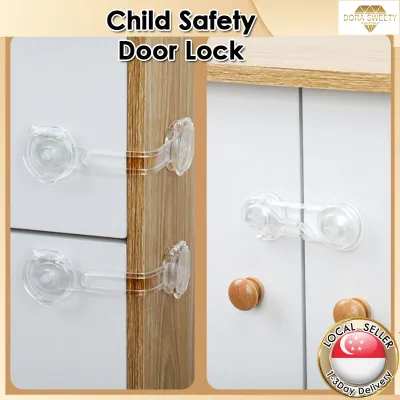
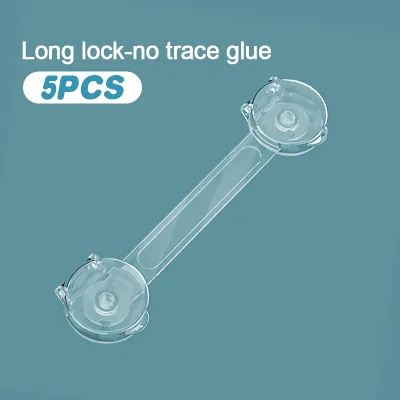
Prices are valid at publication and may change. Please refer to the product page for the latest price.
Why Standard Cabinet Locks Often Fail on Refrigerators
Standard cabinets are typically constructed from wood, laminate, or MDF, which provide a stable, porous surface for standard adhesives to grip. Refrigerators, by contrast, feature non-porous materials such as brushed stainless steel, powder-coated metal, tempered glass, or textured plastics. Adhesives behave differently on these cold, smooth surfaces, often failing to form a deep chemical bond, which allows the lock to slide off under lateral pressure.
The temperature differential between the cold interior of the appliance and the warm, humid air of a Singapore kitchen creates a unique physical challenge. This contrast can cause micro-condensation to form along the door seams and surface edges. Moisture is the natural enemy of standard pressure-sensitive adhesives, gradually seeping under the tape and causing it to lose tackiness and peel away prematurely.
Opening a refrigerator requires overcoming the vacuum-like pull of the magnetic gasket that seals the door shut. When a toddler pulls on a locked fridge door, they are not just pulling against a loose hinge; they are applying sudden, high-impact force to break that magnetic seal. Standard plastic latches or thin adhesive pads are not engineered to absorb this level of sudden tension and frequently snap or shear off at the base.
Furthermore, the physical design of modern refrigerators often includes curved doors, recessed handles, or wide gaps between the door and the main chassis. Standard cabinet locks are designed for flush, flat surfaces with minimal gaps. Attempting to stretch or bend a standard lock to fit these complex appliance geometries puts constant mechanical stress on the lock even when it is not being pulled, leading to rapid failure.
Key Features to Evaluate Before Buying a Fridge Lock
When shopping for a refrigerator child lock, look for products that specify high-temperature and high-humidity resistance on their labels. Acrylic-based pressure-sensitive adhesives (such as heavy-duty foam tapes) generally perform better on metal surfaces under humid conditions than standard rubber-based adhesives. Check the product packaging for temperature tolerance ranges to ensure the adhesive can withstand the warm environment of a kitchen.

A kitchen is a high-traffic area, meaning you will need to access the refrigerator dozens of times a day, often with one hand full of ingredients or a baby on your hip. The lock mechanism must allow smooth, one-handed adult operation—such as a dual-button squeeze or a sliding release—while remaining too complex or physically demanding for a toddler’s smaller hands and lower grip strength. Avoid overly complex mechanisms that require two hands, as they quickly become frustrating during daily meal preparation.
Since these locks are placed on food storage appliances, verify that the materials are non-toxic and free from harmful plasticizers. Look for manufacturer declarations regarding BPA-free plastics and compliance with standard consumer product safety guidelines. Do not take generic safety claims at face value; check the product specifications for verified material listings to ensure no harmful chemicals can transfer to your hands or food.
Because many families in Singapore live in rental properties or plan to upgrade their appliances eventually, preserving the fridge’s exterior is crucial. Look for products that explicitly guarantee residue-free removal or specify that they use non-damaging adhesives. Terms like “removable acrylic tape” or “clean-peel adhesive” are good indicators, but always verify the recommended removal process before purchasing to avoid costly damage to your appliance’s finish.
While budget-friendly options on online marketplaces may cost under S$10, investing in a high-quality, humidity-resistant lock is more cost-effective than replacing damaged appliance finishes or dealing with repeated lock failures. Prioritize durability and material quality over the lowest price point to ensure long-term safety and convenience.
Comparing Common Locking Mechanisms for Refrigerator Doors
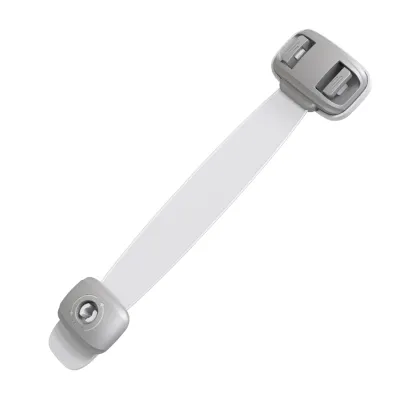
Strap locks with adjustable buckles consist of a flexible plastic or fabric strap anchored by two adhesive plates. They are highly versatile and work exceptionally well for side-by-side doors, French door configurations, or securing a door to the side chassis. The flexibility of the strap absorbs the initial pulling force, reducing the direct stress on the adhesive anchors and allowing the lock to conform to curved surfaces.
Sliding latch locks feature a rigid plastic bar that slides into a locking sleeve. They are best suited for single-door refrigerators with flat front surfaces where the door and the frame are perfectly flush. However, they have strict alignment requirements; if your refrigerator has curved doors or a significant gap between the door and the frame, a rigid sliding latch may not align properly, leading to mechanical failure or incomplete locking.
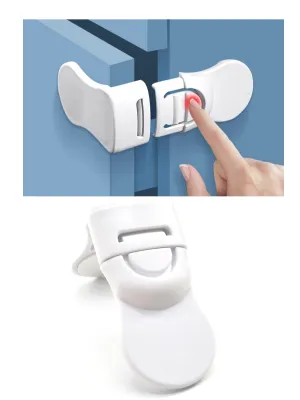
Dual-button push locks are compact units that mount directly across the door seam. To open, an adult must press two buttons simultaneously while pulling. This design is highly effective against the strong magnetic pull of the fridge because the lock itself remains rigid and does not stretch. However, they require precise installation to ensure the buttons can be easily reached and pressed by adults but remain out of a toddler’s physical capability.
To help you choose the right design for your kitchen, consider this comparison of the most common locking mechanisms:
| Lock Type | Handle & Door Compatibility | Ease of Adult Use | Toddler Resistance |
|---|---|---|---|
| Flexible Strap Locks | Side-by-side, French doors, top-freezer, and curved surfaces | Moderate (requires releasing a buckle or strap latch) | High (absorbs pulling force and keeps mechanism complex) |
| Sliding Latch Locks | Flat single doors, recessed handles; poor for curved surfaces | High (simple sliding motion for adults) | Moderate (determined toddlers may slide it if not double-locked) |
| Dual-Button Push Locks | Single doors, flush-fitting frames; not suitable for wide gaps | High (one-handed squeeze release) | High (requires dual-finger coordination and grip strength) |
Surface Preparation and Installation Steps
Proper surface preparation is the single most important factor in adhesive longevity. For stainless steel or painted metal refrigerators, clean the application area thoroughly using isopropyl alcohol diluted with water, or a mild dish soap solution. Avoid using abrasive scrubbing pads, glass cleaners with ammonia, or heavy solvent cleaners, as these can strip the protective clear coat on stainless steel or leave a chemical residue that prevents the adhesive from bonding.
After cleaning, wipe the surface with a clean microfiber cloth and allow it to air-dry completely. Once you apply the adhesive lock, press and hold it firmly for at least 30 seconds to activate the pressure-sensitive bond. Crucially, do not test or pull on the lock immediately; most high-quality adhesives require a full 24 hours to cure and reach maximum bond strength. Keep the lock disengaged during this curing period to avoid premature tension.
Position the lock high enough to be completely out of your toddler’s reach and, if possible, out of their direct line of sight. Toddlers learn by imitation; if they constantly watch you operate the lock at eye level, they will attempt to mimic the action. Placing the lock near the top edge of the refrigerator door keeps it ergonomically accessible for adults while keeping it secure from curious hands.
Before installing any adhesive or mechanical lock, consult your refrigerator’s user manual. Some high-end appliances feature specialized anti-fingerprint coatings or delicate glass panels that can be permanently damaged by strong adhesives. If your appliance is under warranty, verify that adding external aftermarket accessories does not void the service agreement or damage the surface finish.
Maintenance, Troubleshooting, and Safe Removal
Over time, the combination of kitchen humidity, cleaning routines, and daily pulling will wear down any child lock. Perform a weekly check by gently tugging on the lock body to ensure the adhesive plates are not lifting at the edges. Inspect the plastic hinges and buttons for hairline cracks or signs of stress whitening, which indicate the material is fatiguing and needs replacement before it fails completely.
When wiping down your refrigerator, avoid letting water or liquid cleaners pool around the edges of the adhesive pads. Moisture can seep underneath the tape, gradually dissolving the bond. Clean around the lock with a damp cloth and dry the area immediately to prevent moisture buildup and mold growth under the adhesive pad.
When your child has outgrown the need for a refrigerator child lock, do not try to rip it off forcefully, as this can dent the metal or peel the paint. Instead, use a hair dryer on a low, warm setting to gently heat the adhesive pad for 30 to 60 seconds to soften the acrylic bond. Slide a piece of dental floss or strong fishing line behind the pad and use a sawing motion to slice through the softened adhesive.
If you encounter stubborn adhesive residue that does not respond to warm soapy water or a mild oil-based cleaner, stop before using metal scrapers or harsh chemical solvents. Consult a professional appliance technician or the manufacturer’s customer service line to identify a safe solvent that will not degrade your specific refrigerator finish.
Frequently Asked Questions (FAQ)
Can I use suction cup locks on a stainless steel refrigerator?
Suction cup locks are generally unsuitable for stainless steel refrigerators. Suction mechanisms require an absolute vacuum to hold weight, which is only possible on perfectly smooth, non-porous surfaces like polished glass or high-gloss glazed tile. Most stainless steel appliances feature a brushed finish with microscopic ridges, or an anti-fingerprint texture. These tiny imperfections allow air to slowly seep under the suction cup, causing the lock to fail under minimal pulling force.
What should I do if the adhesive leaves a residue on my fridge?
If adhesive residue remains after removing your refrigerator child lock, start with the gentlest method first. Apply a few drops of cooking oil, eucalyptus oil, or a specialized baby-safe adhesive remover to the residue and let it sit for a few minutes to soften the glue. Wipe it away with a soft microfiber cloth. Never use metal scrapers, steel wool, or abrasive scouring pads, as these will permanently scratch stainless steel and strip painted finishes. Always check your appliance manual for approved cleaning agents.
Are smart or electronic fridge locks worth considering?
Smart or electronic locks can offer high security, but they require careful evaluation before installation. These devices typically rely on battery power or external power sources, and their locking mechanisms must be perfectly aligned to avoid putting pressure on the refrigerator’s door gaskets. If an electronic lock prevents the door from sealing completely, it can lead to temperature drops, food spoilage, and increased energy consumption. Always verify compatibility with your specific refrigerator model and ensure the lock does not interfere with the appliance’s magnetic seal.

Community discussion
Share your experience or ask a question. Comments are reviewed before publication.