
Protecting your curious toddler from electrical hazards in a Singapore home requires a clear understanding of the local electrical infrastructure. Singapore standardizes on the Type G socket, a robust three-pin rectangular configuration operating at 230V. Because these sockets feature a built-in safety shutter mechanism triggered by the top grounding pin, choosing the right plug cover cap involves more than just buying a generic plastic insert. The most effective baby-proofing strategy combines different cover designs—such as full socket lock boxes, sliding faceplates, and plug-in pin caps—tailored to your child’s developmental stage and the specific location of each outlet.
When babies begin to crawl and explore, low-lying wall outlets in living rooms and bedrooms become immediate points of interest. While the inherent shutter design of Type G outlets offers some protection, it is not foolproof against persistent toddlers attempting to insert slim objects. Implementing physical barriers specifically engineered for the rectangular dimensions of local outlets ensures a reliable layer of safety. By evaluating the physical layout of your home and matching the protection level to the accessibility of each socket, you can establish a secure environment without compromising the daily functionality of your household appliances.
Key Safety and Compatibility Criteria for Type G Sockets
Before purchasing any protective covers, you must understand the unique physical characteristics of the Type G socket. Unlike round-pin configurations common in other regions, the Type G outlet features three flat, rectangular slots arranged in a triangle. Any plug cover cap you select must match these exact dimensions, pin thicknesses, and spacing. A poorly fitting cover can sit loosely in the socket, making it incredibly easy for a child to pull out, or it may sit too tightly, potentially damaging the internal brass contacts or the safety shutter mechanism when forced inside.
Products mentioned in this guide
![[Local Seller!] Baby Safety Electrical UK 3pin Power Outlets Socket Cover Plug Caps Japan Brand KM1037 - 5pcs](https://img.lazcdn.com/g/p/ea9601dbec0eaea46fd1122e080ef0b2.jpg_400x400q80.jpg_.webp)
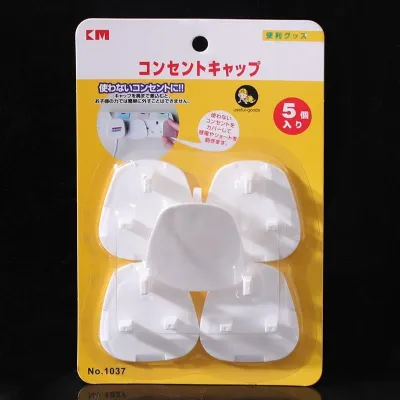
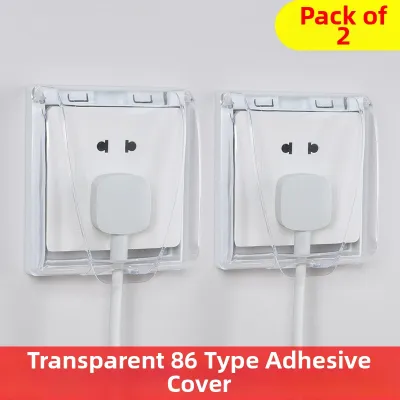
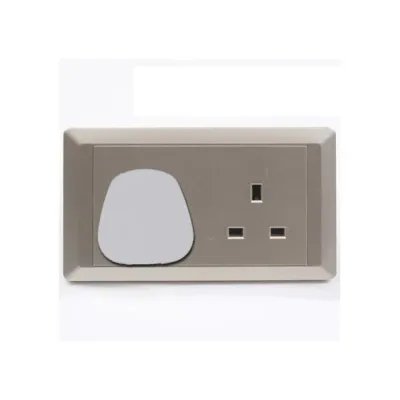
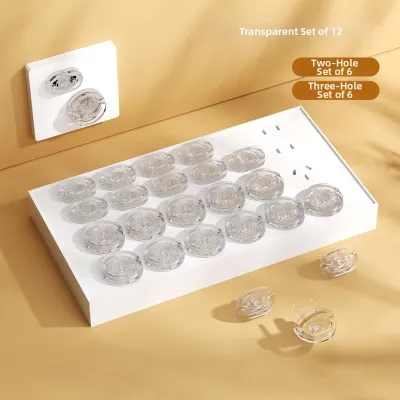
![Steve & Leif Safety Plug Cover White 4Pcs [Min Purchase 3]](https://img.lazcdn.com/g/p/3edf4abff6cbe12ede78eb0ba18e0ad1.jpg_400x400q80.jpg_.webp)
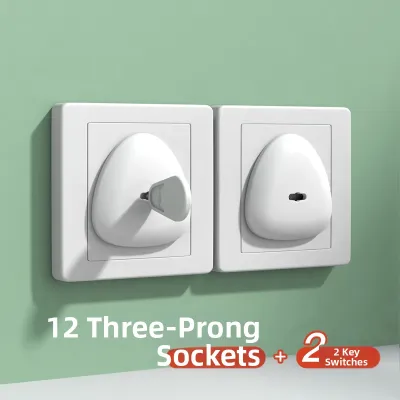
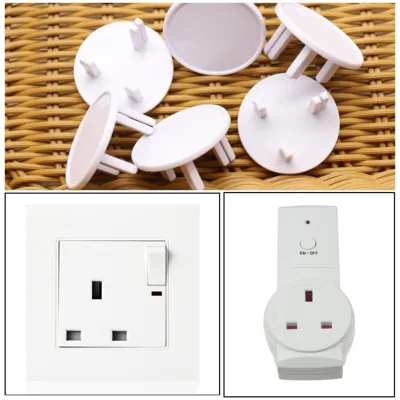
Prices are valid at publication and may change. Please refer to the product page for the latest price.
Another critical factor is the physical size of the cover, particularly for removable plug-in pin caps. You must evaluate any removable part against standard choking hazard dimensions. If a cap is small enough to fit entirely inside a standard choking tester cylinder (approximately 31.7 mm in diameter), it poses a severe risk if a toddler manages to pry it loose. Opting for larger, one-piece designs that cover the entire faceplate or feature extended tabs can significantly reduce this hazard.
The material composition of the cover directly influences its long-term safety and durability. Singapore’s warm, humid tropical climate can accelerate the degradation of low-quality plastics, making them brittle over time. Look for impact-resistant, flame-retardant, and non-toxic plastics, such as high-grade polycarbonate or ABS, explicitly specified on the product packaging. Avoid generic, unbranded plastics that do not state their material properties, as these can crack under pressure or degrade when exposed to minor electrical warmth.
Finally, analyze the removal mechanism from an adult’s perspective versus a child’s physical capabilities. Toddlers rapidly develop fine motor skills, including the pincer grasp, which allows them to pinch and pull small objects. A safe plug cover cap must require a level of force, coordination, or a specific tool that a young child cannot replicate. Designs that require a dual-action squeeze, a dedicated plastic key, or the insertion of an actual plug to unlock are highly preferable for active, accessible areas.
Recommended Plug Cover Cap Designs for Type G Sockets
No single baby-proofing design is perfect for every room or appliance in your home. Achieving comprehensive electrical safety usually requires a mixed approach, deploying different styles of covers depending on how often you need to access the socket and where it is located.

Plug-In Pin Caps
Plug-in pin caps are individual plastic inserts that mimic the three-pin layout of a Type G plug, filling the socket holes completely. These are best suited for low-traffic areas, such as sockets located behind heavy wardrobes, high up on walls for air conditioning units, or in spare rooms where adults rarely need to plug in appliances. Because they sit flush against the outlet face, they are visually unobtrusive and prevent dust accumulation alongside child access.
However, these caps have distinct limitations. As toddlers grow, their problem-solving skills and finger strength improve, enabling some children to eventually pry out basic, flat-faced pin caps. To mitigate this risk, perform a strict buying check before purchasing. Ensure the pin cap either requires a specialized extraction tool (often a plastic key included in the pack) or features a deeply recessed grip design that cannot be gripped by tiny fingernails but can be pinched firmly by an adult.
Sliding Socket Faceplates
Sliding socket faceplates offer an integrated, semi-permanent solution for frequently used outlets. These plates replace your existing wall socket cover with a spring-loaded mechanism. When you want to plug in an appliance, you insert the plug pins into the cover, slide it to align with the actual socket holes, and push it in. When you unplug the appliance, the cover automatically slides back into the closed position, instantly blocking access.
This design is ideal for high-use areas like living room entertainment centers, kitchen counters, or study desks where chargers are constantly plugged and unplugged. The primary limitation is that installation requires replacing the physical faceplate, which involves basic electrical work and isolating the power. This may not be feasible for families living in rented apartments with strict tenancy agreements, or in older properties with non-standard wall boxes. When buying, verify that the sliding mechanism is robust and that the faceplate dimensions match standard local single or double gang wall boxes.
Full Socket Lock Boxes
Full socket lock boxes are heavy-duty plastic enclosures that mount directly over the entire outlet, enclosing both the socket and any plugged-in cables. These boxes feature a hinged lid that latches securely, preventing children from reaching the plugs or pulling them out of the wall. They are highly recommended for high-risk areas where essential appliances—such as air purifiers, fans, refrigerators, or media consoles—must remain plugged in continuously.
While highly effective, lock boxes are physically bulky and can disrupt the aesthetic of your living space. They may also present compatibility issues with tightly clustered double or triple socket configurations, potentially blocking adjacent light switches or neighboring outlets. Before buying, carefully measure the internal cavity of the lock box to ensure it can accommodate the specific depth and cable exit angle of your appliance plugs, and check that the box features secure, narrow cable exit slots that prevent a child’s fingers from reaching inside.
Building Your Baby-Proofing Shortlist: What to Check Before Buying
When shopping on online marketplaces or visiting local baby specialty stores, you will encounter hundreds of electrical safety products. To build a reliable shortlist, you must look past generic marketing claims and perform systematic checks on product specifications.
First, verify the packaging details carefully. Many online listings use generic terms like “universal plug cover cap” or show images of two-pin round covers. Ensure the product description or packaging explicitly states compatibility with “Type G” or “UK 3-pin” sockets. Universal covers often fit poorly in local outlets, leaving gaps that a child can exploit or failing to engage the grounding shutter correctly.
Second, look for recognized safety certification marks on the packaging. While various international standards exist, verifying that a product has undergone rigorous safety and material testing gives you peace of mind regarding its flame-retardant properties and structural integrity. Avoid unbranded, cheap bulk packs that lack clear manufacturer details or safety labels.
Third, leverage user reviews to identify real-world performance issues. When browsing online platforms, filter customer feedback using keywords such as “loose,” “brittle,” “easy to remove,” or “broke.” Pay close attention to reviews from local buyers, as they will often comment on how well the cover fits standard wall brands commonly installed in local residential estates. If multiple reviews mention that toddlers easily bypassed the mechanism, remove that product from your shortlist.
Finally, plan your quantities systematically before placing an order. Walk through every room in your home and count the exact number of unused and active sockets, noting their heights and proximity to furniture. Buying matching sets from a single reputable manufacturer ensures consistent fit and quality, and prevents you from having to mix incompatible cover types that might require different keys or removal techniques.
Safe Installation and Ongoing Maintenance Checks
Installing baby-proofing gear is only the first step; maintaining its physical integrity over time is crucial for continuous protection. For basic plug-in pin caps and lock boxes, installation is straightforward and requires no tools. However, if you choose to install sliding socket faceplates, you must prioritize electrical safety. Always turn off the main power supply at your home’s distribution board (DB box) before unscrewing any electrical plates. Use a reliable voltage tester to confirm the socket is completely dead before proceeding. If you encounter outdated wiring, damaged wall boxes, or feel unsure about the process, always consult a licensed electrical professional to complete the installation.
Establish a routine inspection schedule, ideally once a month, to check the condition of all installed covers. Inspect plastic components for signs of stress, such as discoloration, hairline cracks, or warping caused by ambient heat or humidity. Check that sliding faceplates still snap back smoothly and completely. For plug-in caps, test the tightness of the fit; if a cap has become loose or the extraction tool is showing signs of wear, replace it immediately.
Knowing when to stop using a specific cover is just as important as installing it. If your child demonstrates the cognitive ability or physical strength to bypass a cover—such as figuring out how to slide a faceplate or pry out a pin cap—that specific barrier is no longer effective. At this point, you must upgrade to a more secure design, such as a full lock box, or implement alternative safety measures like blocking the outlet with heavy furniture or teaching active boundaries.
Frequently Asked Questions (FAQ)
Are clear plug caps safer than colored ones?
Clear plug caps are generally considered safer because they blend seamlessly into the white or off-white wall plates common in most homes. Brightly colored or cartoon-themed caps can inadvertently attract a baby’s attention, turning a safety device into an appealing toy. However, visual profile is secondary to physical security. The primary safety factors remain the tightness of the fit, the quality of the flame-retardant material, and the difficulty of the removal mechanism. A clear cap that fits loosely is far more dangerous than a colored cap that fits securely and requires a key to remove.
Can I use tape as a temporary plug cover?
You should strongly avoid using household tape, such as masking tape, duct tape, or packaging tape, as a temporary socket cover. Tape adhesives can degrade quickly in humid climates, leaving a sticky residue that attracts dust and can interfere with the electrical contacts inside the socket. Furthermore, if tape is applied over an active socket or near a warm appliance plug, it can pose a serious fire hazard. Toddlers can also easily peel tape off, presenting a choking hazard if they put the sticky plastic or paper into their mouths.
Do I need to cover sockets behind heavy furniture?
Yes, covering sockets behind heavy furniture is a highly recommended precaution. While large wardrobes, sofas, or television consoles block direct access, furniture can shift over time, or curious crawling babies may attempt to squeeze into the narrow gaps behind them. For these restricted spaces, low-profile plug-in pin caps are the ideal choice. They prevent dust buildup in unused outlets—which can be a fire hazard—and ensure that if your child does manage to reach behind the furniture, the live electrical contacts remain completely protected.

Community discussion
Share your experience or ask a question. Comments are reviewed before publication.