
Finding the right tape diaper in Singapore’s warm, humid climate requires balancing absorbency, fit, material softness, and skin protection. While Rascals has gained popularity for its modern design and focus on sensitive skin, established brands like Pampers, Huggies, and Mamypoko remain household staples with distinct structural advantages. Comparing these brands involves looking beyond general reputation to examine specific product lines, material certifications, and how well each diaper’s physical design matches your baby’s unique shape and activity level.
Parents must evaluate how each brand addresses leak prevention, breathability, and ease of use. This comparison guide outlines the key performance indicators to look for on diaper packaging, breaks down the typical design philosophies of Rascals, Pampers, Huggies, and Mamypoko, and provides a practical framework to help you choose the best fit for your baby’s daily routine and developmental stage.
Key Performance Factors to Compare
When evaluating tape diapers, the primary goal is to support your baby’s comfort and skin health while minimizing leaks during active daytime play and overnight sleep. In Singapore’s humid environment, trapped moisture can quickly lead to skin irritation, making breathability and surface dryness top priorities. Look for packaging indicators specifying multi-layer ventilation or breathable outer covers, which allow heat and moisture to escape while keeping liquid contained.
Products mentioned in this guide
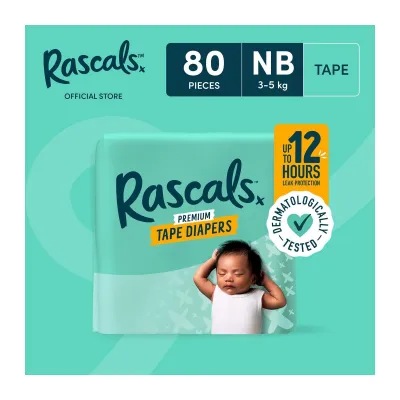
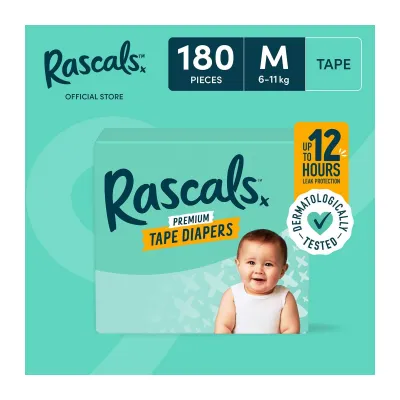
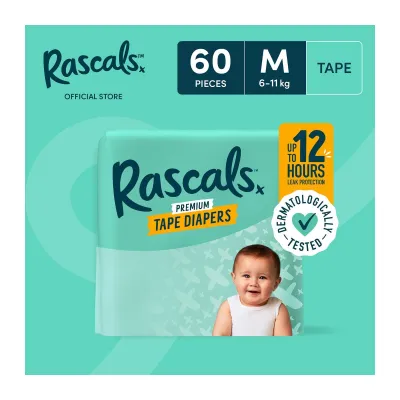
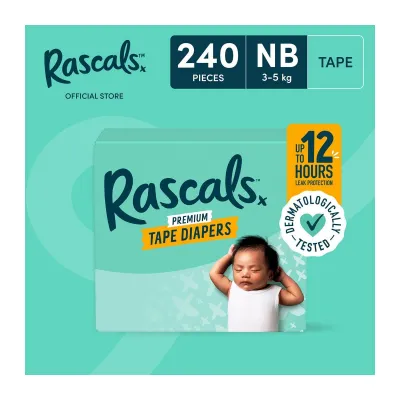
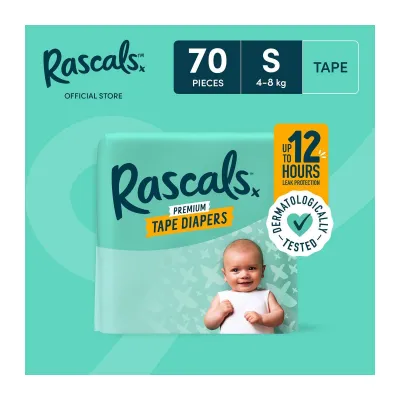
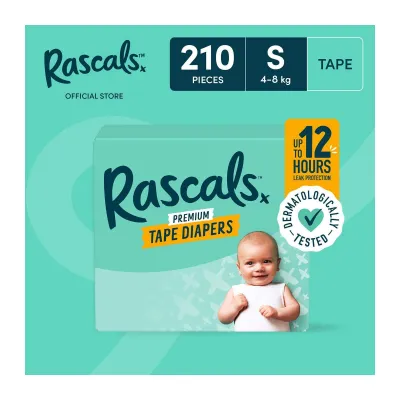
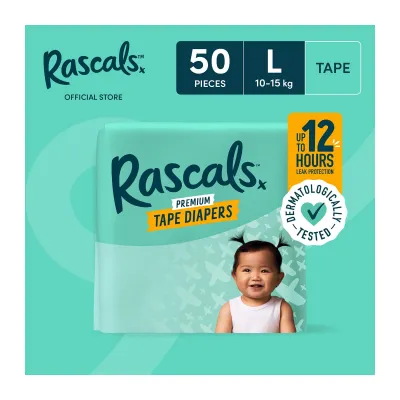
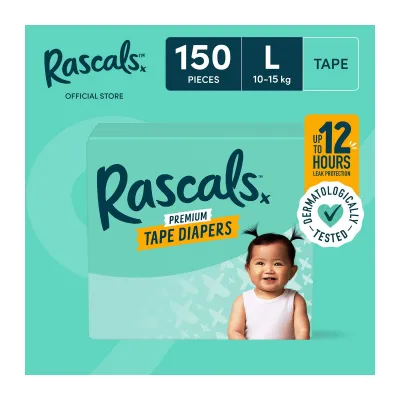
Prices are valid at publication and may change. Please refer to the product page for the latest price.
Absorbency mechanisms are equally vital and vary significantly across brands. Look for details on core technology, such as superabsorbent polymers or channel designs that distribute liquid evenly to prevent sagging. A diaper’s structural design, including the height of the inner leak guards and the elasticity of the waistband, plays a major role in containing sudden messes.
Fit and sizing consistency can differ between manufacturers, meaning a medium size in one brand may fit differently than a medium in another. Examine how the leg cuffs are shaped; flexible, double-layered barriers help accommodate chubby thighs without leaving deep red marks. Additionally, the waistband design—whether it features a stretchy back panel or relies entirely on elasticated fastening tabs—determines how snugly the diaper sits against your baby’s back to prevent blowouts.
Practical features can simplify daily diapering routines. High-contrast wetness indicators that change color when wet help caregivers monitor diaper status without unnecessary peeling. Repositionable fastening tabs are also essential, allowing you to adjust the fit multiple times as your baby moves, or to check for wetness and securely re-fasten the diaper if it is still dry.
Evaluating Rascals, Pampers, Huggies, and Mamypoko
To make a fair comparison, understand that diaper performance is highly dependent on the specific product variant rather than the brand name alone. Most major manufacturers offer multiple tiers, ranging from standard everyday lines to premium or highly specialized variants. When browsing shelves or online listings, always read the specific material claims and structural features detailed on the packaging of that exact product line.

Sizing consistency is another factor requiring physical verification. Because babies grow at different rates and possess unique body shapes, relying solely on age recommendations can lead to poor fit and frequent leaks. Inspect the physical packaging for detailed weight ranges and look for visual guides on the fastening zones, which help you determine if the diaper is becoming too small or if you need to adjust the tabs.
Rascals Tape Diapers
Rascals tape diapers are generally designed with a focus on a generous, high-waist fit and a soft, cloth-like feel. When examining Rascals packaging, look for claims highlighting a deep pocket design and an extra-high waistband, which are intended to provide comprehensive coverage and contain back leaks. The brand typically emphasizes a minimalist aesthetic and materials that feel exceptionally smooth to the touch, aiming to reduce friction against delicate skin.
Verify the official weight range printed on the box, as Rascals diapers often feature a wider, more accommodating cut compared to traditional slim-fit brands. Parents of babies with highly sensitive skin should look for specific dermatological labels, hypoallergenic certifications, or fragrance-free declarations on the packaging. Check these labels directly to confirm they meet your standards before introducing the diaper to your baby’s routine.
Pampers
Pampers tape diapers are widely recognized for their focus on slim profiles and rapid liquid distribution. When evaluating Pampers variants, look for packaging details explaining their channel technology, which is designed to draw wetness away from the surface quickly and distribute it evenly across the core. Most Pampers tape lines feature a distinct wetness indicator line that transitions color, making it easy for caregivers to perform quick visual checks.
The waistband and fastening system on Pampers diapers typically rely on highly stretchable sides and soft, rounded tabs that conform closely to a baby’s natural contours. This design is often favored for babies with a leaner build, as it minimizes bulk while maintaining a secure seal. Compare their premium lines, which often emphasize extra softness, against their standard lines to decide which level of skin protection and budget alignment fits your household.
Huggies
Huggies tape diapers frequently emphasize robust structural barriers and active leak protection. When inspecting a pack of Huggies, pay close attention to the design of the leg cuffs and the pocketed waistband at the back. These features are engineered to catch runny messes and prevent them from escaping during movement. The fastening tabs are designed with strong grip technology, ensuring they stay firmly in place even when a baby begins to roll or crawl.
Material texture and breathability are also key focus areas for Huggies, with packaging highlighting textured liners that help absorb liquid quickly while keeping solid waste away from the skin. Verify the breathability claims on the label, looking for mentions of micro-pores or air-friendly outer covers that help manage skin temperature in Singapore’s humid climate.
Mamypoko
Mamypoko tape diapers are traditionally characterized by substantial padding and high-capacity absorbency cores. When assessing Mamypoko packaging, look for descriptions of multi-layer absorption zones designed to hold significant volumes of liquid over extended periods. This makes them a common consideration for overnight use or longer outings where immediate changes might be challenging.
The material feel of Mamypoko diapers tends to lean toward a plush, cushioned texture, providing a soft barrier against the skin. However, because of the thicker core design, check the sizing fit carefully around the thighs and waist. Ensure the elastic gathers are fully extended outward when putting the diaper on your baby to prevent gaps, and verify that the thicker padding does not restrict your baby’s natural leg movements.
Decision Framework: Matching the Brand to Your Baby
Selecting the right diaper brand is about matching a diaper’s design strengths to your baby’s body shape, skin sensitivity, and activity level.
Consider Rascals if your baby has sensitive skin and you prefer a soft, cloth-like texture, a high waistband, and a wider cut. This option is suitable if you prioritize minimalist designs and have verified that local retailers or online official stores have consistent stock of your baby’s size.
Opt for Pampers if you prefer a slim, lightweight diaper with highly flexible side panels that conform well to leaner babies. This brand is suitable if you rely on clear wetness indicators and require a widely available option that you can easily purchase at local supermarkets.
Select Huggies if your baby is highly active, constantly rolling, or beginning to crawl, and you require robust leg barriers and a pocketed waistband to contain sudden blowouts. The strong fastening tabs and structured leg cuffs make this a reliable choice for active daytime wear.
Choose Mamypoko if your primary requirement is a thick, high-capacity core designed to handle large volumes of liquid, making it a strong candidate for overnight sleep. Ensure you check the fit around the thighs to confirm the thicker padding does not create gaps when your baby sits or bends.
If your baby exhibits persistent redness, bumps, or signs of contact dermatitis, stop using the diaper immediately. Consult a qualified pediatrician to address the irritation, and carefully review the ingredient list and material composition on the packaging.
Purchasing Tips and Safety Verification
To ensure you receive authentic, high-quality diapers stored in clean, dry conditions, verify the physical packaging before use. Check for intact safety seals, clear manufacturing dates, and batch numbers printed on the plastic. Diapers stored in humid environments for extended periods can lose adhesive strength or experience premature activation of the wetness indicator, so purchasing from reputable sources is essential.
When buying online, verify the seller’s authorization status on local ecommerce platforms. Look for official brand stores or preferred distributors, and read recent buyer feedback regarding packaging condition. Avoid purchasing from unverified third-party sellers offering prices that seem unusually low, as these products may be older stock, parallel imports, or stored in suboptimal conditions.
When introducing a new diaper brand, observe your baby’s skin closely during the first few days. Look for any localized redness where the elastic contacts the skin or general irritation across the diaper area. Establish a clear routine of changing diapers promptly when wet, applying a barrier cream if recommended by your pediatrician, and pausing use of the new brand if any adverse skin reactions occur.
Finally, refer to the manufacturer’s official weight guidelines printed on the box rather than relying on age-based assumptions. A baby’s weight, waist circumference, and thigh thickness are the true indicators of fit. If you find that the diaper is consistently leaking, leaving deep red marks, or the fastening tabs are reaching the outer edges of the landing zone, it is usually a clear signal to transition to the next size up.
Frequently Asked Questions (FAQ)
When should I switch from tape diapers to diaper pants?
The transition from tape diapers to diaper pants is typically driven by your baby’s developmental milestones and mobility levels. When your baby becomes highly active, constantly rolls over during changes, or resists lying still, fastening tape tabs securely can become extremely challenging. Diaper pants can be pulled on quickly while your baby is standing or moving, simplifying the changing process for active toddlers.
Another indicator is the fit and structural integrity of the diaper during movement. If you notice that the tape fasteners frequently loosen, sag, or cause gaps around the waist and thighs as your baby crawls or walks, diaper pants may provide a more secure, 360-degree elastic fit. Check the weight limits on the packaging, as some brands transition their larger sizes primarily into pants variants, making them more anatomically suited for older, more mobile babies.

Community discussion
Share your experience or ask a question. Comments are reviewed before publication.