
Finding the right baby diaper is a balancing act between reliable containment and daily comfort. While marketing campaigns often highlight proprietary absorption technologies, the real-world performance of any disposable diaper depends on the interplay between its absorbent core, its elastic boundaries, and how well its cut matches your baby’s physical build. By focusing on observable fit indicators and simple home checks, caregivers can systematically evaluate options to find a reliable, leak-free solution.
Because every baby has a unique body shape, developmental pace, and wetting pattern, a diaper that works excellently for one infant might lead to frequent leaks for another. Understanding the structural elements of diaper design allows you to look past brand names and evaluate products based on their physical construction and material performance.
Key Factors That Define Diaper Absorbency and Fit
The core of a modern disposable diaper relies on a blend of superabsorbent polymers (SAP) and wood fluff pulp. SAP consists of tiny spheres that can absorb many times their weight in liquid, locking it into a gel state to prevent moisture from squeezing back out when your baby sits down. The ratio of SAP to fluff pulp, along with how these materials are distributed throughout the core, determines both the total fluid capacity and how quickly the diaper can draw wetness away from the skin.
Products mentioned in this guide
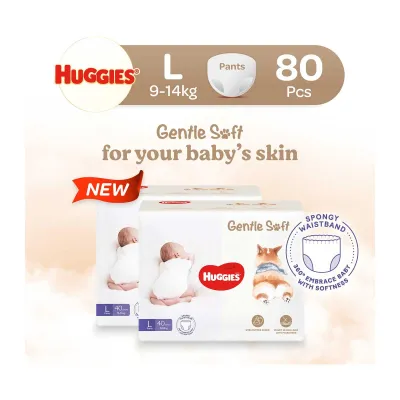
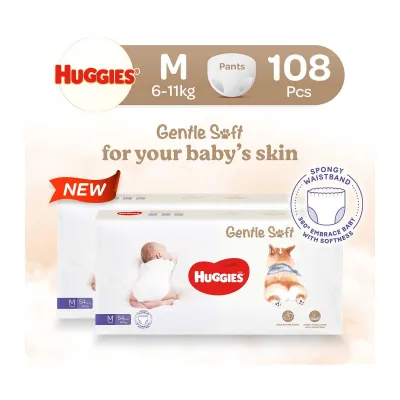
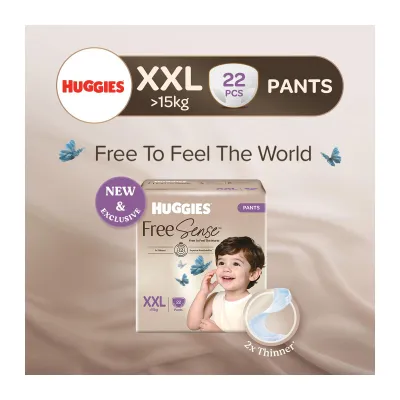


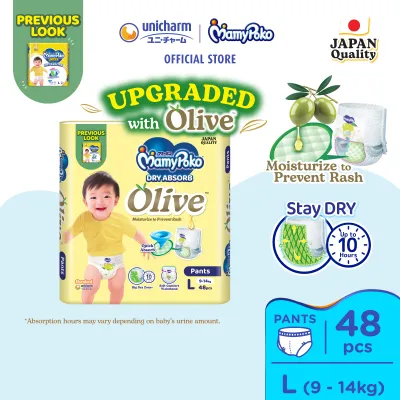
![[Carton Sale]NOMIEO Diapers Pants / Tape S M L XL XXL XXXL bundle of 3 Baby disposable diapers](https://img.lazcdn.com/g/p/mdc/f4c3a07b6bd8c781258868fe918f9ba5.jpg_400x400q80.jpg_.webp)

Prices are valid at publication and may change. Please refer to the product page for the latest price.
Beyond the absorbent core, the diaper’s physical boundaries are critical for preventing leaks. The waistband and leg cuffs serve as the primary containment barriers. High-quality diapers feature double-layered leg gathers—an inner barrier that sits snug against the groin and an outer ruffle that flares outward. These elasticized components must be flexible enough to stretch with your baby’s movements while maintaining a continuous, gap-free seal against the skin.
Caregivers must also choose between taped diapers and pull-up pants, each serving different developmental stages. Taped diapers offer a highly customizable fit around the waist, making them ideal for newborns and younger infants who spend most of their time lying down. Pull-up pants feature a 360-degree elastic waistband, which accommodates the protruding bellies of active toddlers, simplifies changes when the child refuses to lie still, and supports early toilet training routines.
How to Evaluate Absorbency in Everyday Use
To judge a diaper’s absorbency limits at home without relying on manufacturer claims, you can perform a simple surface dryness check. After your baby has worn a diaper for several hours or overnight, remove it and gently press a dry, clean paper tissue against the inner lining. If the tissue remains dry or shows only minimal dampness, the core is successfully locking moisture away. If the tissue dampens quickly, the material may be slow to absorb fluid, leaving wetness in contact with your baby’s skin.

Active play provides an excellent test of a diaper’s structural integrity. As a diaper fills, observe how the absorbent core behaves when your baby crawls, climbs, or walks. Some diapers maintain their shape through structured channels that distribute liquid evenly, while others may clump, sag heavily between the legs, or shift to one side. Heavy sagging not only restricts movement but also pulls the waistband down, creating gaps that invite leaks.
Monitoring leak patterns helps you distinguish between capacity limits and fit issues. If a diaper leaks within an hour or two of a change, or if the core feels completely saturated and heavy, the diaper has likely reached its maximum fluid capacity. Conversely, if leaks occur while the diaper core still feels relatively dry or light, the issue is almost certainly related to fit, such as gaps around the legs or a loose waistband that allows liquid to escape before reaching the absorbent core.
How to Assess Fit and Comfort for Your Baby
Evaluating fit begins immediately after you remove a used diaper. Check your baby’s waist and thighs for red marks or deep indentations left by the elastic bands. While a snug fit is necessary to prevent leaks, persistent red marks indicate that the elastic is too tight, which can cause chafing and discomfort. This is a clear sign that your baby may need a larger size or a brand with a softer, more forgiving elastic blend.
Proper application is just as important as choosing the right size. Every time you secure a diaper, run a finger around the leg openings to ensure the outer ruffles are fully flared outward. If the inner cuffs are tucked inward or folded over, they cannot perform their barrier function, leading to immediate leaks. Additionally, ensure the waistband is level and sits high enough on both the front and back to prevent escape when your baby sits or bends.
Weight ranges printed on diaper packaging are broad guidelines and often overlap significantly between sizes. A baby with chubby thighs may need to size up much sooner than a leaner baby of the same weight to avoid tight leg cuffs. Caregivers should prioritize physical indicators—such as the diaper sitting too low on the waist, the fastening tapes sitting far apart, or frequent blowouts—over the weight range printed on the box.
Comparing Common Diaper Designs and Features
Disposable diapers generally fall into two design philosophies: slim-profile designs and high-capacity, bulkier designs. Slim-profile diapers utilize advanced, thin core technologies that minimize bulk, allowing active toddlers to move, crawl, and walk with less restriction. However, bulkier, traditional fluff-filled diapers often provide a higher total fluid capacity, making them highly suitable for overnight wear or long car rides where frequent changes are difficult.
Wetness indicator lines are a common feature on many modern diapers, changing color when exposed to moisture. While highly convenient for quick visual checks, caregivers should not rely on them exclusively. A slight change in color does not always mean the diaper is full, and over-reliance can lead to premature changes, increasing overall diapering costs. Use the indicator as a helpful hint, but rely on tactile checks to determine if a change is truly necessary.
In warm, humid climates, breathability is crucial to prevent heat rash and diaper dermatitis. Caregivers can verify breathability by feeling the outside of a wet diaper; a slightly damp or cool outer cover often indicates that water vapor is successfully escaping through the microporous outer layer. If the baby’s skin feels excessively hot, sweaty, or clammy upon diaper removal, the material may lack adequate ventilation, which can trap moisture and irritate sensitive skin.
Decision Framework: Matching Diaper Features to Your Baby
To streamline your diaper selection, match specific design features to your baby’s daily routine and physical needs:
- For Heavy Wetters and Overnight Use: Look for diapers with reinforced, multi-layer cores, high-rise waistbands, and wide back coverage. Some parents find success using a dedicated overnight diaper or sizing up by one size specifically for bedtime to gain extra absorbent capacity.
- For Active Babies and Toddlers: Prioritize pull-up pants with highly elastic, 360-degree waistbands and flexible, thin cores that move with the child's body. Ensure the leg gathers are robust enough to stay in place during crawling, climbing, and active play.
- For Sensitive Skin: Before purchasing bulk boxes, buy small trial packs to test for skin compatibility. Look for diapers that are free from added fragrances, lotions, and elemental chlorine. If persistent redness, irritation, or a rash develops, stop using the brand immediately and consult a pediatrician or qualified healthcare professional.
Frequently Asked Questions (FAQ)
How often should I change my baby's diaper to prevent rashes?
During the day, you should generally change your baby’s diaper every two to three hours, or immediately after a bowel movement. Prolonged contact with wetness and stool is a primary cause of diaper rash. At night, a high-absorbency diaper can be left longer if your baby is sleeping comfortably, provided there is no stool. Always perform a quick tactile check if your baby wakes up; a heavy, saggy diaper should be changed to protect the skin barrier.
Do I need to buy a larger size if my baby's diaper leaks?
Not necessarily. First, check if the leaks are caused by improper application, such as tucked-in leg ruffles or a loose waistband. If the diaper fits snugly without leaving red marks and is not fully saturated when it leaks, the issue may be the diaper’s shape or absorbency speed rather than its size. However, if the diaper is completely soaked through, or if you notice the waistband sitting below the belly button, sizing up is the logical next step to gain a larger absorbent core.
Community discussion
Share your experience or ask a question. Comments are reviewed before publication.