
Finding the right diaper for your baby in Singapore’s tropical climate involves balancing several factors: reliable absorbency, a secure fit, and gentle materials that prevent skin irritation. When comparing the rascals diaper to other popular mainstream brands, there is no single “perfect” option. Instead, the ideal choice depends on your baby’s unique body shape, skin sensitivity, and your household budget.
Rascals diapers have gained attention for their focus on clean materials and high-performing design elements. They serve as a strong alternative to traditional market leaders, particularly for parents who prioritize diaper designs with fewer chemical additives. However, because diaper performance is highly individual, you should evaluate specific packaging claims and test a small pack before committing to a bulk purchase.
To make an informed decision, you must look beyond brand popularity and examine how a diaper’s construction aligns with your baby’s daily needs. This comparison breaks down the core performance metrics—absorbency, fit, and comfort—to help you determine if Rascals is the right fit for your family.
Products mentioned in this guide
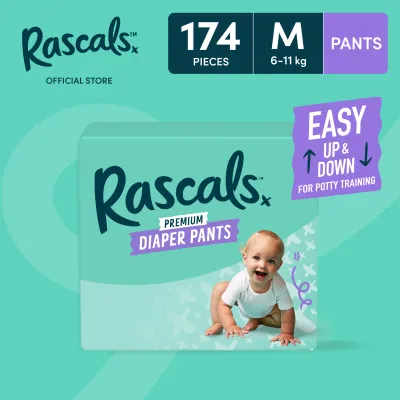
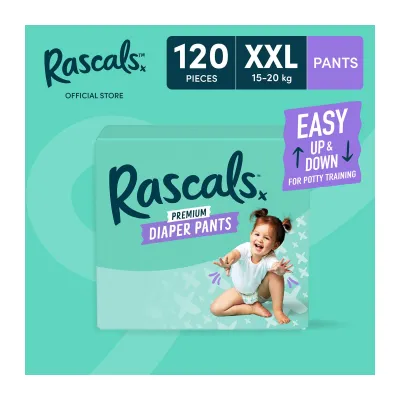
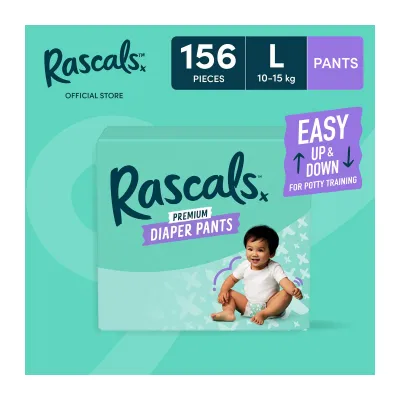
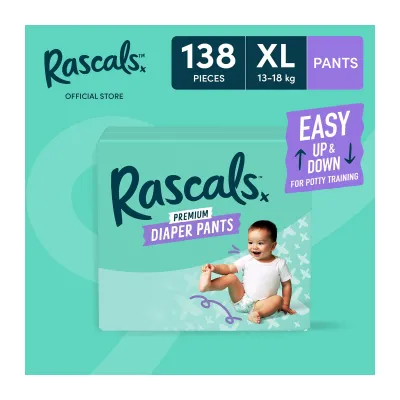
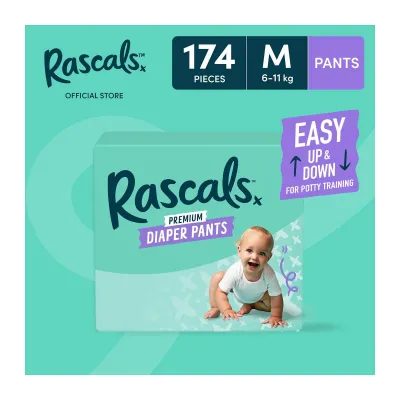
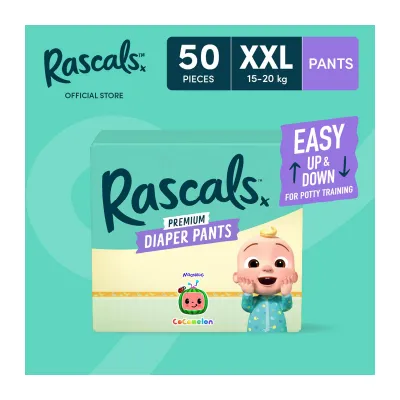
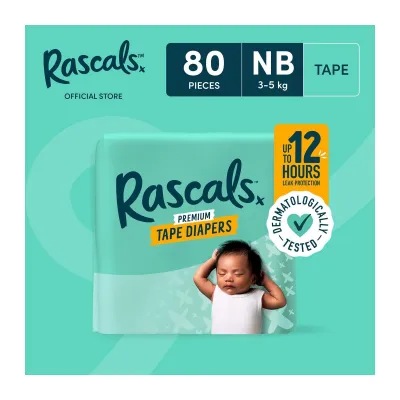
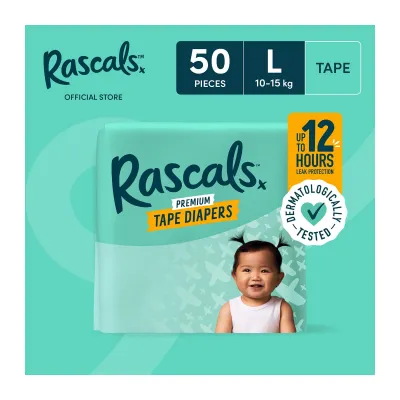
Prices are valid at publication and may change. Please refer to the product page for the latest price.
Comparing Core Performance: Absorbency, Fit, and Comfort
Evaluating diaper performance requires looking at the physical engineering of the product. While marketing campaigns often emphasize softness, the real-world utility of a diaper rests on its structural design. By understanding how different brands construct their cores, waistbands, and leg cuffs, you can better predict how they will perform on your baby.
Absorbency and Leak Protection
The primary job of any diaper is to lock away moisture quickly to keep your baby’s skin dry. To compare the absorbency of Rascals with other popular brands, start by examining the core composition. Most modern disposable diapers, including Rascals, use a blend of wood pulp and super absorbent polymers (SAP) to draw liquid away from the surface. The ratio and distribution of these materials dictate how quickly wetness is absorbed and whether the diaper clumps or sags when full. Some premium brands utilize structured channels within the core to distribute liquid evenly, preventing the heavy, sagging middle that can cause leaks during active play.
Leak protection also depends heavily on structural barriers, specifically the standing leg cuffs. When comparing Rascals to mainstream alternatives, inspect the height and elasticity of these inner cuffs. Dual leak guards—which feature an inner elastic barrier and an outer ruffled cuff—provide a double layer of defense against messy blowouts. Cuffs that are too loose will allow liquid to escape, while cuffs with overly tight elastics can pinch the skin and cause discomfort.
A wetness indicator is another practical feature to evaluate. This external color-changing strip helps you monitor when a change is needed without opening the diaper. While highly convenient for newborns, the importance of the indicator often shifts as your baby grows, transitions to solid foods, and produces larger volumes of urine. At this stage, real-world observation of how well the core maintains dryness under pressure becomes the most critical factor in preventing diaper rash.
Fit, Sizing, and Waistband Flexibility
A diaper can have exceptional absorbency, but it will still leak if the fit is incorrect. Diaper brands use different cuts and sizing proportions, meaning a size 3 in one brand may fit very differently than a size 3 in another. Rascals diapers are widely recognized for their unique high-back waistband and deep pocket design, which is specifically engineered to contain liquid up the back. This cut is often highly beneficial for babies with longer torsos or those prone to back blowouts.
When comparing the waistband design of different brands, pay close attention to stretchability and fastening tab strength. A high-quality waistband should offer significant mechanical stretch, allowing it to conform to your baby’s tummy as it expands and contracts throughout the day. The fastening tabs must be strong enough to stay secure during vigorous movement, yet gentle enough not to scratch the baby’s skin if they make contact. For newborns, check if the brand offers a curved navel cutout to protect the healing umbilical cord area from friction.
To determine if a diaper fits your baby properly, monitor their skin for red marks around the thighs or waist. Red indentations are a clear sign that the diaper is too tight or that the cut does not match your baby’s body shape. If your baby has chunky thighs, you may need a diaper with wider leg openings and more flexible elastics. Conversely, leaner babies may require a narrower crotch cut to prevent gaps from forming when they crawl or walk.
Comfort, Breathability, and Skin Contact
In Singapore’s hot and humid climate, breathability is essential for maintaining healthy skin. A diaper that traps heat and moisture creates a breeding ground for bacteria and yeast, leading to stubborn diaper rash. To assess breathability, examine the backsheet—the outermost layer of the diaper. High-performance diapers use micro-perforated outer materials that allow hot air and moisture vapor to escape while keeping liquid safely contained inside.
The texture of the inner topsheet, which sits directly against your baby’s skin, is equally important. Feel the material to ensure it is soft and free of abrasive textures. Many modern diapers incorporate embossed patterns, such as 3D bubbles or honeycombs, on the topsheet. These raised patterns serve a dual purpose: they minimize the surface area of the diaper in direct contact with the skin and create channels that allow air to circulate, keeping the area dry and cool.
Finally, review the ingredient list on the packaging. Babies with sensitive skin are highly susceptible to reactions from added fragrances, lotions, and dyes. While some mainstream brands add mild scents to mask odors, these additives can trigger allergic contact dermatitis in sensitive infants. Opting for diapers that are explicitly labeled as fragrance-free and lotion-free reduces the risk of skin irritation, allowing you to isolate any reactions to the diaper’s physical materials rather than added chemicals.
Navigating Material Claims and Eco-Friendly Features
As environmental awareness grows, many parents seek diapers that incorporate sustainable materials. Brands like Rascals often highlight eco-friendly attributes, such as using plant-based materials or being chlorine-free. To make an informed comparison, you must understand what these marketing terms mean and how to verify them.

The term “plant-based” typically means that a portion of the diaper’s components, such as the topsheet or backsheet, is derived from renewable plant sources (like sugarcane or corn starch) rather than petroleum-based plastics. Similarly, some diapers utilize bamboo fibers, which are naturally soft and highly renewable. However, no disposable diaper is currently 100% biodegradable, as super absorbent polymers and elastic components are still required to ensure leak-free performance. When comparing brands, check the packaging to see exactly what percentage of the diaper is made from plant-based materials.
“Chlorine-free” is another common claim. Traditional diaper manufacturing often uses elemental chlorine to bleach wood pulp, a process that can release trace amounts of dioxins into the environment. To avoid this, look for diapers labeled as Elemental Chlorine Free (ECF) or Totally Chlorine Free (TCF). TCF is generally considered the gold standard for sensitive skin, as it completely eliminates chlorine from the bleaching process.
To cut through marketing buzzwords, look for recognized third-party certifications on the packaging:
- Forest Stewardship Council (FSC): This certification guarantees that the wood pulp used in the diaper core is sourced from responsibly managed forests.
- OEKO-TEX Standard 100: This independent certification verifies that the diaper has been tested for harmful substances and is safe for infant skin.
- Dermatest Seal: A dermatological seal indicates that the product has undergone clinical testing to ensure it does not cause skin irritation.
Comparing these specialized material claims with the standard wood-pulp and synthetic compositions of mainstream brands helps you decide if the added environmental and skin-health benefits justify the potential difference in cost.
Assessing Price, Value, and Availability in Singapore
While performance and materials are crucial, the practicalities of price and availability play a major role in your long-term diapering strategy. Because babies go through thousands of diapers before toilet training, small differences in unit cost can accumulate into significant savings or expenses over time.
To make an accurate financial comparison between Rascals and other popular brands, you must calculate the “cost per diaper” rather than comparing the price of a single pack. Because pack sizes vary widely between brands and sizes, divide the total price of the pack by the number of diapers inside. For example, if a pack costs S$24 and contains 60 diapers, the cost per diaper is S$0.40. Premium and eco-friendly brands often carry a higher cost per diaper than mainstream bulk options, so you must weigh this premium against the benefits of specialized materials or improved fit.
Availability is another critical factor for busy parents in Singapore. Mainstream diaper brands are readily available in almost every local supermarket chain, neighborhood grocery store, and 24-hour convenience store. This makes it easy to grab a pack in an emergency. In contrast, specialty or niche brands like Rascals may have more limited physical distribution. You will typically find them on major local ecommerce platforms, online marketplaces, or specialty baby boutiques.
To maximize value when buying diapers, consider the following strategies:
- Subscription Services: Many online retailers offer recurring delivery discounts, which can lower the cost per diaper and ensure you never run out.
- Bulk Bundles: Purchasing cartons or multi-pack bundles usually offers a lower unit price than buying individual packs.
- Shipping Fees: When buying online, factor in shipping costs or minimum spend thresholds required to qualify for free delivery, as these can quickly offset any savings on the diapers themselves.
Avoid purchasing bulk quantities of any diaper brand before you have confirmed that the size and cut fit your baby well. A diaper that leaks constantly is a poor value, regardless of how low the initial purchase price was.
Final Decision Framework: Rascals vs. Mainstream Alternatives
To choose the right diaper for your baby, you must weigh your family’s specific priorities against the characteristics of each brand. Use this conditional framework to guide your final decision:
Choose Rascals if:
- Your baby is prone to back blowouts and benefits from a diaper with a high-back waistband and deep pocket design.
- You prioritize diapers made with a high percentage of plant-based materials, sustainable wood pulp, and chlorine-free processing.
- Your baby has sensitive skin that reacts to fragrances, lotions, or standard synthetic topsheets.
- You prefer shopping online and can easily manage your inventory through subscription services or bulk online orders.
Choose mainstream popular brands if:
- You require maximum convenience and want to be able to purchase diapers at any local physical supermarket or convenience store at a moment's notice.
- You need a highly optimized, heavy-duty diaper specifically designed to handle long overnight stretches of heavy wetting without leaking.
- Your primary goal is to minimize your diapering budget by choosing the lowest possible cost-per-diaper option.
- Your baby has a lean build and fits better in diapers with a narrower crotch cut and highly elastic side tabs.
Verify first if:
- Your baby has a history of severe diaper rash or specialized skin conditions. In these cases, consult a pediatrician or pediatric dermatologist for specific material recommendations before introducing a new brand.
As a practical next step, avoid transitioning your entire diaper stock overnight. Instead, purchase a single trial pack of Rascals diapers to test the fit, absorbency, and skin compatibility in Singapore’s humid climate. Conduct your initial tests during the daytime when you can monitor the diaper closely and perform frequent changes, before trusting it for overnight sleep.
Frequently Asked Questions (FAQ)
Do Rascals diapers fit differently than standard mainstream brands?
Yes, Rascals diapers often feature a distinct cut characterized by a higher waistband, wider wings, and a deeper pocket compared to many standard mainstream brands. This design is highly effective at containing leaks along the back, but it can make the diaper feel larger or bulkier overall. Because sizing is determined by both weight ranges and physical proportions, you should check the manufacturer’s weight guidelines on the packaging. If your baby is near the upper limit of a size range or has a particularly round tummy, you may find that the fit differs significantly from your current brand.
How can I test a new diaper brand without committing to a bulk purchase?
The safest way to test a new diaper brand is to purchase a single trial-sized pack or seek sample packs from specialty baby stores or online marketplaces. Testing a small quantity allows you to observe how your baby’s skin reacts to the materials and verify if the physical cut matches their body shape. When testing, use the new diapers during the daytime first. This allows you to check for red marks, assess absorbency under active conditions, and change the diaper promptly if any leakage or skin redness occurs, before attempting overnight use.

Community discussion
Share your experience or ask a question. Comments are reviewed before publication.