
Parents in Singapore face an overwhelming array of choices in the diaper aisle. Selecting the right diaper involves balancing several competing factors, including absorbency, daytime comfort, and the long-term impact on your household budget. While many brands promise leak-free nights and cloud-like softness, real-world performance often depends on your baby’s unique shape and movement patterns.
To make an informed decision, caregivers must look beyond marketing claims and evaluate diapers based on objective, observable criteria. This comparison focuses on how Rascals diapers stack up against other popular options available in Singapore, examining their design features, absorbency mechanisms, material feel, and overall cost-efficiency. By establishing a clear evaluation framework, you can determine which diaper brand best aligns with your family’s daily routine and financial goals.
Setting the Baseline: What Defines Rascals Diapers?
Rascals has positioned itself in the diaper market with a distinct focus on modern design and specific structural features. The brand is widely recognized for its minimalist aesthetic, featuring clean white designs rather than busy cartoon prints. Beyond looks, the primary design focus centers on a high waistband and a deep pocket configuration, which are engineered to help contain blowouts and keep the diaper securely in place during active play.
Products mentioned in this guide
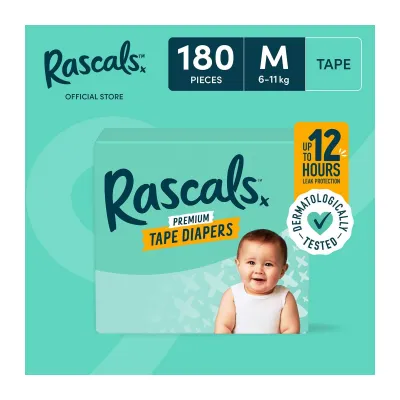
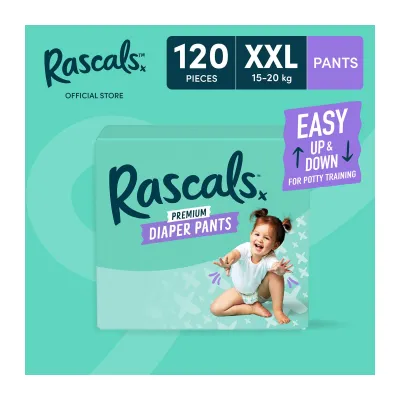
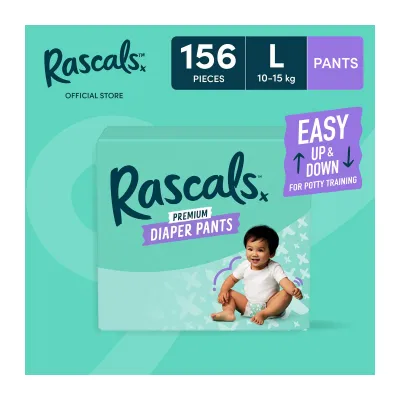
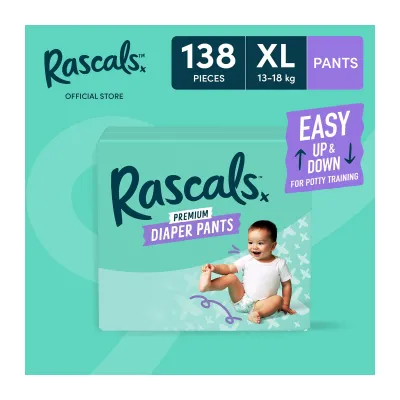
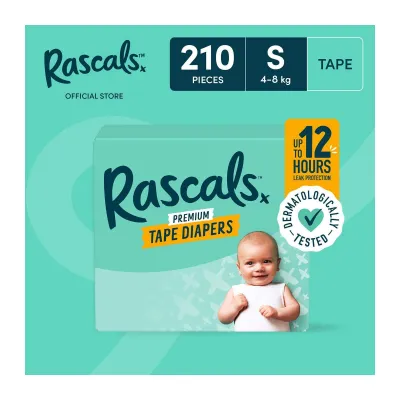
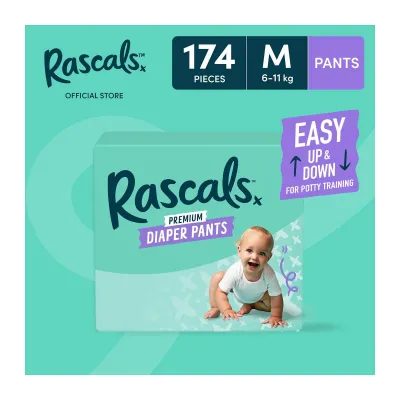
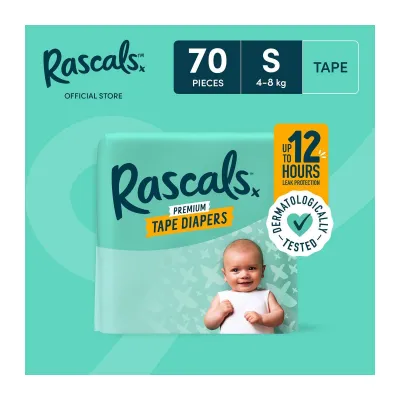
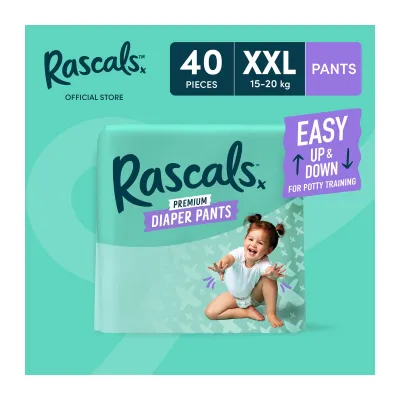
Prices are valid at publication and may change. Please refer to the product page for the latest price.
When considering this brand, it is essential to review the manufacturer’s official weight ranges and sizing charts. Diaper fit is not universal; a size that fits one baby perfectly may cause leaks or discomfort on another of the same weight due to differences in body shape, thigh circumference, and torso length. Caregivers should treat weight guidelines as a starting point rather than an absolute rule, adjusting the size based on how the diaper sits on the baby’s waist and legs.
Furthermore, actual performance can vary significantly depending on individual wetting patterns and physical development. An active crawler or toddler will test the elasticity and secure fit of a diaper differently than a newborn who spends most of the day lying down. Understanding these baseline design characteristics allows you to compare Rascals more effectively against other mainstream options in Singapore’s retail landscape.
Comparing Absorbency and Leak Protection Across Brands
Absorbency is arguably the most critical factor when evaluating any diaper brand. To compare Rascals with other options, caregivers should first inspect the physical construction of the diaper’s core. Look for the presence of wetness indicators, which change color to signal when a change is needed, and examine the core distribution channels designed to draw liquid away from the skin quickly. High-quality diapers typically feature advanced channel designs that distribute wetness evenly, preventing the core from sagging or clumping in one spot.

Another vital structural element to evaluate is the barrier cuff design around the legs. These double elastic cuffs act as the final line of defense against leaks, especially when your baby is moving or sleeping on their side. When comparing brands, gently stretch the leg cuffs to assess their elasticity and depth; deeper, more flexible cuffs generally provide a more reliable seal against sudden liquid surges.
To truly assess how Rascals compares to other brands in your household, you can conduct a simple, controlled at-home test. Monitor the diaper over a set period during the day, checking for signs of sagging, surface dryness, and side leaks. After removing a wet diaper, gently press a dry paper towel against the inner lining to see if any moisture transfers back; a drier paper towel indicates superior moisture-wicking capabilities, which helps protect delicate skin from prolonged wetness.
Keep in mind that standard daytime diapers may not always suffice for overnight use or for babies who are heavy wetters. If you find that standard variants are leaking during long stretches of sleep, you should check the specifications of dedicated nighttime variants. Many brands offer specialized overnight diapers with enhanced absorbent cores and reinforced barriers specifically designed to handle extended wear without compromising comfort or skin dryness.
Evaluating Comfort, Fit, and Skin Sensitivity
A diaper can have excellent absorbency, but if it causes physical discomfort or skin irritation, it is not the right choice for your baby. To evaluate comfort, start by physically feeling the inner lining texture of Rascals and competing brands. The lining should feel soft to the touch, minimizing friction against your baby’s skin during movement. Additionally, examine the outer cover’s breathability; in Singapore’s warm and humid climate, a breathable outer layer is essential for allowing heat and moisture to escape, reducing the risk of diaper rash.
Fit is another critical component of comfort. Pay close attention to the waistband elasticity and the flexibility of the fastening tabs. A good waistband should stretch comfortably to accommodate your baby’s tummy after feeding while remaining snug enough to prevent the diaper from slipping down. Watch for physical signs of poor fit, such as red marks or indentations on your baby’s thighs and waist. If you notice these marks, it may indicate that the elastic tension is too tight or that it is time to transition to a larger size.
Skin sensitivity requires careful monitoring, particularly for babies prone to eczema or contact dermatitis. When comparing diaper brands, check the packaging for dermatological testing labels, fragrance-free certifications, or hypoallergenic claims. However, because every baby’s skin chemistry is unique, these labels do not guarantee a complete absence of irritation. If you observe any redness, bumps, or persistent rash after switching to a new diaper brand, stop using the product immediately and consult a pediatrician or qualified healthcare professional for guidance.
Calculating True Value: Price Per Piece and Purchasing Models
While performance is paramount, the ongoing cost of diapers represents a significant portion of a family’s monthly expenses. To make an accurate financial comparison between Rascals and other brands in Singapore, you must calculate the true price per piece rather than comparing the total cost of a pack. The formula is straightforward: divide the total price of the pack by the number of diapers inside. For example, if a pack of diapers costs S$24.00 and contains 40 pieces, the price per piece is S$0.60.
When performing these calculations, it is crucial to compare diapers within the same size tier. Larger diaper sizes naturally contain fewer pieces per pack, which increases the price per piece even if the retail price of the pack remains identical to smaller sizes. Comparing a size 2 diaper from one brand to a size 4 diaper from another will lead to inaccurate financial conclusions. Always ensure you are comparing equivalent sizes to maintain a fair baseline.
Additionally, consider the purchasing models and promotional avenues available in the local market. Prices and stock levels fluctuate frequently across major e-commerce platforms, local supermarkets, and baby specialty stores. Many parents find that purchasing in bulk or signing up for subscription services on online marketplaces offers substantial savings and discounts. Keep an eye out for seasonal sales, bundle deals, and loyalty programs, as these promotions can significantly lower the average cost per piece over time.
Finally, factor in the frequency of diaper changes when calculating value. A slightly cheaper diaper that requires more frequent changes due to leaks or poor absorbency may end up costing more in the long run than a slightly more expensive diaper that keeps your baby dry for longer periods. Balancing the unit price with real-world performance ensures you are getting the best possible value for your money.
Decision Framework: When to Choose Rascals vs. Alternatives
To help synthesize these comparison criteria, you can use a structured decision framework based on your specific household priorities and your baby’s needs.
Choose Rascals if you prioritize a high-waisted design with a deep pocket to prevent back blowouts, prefer a minimalist aesthetic without bright patterns, and find that the brand’s specific sizing matches your baby’s body shape without leaving red marks. This option is also suitable for parents who prefer purchasing through subscription models on local e-commerce platforms where bulk discounts are regularly available.
Choose an alternative brand if your baby is an exceptionally heavy overnight wetter who requires a dedicated, highly specialized nighttime diaper, or if your primary goal is to minimize diapering expenses with the lowest possible price-per-piece threshold. Many traditional brands offer budget-friendly daytime options that perform adequately for frequent, routine changes.
Verify first if your baby has extremely sensitive skin, a history of severe diaper rash, or falls on the border of two different size categories. In these scenarios, it is wise to purchase a single trial pack or request samples before committing to a bulk purchase. If persistent skin irritation occurs regardless of the brand used, stop use immediately and consult a pediatrician or qualified professional to rule out underlying allergies or medical conditions.
Frequently Asked Questions (FAQ)
How do I know if it is time to size up my baby's diapers?
Several physical indicators can signal that your baby has outgrown their current diaper size. Look for red marks or elastic indentations around your baby’s thighs and waist, which suggest the diaper is too tight. Frequent leaks, blowouts, or the diaper appearing wet very quickly can also indicate that the absorbent core is no longer sufficient for your baby’s output. Additionally, if the fastening tabs struggle to reach the center of the waistband or if the diaper sits too low on your baby’s hips, it is time to transition to the next size. While manufacturer weight guidelines provide a helpful starting point, you should always prioritize the actual fit, comfort, and coverage on your baby’s body.
Can I mix different diaper brands for daytime and nighttime use?
Yes, mixing different diaper brands is a highly practical and cost-effective strategy used by many parents in Singapore. You might choose a more budget-friendly brand with a lower price per piece for daytime use, when diaper changes are frequent and routine. For overnight wear, you can switch to a premium brand or a specialized nighttime diaper that offers enhanced absorbency and leak protection to ensure your baby remains dry and comfortable throughout the night. If you adopt this approach, ensure that both brands fit your baby well and do not cause skin irritation, as transitioning between different elastic tensions and materials can sometimes affect fit and comfort.

Community discussion
Share your experience or ask a question. Comments are reviewed before publication.