
Evaluating diaper brands in Singapore involves balancing performance, skin safety, and cost. While no single diaper represents a universal winner for every family, the best value depends entirely on your baby’s specific skin sensitivity, physical build, and your household budget constraints.
Rascals has positioned itself as a strong contender in the premium segment, particularly for parents who prioritize eco-conscious materials, plant-based components, and minimalist designs. If your baby is prone to irritation from synthetic materials, dyes, or fragrances, the premium features of Rascals may offer excellent value by helping to minimize skin flare-ups.
Conversely, mainstream mass-market brands often provide better value for high-volume, budget-conscious daytime use, while Japanese-style diapers might offer a more tailored fit for specific baby proportions. Ultimately, determining the true value of any brand requires calculating the exact price-per-diaper based on current local promotions and verifying how the diaper fits your baby’s unique shape.
Products mentioned in this guide
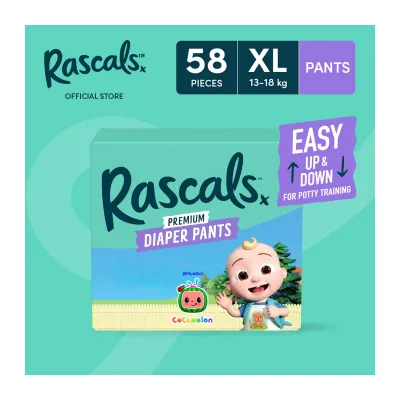
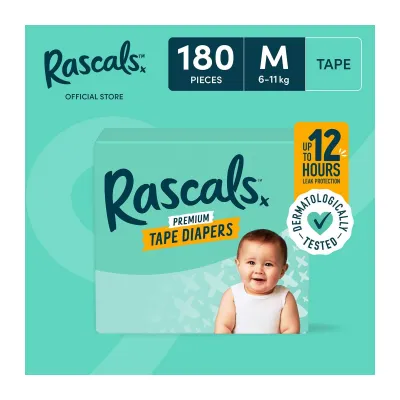
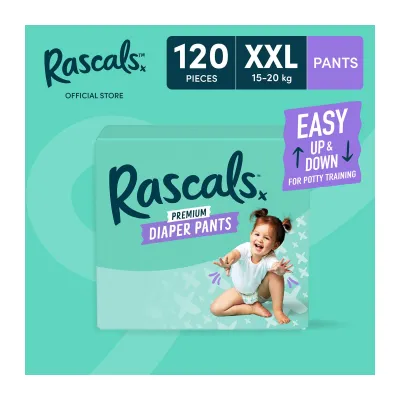
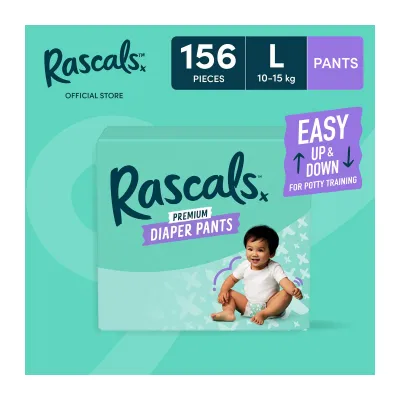
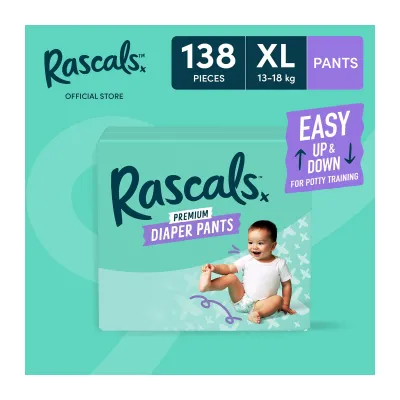
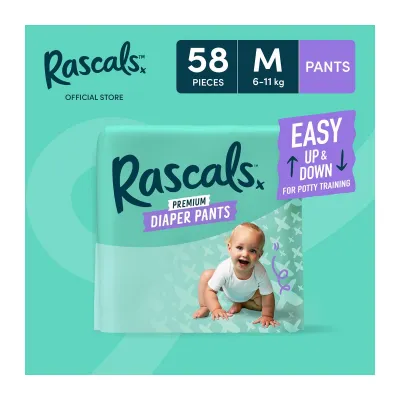
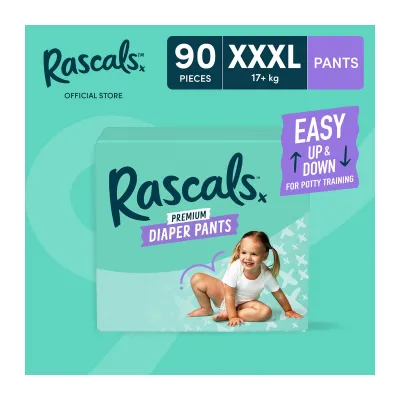
Prices are valid at publication and may change. Please refer to the product page for the latest price.
Core Dimensions for Comparing Diapers in a Tropical Climate
Singapore’s year-round hot and humid climate makes diaper selection highly critical for infant skin health. High ambient humidity traps moisture and heat close to the skin, which can rapidly lead to heat rash, friction, and diaper dermatitis. Understanding the technical aspects of diaper construction helps parents make informed choices rather than relying solely on brand marketing.
Breathability and Heat Dissipation
To prevent sweat buildup and keep skin cool, a diaper must allow adequate airflow. Parents should look for diapers featuring microporous outer covers, often referred to as breathable back sheets, which allow heat and water vapor to escape while keeping liquid locked inside. A thin, flexible core is also beneficial in a tropical climate, as bulky materials tend to retain more body heat and restrict natural movement.
Absorbency and Leak Protection
Diaper needs change significantly between daytime activities and overnight sleep. During the day, diapers are typically changed every two to three hours, meaning rapid surface dryness is more important than massive liquid capacity. For overnight use, a diaper must handle multiple wettings over a 10-to-12-hour period without leaking or leaving the skin damp.
This performance relies heavily on superabsorbent polymers (SAP) within the core, which chemical-free or highly natural brands must balance with their material choices. Additionally, double elastic leg cuffs, or leak guards, are essential to contain sudden blowouts, especially for active babies who are crawling or walking.
Fit and Elasticity
An improper fit is a primary cause of both leaks and skin irritation. Diapers that are too tight can leave red friction marks on the thighs and waist, while loose diapers invite leaks. Sizing standards vary significantly between Western-designed brands and Asian-designed brands.
Western cuts often feature a higher waist rise and a wider pocket, whereas Asian cuts frequently offer a more contoured, snug fit around the hips. Caregivers should always refer to the manufacturer’s weight guidelines on the packaging, but remain prepared to adjust sizes based on the baby’s unique body shape.
Material Safety and Skin Sensitivity
Because an infant’s skin barrier is thin and highly permeable, minimizing exposure to potential irritants is a priority for many families. When evaluating packaging claims, parents should look for specific terms such as “elemental chlorine-free” (ECF) or “totally chlorine-free” (TCF) bleaching processes.
It is also wise to verify the absence of added lotions, latex, parabens, and synthetic fragrances. Always check the official ingredient list on the product packaging to confirm these claims rather than relying on general promotional slogans.
Rascals Diapers: Brand Positioning and Key Features to Verify
Rascals has established a distinct identity in the Singapore diaper market as a modern, design-forward brand. Moving away from traditional, brightly colored cartoon prints, the brand utilizes a minimalist, stylish aesthetic. Beyond visual appeal, the brand focuses on catering to eco-conscious parents who seek transparent ingredient lists and skin-friendly materials.

The core design of Rascals diapers emphasizes the integration of plant-based materials, such as sustainable wood pulp, and the use of water-based inks. However, because product formulations can change, parents should inspect the physical packaging of the specific pack they purchase to verify the exact percentages of bio-based components. Look for reputable third-party certifications, such as the Forest Stewardship Council (FSC) logo or dermatological approval seals, which indicate independent safety testing.
In Singapore, Rascals operates heavily through a direct-to-consumer and subscription-based model, alongside presence on major online marketplaces. This distribution strategy is central to their value proposition. By subscribing to regular deliveries, parents can often secure lower price points that make these premium diapers more competitive with mid-tier alternatives.
While the brand’s focus on reducing chemical exposure is beneficial for sensitive skin, parents must remember that no diaper can guarantee absolute protection against diaper rash. Proper hygiene, frequent changes, and ensuring the correct size remain the most effective preventative measures.
How Rascals Compares to Other Diaper Categories
To determine where Rascals fits into your parenting budget and routine, it is helpful to compare the brand against the three primary diaper categories available in Singapore.
Rascals vs. Mainstream Mass-Market Brands
Mainstream mass-market brands are widely accessible in local supermarkets, neighborhood pharmacies, and convenience stores across Singapore. These brands excel in providing high-volume availability and a lower baseline price-per-diaper. Their absorption cores are highly optimized for rapid liquid distribution, making them a popular choice for heavy overnight wetters.
In contrast, Rascals focuses on minimizing synthetic chemical exposure and maximizing material transparency. While mainstream options are highly cost-effective and convenient to purchase in an emergency, they may contain fragrances or lotions that sensitive babies might not tolerate. Parents should choose mainstream brands if budget efficiency and immediate physical availability are their top priorities, and opt for Rascals if their baby’s skin requires a fragrance-free, chemical-conscious alternative.
Rascals vs. Other Premium Eco-Friendly Brands
The premium eco-friendly diaper market in Singapore features several specialized brands available through online retailers and baby boutiques. When comparing Rascals to these competitors, parents should focus on verifiable environmental claims. Some ultra-premium brands offer fully biodegradable outer sheets or higher overall percentages of plant-based fibers, but these features often come with a substantial price premium.
Rascals typically positions itself as an accessible middle ground in this category. It offers key eco-friendly attributes, such as chlorine-free processing and sustainable wood pulp, at a price point that is often more manageable than fully biodegradable specialty brands. When deciding between premium options, parents should calculate the exact cost-per-piece after factoring in subscription discounts and first-time buyer promotions.
Rascals vs. Japanese-Style Diapers
Japanese-style diapers are highly favored by Singaporean parents for their exceptional softness and advanced breathability, which are specifically engineered to combat hot, humid climates. These brands often feature unique, pillowy top sheets that minimize contact with wetness and highly flexible elastic waistbands that stretch comfortably over active bellies.
Rascals offers a different structural fit, characterized by a deeper pocket design that is highly effective at containing back leaks and blowouts. However, the material feel of Rascals is structured and secure, whereas Japanese brands tend to feel lighter and more cloth-like. Sizing cuts also differ; a baby who fits perfectly in a medium-sized Japanese diaper may require a different size in Rascals due to the broader Western-style cut. Parents should purchase small trial packs of both styles to observe which cut aligns better with their baby’s physical frame.
Evaluating Price and Overall Value per Diaper
To make an accurate financial comparison, parents must look past the retail price of a single pack of diapers. The only reliable metric for comparing costs across different brands and packaging configurations is the price-per-diaper formula.
Price per Diaper = Total Pack Price / Number of Diapers in the PackIt is important to note that as diaper sizes increase (from Newborn to XL), the number of diapers inside each pack decreases while the pack price typically remains the same. This means the price-per-diaper rises as your baby grows, requiring regular adjustments to your monthly diapering budget.
In Singapore, the channel through which you purchase diapers heavily influences the final cost-per-piece. Buying individual packs at physical retail stores offers immediate convenience but rarely provides the best value. Setting up a recurring subscription directly through official brand websites or purchasing bulk boxes during major online marketplace sales events (such as 9.9, 11.11, or annual baby fairs) can yield significant savings.
However, parents should be cautious of hidden costs. Ordering from unauthorized parallel importers may carry risks, such as receiving older stock or products stored in non-climate-controlled environments, which can degrade diaper adhesives and absorbency. Additionally, avoid buying large bulk quantities of a new brand before conducting a trial run. If your baby experiences a sudden growth spurt or develops a skin sensitivity to the new material, the remaining unused diapers represent a complete financial loss.
Decision Framework: Choosing the Right Diaper for Your Baby
To select the most suitable diaper for your family’s needs, consider the following conditional framework based on your primary parenting priorities:
- Choose Rascals if… you prioritize modern, fragrance-free diapers made with sustainable wood pulp and plant-based components, and you prefer the convenience of a direct-to-consumer subscription model that delivers predictable monthly supplies to your doorstep.
- Choose Mainstream Mass-Market Brands if… your primary goals are minimizing your monthly diapering spend, ensuring you can easily purchase replacement packs at any local neighborhood store, and requiring reliable, high-capacity overnight absorbency for a baby with resilient skin.
- Choose Japanese-Style Brands if… your baby has a slender build that benefits from a highly elastic, contoured fit, and you want ultra-thin breathability and exceptional softness to keep your baby comfortable in Singapore's humid climate.
- Verify first if… your baby has a diagnosed skin condition, severe eczema, or persistent diaper rash. Always inspect the exact material list and certifications printed on the packaging, test a single small pack before committing to a bulk purchase, and consult a qualified pediatrician if skin irritation persists.
Frequently Asked Questions (FAQ)
Are Rascals diapers suitable for babies with sensitive skin?
Rascals diapers are formulated without common chemical irritants such as chlorine, synthetic fragrances, latex, and lotions, making them a highly suitable option for babies with sensitive skin. However, because every infant’s skin barrier is unique, no diaper can be guaranteed completely hypoallergenic for every individual. Parents should inspect the material list on the packaging and monitor their baby’s skin during the first few days of use. If your baby has severe eczema or known allergies, consult a pediatrician before switching brands, and stop use immediately if you observe signs of contact dermatitis.
How do I prevent diaper rash in Singapore's humid weather?
Preventing diaper rash in Singapore’s tropical climate requires active moisture control and consistent hygiene. Caregivers should change diapers frequently—ideally every two to three hours during the day, or immediately following a bowel movement. Ensure the baby’s skin is completely clean and dry before putting on a new diaper; allowing a few minutes of diaper-free air time during changes can be highly beneficial. Applying a thin layer of a barrier cream containing zinc oxide can help protect the skin from moisture. If redness, swelling, or a bumpy rash persists for more than a few days despite frequent changes, stop using the current diaper brand and seek professional medical advice from a pediatrician.
Community discussion
Share your experience or ask a question. Comments are reviewed before publication.