
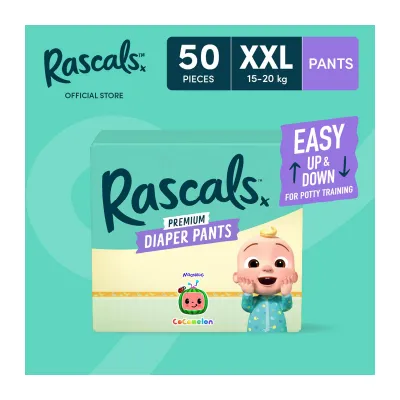
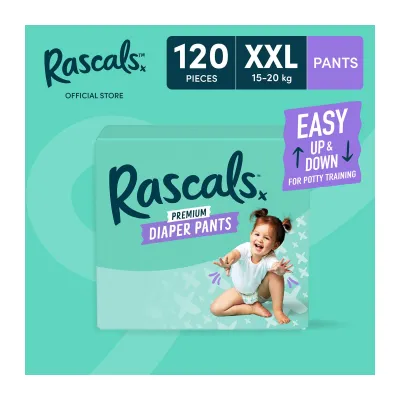
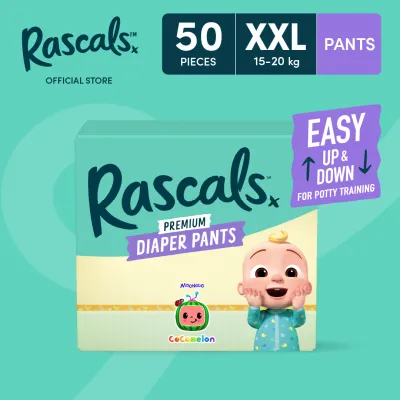
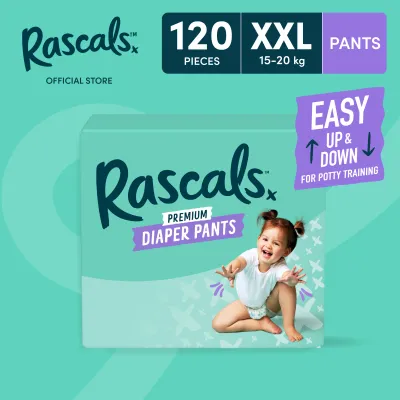
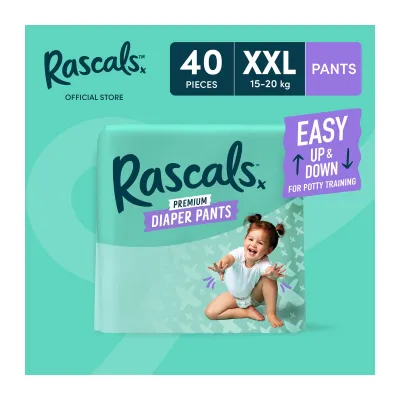
Rascals and Friends XXL stands out for its generous, high-waisted cut and deep pocket design, making it a strong candidate for toddlers with rounder bellies or thicker thighs. While traditional premium brands like Pampers focus on ultra-thin flexibility, Huggies on targeted blowout barriers, and MamyPoko on heavy-duty overnight volume, Rascals and Friends offers a distinct structural profile that prioritizes wide coverage. Choosing the right option depends on matching your toddler’s specific shape, activity level, and skin sensitivity to each brand’s unique design philosophy, rather than relying on a single “best” label.
To make an informed decision, parents must look past marketing buzzwords and evaluate how a diaper’s physical construction interacts with their child’s daily movements. By understanding the structural differences in waistbands, core materials, and leg cuffs, you can minimize leaks, prevent skin irritation, and optimize your household budget.
Core Evaluation Criteria for Premium XXL Diapers
Evaluating premium toddler diapers in the XXL size category requires a focus on structural performance rather than brand reputation. At this developmental stage, toddlers are highly active, walking, climbing, and twisting throughout the day. The diaper’s absorbency mechanism must be able to distribute liquid quickly to prevent pooling and subsequent leaks during high-movement play or long overnight stretches. Parents should inspect the diaper core to see if it features channels designed to distribute wetness evenly, which helps prevent the core from sagging and breaking apart when full.
Products mentioned in this guide
Prices are valid at publication and may change. Please refer to the product page for the latest price.
Fit dynamics are equally critical for larger toddlers. An effective XXL diaper must accommodate a variety of body shapes, from lean, long-legged toddlers to those with rounder bellies and thicker thighs. The waistband needs sufficient elasticity to stretch comfortably as the abdomen expands after meals, while the leg cuffs must form a secure, double-layered seal. If the elastic is too tight, it can leave painful red marks; if it is too loose, gaps will form, leading to immediate leaks.
Material breathability is another essential factor, particularly in warm, humid climates like Singapore’s. High humidity increases the risk of moisture retention inside the diaper, which can lead to heat rash or contact dermatitis. Parents should look for breathable outer cover sheets that allow heat and vapor to escape while keeping liquid contained. Checking for hypoallergenic claims, fragrance-free materials, and dermatological certifications on the packaging is a practical way to assess skin compatibility.
Finally, calculating the true value of premium diapers requires looking at the unit cost rather than the shelf price. Because XXL packs contain fewer diapers than smaller sizes, the cost-per-diaper rises significantly. To calculate this, divide the total pack price in S$ by the number of diapers inside. Comparing this unit cost against your toddler’s average daily diaper consumption will give you a realistic projection of your monthly diapering budget.
Rascals and Friends XXL: Structural and Fit Profile
The Rascals and Friends XXL diaper is designed with a distinct structural philosophy that favors generous coverage and a robust physical build. Unlike ultra-thin diaper varieties, this brand features a slightly thicker, more substantial core. This structured design is intended to maintain its shape even when heavily saturated, reducing the likelihood of the diaper bunching up between the toddler’s legs during active play.

One of the most notable features of the Rascals and Friends XXL variant is its high waistband and deep pocket depth. The waistband sits higher on the toddler’s torso compared to many competitors, providing a larger coverage area that helps contain up-and-back leaks. The fastening tabs are exceptionally wide and grip securely, allowing caregivers to customize the fit around the waist. This design is particularly well-suited for toddlers with rounder midsections, as the wide tabs distribute tension evenly without digging into the skin.
Sizing consistency is another area where Rascals and Friends differs from traditional brands. The XXL cut is notoriously generous, often running larger than equivalent sizes from Japanese or European manufacturers. Parents should verify their child’s current weight and physical proportions before purchasing, as a toddler who fits snugly in another brand’s XXL might find the Rascals and Friends XXL too loose, potentially leading to leg gaps.
While the packaging highlights features such as up to 12-hour dryness and a pocket design to contain blowouts, parents should cross-reference these claims with their own observations. Check the outer cover of the diaper after a long night’s sleep; it should feel dry to the touch, and the toddler’s skin should not feel damp or clammy when the diaper is removed. If you notice moisture transferring to pajamas, it may indicate that the core has reached its saturation threshold.
Competitor Profiles: Pampers, Huggies, and MamyPoko
To understand how Rascals and Friends XXL compares to the wider premium market, it is helpful to examine the design priorities of its main competitors: Pampers, Huggies, and MamyPoko. Each of these brands has developed a distinct approach to toddler diaper construction, targeting different fit preferences and usage scenarios.
Pampers premium lines, such as their Premium Care range, focus heavily on a slim profile and high flexibility. These diapers utilize advanced absorbency channels that distribute liquid rapidly without creating a bulky wet core. The materials are lightweight and designed to contour closely to the toddler’s body, making them an excellent choice for highly active, slender toddlers who need maximum freedom of movement. The side panels are highly stretchable, offering a snug fit that moves with the child.
Huggies premium lines, including their Platinum and Nature Care ranges, place a strong emphasis on targeted containment and skin protection. A key feature of many Huggies designs is the pocketed back waistband, which acts as a physical barrier to prevent liquid stools from escaping up the back. Additionally, Huggies diapers often feature robust, double-layered leg guards that wrap securely around the thighs. This makes them highly effective for toddlers who are prone to sudden, high-volume messes or those with active twisting movements.
MamyPoko premium lines, such as their Air Fit or Royal Soft variants, are widely recognized for their plush, cotton-like surface textures and high-volume liquid retention. These diapers are designed with deep, soft elastic gathers that gently hug the waist and thighs without leaving red marks. MamyPoko often prioritizes maximum absorption capacity, making their premium lines a popular choice for overnight use. The materials feel exceptionally soft to the touch, which is ideal for toddlers with highly sensitive skin who are prone to friction-induced irritation.
Feature Comparison and Decision Matrix
When choosing between these premium options, a direct comparison of their structural features can help you identify which diaper aligns best with your toddler’s current needs. The table below outlines the primary design focuses and typical fit profiles of each brand.
| Brand | Primary Design Focus | Typical Fit Profile | Ideal Use Case |
|---|---|---|---|
| Rascals and Friends | High-waisted coverage and deep pocket depth | Generous, wide cut with strong fastening tabs | Active toddlers, rounder bellies, and heavy wetters |
| Pampers Premium | Ultra-thin flexibility and rapid-dry channels | Slim, contoured fit with flexible sides | High-mobility daytime wear and active play |
| Huggies Premium | Blowout prevention and secure leg barriers | Snug waistband with pocketed back sheet | Toddlers prone to loose stools or active twisting |
| MamyPoko Premium | Plush cotton-like softness and high-volume retention | Deep, soft elastic gathers around waist and thighs | Long overnight stretches and sensitive skin |
While manufacturers often claim specific hourly limits for dryness, real-world leak thresholds depend heavily on your toddler’s liquid intake and sleeping positions. For example, a front-sleeping toddler may overwhelm a diaper’s front core before the rest of the diaper is fully utilized. Parents can test a diaper’s real-world performance by checking for sag points and observing whether leaks occur primarily through the leg cuffs or the waistband.
To manage your household budget effectively, always calculate the unit cost in S$ before purchasing bulk cartons. Online marketplaces and local supermarkets frequently offer varying pack sizes, which can obscure the true price. By tracking how many diapers your toddler uses daily, you can multiply the unit cost to find the weekly or monthly expense, allowing you to balance performance against long-term financial impact.
How to Choose the Right XXL Diaper for Your Toddler
Selecting the right XXL diaper is a process of matching your toddler’s physical shape and daily habits to the structural strengths of each brand. There is no universal winner; instead, the best choice depends on your specific priorities and your child’s immediate developmental stage.
You should consider Rascals and Friends XXL if your toddler has a rounder belly, thicker thighs, or a taller torso that requires a high-waisted cut. Its generous sizing and sturdy, structured core make it highly effective at containing large volumes of liquid without sagging excessively. The wide fastening tabs also provide a secure hold that resists the tugging of active toddlers who try to remove their own diapers.
Conversely, you may want to opt for Pampers, Huggies, or MamyPoko if your toddler has different physical or situational needs. Choose Pampers if your child is slender and highly active, as the ultra-slim design minimizes bulk and allows for unrestricted movement. Select Huggies if your main challenge is containing back leaks or if your toddler has highly active leg movements that require robust leg guards. Turn to MamyPoko if your primary goal is a plush, ultra-soft texture for sensitive skin or if you need a dedicated, high-capacity diaper for long overnight sleep stretches.
Before making a final decision, verify where your toddler stands in their growth cycle. If your child is transitioning between sizes, look closely at the manufacturer’s weight guidelines, but prioritize physical indicators like red marks or frequent leaks. If your toddler has a history of contact dermatitis, carefully check the diaper’s ingredient list and opt for fragrance-free, elemental chlorine-free options. If skin irritation or persistent diaper rash occurs, stop using the product immediately and consult a qualified pediatrician or healthcare professional.
Frequently Asked Questions (FAQ)
When should I transition my toddler to XXL diapers?
You should transition your toddler to XXL diapers when you observe physical signs of fit strain, rather than relying solely on the weight ranges printed on the packaging. Common indicators include deep red marks left by the elastic around your toddler’s thighs or waist, which suggest the diaper is too tight. You may also notice that the fastening tabs must be stretched to their absolute limits to close, or that the diaper’s waistband sits significantly below your child’s belly button. Frequent side leaks during normal activity or overnight sleep are another clear sign that the current size’s absorbency core is no longer sufficient to contain your toddler’s liquid volume. Always cross-reference these physical signs with the brand’s specific XXL sizing chart to ensure a proper transition.
Are premium diapers worth the higher cost for overnight use?
Using premium diapers specifically for overnight use is often highly cost-effective when you consider the overall impact on your household. While a premium XXL diaper may have a higher unit cost in S$ compared to standard utility diapers, its advanced absorbency core is designed to keep skin dry for up to 12 hours. If a standard diaper fails overnight, it often results in leaked wetness, requiring a middle-of-the-night clothing and bedding change. This sleep disruption can affect both your toddler’s development and your own well-being. By using a premium diaper solely for nighttime sleep and utilizing more budget-friendly options during the day when frequent changes occur, you can optimize your diaper budget while maintaining a dry, comfortable sleep environment for your child.

Community discussion
Share your experience or ask a question. Comments are reviewed before publication.