
Finding the right premium diaper for your baby in Singapore’s humid climate often comes down to balancing absorbency, skin comfort, and fit. While many parents seek a single “best” option, diaper performance depends heavily on your baby’s individual body shape, skin sensitivity, and wetting patterns. Rascal + Friends (often referred to simply as Rascal), Pampers, and Huggies each approach these challenges with distinct design philosophies. Rascal focuses on generous sizing, plant-based materials, and a gentle touch for sensitive skin. Pampers emphasizes a slim-fit design with advanced liquid-channeling technology to minimize bulk. Huggies centers its design on secure, snug fits with specialized waistbands to prevent messy blowouts. Selecting the ideal brand requires matching these specific engineering strengths with your baby’s daily needs and physical build.
To make an informed choice, caregivers must look past marketing terms and evaluate how each diaper’s physical structure interacts with a baby’s body. A diaper that works perfectly for a lean, highly active toddler may fail on a chubby-cheeked infant who sleeps on their stomach. By comparing these brands across key performance categories—absorbency, softness, fit, and overall value—you can identify the most reliable diapering system for your household.
Brand Positioning and Core Diaper Technologies
Every diaper brand utilizes a unique combination of structural layers, absorbent materials, and fastening systems to manage moisture and protect delicate skin. Understanding these fundamental design differences helps clarify why certain diapers perform better in specific scenarios, such as overnight sleep or active daytime play.
Products mentioned in this guide
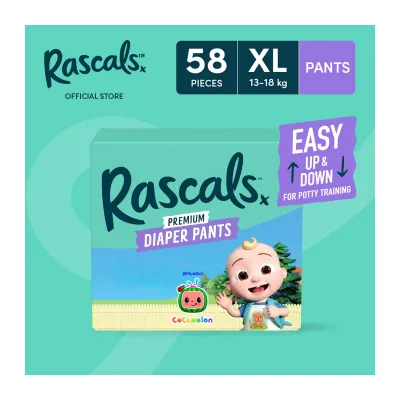
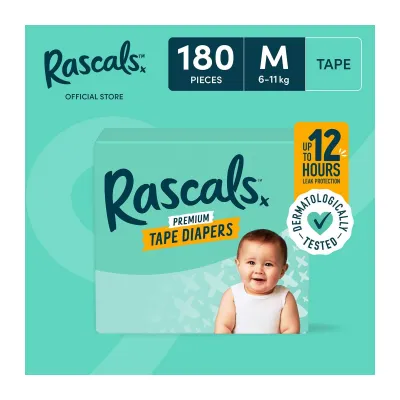
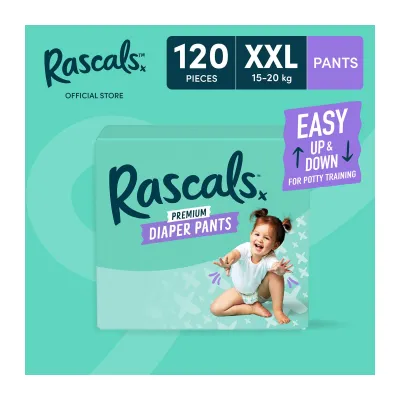
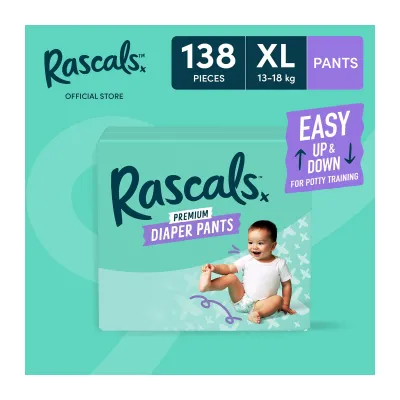
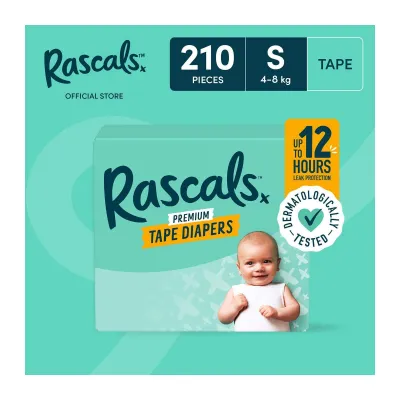
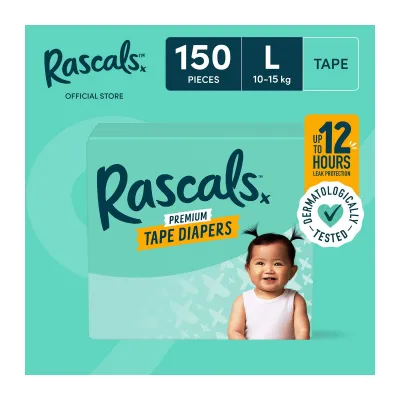
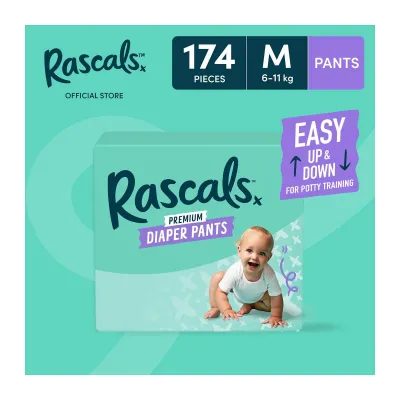
Prices are valid at publication and may change. Please refer to the product page for the latest price.
Rascal + Friends
This brand positions itself as a premium, gentle alternative to traditional disposable diapers, focusing on clean materials and robust leak protection. The design typically incorporates a high-back waistband, deep pocket depth, and a wide chassis to accommodate various baby shapes. Rascal diapers often feature plant-based components in their topsheet and outer cover, aiming to reduce the use of synthetic plastics against the skin. Caregivers should note that the exact percentage of plant-based materials can vary by product line and region, making it essential to verify the details on the packaging of your specific pack. The brand emphasizes a minimalist aesthetic, utilizing water-based inks and omitting added fragrances, lotions, or elemental chlorine processing to minimize the risk of skin irritation.
Pampers
Pampers has long been established as a mainstream benchmark in diaper technology, with a product lineup that includes lines like Premium Care and Baby Dry. The core design philosophy focuses on maintaining a slim profile even when wet, utilizing proprietary absorbent channels that distribute liquid evenly across the core. This design prevents the diaper from sagging or bunching between the baby’s legs, which can restrict movement during active play. Pampers diapers often feature a soft, lotion-infused topsheet designed to place a mild protective barrier between the skin and moisture. Because formulations and features change frequently, parents should check the packaging of their preferred Pampers line to verify the specific lotion ingredients and breathability ratings.
Huggies
Huggies focuses heavily on anatomical fit and physical barrier protection to prevent leaks and blowouts. A signature feature of many Huggies lines is the pocketed elastic waistband, which is specifically engineered to trap runny bowel movements at the lower back before they can escape. The brand utilizes secure-fit fastening systems with stretchy grip tabs that adapt to the baby’s movements. Huggies diapers often incorporate a multi-layered leak-lock system that draws moisture away from the surface and seals it deep within the absorbent core. As with other major brands, Huggies regularly updates its materials and fit technologies, meaning caregivers should inspect the outer packaging to confirm the specific features of the diaper size and style they purchase.
Comparing Absorbency: How Rascal and Other Premium Brands Handle Overnight Wetness
Absorbency is the most critical functional requirement of any disposable diaper, directly influencing both your baby’s comfort and their sleep quality. Diapers manage liquid through a combination of a fast-wicking topsheet, an acquisition-distribution layer (ADL) that spreads moisture horizontally, and a core containing Superabsorbent Polymer (SAP) mixed with wood pulp. How these elements are arranged dictates whether a diaper is better suited for rapid daytime absorption or high-capacity overnight protection.

Rascal utilizes a wide, thick absorbent core designed to hold a significant volume of liquid without leaking. This uniform padding approach provides a large surface area for absorption, making it highly effective for heavy wetters and long stretches of sleep. However, because the core does not rely heavily on segmented channels, the diaper can become noticeably bulky and heavy when fully saturated. This bulkiness is a trade-off for the high-capacity retention that many parents find reliable for overnight use.
In contrast, Pampers employs directional channeling technology that divides the absorbent core into distinct longitudinal segments. When liquid enters the diaper, these channels quickly guide it along the length of the core, preventing pooling in a single spot. This rapid distribution keeps the diaper thin and flexible, allowing the baby to move easily during the day. While highly efficient at wicking moisture away from the skin quickly, some parents find that during extended overnight wear, the slim channels can reach their physical capacity faster than a thicker, more uniform core.
Huggies balances these two approaches by combining a targeted absorption zone with robust physical barriers. Many Huggies designs feature a reinforced front zone for boys or a central zone for girls, placing extra absorbent material where it is needed most based on anatomical wetting patterns. Additionally, Huggies diapers often incorporate wider leg gussets and double barrier cuffs that act as secondary dams, catching any liquid that the core cannot immediately absorb during sudden, heavy wetting events.
To evaluate diaper absorbency and find the right fit for your baby’s needs at home, consider using this practical observation checklist over a three-to-five-day trial period:
- Skin Dryness Check: Gently touch your baby's skin during a diaper change, especially first thing in the morning. The skin should feel completely dry; any dampness indicates the topsheet is not wicking moisture away effectively.
- Core Sagging Assessment: Observe how the diaper hangs when wet. If the core bunches into a heavy ball between the thighs, it may restrict movement or cause the leg cuffs to pull away from the body, creating leak paths.
- Outer Layer Dampness: Feel the outside of a heavily saturated diaper. If the outer cover feels cold or slightly clammy, the breathable outer membrane may be allowing moisture vapor to escape too quickly, or the core may be oversaturated.
- Leak Location Tracking: Note exactly where leaks occur. Leaks at the waist usually point to fit or capacity issues, while leaks around the thighs suggest the leg cuffs are either the wrong size or not fully flared outward.
Softness and Skin Comfort: Materials and Breathability
In Singapore’s hot and humid tropical climate, skin comfort is a primary concern for parents. High humidity and constant warmth create an environment where sweat and trapped moisture can quickly lead to friction, chafing, and heat rash. The materials used in a diaper’s topsheet and outer cover play a decisive role in how well air can circulate and how gentle the diaper feels against a baby’s skin.
Rascal diapers are highly regarded for their tactile softness, utilizing non-woven fabrics that feel smooth and cotton-like to the touch. By incorporating plant-based fibers into the skin-contact layers, the diaper minimizes the synthetic, plastic feel that can sometimes cause friction against delicate skin. The outer cover is designed with micro-pores to allow heat and moisture vapor to escape, helping to keep the baby’s diaper area cool and dry even during humid afternoons.
Pampers takes a different approach to skin comfort, often focusing on a silk-like synthetic topsheet that is treated with a mild, skin-protecting lotion. This lotion is designed to create a hydrophobic barrier on the skin, reducing contact with acidic wetness. While many babies tolerate this well, parents of infants with highly sensitive skin, eczema, or specific contact allergies should carefully review the ingredient list on the packaging to ensure the lotion formulation does not trigger a reaction.
Huggies premium lines often feature textured topsheets with tiny cushions or embossed patterns. These raised structures serve a dual purpose: they create physical space between the baby’s skin and the wet diaper core, and they help trap runny newborn stool. This textured design reduces the total surface area of wet fabric directly touching the skin, which can significantly decrease the risk of friction-induced redness around the groin and buttocks.
Before purchasing diapers in bulk, parents can perform a simple physical assessment at home to evaluate tactile softness and reduce the risk of skin irritation:
- The Hand-Rub Test: Take a clean diaper, open it fully, and rub the inner topsheet firmly against the sensitive skin on the back of your hand or the inside of your wrist for ten seconds. Note if the material feels scratchy, stiff, or overly synthetic.
- The Cuff Friction Check: Examine the elasticity of the leg cuffs. Stretch them fully and let them snap back. The edges should feel soft and pliable, not sharp or rigid, as rigid edges are a primary cause of red friction marks on a baby's thighs.
- Label Verification: Check the packaging for explicit dermatological labels. Look for terms like "fragrance-free," "lotion-free," "elemental chlorine-free," or "hypoallergenic" to ensure the product aligns with your baby's skin requirements.
Fit, Elasticity, and Everyday Usability
A diaper with excellent absorbency can still leak if the fit is incorrect. Because babies come in all shapes and sizes—from long and lean to short and chunky—the elasticity of the waistband, the design of the leg cuffs, and the overall cut of the diaper are critical factors in everyday usability.
Rascal diapers are characterized by a generous, high-waisted cut and wide side tabs. This design is highly accommodating for babies with round bellies and chunky thighs, providing ample coverage that sits comfortably above the hip bones. The high back waistband is particularly effective at preventing leaks when the baby is seated. However, on very lean or petite babies, this generous sizing can result in loose gaps around the legs, meaning parents may need to size down to achieve a secure seal.
Pampers diapers feature highly elastic side panels and thin, flexible fastening tapes. This allows the diaper to wrap snugly around the baby’s waist like a second skin, adapting easily to a lean torso. The slim profile fits neatly under fitted clothing without creating bulk. The trade-off is that the waistband lacks a physical pocket or high back barrier, which can make it less forgiving during sudden, high-volume diaper emergencies.
Huggies is engineered with a focus on active fit, featuring a wide, stretchy waistband that sits snugly against the baby’s lower back. The waistband’s built-in pocket is designed to expand and catch waste, while the double-grip tabs secure the diaper firmly at the hips to prevent sagging during crawling or walking. This snug, structured fit is excellent for active toddlers, though parents should monitor the skin around the waist and thighs to ensure the elastic is not adjusted too tightly.
As babies grow, their movement patterns and diapering needs change, prompting a transition from taped diapers to pull-up pants. This transition typically occurs when the baby becomes too active to lie still during changes. When moving to pants, caregivers should note that the fit dynamics change significantly:
- Waistband Construction: Pull-up pants rely on a 360-degree elastic waistband rather than adjustable tape tabs. This elastic must be soft enough to stretch easily over the hips but snug enough to remain secure without sagging.
- Absorbency Distribution: Because pull-up pants are designed for older, upright babies, the absorbent core is often distributed differently than in taped diapers, sometimes featuring reinforced coverage through the center and front to handle rapid daytime wetting.
- Ease of Removal: Look for pants with easy-tear sides, which allow you to remove a soiled diaper quickly without pulling it down the baby's legs, minimizing the risk of spreading a mess.
Evaluating Price and Value for Money in Singapore
Diapering is a significant, ongoing household expense, making it essential to look past the retail price of a single pack and calculate the true cost of use. Because pack counts vary widely between brands, sizes, and product lines, comparing prices directly by the bag can be misleading.
To find the true cost, always calculate the cost per individual diaper using this simple formula:
$$\text{Cost per Diaper} = \frac{\text{Total Pack Price (S\$)}}{\text{Total Number of Diapers in the Pack}}$$
When conducting this calculation, parents often find that premium brands like Rascal have a higher upfront cost per unit than standard or budget options. However, evaluating value requires looking at overall usage patterns. For example, if a highly absorbent premium diaper keeps your baby dry overnight without leaks, you may use only one diaper instead of two during the night. Additionally, minimizing leaks reduces the volume of laundry and the need for expensive diaper rash creams, which can offset a higher initial diaper cost.
To manage diapering costs effectively in Singapore, consider these practical purchasing strategies:
- Bulk and Bundle Buying: Purchasing diapers in cartons or multi-pack bundles from official brand stores or major local supermarkets often yields a lower cost per unit than buying single packs.
- Subscription Programs: Many online retailers and e-commerce platforms offer subscription services that provide a percentage discount on recurring deliveries, ensuring you always have diapers on hand at a lower price.
- Warehouse Clubs and Baby Fairs: Keep an eye out for bulk promotions at local warehouse clubs or major baby fairs, where brands frequently offer deep discounts, free samples, or gift-with-purchase deals.
Decision Framework: Which Premium Diaper Should You Choose?
To help you make the final purchasing decision, use this clear, conditional framework to match your baby’s specific needs with the right premium brand:
- Choose Rascal if: Your baby has highly sensitive skin, eczema, or a reaction to fragrances and lotions; you prefer generous, high-waisted coverage for a rounder baby; or you prioritize a thick, high-capacity core for overnight dryness.
- Choose Pampers if: Your baby is long and lean; you prefer a slim-fit diaper that fits easily under clothing; and you prioritize rapid, channel-based liquid distribution to keep your baby dry during active daytime play.
- Choose Huggies if: Your baby is highly active, crawling, or walking; you frequently experience back leaks or blowouts; and you need a snug, pocketed waistband that moves securely with your baby's body.
Verify first if… If your baby experiences persistent skin redness, severe diaper rash, or chronic discomfort that does not improve after changing diaper brands, stop using the product immediately. Consult a qualified pediatrician or dermatologist to rule out contact dermatitis, yeast infections, or other underlying skin conditions before continuing use of any disposable diaper.
Frequently Asked Questions (FAQ)
Are Rascal + Friends diapers fully biodegradable?
No, Rascal + Friends diapers are not fully biodegradable. While the brand incorporates sustainable, plant-based materials into certain layers of the diaper to reduce environmental impact, the diaper still contains synthetic plastics, elastic elastomers, and superabsorbent polymers (SAP) in the core to ensure reliable leak protection and structural integrity. These synthetic components do not break down easily in landfills. Caregivers should read the specific packaging labels for detailed material breakdowns and consult local Singapore waste management guidelines to understand the proper disposal methods for disposable diapers.
Can I mix different diaper brands for day and night use?
Yes, mixing diaper brands is an excellent and highly cost-effective strategy used by many parents. You can optimize both performance and budget by using a slimmer, more flexible, and potentially lower-cost diaper during the day when changes are frequent and your baby is active. At night, you can switch to a high-capacity, highly absorbent premium diaper to ensure your baby remains dry and comfortable through long hours of sleep, minimizing nighttime awakenings due to wetness.
How do I know if a diaper is causing a rash?
To determine if a diaper is causing a rash, you must distinguish between friction rash and contact dermatitis. A friction rash typically appears as localized red lines or chafing where the elastic waistbands or leg cuffs rub against the skin, suggesting the diaper is too tight or misaligned. Contact dermatitis presents as a widespread, red, or bumpy rash across the entire diaper area, often caused by a sensitivity to the diaper’s materials, added fragrances, or prolonged exposure to trapped moisture. If a rash persists, worsens, blisters, or causes your baby significant distress, stop using the diaper immediately and consult a qualified healthcare professional for an accurate diagnosis and treatment plan.
Community discussion
Share your experience or ask a question. Comments are reviewed before publication.