
Finding the right diaper for a larger toddler in Singapore requires balancing physical fit, absorbency, and cost. Rascal XXXL pants offer a generous cut designed for older toddlers, but determining how they compare to other premium diaper brands depends heavily on your child’s specific body shape, activity level, and skin sensitivity. Because independent laboratory test results are rarely public, parents must evaluate these premium options by examining packaging specifications, inspecting physical design elements, and conducting real-world fit checks at home. Larger toddlers transitioning into XXXL pull-up pants are navigating active developmental stages, often weighing upwards of 15 to 18 kilograms or more, depending on the manufacturer’s specific sizing guidelines. At this stage, standard diaper designs often fall short, leading to common issues like leg gap leaks during active play, red marks from waistbands digging into the skin, and insufficient absorbency during long overnight stretches. By systematically comparing physical features and label claims, caregivers can find the optimal balance of comfort and protection.
As toddlers grow more active, their movements become more varied and vigorous. Running, climbing, and jumping put immense stress on diaper seams and elastics, making a secure yet flexible fit essential. A diaper that fits perfectly while the child is standing still may gap or pinch when they sit or crawl. Therefore, evaluating a diaper’s performance requires observing it in motion. By understanding what to look for on the packaging and how to test the physical product, you can make an informed decision that keeps your toddler dry and comfortable throughout the day and night.
Evaluating Rascal XXXL Pants: Specifications and Observable Features
To assess whether Rascal XXXL pants are suitable for your toddler, begin by examining the manufacturer’s packaging for specific weight ranges and physical dimensions. Because sizing standards vary widely between brands, the weight recommendation printed on the pack serves as a primary baseline rather than an absolute rule. Carefully inspect the waistband stretch and the height of the leg cuffs on a fresh diaper. A high-quality pull-up should offer a highly elastic, multi-strand waistband that expands easily without applying excessive pressure to the toddler’s abdomen.
Products mentioned in this guide
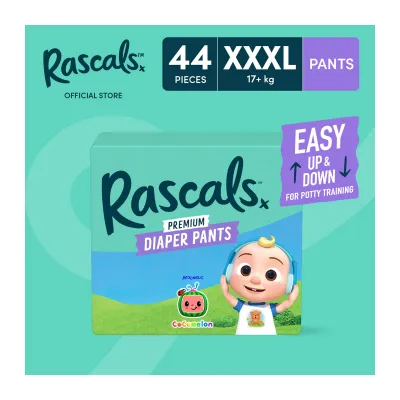
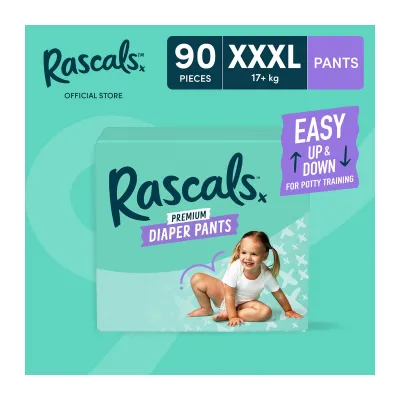
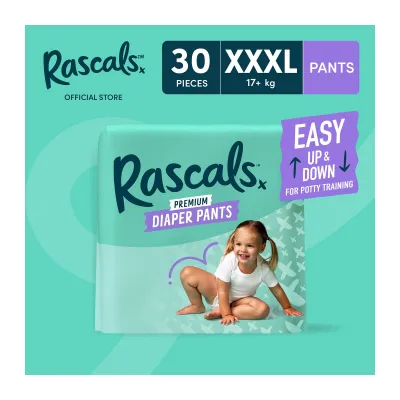
Prices are valid at publication and may change. Please refer to the product page for the latest price.
Next, evaluate the core absorbent layer and the surface materials. Run your fingers over the inner lining to check the texture; a premium diaper should feel soft and smooth to minimize friction against sensitive skin during movement. Look for packaging claims regarding breathability, which often indicate a microporous outer cover designed to let heat escape. For active toddlers who are toilet training or constantly on the move, check for practical design features like tear-away side seams. These allow for quick, mess-free removal during diaper changes without needing to slide a soiled diaper down the child’s legs. Always supervise your toddler during changes and follow the manufacturer’s instructions for safe disposal.
Additionally, observe how the diaper behaves when fully stretched. Gently pull the waistband to its maximum limit to gauge its elasticity and recovery. A good waistband should return to its original shape without losing its elasticity or showing signs of tearing. Inspect the side seams to ensure they are securely bonded yet easy to tear open when intentional pressure is applied. These physical checks provide valuable insight into the diaper’s durability and ease of use during daily routines.
Comparing Rascal XXXL Against Competing Premium Brands
To make an informed comparison, gather alternative premium diaper brands available in Singapore that offer XXXL or equivalent large-size pull-up pants. Laying these options side-by-side allows you to perform a direct physical and visual assessment. Start by reading the product labels to compare the stated absorbency technologies and material compositions. Different brands utilize distinct proprietary core designs, and understanding these differences on paper is the first step toward finding the right match for your child’s needs.

The premium diaper market in Singapore features a variety of options, including Japanese-style pull-ups known for their softness and European brands focused on eco-friendly materials. When comparing these options to Rascal, look for differences in overall dimensions, waistband thickness, and core placement. Some brands design their diapers with a higher rise in the front or back, which can significantly affect how they fit different body types. By comparing these physical attributes, you can narrow down which brands are most likely to provide a secure and comfortable fit for your toddler.
Absorbency and Leak Protection Structures
When comparing the core construction of Rascal XXXL pants against other premium brands, look closely at the packaging for mentions of multi-channel core designs or wetness indicators. Multi-channel cores are engineered to distribute liquid evenly throughout the diaper, preventing sagging and clumping when wet. A wetness indicator is a helpful visual cue, though its presence varies by brand and size.
Next, physically inspect the inner leg gathers, which act as the primary barrier against leaks. Compare the height and stiffness of these elastic barriers across different brands. Taller, more resilient leg gathers generally provide better containment for active toddlers, especially those prone to side leaks. To truly evaluate how these structures perform under pressure, advise conducting a controlled overnight test with each brand. Observe how well the diaper holds up over a twelve-hour period and check for any dampness on the toddler’s pajamas in the morning. If persistent leaks occur or skin irritation develops, stop using that specific brand and consult a healthcare professional if a rash persists.
During your overnight test, pay attention to how the absorbent core expands. Some cores swell uniformly, while others may clump in the center, which can cause discomfort and lead to leaks. A well-designed core should lock moisture away from the surface, leaving the inner lining dry to the touch even when fully saturated. Testing each brand under identical conditions will help you identify which one offers the most reliable leak protection for your toddler’s sleep patterns.
Comfort, Breathability, and Skin Contact
The humid climate of Singapore makes breathability and material softness critical factors in preventing diaper rash and skin irritation. Feel the inner lining and the outer cover of each diaper to compare their softness and perceived thickness. Thinner diapers are often highly breathable, but they must still possess a robust absorbent core to prevent moisture from sitting against the skin.
Examine the packaging for dermatological testing claims, hypoallergenic certifications, or statements indicating the absence of chlorine, fragrances, and latex. These certifications are dynamic, so parents should verify them directly on the manufacturer’s official website or packaging updates. After your toddler wears a new brand for a few hours, monitor their skin closely. Check the waistband and thigh areas for redness, deep elastic marks, or sweat buildup. If you notice persistent chafing or signs of an allergic reaction, discontinue use immediately and seek advice from a qualified pediatrician.
To further assess breathability, observe how warm the diaper feels to the touch when you remove it. A diaper with poor airflow will often feel hot and damp on the inside, trapping moisture against the skin. In contrast, a highly breathable diaper will feel relatively dry and cool, indicating that air is circulating effectively. Choosing a diaper that promotes airflow is essential for maintaining healthy skin in tropical environments.
Assessing Value: Cost Per Diaper and Purchasing Strategies
Evaluating premium diapers requires looking beyond the initial shelf price to calculate the true cost per piece. To do this, divide the total retail price of the pack by the exact number of diapers contained inside. Because larger sizes like XXXL typically have fewer diapers per pack, the cost per piece in S$ can rise significantly, making this calculation essential for long-term budgeting.
To optimize your spending, compare bulk-buy options, subscription discounts, and bundle deals available on major online marketplaces or official brand stores in Singapore. Many retailers offer substantial savings when purchasing cartons instead of individual packs. However, warn against assuming that a higher upfront price automatically translates to superior performance or better value. Instead, align the cost per diaper with your toddler’s actual daily usage rate; a slightly more expensive diaper that lasts overnight without leaking may ultimately save you money compared to a cheaper option that requires frequent changes and extra laundry.
When planning bulk purchases, also consider your storage space and your toddler’s growth rate. While buying in bulk offers the best unit price, purchasing too many cartons of a single size can be risky if your toddler is on the verge of a growth spurt or transitioning to toilet training. Balance the savings of bulk buying with the flexibility of smaller purchases to avoid being left with excess diapers that no longer fit.
Decision Framework: Which Premium Brand Fits Your Toddler?
Choosing the right premium diaper comes down to matching your toddler’s physical build and daily routine with the specific strengths of each brand. Consider choosing Rascal XXXL pants if their stated weight range, generous waistband stretch, and calculated cost-per-diaper align well with your toddler’s daytime activities and your household budget. Their design is often well-suited for active children who need a comfortable, non-restrictive fit during play.
Conversely, you may want to opt for a competing premium brand if your toddler has highly sensitive skin requiring specific certified hypoallergenic materials, or if they need specialized overnight absorbency structures that Rascal does not provide. Before making a final decision, verify whether your toddler is currently between sizes. Sizing up to an XXXL prematurely can result in loose leg gaps, which will cause leaks regardless of the brand’s quality or technology. Always prioritize a snug, gap-free fit around the thighs and waist to ensure reliable protection.
To help guide your decision, create a simple checklist of your top priorities, such as daytime flexibility, overnight capacity, or skin sensitivity. Test a single pack of your top candidates before committing to a bulk purchase. This hands-on approach ensures you find a diaper that meets your toddler’s unique needs while providing the best value for your family.
Frequently Asked Questions (FAQ)
How do I know if my toddler is ready for XXXL pull-up diapers?
While weight ranges printed on the packaging serve as a primary guide, physical and behavioral signs are often more accurate indicators. If you notice deep red marks on your toddler’s thighs or waist after wear, the current size is too tight. Additionally, frequent leaks from a correctly fitted smaller diaper often indicate that your child’s urine volume has outgrown the diaper’s absorbent capacity, signaling that it is time to transition to an XXXL size.
Can I use XXXL diapers overnight if they are marketed for daytime use?
You can use standard XXXL pull-up pants overnight, but you should first check the packaging for maximum absorbency claims or specific hour-rating indicators. Some daytime diapers are designed to handle extended wear, while others may saturate quickly during sleep. If you experience consistent overnight leaks, consider switching to a dedicated overnight variant, or consult the manufacturer’s guidelines to see if a different size or specialized booster pad is recommended.

Community discussion
Share your experience or ask a question. Comments are reviewed before publication.