
Finding the right premium diaper for your baby often comes down to a balance of reliable absorption, a secure fit, and skin comfort. While many brands promise leak-free days and nights, every baby’s physical build and activity level are unique, meaning a diaper that works perfectly for one infant might cause leaks or red marks on another.
When comparing premium options like Rascal XL, MamyPoko, and Moony, the ideal choice depends heavily on your baby’s current developmental stage and body shape. Generally, manufacturers design these brands with distinct priorities in mind: Rascal XL is often structured with a generous cut and high waistband for active, larger babies; MamyPoko typically focuses on high-capacity, multi-layer absorption cores; and Moony emphasizes material softness and a gentle, conforming fit for sensitive skin.
Because individual fit and performance vary, parents are highly encouraged to purchase small trial packs or request samples before investing in bulk cartons. Testing a few diapers in real-world conditions—especially during overnight sleep and active daytime play—is the most reliable way to determine which brand suits your baby’s needs.
Products mentioned in this guide
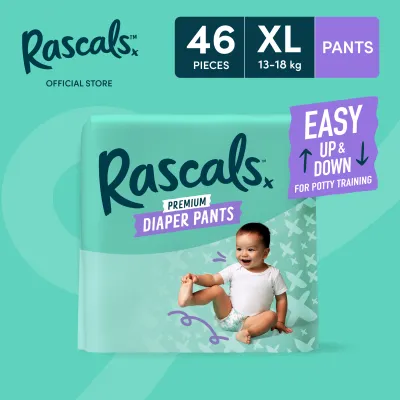
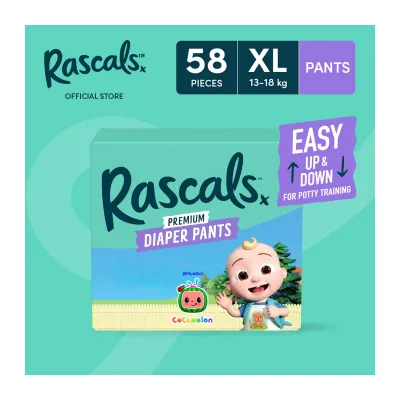
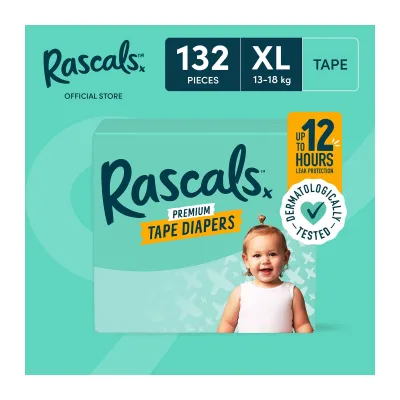
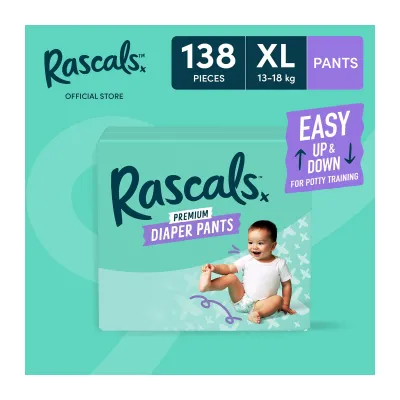
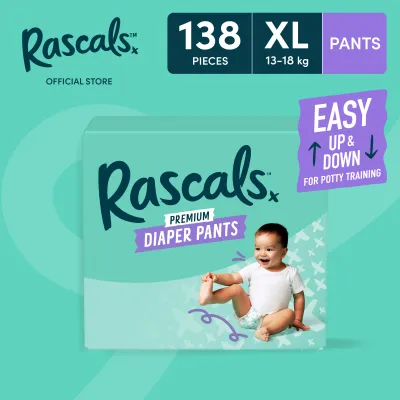
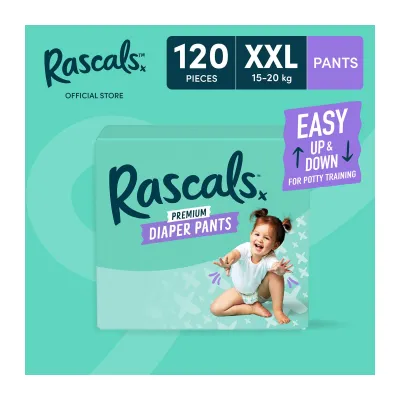
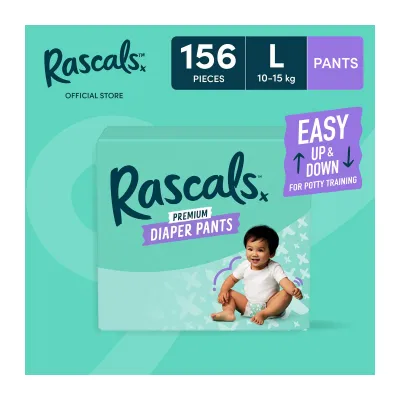
Prices are valid at publication and may change. Please refer to the product page for the latest price.
Evaluating Absorption and Leak Protection
When evaluating how well a diaper manages moisture, it is essential to look past marketing buzzwords and understand the underlying design features. Manufacturers of premium diapers like Rascal XL, MamyPoko, and Moony use different absorbent core technologies, often described on packaging as “3D core designs,” “super absorbent polymers (SAP),” or “multi-channel distribution layers.”
To assess these claims, start by examining the diaper’s packaging for specific performance indicators. Many premium brands advertise “up to 12 hours of dryness” or designate specific lines for “overnight use.” These labels generally indicate a higher concentration of super absorbent polymers designed to lock away moisture over extended periods. However, these hours are estimates based on average urine output; actual performance depends on your baby’s hydration levels, feeding schedule, and whether they are heavy wetters.
In daily use, you can evaluate absorption quality through several observable signs. A high-performing diaper should distribute wetness evenly throughout the core rather than allowing it to pool in a single spot, which causes heavy sagging. Sagging not only restricts your baby’s movement but can also pull the waistband down, leading to gaps and subsequent leaks. You should also check the inner liner of a wet diaper during changes; the surface should feel relatively dry to the touch, indicating that moisture has been successfully drawn away from your baby’s skin.
Furthermore, external factors heavily influence how well any diaper absorbs. As babies grow, their bladder capacity increases, leading to larger, more sudden releases of urine. A baby’s sleeping position also plays a major role; front-sleepers may experience leaks if the diaper lacks sufficient front absorption coverage, while side-sleepers require robust side barriers. Understanding these variables helps you identify whether a leak is due to a failure of the diaper’s core or simply a mismatch with your baby’s current sleeping habits and output volume.
Assessing Fit, Comfort, and Skin Health
A diaper’s fit is directly linked to both leak prevention and skin health, especially in Singapore’s warm and humid climate. Even the most absorbent diaper will leak if there are gaps around the legs or waist, while a diaper that is too tight can cause painful friction marks and trap moisture against the skin.

When comparing Rascal XL, MamyPoko, and Moony, pay close attention to the physical construction of the waistband and leg cuffs. Look for a wide, highly elastic waistband that stretches comfortably without digging into your baby’s abdomen. The leg cuffs, often referred to as inner and outer gathers, should stand upright and wrap snugly around the thighs. A double-layer cuff design provides an extra barrier against liquid feces and sudden urine surges, which is particularly important for active toddlers.
Skin health is another critical factor when selecting a premium diaper. Parents should carefully read material labels to verify skin-friendly features. Look for terms like “breathable outer cover,” which allows hot air and moisture to escape, reducing the risk of diaper rash. Some brands incorporate lotion-infused inner sheets, organic cotton blends, or pH-balanced materials designed to minimize irritation. Ensure the packaging explicitly states that the diapers are fragrance-free and elemental chlorine-free if your baby has highly sensitive skin.
To monitor fit and comfort during use, establish a regular inspection routine. After removing a diaper, check your baby’s skin for red marks or indentations around the thighs and waist, which indicate the diaper is too small or the elastic is too restrictive. Conversely, if you notice frequent side leaks or gaps when your baby bends and crawls, the diaper may be too large or poorly shaped for their body type. A well-fitting diaper should allow you to slide two fingers comfortably under the waistband while maintaining a snug seal around the legs.
Feature and Specification Verification Checklist
Because sizing standards vary significantly between brands, parents should not rely solely on the “XL” label. An XL diaper from one manufacturer may have a completely different weight range and physical dimension compared to another. To make an accurate comparison, use a structured verification approach.
Before purchasing, create a simple comparison checklist based on the specifications printed on the diaper packaging:
- Weight Range: Verify the recommended weight limits (e.g., 12–17 kg vs. 13–25 kg) to ensure your baby falls safely within the range.
- Format: Note whether the diaper is available in open tape or pull-up pants format, as pants often offer a more snug, underwear-like fit for active toddlers.
- Wetness Indicator: Check if the diaper features a color-changing wetness strip, which helps caregivers monitor changes without opening the diaper.
- Pack Count: Compare the total number of diapers per pack, as premium brands often adjust pack counts to maintain a standard price point.
For older or larger babies transitioning into XL sizes, specific design features become increasingly important. Look for diapers with reinforced, wider tape tabs if using open diapers, or tear-away side seams if using pants. Additionally, check for deeper pocket designs at the back of the diaper, which are specifically engineered to contain messy blowouts during active daytime movement or long periods of sitting.
Decision Framework: Matching the Diaper to Your Baby
To finalize your choice among Rascal XL, MamyPoko, and Moony, align each brand’s design characteristics with your baby’s physical traits and your daily parenting priorities.
Choose Rascal XL if:
- Your baby has a rounder belly or thicker thighs, as this brand is designed with a generous, high-waisted cut that prevents rolling and digging.
- Your baby is highly active, crawling, or walking, and requires a secure fit that stays in place during vigorous movement.
- You prefer a modern, minimalist design with a high back-sheet to prevent blowouts.
Choose MamyPoko if:
- Your primary goal is maximum overnight dryness, and you need a diaper capable of handling heavy, concentrated wetting without leaking.
- You want a reliable, widely available diaper with a proven track record of high-capacity absorption cores.
- Your baby sleeps for long stretches, and you require a diaper that keeps moisture locked away from the skin for several hours.
Choose Moony if:
- Your baby has highly sensitive skin that is prone to redness, diaper rash, or friction irritation.
- You prioritize ultra-soft, cloth-like materials and organic cotton blends that feel gentle to the touch.
- You prefer a snug, conforming fit that adapts gently to your baby's natural curves without requiring tight elastics.
Verify first if:
- Your baby has a history of severe diaper rash, eczema, or specific material allergies. In these cases, always consult a pediatrician or dermatologist before switching brands, and carefully review the ingredient list of any lotion-infused liners.
Purchasing Channels and Price Verification
To ensure you are getting genuine products that meet strict safety and quality standards, always purchase premium diapers through authorized channels. In Singapore, these include official brand stores on major e-commerce platforms, reputable local supermarkets, and specialized baby care retailers.
When comparing the cost-effectiveness of Rascal XL, MamyPoko, and Moony, do not rely on the retail price per pack alone. Because pack counts vary significantly between brands and sizes, the most accurate method is to calculate the cost per individual diaper. To do this, divide the total price of the pack by the number of diapers inside:
Cost per Diaper = Total Pack Price (S$) / Number of Diapers
Using this formula allows you to make fair comparisons across different bundle deals, subscription services, and promotional discounts.
Finally, exercise caution when purchasing from unauthorized third-party sellers on online marketplaces. While these listings may offer lower prices, they carry a high risk of counterfeit goods, expired stock, or poorly stored items. Counterfeit diapers often lack proper absorbent polymers and breathable layers, which can lead to severe leaks, skin irritation, and chemical exposure. Investing in authentic products from trusted retailers ensures your baby’s safety, comfort, and hygiene.

Community discussion
Share your experience or ask a question. Comments are reviewed before publication.