
Finding the right diaper for your baby in Singapore often feels like a continuous process of trial and error. While packaging labels promise ultimate dryness and leak protection, the actual performance of a diaper depends heavily on your baby’s unique body shape, skin sensitivity, and daily movement patterns. When comparing Rascal + Friends Size M against other household names like MamyPoko, Pampers, and Huggies, there is no single universal winner. Instead, the goal is to find the specific design that matches your baby’s current growth stage and your family’s daily routine.
By focusing on observable design features, material compositions, and practical cost-per-diaper calculations, you can cut through the marketing noise. This guide provides a structured framework to help you evaluate these popular brands side by side, allowing you to make an informed decision based on your baby’s comfort and your household budget.
Evaluating Size M Fit and Physical Design
When comparing diaper brands, the physical cut and sizing structure are the first elements to evaluate. While all these brands offer a Size M, the actual fit can vary significantly because babies of the same weight often have very different body proportions. Before purchasing a bulk carton, always check the manufacturer’s stated weight range on the packaging to ensure your baby falls within the recommended limits. Keep in mind that weight ranges often overlap between sizes, and a baby with rounder thighs or a higher waist may need to transition sooner than a leaner baby of the same weight.
Products mentioned in this guide
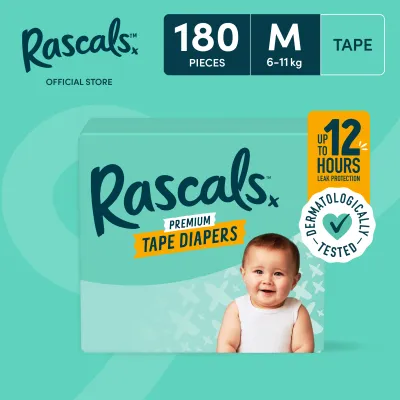
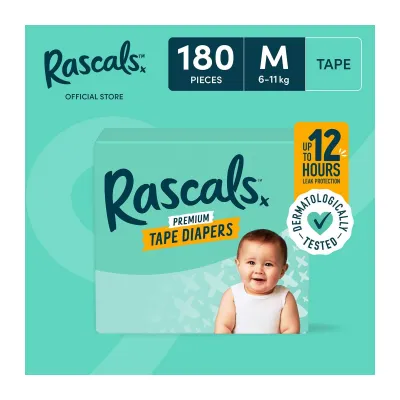
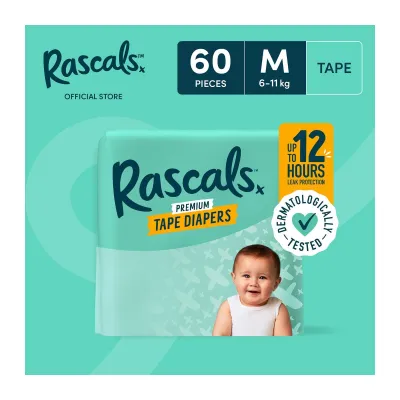
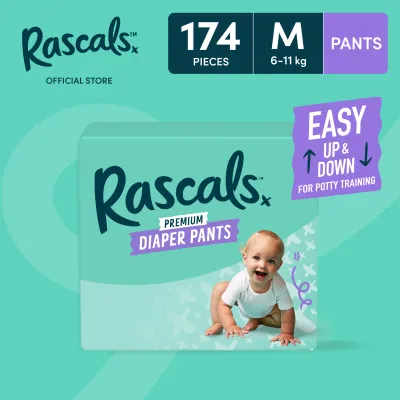
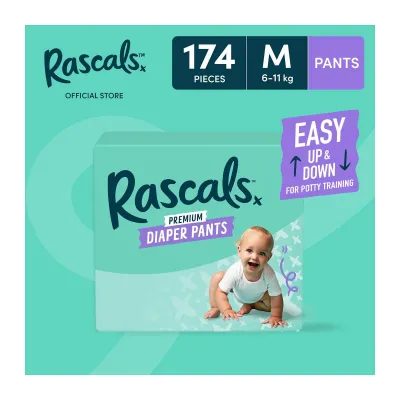
Prices are valid at publication and may change. Please refer to the product page for the latest price.
The design of the waistband and leg cuffs plays a critical role in preventing leaks while keeping your baby comfortable. Look closely at the elasticity of the waistband; a wide, stretchy back elastic helps keep the diaper snug against the lower back, which is particularly useful for preventing blowouts when your baby is lying down. Examine the leg cuffs to see how they sit against your baby’s skin. They should provide a secure seal without leaving deep, red indentation marks, which indicate that the elastic is too tight or the diaper cut is too narrow for your baby’s thighs.
Wetness indicators are another practical feature to observe during daily use. Most modern disposable diapers include a color-changing line on the outside that shifts from yellow to blue or green when wet. Check the placement and clarity of this indicator across different brands. While highly convenient for quick checks, especially for newborn and infant stages, some parents find that as babies reach Size M and diaper changes become more scheduled, they rely less on the indicator and more on the physical fullness of the diaper.
Finally, observe the overall cut and rise of the diaper. Some brands, such as Rascal + Friends, are widely noted for having a deeper pocket and a higher rise, which can provide more coverage over the stomach and back. Other brands like Pampers or Huggies may offer a more contoured, narrower fit that aligns well with leaner, highly active babies who are beginning to crawl or pull themselves up. Testing a single pack of each brand allows you to observe how the physical cut accommodates your baby’s specific mobility level and body shape.
Comparing Absorbency and Leak Protection Strategies
A diaper’s primary job is to manage moisture effectively, keeping your baby’s skin dry and preventing leaks during both active daytime play and long overnight sleep stretches. When evaluating absorbency, start by reviewing the packaging claims regarding core technology. Manufacturers use various terms to describe their absorbent cores, such as channel designs, superabsorbent polymers (SAP), or specialized distribution layers. These technologies are designed to draw liquid away from the surface quickly and distribute it evenly throughout the diaper core.

In real-world usage, you can assess how well a diaper handles heavy wetting by observing the inner lining during changes. Gently touch the top sheet of a wet diaper; it should feel relatively dry to the touch, indicating that the core is successfully locking moisture away from your baby’s skin. Also, observe how the diaper behaves as it fills. Some diaper cores tend to clump or sag heavily between the legs when wet, which can restrict your baby’s movement and increase the risk of sagging-related leaks, while others maintain their shape and distribute wetness more uniformly.
The height and flexibility of the inner leak guards—the standing ruffles inside the leg cuffs—are crucial for containing sudden, heavy wetness or loose stools. When putting the diaper on, ensure these guards are fully extended and pointing outward rather than folded inward. A high, flexible leak guard creates an effective physical barrier that accommodates sudden movements, reducing the likelihood of side leaks when your baby is rolling, crawling, or sleeping on their side.
To optimize leak protection, match the diaper’s observed absorbency profile to your baby’s specific routine. If your baby is a heavy wetter or sleeps for long, uninterrupted stretches at night, you may want to reserve a highly absorbent, thicker diaper for bedtime. For daytime use, when changes are naturally more frequent to maintain hygiene, a lighter, more flexible diaper may be more practical and comfortable, allowing for greater freedom of movement during play.
Assessing Comfort, Breathability, and Skin Sensitivity
Your baby’s skin is incredibly delicate, making material comfort and breathability top priorities when selecting a diaper brand. Start by physically feeling the texture of both the inner top sheet and the outer backsheet of the diaper. The materials should feel soft, smooth, and flexible to the touch. Stiff or scratchy materials can cause friction against your baby’s skin, especially around the waist and thighs where movement is constant, leading to chafing and discomfort.
It is also essential to check the ingredient and material labels on the diaper packaging, particularly if your baby has sensitive skin, eczema, or a history of diaper rash. Look for details regarding the presence of added lotions, fragrances, elemental chlorine, latex, or dyes. Some brands emphasize formulations that are free from these additives to minimize the risk of contact dermatitis. If your baby has known skin sensitivities, choosing a diaper with a simple, fragrance-free composition is often a safer starting point.
Breathability is another critical factor in maintaining healthy skin, especially in warm, humid climates. Evaluate the packaging for claims regarding breathable outer covers or micro-pores that allow heat and moisture vapor to escape while keeping liquid contained. You can observe breathability in practice by checking if your baby’s skin feels damp, sweaty, or unusually warm during diaper changes. A diaper with poor airflow can trap heat and moisture, creating an environment that encourages the growth of yeast and leads to diaper rash.
Monitor your baby’s skin closely for any signs of redness, irritation, or localized rashes after introducing a new diaper brand. While a diaper may be highly absorbent, its specific material blend might not agree with your baby’s skin chemistry. If you notice persistent irritation that does not improve with regular diaper changes and barrier creams, stop using that brand and consult a qualified healthcare professional or pediatrician for personalized advice.
Calculating True Value and Cost per Diaper
When managing household expenses, comparing the upfront price of a diaper pack can be highly misleading. Diaper packs come in various sizes, and the number of diapers per pack often decreases as the diaper size increases. To find the true financial value, always calculate the exact cost per diaper by dividing the total price of the pack by the number of diapers inside. This simple calculation allows you to compare different brands and packaging sizes on an equal footing.
The packaging configuration you choose also has a significant impact on the unit cost. Standard retail packs are convenient for testing a new brand, but they generally carry a higher cost per diaper. Once you have identified a brand that fits your baby well and does not cause skin irritation, transitioning to bulk boxes or carton deals is usually the most economical choice. These larger configurations significantly reduce the unit cost and ensure you have an adequate supply on hand.
To maximize your savings, explore different purchasing channels and promotional opportunities. Many official brand stores and online marketplaces in Singapore offer recurring delivery options, subscription discounts, or bundle deals that can lower your ongoing diaper expenses. Additionally, keep an eye out for major shopping events or seasonal promotions, which are excellent times to stock up on your preferred brand in bulk, provided your baby is not about to outgrow the current size.
Finally, remember to factor in the hidden costs of a poorly fitting or low-performing diaper. A cheaper diaper that frequently leaks, sags, or causes diaper rash can quickly become more expensive in the long run. You may find yourself changing the diaper much more frequently, running extra loads of laundry due to blowouts, or spending more on specialized diaper rash creams and skin treatments. Investing in a diaper that fits securely and keeps your baby dry can ultimately save both time and money.
Decision Framework: Matching the Diaper to Your Baby
Selecting the right diaper is a highly individual decision that depends on your baby’s physical build, skin sensitivity, and your daily routine. To help structure your choice, consider the following conditional guidelines based on common parental observations:
- Consider trying Rascal + Friends Size M if your baby has a rounder, chunkier build with fuller thighs, or if they have highly sensitive skin that reacts to added fragrances. Its wider cut, high waistband, and fragrance-free design are well-suited for babies who need extra coverage and a gentle material composition.
- Opt for MamyPoko, Pampers, or Huggies if your baby has a leaner, more slender build, or if you find that their specific core designs and leg cuff structures provide a more secure, leak-free seal for your baby's unique shape and active movements.
- If you experience frequent leaks or blowouts despite correct application, your baby may currently be between sizes. Check the manufacturer's weight chart on the packaging; if your baby is near the upper weight limit of Size M, try testing a small pack of Size L to see if the larger capacity and higher rise resolve the issue.
- For babies with known skin allergies or severe eczema, do not rely solely on packaging claims. Always cross-reference the exact material composition listed on the diaper box with professional pediatric advice to ensure the materials are safe for your baby's specific skin condition.
Frequently Asked Questions (FAQ)
How do I know if it is time to move up from Size M?
You can identify the need to transition to a larger size by observing several physical and practical signs. If you notice persistent red marks or elastic indentations around your baby’s thighs or waist, the diaper is likely too tight. Frequent leaks or blowouts, even when the diaper is fastened correctly, also indicate that the absorbent core can no longer handle your baby’s wetness volume. Additionally, if the fastening tabs sit far apart near the hips rather than meeting comfortably near the center of the waistband, or if your baby’s weight is approaching the upper limit of the Size M range, it is time to try the next size up.
Is it effective to use different brands for daytime and nighttime?
Yes, using a dual-brand strategy is a highly practical and cost-effective approach for many families. During the day, when your baby is active and you are changing diapers frequently to maintain hygiene, you can use a lighter, more flexible, and potentially more economical brand. For overnight sleep, when you want to avoid waking your baby for changes, you can switch to a highly absorbent, premium diaper designed specifically to lock away moisture for extended periods. This combination allows you to balance daytime cost-efficiency with overnight leak protection and comfort.

Community discussion
Share your experience or ask a question. Comments are reviewed before publication.