
Finding the perfect diaper is rarely about finding a single, globally superior brand. Every baby has a unique body shape, skin sensitivity level, and wetting pattern, meaning the ideal choice is highly individual. Rascal diapers have gained significant popularity by offering a generous fit, excellent high-waist coverage, and reliable everyday absorbency at a competitive price point. They compete exceptionally well on overall value and structural design, making them a favorite for parents looking to prevent back blowouts.
However, established premium brands still hold an advantage in highly specialized areas. Some legacy brands offer dedicated overnight lines designed specifically for ultra-heavy wetters, while others focus on dermatologically certified, organic materials tailored for babies with severe skin conditions. For most families, Rascal represents a highly capable, cost-effective daily option, but the final decision should always rest on a short, hands-on trial period rather than marketing promises.
How to Evaluate Rascal vs. Other Brands on Key Performance Metrics
Selecting a diaper brand requires looking beyond cute prints and brand names. To make an objective comparison, parents must evaluate how different designs perform across three critical dimensions: absorbency, comfort, and fit. Understanding the engineering behind these products allows you to assess their performance systematically.
Products mentioned in this guide
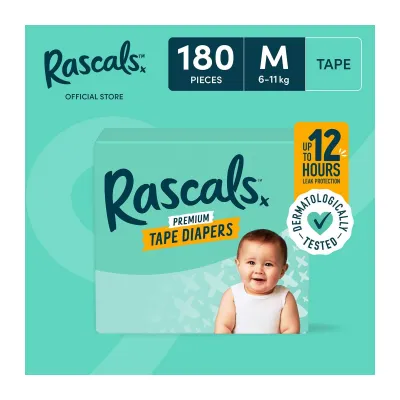
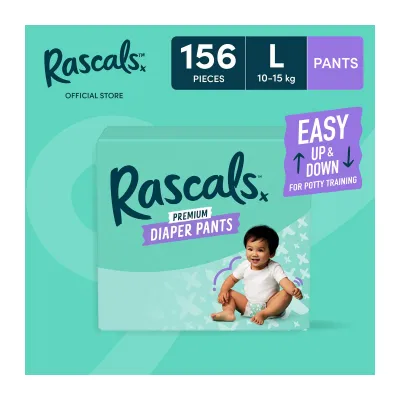
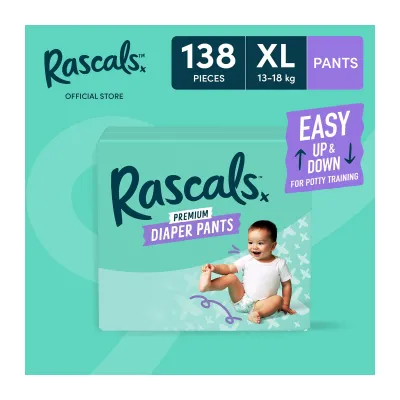
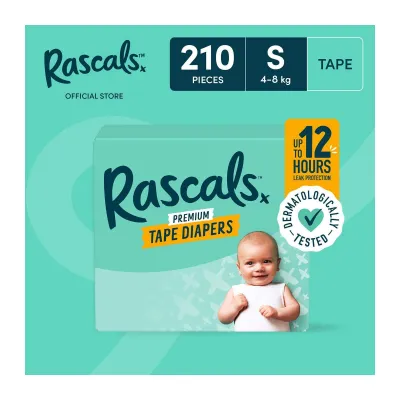
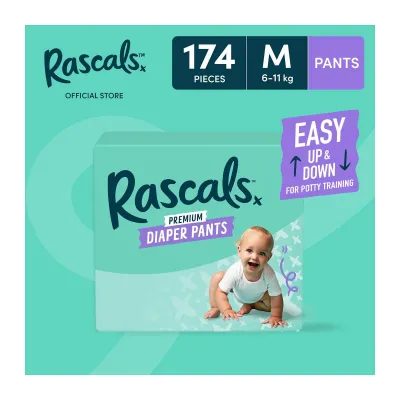
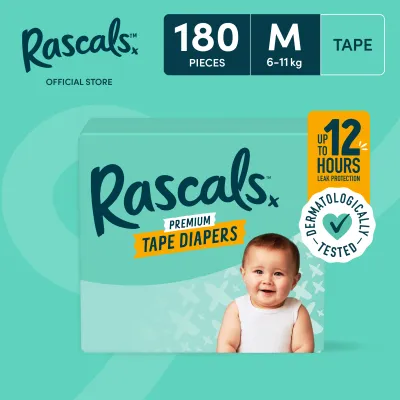
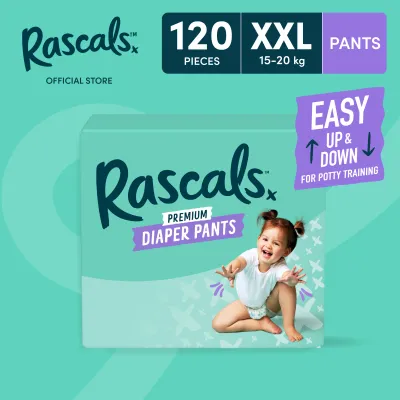
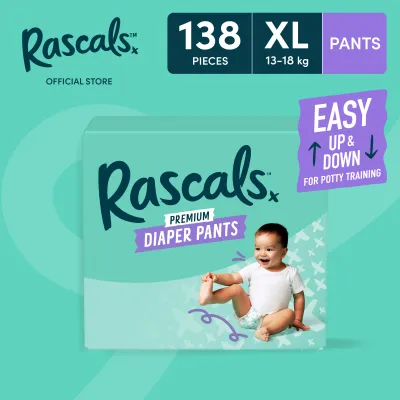
Prices are valid at publication and may change. Please refer to the product page for the latest price.
Absorbency and Overnight Leak Protection
Modern disposable diapers rely on a sophisticated multi-layer core to manage moisture. The primary engine of this system is Super Absorbent Polymer (SAP), tiny sodium polyacrylate crystals mixed with fluff pulp. When liquid enters the diaper, the acquisition and distribution layer quickly channels it across the entire length of the core. The SAP crystals then absorb the liquid, expanding into a gel that locks moisture away from your baby’s skin under pressure.
To evaluate a diaper’s absorbency, look closely at the core construction and the physical barrier features. Check the diaper packaging for mentions of channeled cores, which help distribute wetness evenly and prevent the diaper from clumping or sagging between the legs. Examine the height and flexibility of the inner leg cuffs, often referred to as leak guards. These double-layered elastic barriers should stand upright to contain sudden gushes of liquid before the core can fully absorb them.
A practical way to test absorbency at home is to observe the diaper’s surface dryness during routine changes. After your baby has worn the diaper for three to four hours, gently press a dry paper towel against the inner lining. If the paper towel remains dry, the core is successfully locking away moisture. Keep in mind that overnight sleep presents a much higher demand on absorbency. While standard daytime diapers are excellent for regular intervals, heavy wetters or babies who sleep for twelve hours straight often require a diaper with a higher density of SAP or a dedicated overnight variant to prevent morning leaks.
Comfort, Breathability, and Skin Sensitivity
In Singapore’s hot and humid tropical climate, diaper breathability is essential for preventing heat rash and irritation. A diaper’s outer cover, or backsheet, must feature microscopic pores. These micro-pores are large enough to let heat and moisture vapor escape, keeping the microclimate inside the diaper cool, yet small enough to prevent liquid water from seeping through. A highly breathable backsheet prevents the buildup of sweat and humidity against your baby’s delicate skin.
The texture of the inner liner is another critical comfort factor. Many modern diapers utilize a 3D embossed inner sheet, which creates a quilted or honeycombed texture. This design minimizes direct skin-to-diaper contact, allowing air to circulate and reducing friction. When comparing brands, physically feel the inner lining with the back of your hand. Look for a soft, cotton-like texture rather than a stiff, synthetic feel, especially along the waistband and side tabs where friction is most common.
Skin sensitivity is closely tied to the chemical composition of the diaper materials. Many brands include added lotions, fragrances, or botanical extracts like aloe vera to soothe skin or mask odors. However, for babies with highly sensitive skin or conditions like eczema, these additives can act as contact allergens and trigger dermatitis. When evaluating options, check the packaging to verify if the diaper is elemental chlorine-free (ECF) or totally chlorine-free (TCF), fragrance-free, and latex-free. Opting for diapers without added chemicals reduces the risk of unexplained skin reactions.
Fit, Sizing, and Movement Flexibility
Diaper sizing is not standardized across the industry. A “Size 3” or “Medium” diaper from one manufacturer can have a completely different cut, rise, and width compared to the same size from another brand. Some brands favor a slim, narrow crotch design that allows for maximum leg movement, while others, like Rascal, are known for a wider, more generous cut with a high waistband. The right shape depends entirely on your baby’s unique physical proportions.
While diaper packaging displays weight ranges, these should only serve as a starting guideline. A baby with chunky thighs and a round belly may require a larger size or a wider cut than a baby of the exact same weight who has a long torso and slender legs. If you notice the diaper sagging, gaping at the legs, or sitting too low on the waist, it is likely the wrong fit or size for your baby’s current developmental stage.
To ensure a proper, leak-proof fit, perform a quick three-point check during every diaper change:
- The Waistband Check: You should be able to comfortably slide two fingers between the diaper's waistband and your baby's tummy. If the waistband leaves deep red indentations, the diaper is too tight or the rise is too low.
- The Leg Cuff Check: Run your finger around the elastic leg cuffs to ensure the outer frills are pulled completely outward. If the cuffs are tucked inward, liquid will bypass the absorbent core and leak onto clothing.
- The Symmetry Check: Ensure the fastening tapes are secured symmetrically on the front landing zone. Uneven fastening can cause the diaper to shift as your baby crawls, rolls, or walks, leading to friction marks and gaps.
Calculating True Value: Cost Per Diaper and Smart Buying Strategies
Evaluating the financial impact of your diaper choice requires looking past the shelf price of a single pack. Because pack sizes and diaper counts vary wildly between brands and sizes, the only accurate way to compare costs is to calculate the unit price, or the cost per diaper. To find this, divide the total price of the pack by the exact number of diapers inside.

As your baby grows, the cost per diaper naturally increases. This is because diaper manufacturers package fewer diapers in larger sizes (such as XL or XXL) while keeping the price per pack relatively constant. When comparing Rascal to other brands, calculate this unit cost across the specific sizes your baby currently wears and the size they are about to transition into. A brand that seems highly economical in newborn sizes may become less competitive in toddler sizes.
To optimize your diaper budget in Singapore, employ strategic purchasing habits:
- Leverage Subscription Models: Many online retailers and baby specialty stores offer subscription services. Enrolling in a recurring delivery schedule often unlocks discounts of 5% to 15% off the standard retail price, while ensuring you never run out of stock.
- Utilize Platform Vouchers and Double-Day Sales: Time your bulk purchases to coincide with monthly double-day shopping events (such as 9.9 or 11.11) on major ecommerce platforms. Stacking store coupons, platform vouchers, and bank payment discounts can significantly lower your cost per pack.
- Avoid Overstocking a Single Size: While buying in bulk reduces shipping costs and unit prices, babies grow at unpredictable rates. Over-purchasing a specific size can leave you with leftover boxes that your baby can no longer wear, completely wiping out any initial savings.
- Factor in Shipping and Delivery Fees: Diaper boxes are bulky and heavy. When comparing online prices, always check if there is a minimum spend threshold to qualify for free home delivery, as high shipping fees can quickly erase any discount.
Decision Framework: When to Choose Rascal vs. Alternatives
To help you decide which diaper brand best fits your household’s needs, consider how your primary parenting priorities align with the design characteristics of different diaper categories.
Choose Rascal if:
- You want blowout protection: The high, elasticated waistband and generous back coverage make Rascal an exceptional choice for babies prone to explosive, up-the-back liquid stools.
- You prefer a generous, roomy fit: If your baby has a round tummy or chunky thighs, the wider cut of Rascal diapers provides comfortable coverage without digging into the skin.
- You seek premium feel at a reasonable price: Rascal offers an incredibly soft, cloth-like outer cover and a modern, aesthetic design without the premium price tag of organic niche brands.
- You prefer buying in bulk: The brand's packaging structure and retail availability make it highly convenient for parents who like to stock up on large cartons.
Choose Premium or Specialized Alternatives if:
- Your baby is an ultra-heavy overnight wetter: If your baby consistently leaks through their diaper at night, you may need to look for brands that offer dedicated overnight pants with specialized high-capacity SAP cores.
- Your baby has severe, clinically diagnosed skin allergies: For babies with extreme eczema or chemical sensitivities, you may want to opt for specialized brands that carry specific dermatological certifications or utilize 100% organic cotton top sheets.
- Your baby has a very lean, slender build: Active babies with narrow hips and slender thighs may experience leg gaps in wider-cut diapers like Rascal, making a narrower Japanese or Western-style cut a better fit to prevent side leaks.
Verify First if:
- Your baby is between sizes: If you are experiencing occasional leaks, check if your baby is approaching the upper weight limit of their current size before switching brands entirely.
- Your baby has an active diaper rash: Do not assume a new rash is solely caused by the diaper brand. Ensure you are changing the diaper frequently, applying a thick barrier cream, and allowing the skin to air dry completely.
Practical Tips for Safely Switching and Testing Diapers
Switching diaper brands can occasionally cause unexpected skin irritation or leaks if done too abruptly. To minimize waste and protect your baby’s skin, approach the transition systematically.
Before buying a massive multi-pack carton of a new brand, try to obtain a small trial pack or request individual samples. Many brand websites, parenting clubs, and baby fairs in Singapore distribute sample packs containing two or three diapers. This small quantity is more than enough to perform an initial fit and feel check without a financial commitment.
When you are ready to test the new diaper, introduce it gradually during the daytime. Change your baby every two to three hours as usual, and observe how the material interacts with their skin. Keep using your trusted, familiar diaper brand for overnight sleep. This gradual approach ensures that if the new diaper does cause a contact reaction or a leak, it happens during the day when you can address it immediately, rather than disrupting your baby’s sleep.
During the trial period, monitor your baby’s skin closely and be prepared to stop if you observe any of these warning signs:
- Localized redness: Red marks or irritation that perfectly align with the diaper's elastic waistband, leg cuffs, or adhesive tabs suggest friction or material sensitivity.
- Unexplained rash: A sudden breakout of small red bumps across the diaper area shortly after switching brands.
- Frequent leaks: Side leaks or waistband blowouts occurring multiple times within a short period, indicating a poor fit for your baby's body shape.
- Excessive sagging: The diaper drooping heavily after only a small amount of liquid, which can pull the wet material against the skin and cause chafing.
If your baby develops a diaper rash that does not improve within a few days of frequent changes and the application of a zinc-based barrier cream, stop using the new brand immediately and consult a pediatrician or qualified healthcare professional for a proper diagnosis.
Frequently Asked Questions (FAQ)
Are Rascal diapers suitable for heavy wetters overnight?
While standard daytime diapers from most brands, including Rascal, feature highly capable absorbent cores, they may not always contain the volume produced by exceptionally heavy wetters over a twelve-hour sleep cycle. If your baby consistently leaks through their diaper at night, consider sizing up by one size for overnight use to gain a larger absorbent surface area and a higher SAP capacity. Alternatively, look for specialized overnight pants or diapers designed specifically with reinforced core zones to manage prolonged wetness.
How can I tell if a specific diaper brand is causing diaper rash?
True diaper rash is most commonly caused by prolonged contact with wetness, friction, or changes in your baby’s diet. However, if your baby is sensitive to a specific diaper brand, they may develop contact dermatitis. This typically presents as localized redness and irritation precisely where the diaper’s elastic bands, adhesive tapes, or printed designs touch the skin. If the redness appears immediately after switching brands and resolves quickly once you revert to your previous brand, your baby may be reacting to the specific materials, adhesives, or fragrances used in that diaper.

Community discussion
Share your experience or ask a question. Comments are reviewed before publication.