
Choosing the right diaper for your baby in Singapore involves balancing several practical factors, including the local tropical climate, your child’s physical development, and your household’s monthly expenses. While Rascal and Friends (now often branded as Rascals) has gained a strong following for its soft materials and high-waisted fit, it is not a one-size-fits-all solution. The ideal diaper depends heavily on your baby’s unique anatomy, skin sensitivity, and daily activity level.
To make the best decision, parents must compare how premium, design-focused brands stack up against traditional mass-market alternatives and ultra-premium Japanese imports. Rather than searching for a single absolute winner, the goal is to find the diaper that matches your baby’s current developmental stage. Before committing to bulk carton purchases, it is always wise to start with a trial pack to test the real-world fit and skin compatibility of any new brand.
Understanding Rascal and Friends: Core Features and Market Position
Rascal and Friends entered the diaper market with a clear focus on providing premium structural features at a competitive price point. The brand is characterized by its distinct aesthetic, featuring a signature pastel color palette, alongside functional design choices such as a high waistband, a deep pocket to contain blowouts, and a wide chassis. These features are engineered to provide a secure fit for active babies, particularly those who are crawling, cruising, or walking.
Products mentioned in this guide
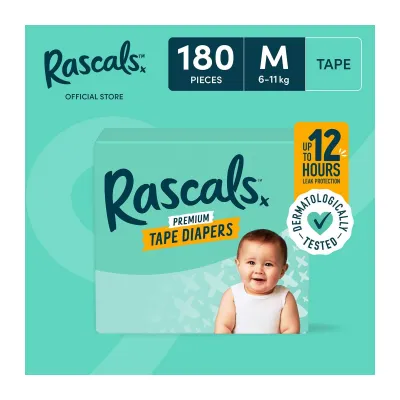
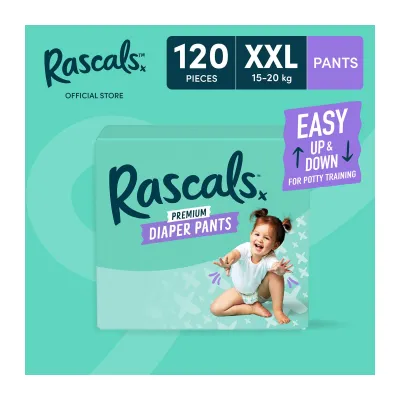
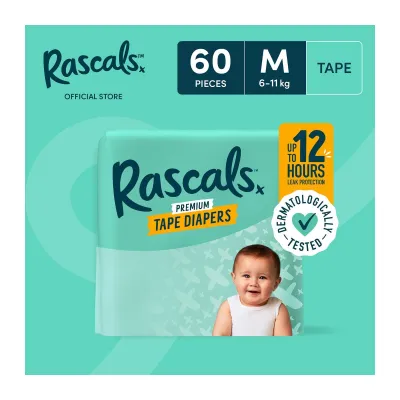
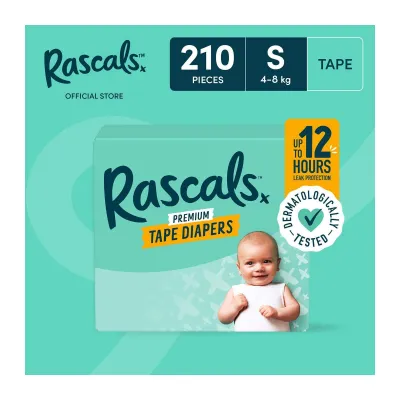
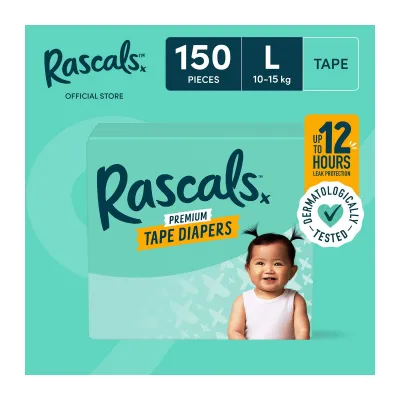
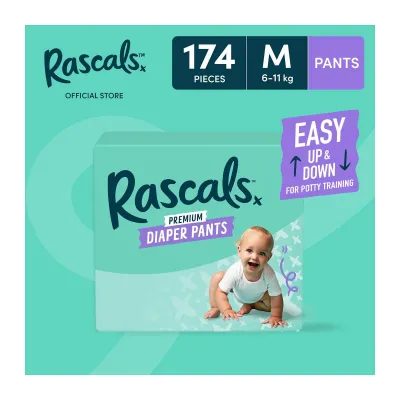
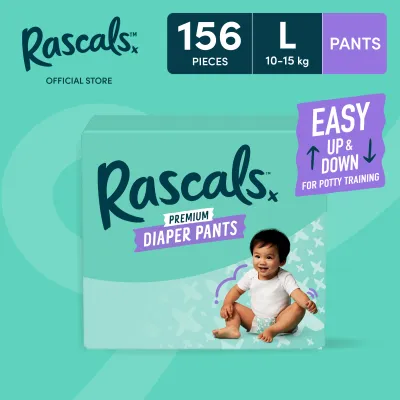
Prices are valid at publication and may change. Please refer to the product page for the latest price.
At the heart of its design is an ultra-thin core that utilizes modern absorption technology to distribute liquid evenly without bunching. The inner lining is designed to feel exceptionally soft against a baby’s skin, reducing the mechanical friction that can occur during movement. Additionally, the brand emphasizes the exclusion of common irritants, marketing its products as free from chlorine, latex, fragrances, and formaldehyde.
While these product specifications are highly appealing, parents must verify the exact claims and material certifications printed on the physical packaging, as product formulations and manufacturing standards can update. Furthermore, because diaper performance is highly dependent on a proper fit, parents should consult the specific weight guidelines on the pack rather than relying solely on their baby’s age. A diaper’s structural benefits only work effectively when the size matches the baby’s current physical dimensions.
Head-to-Head Comparison: Absorbency, Comfort, and Fit
Evaluating diaper performance requires looking closely at how different brands handle the daily realities of babyhood. A diaper must keep skin dry, prevent irritation in humid weather, and stay secure during active play. Below, we break down how premium brands like Rascal and Friends compare to standard alternatives across three critical performance pillars.

Absorbency and Overnight Leak Protection
Diaper absorbency relies heavily on the balance between Super Absorbent Polymers (SAP) and wood fluff pulp within the core. Premium brands like Rascal and Friends typically utilize a highly concentrated SAP core, which allows the diaper to remain remarkably thin while still locking away substantial amounts of liquid. This thin profile is highly advantageous during the day, as it prevents the diaper from sagging and allows for unrestricted movement.
However, there is often a trade-off between ultra-thin daytime designs and the high-volume capacity needed for overnight wear. Some traditional mass-market diapers utilize a thicker core containing a higher ratio of fluff pulp. While bulkier, this traditional construction can sometimes distribute heavy, sudden bursts of liquid more quickly across the core, which can be beneficial for heavy wetters during long overnight stretches.
When evaluating leak protection, parents must observe their baby’s specific sleeping patterns. For example, front-sleepers may experience leaks at the stomach, whereas side-sleepers might experience leaks at the leg cuffs. If a daytime diaper is leaking consistently overnight, it does not necessarily mean the brand is faulty; instead, it often indicates a need to size up for nighttime use or transition to a dedicated overnight diaper variant with enhanced localized absorption zones.
Comfort, Breathability, and Skin Sensitivity
In Singapore’s hot and humid climate, diaper breathability is paramount. High humidity can trap moisture and sweat against a baby’s delicate skin, creating an environment ripe for diaper rash, miliaria (heat rash), and contact dermatitis. Premium diapers address this by using micro-perforated outer backsheets that allow hot air to escape while keeping liquid contained.
When comparing materials, premium options generally feature non-woven fabrics that feel noticeably softer and more cloth-like to the touch than the plastic-feeling backsheets of budget-friendly brands. This soft texture reduces friction against the thighs and waist, which is a common cause of localized skin redness.
Many brands display labels such as “hypoallergenic,” “dermatologically tested,” or “organic.” It is important to note that these terms are not medically standardized guarantees and do not completely eliminate the risk of an allergic reaction. Every baby’s skin chemistry is unique; a material that works perfectly for one infant may trigger mild irritation in another. Regardless of how advanced a diaper’s breathability claims are, maintaining a frequent changing schedule—typically every two to three hours during the day—remains the single most effective way to protect skin health.
Fit, Sizing, and Mobility for Active Babies
As babies transition from sedentary infants to active toddlers, the structural fit of a diaper becomes increasingly critical. Rascal and Friends is widely recognized for its generous sizing and high-waisted design. The high waistband acts as a physical barrier against back blowouts, while the wide pocket design offers extra volume to contain messy stools before they can escape.
In contrast, many standard mass-market and traditional Japanese diaper brands feature a narrower, more contoured cut. A narrower cut can be highly beneficial for leaner babies, as it prevents gaps around the legs where liquid can easily seep out. However, for rounder babies or those with chunky thighs, a narrow cut can pinch the skin, leaving deep red marks and causing discomfort during movement.
To ensure optimal mobility and leak prevention, parents should look closely at the diaper’s elastic side tabs and leg cuffs. The elastic should stretch smoothly without requiring excessive force to fasten, and the leg cuffs should feature double-layered water-resistant barriers. When selecting a size, always prioritize the physical weight range listed on the packaging over the baby’s age, and be prepared to adjust your choice as your baby’s body shape changes during growth spurts.
Evaluating Value: Cost Per Diaper and Purchasing Strategies
When managing a household budget in Singapore, diapering costs represent a significant, recurring monthly expense. To understand the true financial impact of your choice, it is essential to calculate the cost per individual diaper rather than comparing pack prices directly. Pack sizes vary widely between brands and sizes, making the shelf price highly misleading.
To calculate the unit cost, use this simple formula:
- Unit Cost = Total Pack Price / Number of Diapers in the Pack
Premium diapers, including Rascal and Friends, generally carry a higher cost per unit compared to standard supermarket house brands or bulk-distributed mass-market options. However, the value equation is not solely based on unit price. If a cheaper diaper requires more frequent changes due to poor absorbency, or leads to frequent leaks that increase laundry loads and diaper rash cream usage, the overall cost difference can quickly narrow.
For parents looking to optimize their diaper budget in Singapore, several purchasing strategies can help lower the average unit cost:
- Monitor Online Sales: Major ecommerce platforms and authorized online malls frequently run monthly double-day promotions (such as 9.9 or 11.11) where bulk cartons are heavily discounted.
- Utilize Subscription Services: Many online retailers offer recurring subscription discounts, saving you a percentage on every delivery while ensuring you never run out of stock.
- Buy Carton Deals: Purchasing diapers by the carton rather than individual packs almost always yields a lower cost per unit.
- Compare Retailers: Check prices across physical supermarkets, specialized baby stores, and official brand storefronts, as promotional cycles vary.
The Decision Framework: How to Choose the Right Diaper
To help streamline your decision-making process, we have outlined a conditional framework based on your baby’s physical needs, your lifestyle, and your household budget.
- Choose Rascal and Friends if: You are looking for a high-waisted, generously sized diaper that excels at preventing back blowouts. This brand is highly suitable for active, mobile babies who benefit from a wider, stable chassis and a soft, friction-reducing inner lining. It is an excellent choice if your budget accommodates a mid-to-premium tier daily diaper.
- Choose Standard Mass-Market Brands if: Your priority is maximizing daily economy and finding diapers that are easily accessible at any local neighborhood convenience store. These brands are highly practical for babies with resilient skin who do not experience frequent leaks and do not require specialized high-waist designs.
- Choose Sensitive-Skin Specific Alternatives if: Your baby has clinically diagnosed skin conditions, such as severe eczema or contact allergies, that require specialized medical-grade materials or specific organic certifications. In these cases, always consult a pediatrician to identify the safest materials for your child's skin.
- Verify first if: You are planning to switch brands or transition to a new size. Always purchase a single, small trial pack to evaluate the fit, absorbency, and skin reaction on your baby before committing to a full carton purchase.
Practical Tips for Testing and Switching Diaper Brands
Transitioning to a new diaper brand should be done systematically to avoid unexpected leaks or skin irritation. When introducing a new diaper, always conduct your initial tests during daytime hours. This allows you to monitor your baby’s comfort, check for skin redness, and address any leaks immediately, rather than risking a disrupted night of sleep.
When applying a diaper, there are two physical checks every caregiver should perform to ensure a proper fit:
- The Two-Finger Rule: Once the diaper is fastened, you should be able to slide two fingers comfortably between the waistband and your baby's stomach. If it feels tight, the diaper is too small; if it is loose, liquid may leak from the top.
- The Leg Cuff Check: After securing the side tabs, run your finger around the inside of the leg cuffs to ensure the outer elastic ruffles are fully flared outward. If the ruffles remain tucked inward, they cannot perform their barrier function, which is the most common cause of leg leaks.
Throughout the testing period, closely monitor your baby’s skin for any signs of friction, persistent redness, or localized bumps. If your baby develops a persistent rash, severe skin irritation, or open sores, stop using the product immediately, keep the area clean and dry, and consult a qualified pediatrician for professional medical advice.
Frequently Asked Questions (FAQ)
Are premium diapers like Rascal and Friends worth the extra cost?
Whether a premium diaper is worth the additional expense depends entirely on your baby’s specific needs and your family’s budget. If your baby is highly active and experiences frequent blowouts in standard diapers, the high waistband and secure fit of a premium diaper can save you significant time, laundry effort, and stress. Similarly, if your baby has sensitive skin that reacts to rough materials, the softer texture of a premium diaper may help prevent irritation. However, if your baby has resilient skin and does not experience leaks with standard mass-market options, those budget-friendly alternatives will offer much better long-term financial value.
How do I know if I need to size up in a specific brand?
There are several clear physical indicators that a diaper has become too small, even if your baby’s weight still falls within the range listed on the packaging. Look for deep red marks or indentations left on your baby’s thighs or waist after wear. Frequent leaks at the leg cuffs or waistband during normal use also suggest the core no longer has sufficient capacity. Additionally, if the fastening tabs struggle to reach the center landing zone, or if the waistband sits significantly below your baby’s belly button, it is time to transition to the next size up.

Community discussion
Share your experience or ask a question. Comments are reviewed before publication.