
Finding the right diaper pants for your baby in Singapore’s warm, humid climate involves balancing fit, skin health, and containment. There is no single universal winner among premium diaper brands; the optimal choice depends entirely on your baby’s unique body shape, skin sensitivity, and activity level. You might choose Rascal + Friends pants if their specific material claims, high waistband design, and deep pocket structure align with your baby’s physical build and movement patterns. Conversely, alternative premium brands may be more suitable if your baby requires a different level of waistband stretch, a thinner profile, or alternative absorbency materials. Ultimately, verifying the specific product label, checking the manufacturer’s sizing guidelines, and closely observing your baby’s physical reactions are the most reliable ways to make a decision.
Core Dimensions for Comparing Premium Diaper Pants
When comparing premium diaper pants, absorbency and leak protection serve as the primary line of defense against daily messes. Parents should carefully examine the packaging to check the core material description, looking for terms like super-absorbent polymers and multi-layer distribution channels. The design of the leak guards—the elasticated barriers around the leg openings—is equally critical, as these must stand upright to prevent side leakage during active play or sleep.
Breathability and skin health are particularly vital in Singapore, where high humidity can trap moisture against a baby’s delicate skin. To evaluate this dimension, look for top-sheet material descriptions on the packaging, prioritizing those that mention breathable outer covers or micro-pore structures that facilitate airflow. Wetness indicators, which change color when the diaper is full, are helpful tools to prevent prolonged exposure to moisture, though parents should still perform regular manual checks.
Products mentioned in this guide
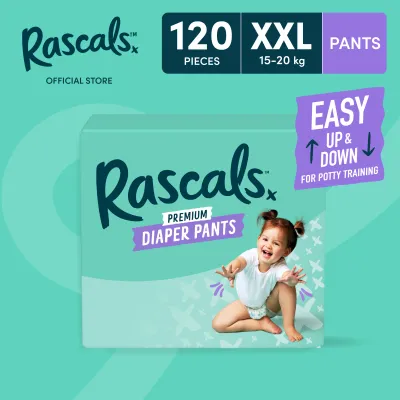
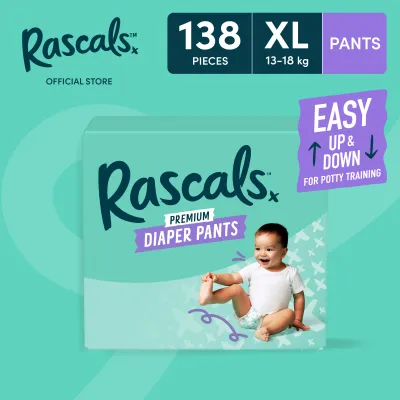
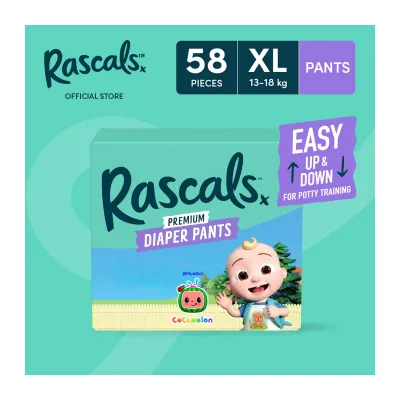
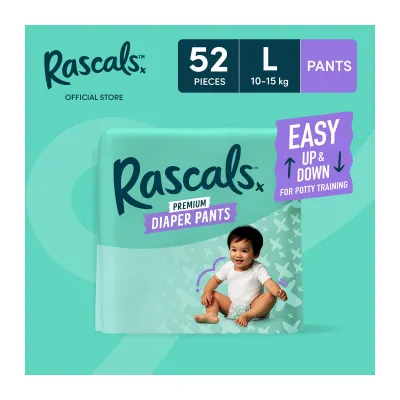
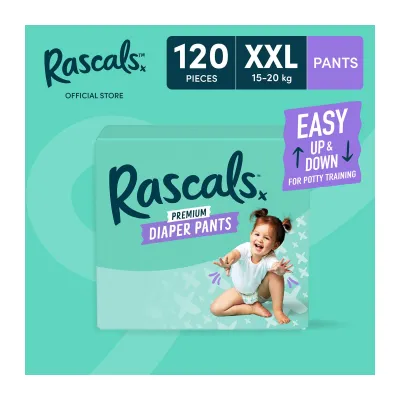
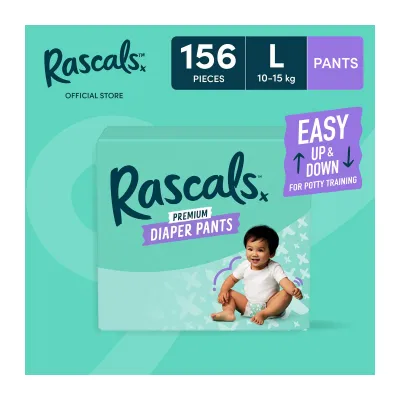
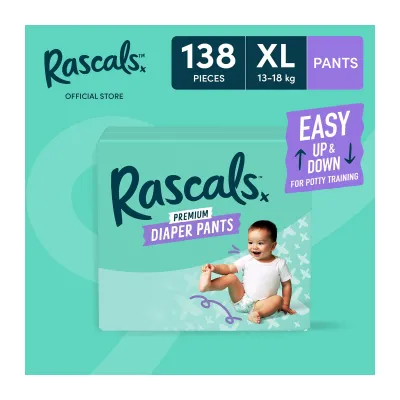
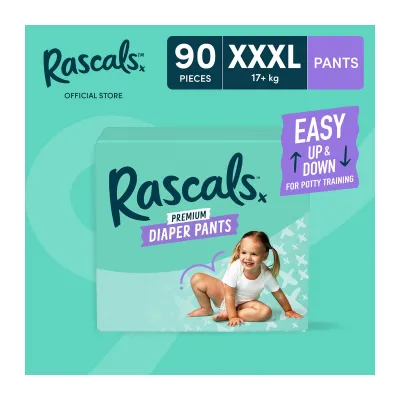
Prices are valid at publication and may change. Please refer to the product page for the latest price.
Flexibility and waistband fit dictate how comfortably a baby can crawl, walk, and explore their environment. A premium diaper pant should feature a wide, elasticated waistband that stretches smoothly without digging into the baby’s tummy or leaving deep red marks. The overall cut of the pant must accommodate the natural movements of active babies, ensuring the diaper stays securely in place without sagging or shifting as they transition between sitting and standing.
Evaluating Rascal + Friends Pants: Label and Feature Checklist
To assess Rascal + Friends pants effectively, parents should start by examining the physical packaging for specific material and manufacturing claims. Look for the manufacturer’s stated material composition, verifying whether the product incorporates plant-based components or utilizes chlorine-free processing methods. These details are typically printed on the back or side panels of the diaper box and provide a baseline for comparing chemical formulations across different premium options.

Sizing and weight ranges require careful verification against the brand’s official charts before making a purchase. Because diaper pants are designed to fit snugly around both the waist and thighs, checking the manufacturer’s recommended weight brackets is essential to avoid purchasing a size that is either too restrictive or prone to gaps. Keep in mind that these weight ranges are guidelines, and the baby’s developmental stage—such as transitioning from crawling to walking—can influence how a specific size fits.
Safety standards and dermatological claims should never be assumed; they must be verified directly via the logos and certifications printed on the packaging. Look for recognized independent testing symbols, such as dermatological safety certifications or cruelty-free labels, which indicate that the materials have undergone third-party evaluation. Verifying these credentials on the box helps ensure that the diaper meets your personal standards for skin safety and environmental responsibility.
Sizing, Fit, and Weight Ranges Across Premium Brands
Navigating diaper sizes across different premium brands can be challenging because weight ranges printed on the packaging are only general approximations. A baby weighing 10 kilograms might fit perfectly into one brand’s medium size but require a large in another, depending on their unique body proportions. Factors such as thigh circumference, tummy roundness, and the length of the baby’s torso play a significant role in how a diaper pant sits on the body.
Before committing to bulk purchases, parents can compare physical dimensions by examining single sample diapers from different brands side-by-side. Lay the diaper pants flat to compare the unstretched width of the waistband, the depth of the crotch area, and the length of the leg cuffs. Gently stretching the waistbands allows you to assess the resistance and elasticity, helping you estimate whether the diaper will accommodate a full tummy after feeding without causing discomfort.
Recognizing the physical signs of an improper fit is crucial for preventing leaks and ensuring your baby’s comfort. If you notice deep red marks around your baby’s thighs or waist, or if the diaper is difficult to pull up over their hips, the size is likely too small. Conversely, a diaper that is too large will sag noticeably even when empty, leaving visible gaps around the legs where liquid can easily escape during movement.
How to Test Diaper Performance and Comfort at Home
Rather than purchasing large, bulk boxes of a new diaper brand immediately, a practical approach is to acquire small trial packs or request individual samples. This allows you to test the diaper’s performance in real-world conditions without a significant financial commitment. Testing a small quantity first is especially wise in Singapore, where storing excess bulk boxes can take up valuable space in compact HDB flats or apartments.
Once you have samples, implement a structured multi-day observation routine to evaluate the diaper’s performance across different scenarios. Monitor how well the diaper maintains dryness after a long night’s sleep, checking if the baby’s skin feels damp or dry to the touch upon waking. Inspect the waist and thigh areas immediately after removing the diaper to check for any temporary red pressure marks, and observe the skin closely for any signs of irritation or redness.
Establishing clear stop-and-switch criteria is essential for safeguarding your baby’s skin health and overall comfort. If you observe persistent leaks despite a correct fit, or if your baby develops an unexplained rash that does not resolve with standard barrier creams, stop using the diaper immediately. If skin irritation, redness, or discomfort persists or worsens, always consult a qualified pediatrician or healthcare professional for proper diagnosis and guidance.
Final Decision Framework: Matching the Diaper to Your Baby
When making your final decision, remember that a premium price tag or a popular brand name does not guarantee a perfect fit or absolute leak protection for every individual baby. The most expensive diaper is only effective if its specific cut and material composition align with your baby’s physical shape and skin tolerance. Parents should prioritize features based on their baby’s current developmental stage and daily routine.
To help structure your decision, consider a simple prioritization matrix: if your baby is a heavy wetter who sleeps through the night, prioritize brands with high-capacity core descriptions and robust leak guards. For highly active toddlers who are constantly on the move, focus on diaper pants that offer maximum waistband flexibility and a secure, non-slip fit. If your baby has highly sensitive skin, prioritize verified dermatological certifications and chlorine-free material claims.
Finally, practical factors such as local availability and purchasing convenience should play a role in your long-term choice. Check whether your preferred diaper brand is consistently stocked by authorized online retailers or physical supermarkets in Singapore, as sudden supply shortages can disrupt your routine. Many parents find that subscription services or bulk-buying options from reputable local distributors offer the best balance of convenience and cost-effectiveness, with typical premium diaper packs ranging from S$20 to S$35 depending on the size and quantity.
Frequently Asked Questions (FAQ)
Is it safe to mix different premium diaper brands during the day and night?
Yes, many parents successfully use a dual-brand strategy to optimize both comfort and budget throughout the day. For instance, you might choose a highly absorbent, structured diaper pant for overnight sleep to ensure uninterrupted rest, while opting for a lighter, more flexible, and cost-effective diaper during active daytime hours. When employing this strategy, monitor your baby’s skin closely to ensure they do not experience adverse reactions from switching between different material compositions and waistband designs.
How do I know if my baby is allergic to a specific diaper brand?
An allergic reaction or contact dermatitis typically presents as localized redness, swelling, or a bumpy rash occurring precisely where the diaper materials make direct contact with the skin, such as along the waistband or leg cuffs. This differs from standard diaper rash, which is usually caused by prolonged exposure to wetness and appears in the skin folds. If you suspect an allergic reaction, stop using the diaper immediately, switch to a hypoallergenic alternative, and consult a pediatrician if the rash persists, worsens, or causes your baby visible distress.

Community discussion
Share your experience or ask a question. Comments are reviewed before publication.