
Selecting the right baby bottle cleanser involves balancing effective cleaning with ingredient safety. While Pureen is a familiar household name, deciding whether it or an alternative brand is the right fit for your home depends on the specific materials of your baby bottles. Glass, plastic, and silicone each interact differently with cleaning agents, milk fats, and water.
By understanding how different formulas target milk residues and how they rinse off various surfaces, you can establish a safe, efficient, and reliable feeding hygiene routine. This guide helps you evaluate Pureen and alternative brands by focusing on label reading, material compatibility, and observable cleaning results.
Ultimately, the goal is to match the cleanser’s specific ingredients and format to your primary bottle materials. This approach allows you to make a safe and practical decision for your daily feeding routine without relying on unverified marketing claims.
Products mentioned in this guide
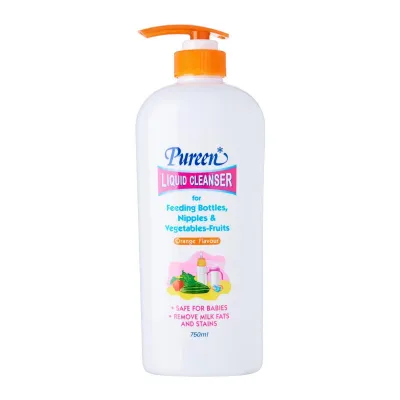
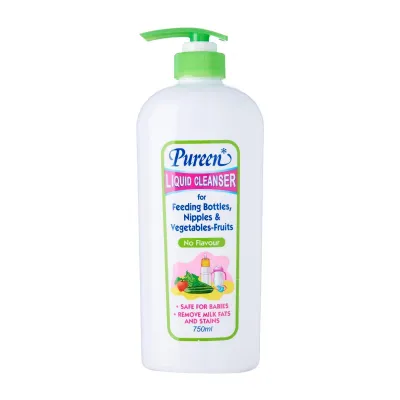
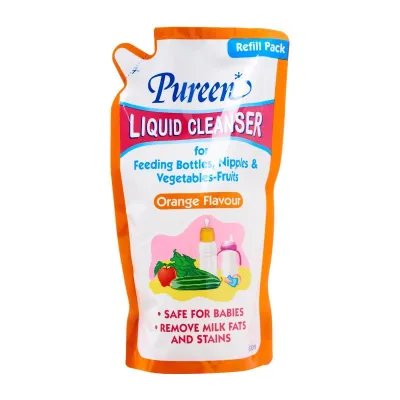
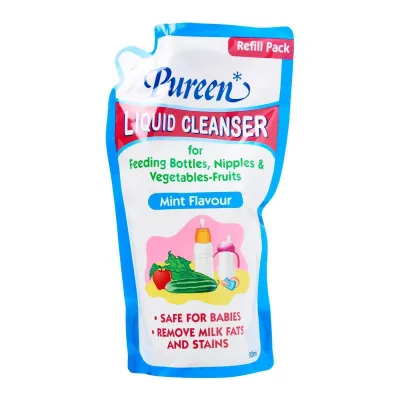
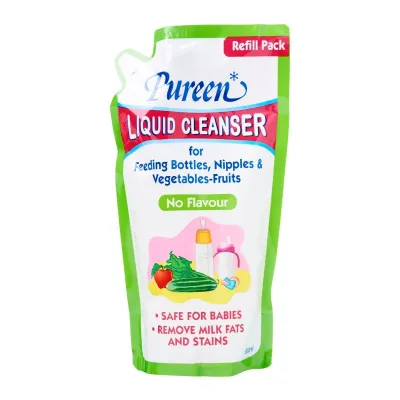
Prices are valid at publication and may change. Please refer to the product page for the latest price.
Understanding Bottle Cleanser Formulas and Material Compatibility
Baby bottle cleansers differ significantly from standard household detergents, primarily in their surfactant systems and active ingredients. When examining cleanser labels, look for plant-based surfactants, such as those derived from coconut or corn (often listed as alkyl polyglucosides). These ingredients are designed to break down surface tension and lift milk fats without leaving harsh chemical residues.
Some formulas also incorporate food-grade enzymes, such as amylase and protease. These enzymes specifically target and break down stubborn milk proteins and starches that cling to bottle walls. Choosing a fragrance-free formula is often recommended to prevent any scent transfer to the bottle components.
The physical properties of your bottle materials dictate how they interact with these formulas. Glass is highly non-porous and possesses a hard, smooth surface that resists scratching and chemical absorption. Consequently, glass bottles are relatively easy to clean and rarely retain odors or film, making them compatible with a wide range of cleanser strengths.
In contrast, plastic and silicone are more porous and susceptible to environmental wear. Polypropylene and polyphenylsulfone (PPSU) plastics can develop microscopic scratches from bottle brushes over time. These tiny crevices can trap milk fats, proteins, and cleanser residues, leading to cloudiness and lingering odors.
Silicone, commonly used for nipples, valves, and flexible bottles, is highly lipophilic, meaning it naturally attracts and holds onto fats. If a cleanser does not effectively emulsify these fats, the silicone components will develop a sticky, tacky film that is difficult to remove.
Before choosing any cleanser, it is essential to cross-reference the product label with the bottle manufacturer’s official care instructions. Some bottle brands advise against specific ingredients, such as synthetic fragrances or certain essential oils, which can degrade plastic or silicone parts over time. Checking these guidelines beforehand prevents premature wear and ensures your cleaning routine aligns with the structural integrity of your feeding equipment.
Evaluating Pureen Bottle Cleanser for Your Bottles
Evaluating Pureen bottle cleanser requires a close look at its label, physical format, and how it behaves during your daily washing routine. Pureen offers formulas that are often marketed as food-grade and suitable for washing both bottles and accessories, as well as fruits and vegetables. When inspecting the ingredient list on a bottle of Pureen, you will typically find plant-derived cleaning agents designed to minimize chemical exposure.

It is important to verify whether the specific bottle you purchase is scented or fragrance-free. Some parents prefer completely unscented options to prevent any scent transfer to silicone nipples, which can sometimes cause babies to reject the bottle. Checking the label for explicit material compatibility statements or recommended dilution ratios is also a key step.
The physical format of the cleanser—whether you choose a standard liquid concentrate or a self-foaming pump—affects your washing habits and water consumption. Liquid concentrates require manual dilution or direct application to a wet brush to create a lather. If you use a liquid format, check the back label for the manufacturer’s recommended dilution ratio, which helps prevent over-use and ensures the product rinses away cleanly.
Foaming formats, on the other hand, dispense pre-lathered bubbles that can make rinsing faster, which is particularly useful if you are washing multiple bottles in a single session. However, foaming pumps may finish faster than concentrated liquids, so consider your budget and usage frequency.
To assess how well Pureen performs in your household, observe its action on milk fat and protein residues during use. After washing a plastic or silicone bottle, feel the inner surfaces once they are dry. If the surface feels squeaky clean and free of any oily film, the cleanser is successfully emulsifying the milk fats.
If you notice a persistent white haze or a slippery texture, you may need to adjust your dilution ratio, increase your rinsing water temperature, or consider a formula with different active surfactants. Always prioritize observable cleanliness over packaging promises.
Comparing Alternative Bottle Cleansers
When exploring alternative bottle cleansers available in Singapore, comparing physical formats is an excellent starting point. Liquid concentrates are highly economical and widely available, but they require careful dosing to avoid leaving a soapy film. Foam cleansers offer convenience and rapid rinsing, though they may have a higher cost per wash due to faster consumption.
Powdered or tablet-based bottle cleansers are less common but offer a lightweight, travel-friendly alternative that eliminates water weight. However, they require complete dissolution before use, which can add an extra step to your busy routine.
Safety and ingredient transparency are critical when comparing brands. Many alternative cleansers highlight third-party certifications, such as organic, biodegradable, or dermatologically tested labels. When evaluating these claims, look for recognized certifying bodies on the packaging rather than relying on generic marketing terms.
Check the ingredient list to confirm the absence of parabens, phthalates, synthetic dyes, and artificial fragrances. This is especially important if your child has sensitive skin or if you are washing highly absorbent silicone components.
Value and accessibility also play a practical role in your decision. Compare the price per volume (calculating the cost per 100ml in S$) across different brands to understand the long-term financial commitment. While some specialized organic cleansers may carry a premium price of S$15 to S$25 per bottle, standard commercial alternatives might cost significantly less.
Additionally, consider how easy it is to restock the product. Ensure your chosen brand is consistently available through official brand stores, local department stores, or reputable online marketplaces to avoid sudden disruptions to your cleaning routine.
Decision Framework: Matching Cleansers to Glass, Plastic, and Silicone
To simplify your selection process, use this conditional framework to match your primary bottle materials with the most compatible cleanser characteristics:
For glass bottles, prioritize cleansers that excel in streak-free, residue-free rinsing. Because glass is non-porous, any leftover soap film is highly visible as a cloudy layer or water spots. Look for formulas with clean-rinsing plant-based surfactants that wash away easily under running water, leaving the glass crystal clear without requiring excessive scrubbing.
For plastic bottles (including PP, PES, and PPSU), focus on gentle, non-abrasive formulas. Avoid cleansers that contain harsh chemical solvents or strong synthetic fragrances, which can penetrate the plastic matrix or become trapped in micro-scratches. A mild, enzyme-free or gently enzymic liquid cleanser works well here, provided you use a soft sponge or silicone brush rather than a stiff nylon bristle brush that can scratch the plastic.
For silicone bottles and nipples, select a cleanser with strong fat-emulsifying properties. Because silicone absorbs oils easily, a weak cleanser will leave a sticky residue that attracts dust and lint. Look for formulas that specifically mention effective milk fat removal or contain mild plant-derived degreasers.
Ensure the cleanser is completely fragrance-free, as silicone readily absorbs synthetic perfumes, which can alter the taste of subsequent milk feeds. If a nipple begins to smell like soap, it is a sign that the material is absorbing the cleanser’s fragrance.
Before applying any new cleanser to your entire bottle collection, always perform a spot check on specialized parts. Anti-colic valves, delicate silicone vents, and straw attachments often have unique care instructions. Verify that the cleanser is safe for these intricate components, as some formulas may be too concentrated for thin, highly flexible silicone parts, potentially causing them to lose their shape or tear.
Safe Washing and Maintenance Practices
Regardless of the cleanser brand you choose, establishing a consistent and safe washing routine is vital for maintaining infant feeding hygiene. Immediately after a feeding, rinse the bottle and its components with warm water to prevent milk proteins from drying and hardening on the surfaces.
When you are ready to wash, disassemble all parts completely, including collars, nipples, and anti-colic valves. Use a dedicated bottle brush that is kept separate from your family’s regular dishwashing sponges to avoid cross-contamination with food oils and bacteria.
In Singapore’s warm and humid climate, proper drying is just as important as washing. After a thorough rinse with clean water, place all disassembled parts on a clean, elevated drying rack in a well-ventilated area. Avoid leaving wet bottles in closed cupboards or damp dish basins, as lingering moisture can encourage mold and bacterial growth.
Monitor your feeding equipment regularly for signs of wear and tear. If you notice persistent sour odors, permanent cloudiness, or deep scratches in plastic bottles, it is time to replace them. Similarly, if silicone nipples become sticky, discolored, or show signs of cracking, stop using them immediately.
When in doubt about a bottle’s condition or compatibility with a specific cleaning agent, consult the bottle manufacturer’s customer support for guidance. Replacing damaged parts promptly is essential for maintaining a safe feeding routine.
Frequently Asked Questions (FAQ)
Can I use regular dish soap instead of a dedicated bottle cleanser?
While regular dish soap is highly effective at cutting grease on family dinnerware, it is generally not recommended for baby bottles. Standard dish soaps often contain strong synthetic fragrances, artificial dyes, and heavy surfactants designed for heavy grease, which can leave a persistent chemical residue on porous plastic and silicone.
These residues can be difficult to rinse away completely and may be ingested by an infant. Dedicated baby bottle cleansers are formulated with milder, food-grade, and easily rinsable ingredients that minimize the risk of chemical ingestion and scent transfer.
Do I need a different cleanser for silicone nipples and plastic bottles?
In most cases, you do not need to purchase separate cleansers for different parts of your feeding setup. Most high-quality baby bottle cleansers are formulated to be safe and effective across mixed materials, including glass, plastic, and silicone.
However, because silicone is highly prone to absorbing oils and odors, you must ensure your chosen cleanser is thoroughly rinsed from the nipples. Always check the manufacturer’s care instructions for specialized parts like anti-colic valves or delicate straws, as some may require gentle hand-rubbing rather than scrubbing with a brush to prevent damage.

Community discussion
Share your experience or ask a question. Comments are reviewed before publication.