
Finding the right baby bottle cleaner depends heavily on the material of the bottles you use. Glass, plastic, and silicone each interact differently with milk fats, odors, and cleaning agents. While one formula might easily rinse clean from a glass surface, it may struggle to cut through the stubborn film left on silicone or could require extra care to avoid degrading delicate plastics. Choosing a compatible cleaner ensures your baby’s bottles are thoroughly hygienic without damaging the materials or leaving behind unwanted chemical residues.
Using the wrong cleaning agent or tool can shorten the lifespan of your feeding gear. For instance, abrasive scrubbing on plastic can create microscopic grooves that harbor bacteria, while inadequate degreasing on silicone can leave a sticky, foul-smelling residue. By understanding how different bottle materials react to various cleaning agents, you can establish a safe, efficient routine that keeps your infant’s feeding equipment in excellent condition.
Understanding Material-Specific Cleaning Needs
Each bottle material has distinct physical properties that dictate how it should be washed and maintained. Glass is highly durable, scratch-resistant, and naturally resistant to odor or stain absorption. However, its smooth surface can easily show water spots or a thin film of soap residue if the cleaning agent is not formulated for easy rinsing. Caregivers using glass must focus on thorough rinsing to ensure no soapy film remains on the interior.
Products mentioned in this guide
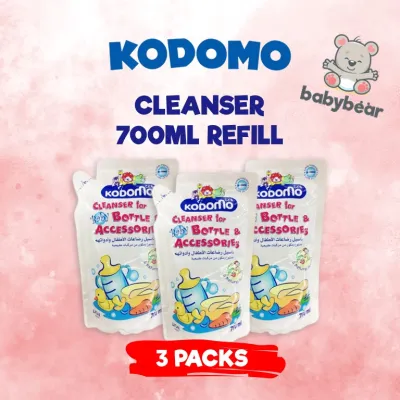
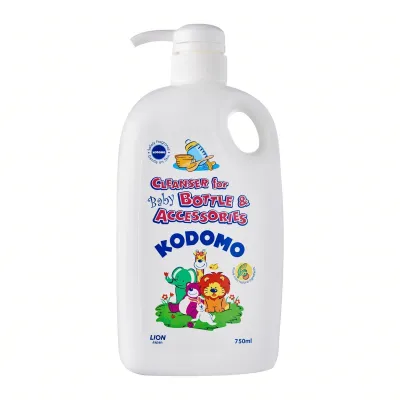
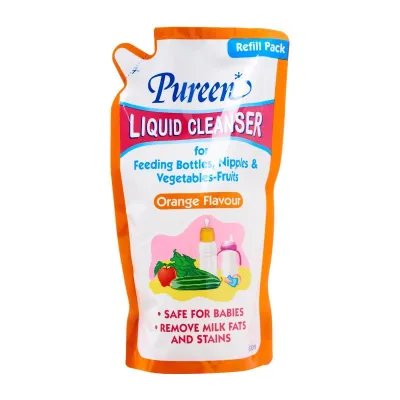
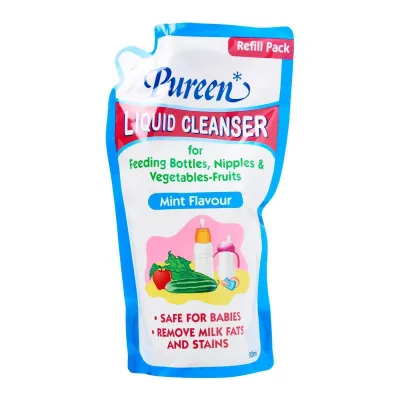
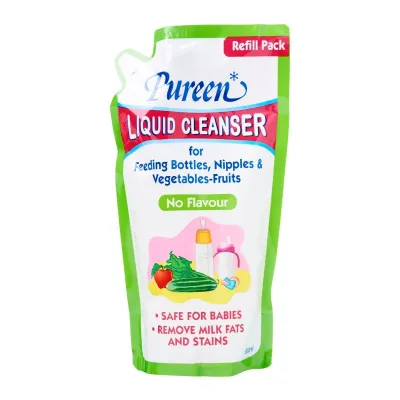
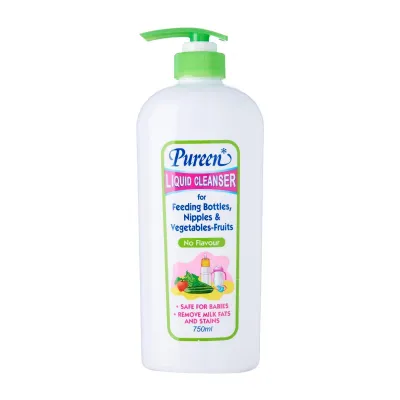
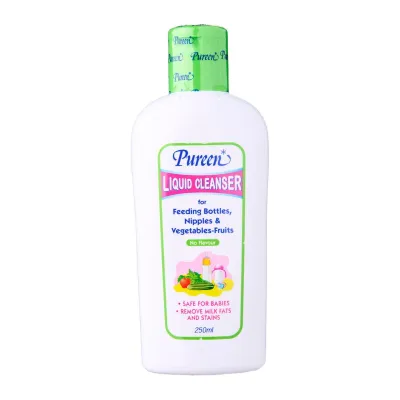
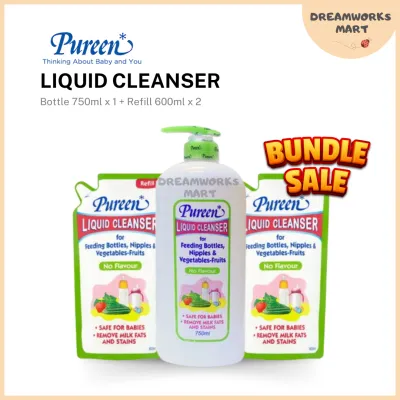
Prices are valid at publication and may change. Please refer to the product page for the latest price.
Plastic bottles are lightweight and shatterproof, but they are highly susceptible to micro-scratches from abrasive brushes or harsh cleaning agents. These tiny scratches can become breeding grounds for bacteria and trap milk fats, leading to cloudiness and persistent sour odors. Plastic also tends to absorb smells more readily than glass, requiring a gentle, non-abrasive cleaning approach that lifts residues without scratching the surface.
Silicone is highly flexible and heat-resistant, making it a popular choice for modern bottle nipples and soft-sided bottles. However, silicone has a natural tendency to attract dust and static, and its porous structure can easily retain milk fats and strong odors. Cleaning silicone requires effective degreasing agents that can break down stubborn milk lipids without leaving a strong fragrance behind, as silicone can absorb perfume scents from heavily scented soaps.
Comparing Baby Bottle Cleaner Types
Baby bottle cleaners come in several formats, each offering distinct practical advantages depending on your daily routine. Liquid and foam washes are the most common options available. Liquid washes are highly concentrated and versatile, easily dissolving in water to create a consistent cleaning solution. Foam washes, dispensed via a pump, provide immediate lather, which can reduce the amount of water and soap needed for a quick wash and make rinsing faster.

Powder and tablet cleansers are typically formulated for deep cleaning rather than daily quick washes. These formats often rely on oxygen-based bleaching agents or enzymes to break down stubborn organic matter and remove tough stains. While highly effective for periodic deep cleaning, caregivers must verify the manufacturer’s compatibility guidelines, especially when using them on plastic or silicone, as some strong formulations can accelerate material degradation.
The choice of mechanical cleaning tools is just as critical as the soap itself. Sponge brushes are soft and highly effective for gentle cleaning, making them ideal for scratch-prone plastic bottles, though they require frequent replacement to prevent mold growth. Silicone brushes are durable, hygienic, and easy to sanitize, but they may not lather as well with certain liquid soaps. Nylon bristle brushes offer excellent scrubbing power for durable glass bottles but should be avoided on plastic surfaces due to the high risk of scratching.
Key Ingredients and Safety Checks
When selecting a baby bottle cleaner, reading the ingredient label is essential to ensure the formula is gentle and easy to rinse. Many dedicated baby bottle cleansers utilize plant-based surfactants, such as those derived from coconut or corn. These surfactants are designed to break down milk fats effectively while being highly water-soluble, which helps them rinse away completely without leaving a chemical film. Synthetic surfactants can also be effective, but they may require more rigorous rinsing to ensure no residue remains.
Caregivers should look for formulations that are fragrance-free, dye-free, and hypoallergenic. Artificial fragrances and dyes do not contribute to the cleaning process and can leave behind residues that cause skin or digestive irritation in sensitive infants. A fragrance-free formula also prevents silicone nipples from absorbing artificial scents, which can alter the taste of the milk and cause babies to reject the bottle.
It is important to verify manufacturer claims against the actual ingredient list rather than relying solely on front-of-package marketing. Look for clear ingredient disclosures and check if the product aligns with local health guidelines for infant care products. In Singapore, parents can look for products that disclose all active ingredients clearly, allowing for an informed check against known irritants or allergens before purchase.
Decision Framework: Which Cleaner Fits Your Routine?
To choose the right cleaner, consider the primary material of your bottle collection and your daily washing habits. If your inventory consists mostly of plastic bottles, prioritize a gentle, plant-based liquid or foam wash. This combination minimizes the risk of micro-scratches and prevents the cloudiness that often develops from harsh chemical exposure. Pair this with a soft sponge or silicone brush to maintain the integrity of the plastic over time.
For households dealing with persistent odors in silicone bottles or nipples, look for a specialized silicone-safe wash or a verified baking soda-based cleaning solution. Baking soda is a natural deodorizer that can help neutralize trapped milk smells without damaging the silicone structure. Ensure any specialized wash you choose is specifically labeled as safe for food-grade silicone and does not contain strong synthetic perfumes.
If you primarily use glass bottles, standard baby bottle washes paired with a soft sponge or nylon brush work exceptionally well. Because glass is highly scratch-resistant, the primary focus should be on achieving a spotless rinse. A clean-rinsing liquid wash will prevent water spots and ensure no soapy residue is left behind on the non-porous glass surface.
Before finalizing your setup, verify if your bottles feature specialized anti-colic vent systems, internal straws, or multiple small valves. These complex parts often have tight crevices where milk residue can hide, regardless of the bottle material. If you use these systems, ensure your cleaning routine includes specialized micro-brushes or detail brushes that can physically reach into the vents to ensure thorough cleaning.
Proper Washing and Maintenance Techniques
Establishing a consistent and safe washing routine is vital for maintaining bottle hygiene and extending the lifespan of the materials. Always begin by completely disassembling the bottle. Separate the nipple, collar, bottle body, and any anti-colic valves or sealing discs. Washing a partially assembled bottle allows milk residue to remain trapped in the joints, creating an environment where bacteria can rapidly multiply.
When washing, refer to the manufacturer’s water temperature guidelines for each specific material. While glass and silicone can generally withstand high temperatures, certain plastics may warp or degrade if exposed to excessively hot water during the washing phase. Use warm, soapy water as recommended by the bottle manufacturer, and wash each component individually using the appropriate brush.
After washing and rinsing thoroughly, proper drying is essential to prevent mold and bacterial growth. Place all components on a dedicated, clean drying rack in a well-ventilated area. Avoid using standard kitchen dish towels to dry baby bottles, as these towels can transfer lint and bacteria back onto the clean surfaces. Allow all parts to air dry completely before reassembling or storing them in a clean, closed cabinet.
Frequently Asked Questions (FAQ)
Can I use regular dish soap for baby bottles?
Regular dish soaps are formulated to cut through heavy grease on adult cookware and often contain strong synthetic surfactants, artificial fragrances, and dyes. These ingredients can be difficult to rinse completely from baby bottles, potentially leaving behind a chemical residue or a strong scent that silicone nipples can absorb. If you must use regular dish soap, ensure it is a mild, fragrance-free, and dye-free formula, and rinse each component exceptionally thoroughly under running water to remove all traces of soap.
How do I remove milk stains from plastic bottles?
To address stubborn milk fat stains or cloudiness in plastic bottles, always check the bottle manufacturer’s care guidelines first to avoid voiding any warranties or damaging the material. A safe, non-abrasive method is to soak the bottles in a mixture of warm water and a dedicated baby bottle cleanser for at least 30 minutes. Avoid using harsh abrasive pads, steel wool, or stiff nylon brushes, as these will scratch the plastic, making it more susceptible to future staining and bacterial buildup.
Is it safe to boil silicone and plastic bottles?
Silicone generally possesses high heat resistance, making it safe for standard boiling and steam sterilization methods. However, plastic bottles have highly variable heat limits depending on the specific type of plastic used, such as polypropylene or polyphenylsulfone. Before exposing any plastic bottle to boiling water or steam, you must check the manufacturer’s instructions to verify the maximum temperature threshold. Exceeding these limits can cause the plastic to warp, degrade, or release unwanted substances.
Community discussion
Share your experience or ask a question. Comments are reviewed before publication.