
Finding the right pregnant support belt in Singapore is not about finding a single universally recommended brand, but rather identifying the design that matches your specific physical discomforts, daily activity levels, and the local tropical climate. Because every pregnancy progresses differently, a belt that offers relief for one person might feel restrictive or overly warm for another. To make an informed decision, you need to evaluate how different brands handle adjustability, fabric breathability, and support distribution, ensuring the product you select aligns with your body’s changing needs.
Recognizing When You Need a Pregnant Support Belt
During pregnancy, your body undergoes rapid structural changes to accommodate your growing baby. As your center of gravity shifts forward, your lower back and pelvis experience increased mechanical stress, often leading to noticeable physical signals. Many expectant mothers begin to feel a dull ache in the lumbar region, a sharp pull in the lower abdomen known as round ligament pain, or a heavy sensation of downward pelvic pressure during prolonged standing or walking.
A pregnant support belt acts as a temporary external aid designed to distribute this weight more evenly across your hips and torso. It is important to understand that these belts are comfort aids rather than medical devices; they do not prevent pregnancy complications, cure underlying structural issues, or replace professional prenatal care. Instead, they offer targeted compression to help you maintain better posture and stay active throughout your daily routine.
Products mentioned in this guide
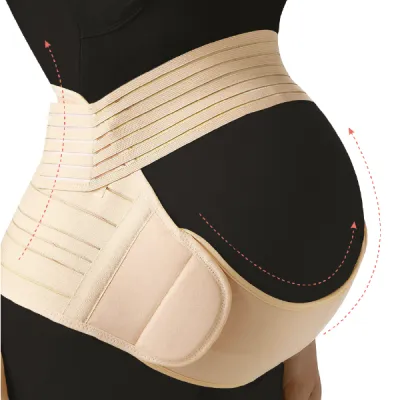
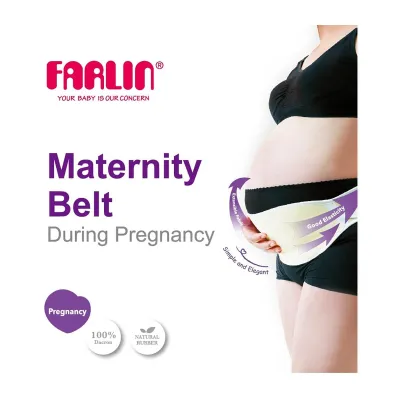
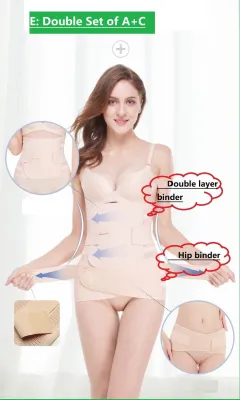
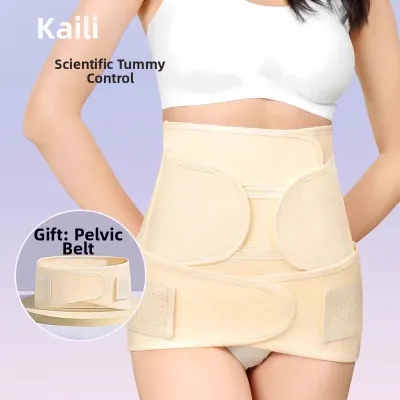
Prices are valid at publication and may change. Please refer to the product page for the latest price.
While some individuals find support beneficial as early as the late first trimester, most mothers start using a belt during the second or third trimester when the physical weight of the bump increases significantly. Because every pregnancy timeline is unique, you should rely on your personal comfort levels and physical feedback rather than a rigid calendar schedule to decide when to introduce external support.
Key Features to Compare When Evaluating Belt Brands
When browsing different brands online or in local maternity boutiques, comparing specific design features will help you look past generic marketing claims and find a highly functional product. The first feature to evaluate is the adjustability mechanism, which typically consists of hook-and-loop fasteners (Velcro), side tension straps, or adjustable buckles. A high-quality belt must allow for incremental adjustments so that you can loosen or tighten the support as your abdomen expands and your comfort needs change throughout the day.

Given Singapore’s consistently hot and humid climate, fabric breathability and moisture-wicking properties are critical factors for daily comfort. Heavy, non-porous materials can trap heat and sweat against your skin, leading to heat rashes, itching, and general discomfort. Look for brands that utilize lightweight mesh panels, perforated fabrics, or natural fiber blends that promote airflow and allow moisture to evaporate quickly.
The width and distribution of the support band also play a major role in how effectively the belt relieves pressure. Narrow bands provide highly targeted support but can sometimes dig into the skin or roll down if not positioned perfectly. In contrast, wider cradles distribute the weight of the abdomen over a larger surface area, reducing localized pressure points but potentially adding more bulk under your clothing.
Finally, consider the practical ease of use, particularly how easily you can put on, adjust, or remove the belt when you are away from home. A belt that requires you to fully undress or navigate complex strap configurations can become highly inconvenient during frequent restroom visits. Opt for designs that can be adjusted quickly over or under your clothing with minimal effort.
Common Belt Designs and Their Best-Use Scenarios
Maternity support wear generally falls into three primary design categories, each engineered to address different patterns of discomfort and lifestyle requirements. Choosing the right style depends on whether your primary goal is targeted lower back stabilization, gentle all-around belly cradling, or seamless integration into your daily wardrobe. Understanding these structural differences allows you to select a design that matches your daily physical demands.
Cradle-Style Belly Bands
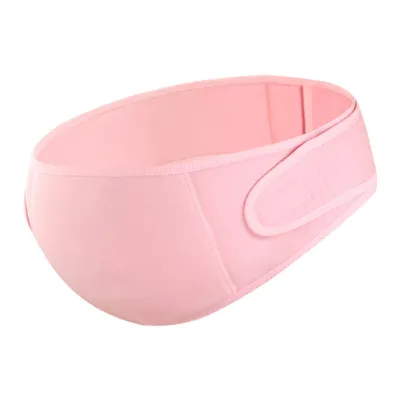
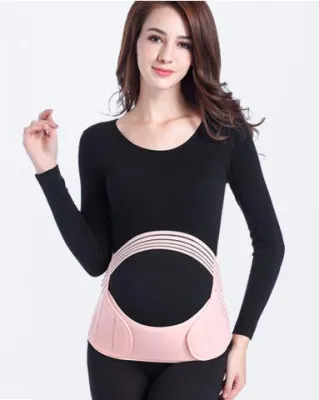
Cradle-style belly bands typically feature a wide, continuous loop of elasticized fabric that slips over your abdomen to gently lift and support the lower bump. This design mimics the natural support of your abdominal muscles, distributing the weight evenly across your midsection without applying harsh, localized pressure.
This style is highly suitable for expectant mothers who are experiencing a general sense of heaviness or downward pelvic pressure, particularly during the second trimester when the bump begins to show prominent growth. Because they lack rigid structural elements, these bands are exceptionally comfortable for sitting and light daily activities.
However, cradle-style bands have distinct limitations, as they generally offer less targeted stabilization for severe lower back pain or pelvic girdle pain. If you require firm, structured support to stabilize your sacroiliac joints, a simple fabric cradle may not provide sufficient resistance.
Adjustable Wrap-Around Belts
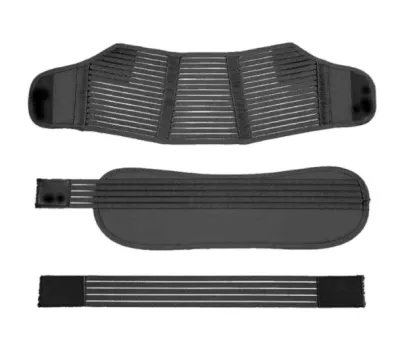
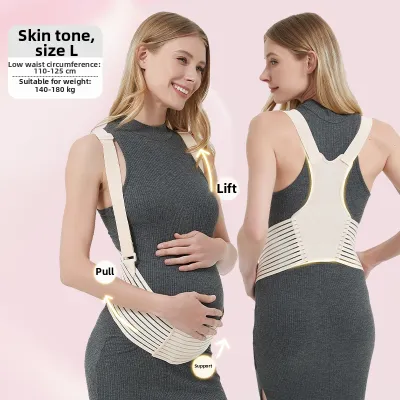
Adjustable wrap-around belts consist of a structured back panel—sometimes reinforced with flexible stays—and adjustable side straps that wrap around the lower abdomen to secure the belt in place. This multi-piece or highly adjustable design allows you to customize the level of compression and lift precisely where you need it most.
These belts are highly effective for individuals dealing with localized lower back strain, sacroiliac joint instability, or severe round ligament pain. The ability to tighten the side straps independently means you can increase support during active walking and loosen it easily when transitioning to a seated position.
The primary trade-off with wrap-around belts is their bulkiness, as the overlapping straps and fasteners can create visible lines under thin or fitted clothing. Additionally, the structured materials can feel stiffer and may require a brief learning curve to position correctly according to the manufacturer’s guidelines.
Integrated Support Shorts or Leggings
Integrated support garments are maternity bottoms, such as compression shorts, leggings, or briefs, that feature built-in, high-tension panels woven directly into the belly and lower back areas. This design provides a smooth, continuous layer of mild to moderate support that moves naturally with your body.
This option is highly favored by active individuals who enjoy prenatal exercise, as well as those seeking a discreet support solution that fits seamlessly under professional or casual wear without shifting or rolling. Because the support is integrated into standard clothing items, there are no fasteners or straps to adjust throughout the day.
The main limitation of integrated garments is their lack of long-term adjustability, as the level of compression is determined entirely by the fabric’s elasticity and the garment’s size. As your pregnancy progresses, you may find that you need to purchase larger sizes to maintain a comfortable fit, making this a potentially more expensive option over nine months.
How to Verify Brand Claims and Select the Right Size
To ensure your support belt is both effective and safe, you must look past subjective marketing terms like “perfect fit” or “instant pain relief” and focus on verifiable product specifications. When determining your size, never rely on your pre-pregnancy clothing size or generic small-medium-large labels. Instead, use a flexible measuring tape to measure your current circumference around the fullest part of your lower hip and under your belly bump, then compare these exact measurements directly against the manufacturer’s specific sizing chart.
Carefully inspect the material composition labels on the product packaging or official brand listings. Prioritize materials that are certified hypoallergenic and latex-free, especially if you have sensitive skin or are prone to contact dermatitis. High-quality brands will clearly list their fabric percentages, allowing you to verify the presence of breathable fibers like cotton or specialized synthetic blends designed for moisture management.
Be highly skeptical of brands that make absolute medical claims, such as promising to prevent stretch marks, cure chronic spinal conditions, or guarantee a faster postpartum recovery. A support belt is a physical comfort aid designed to temporarily offload weight, not a medical treatment. Focus your evaluation on observable construction quality, such as double-stitched seams, durable hook-and-loop fasteners, and flexible support panels that align with your body’s anatomy.
Where to Buy and What to Check Before Purchasing in Singapore
When shopping for a pregnant support belt in Singapore, you have the choice between visiting physical maternity boutiques or purchasing through online brand stores and ecommerce platforms. Visiting a physical store allows you to touch the fabrics, assess the weight of the materials, and sometimes try on different styles to see how they feel against your skin and under your clothes. This hands-on experience can be invaluable for identifying potential chafing points or determining if a belt is too complex to put on independently.
If you choose the convenience of online shopping, it is essential to thoroughly review the seller’s return and exchange policies before finalizing your purchase. Because maternity wear is subject to strict hygiene regulations, many retailers do not accept returns on opened support belts unless there is a clear manufacturing defect. Ensure you understand the exact conditions under which an exchange for a different size is permitted so you are not left with an unusable product.
Additionally, take the time to verify the authenticity of the seller, particularly when purchasing international brands on local online marketplaces. Read recent user reviews carefully, paying close attention to feedback regarding long-term durability, such as whether the Velcro loses its grip after a few weeks of use or if the elastic panels begin to sag and lose tension after washing.
Safe Usage Guidelines and When to Stop Wearing the Belt
Using a pregnant support belt safely requires strict adherence to the manufacturer’s instructions and an awareness of your body’s physical responses. Always position the belt low on your hips, cradling the underside of your abdomen rather than wrapping it tightly across the middle of your bump, which can apply unnecessary pressure to your baby. The belt should feel like a supportive hug that lifts the weight, never so tight that it restricts your breathing, leaves deep indentations on your skin, or limits your natural range of motion.
You must pay close attention to physical warning signs and remove the belt immediately if you experience any adverse symptoms. These warning signs include numbness or tingling in your legs or pelvic area, restricted breathing, localized skin irritation, an increase in pelvic pain, or any noticeable reduction in fetal movement. If any of these symptoms occur, discontinue use and consult your healthcare provider before attempting to wear the belt again.
It is highly recommended to consult your obstetrician, gynecologist, or a qualified prenatal physiotherapist before introducing a support belt, especially if you have a high-risk pregnancy, a history of preterm labor, or pre-existing cardiovascular or musculoskeletal conditions. A professional can verify that external compression is safe for your specific situation and guide you on the correct positioning to support your body without causing unintended strain.
Frequently Asked Questions (FAQ)
Can I wear a support belt all day?
Continuous, all-day wear of a maternity support belt is generally not recommended by health professionals. Wearing a belt for extended, uninterrupted periods can cause your body to rely too heavily on the external support, potentially reducing the natural engagement of your core and back muscles. Instead, aim to wear the belt primarily during activities that trigger discomfort, such as long walks, standing chores, or grocery shopping, and remove it when you are sitting down, resting, or sleeping.
Will a support belt weaken my core muscles?
A support belt will not automatically weaken your core muscles if used mindfully as a temporary aid rather than a permanent crutch. To maintain your natural strength, use the belt to manage discomfort during active movement while actively engaging in pregnancy-safe core and pelvic floor exercises approved by your healthcare provider. This balanced approach ensures that your muscles continue to work and support your body naturally while the belt provides relief during high-strain activities.
How do I clean and maintain my maternity belt?
To preserve the elasticity of the fibers and the gripping power of the Velcro, always check the manufacturer’s specific care label before cleaning your belt. As a general rule, hand-washing your belt in cool water with a mild, hypoallergenic detergent is the safest way to maintain its structural integrity. If you prefer to use a washing machine, secure all Velcro fasteners completely, place the belt inside a mesh laundry bag, select a gentle cycle, and always air-dry the belt flat away from direct sunlight and heat sources.

Community discussion
Share your experience or ask a question. Comments are reviewed before publication.