
Choosing the right postpartum binder depends entirely on your delivery method, specific support needs, and daily lifestyle. There is no single “best” style for everyone; wrap-style binders offer customizable full-abdomen coverage, belt-style options provide targeted pelvic support, and corset-style garments deliver firm core compression. Before selecting or wearing any postpartum support garment, it is essential to consult your obstetrician or midwife to ensure it is safe for your specific healing stage and incision status.
In warm and humid climates, selecting a binder also requires careful consideration of fabric breathability and daily comfort. Whether you are navigating the early weeks of recovery at home or preparing to return to light daily activities, understanding how these three distinct designs function will help you make an informed decision. By matching the structural features of each binder to your physical recovery goals, you can support your body’s natural healing process safely and comfortably.
Understanding the Three Main Postpartum Binder Styles
To choose the right support garment, it is helpful to first understand how each style is constructed and how it interacts with your body. Postpartum binders generally fall into three categories based on their shape, coverage area, and fastening mechanisms.
Products mentioned in this guide
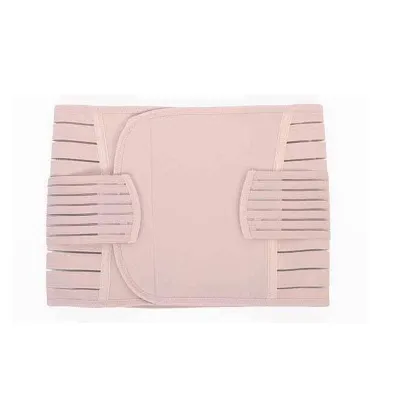
![[SG Stock] Postpartum Belly Wrap Belly Shrink Abdominal Belt Waist Girdle Shaping After C-section and Natural Birth](https://img.lazcdn.com/g/p/3644ab55af001075d9ec5bb10bc45a9d.jpg_400x400q80.jpg_.webp)
Prices are valid at publication and may change. Please refer to the product page for the latest price.
Wrap-Style Binders
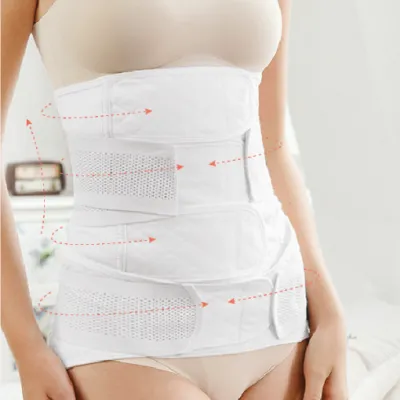
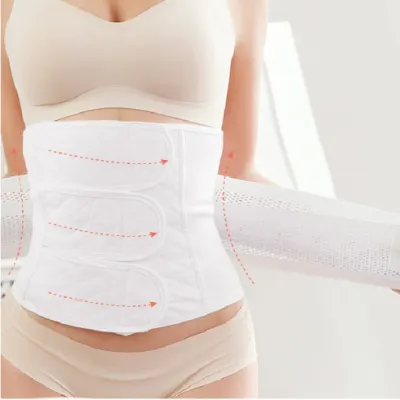
Wrap-style binders are highly adjustable garments designed to cover the entire abdominal region, from just below the bust down to the hips. These wraps typically utilize wide panels with hook-and-loop closure systems, allowing you to make micro-adjustments to the tightness and fit as your postpartum belly naturally changes size.
The primary advantage of a wrap-style binder is its customizable tension control. Because the panels can be pulled and fastened independently, you can apply more pressure to the lower abdomen while keeping the upper stomach relatively loose. This flexibility makes wraps highly adaptable during the first few weeks after childbirth when swelling and uterine shrinkage occur rapidly.
Additionally, the broad coverage of a wrap-style binder provides a secure feeling of full-torso encapsulation. This comprehensive support can be particularly comforting during early movements, such as sitting up in bed or standing. However, the multi-panel design and substantial fabric coverage mean these wraps can sometimes feel bulky under form-fitting clothing or warm during humid afternoons.
Belt-Style Binders
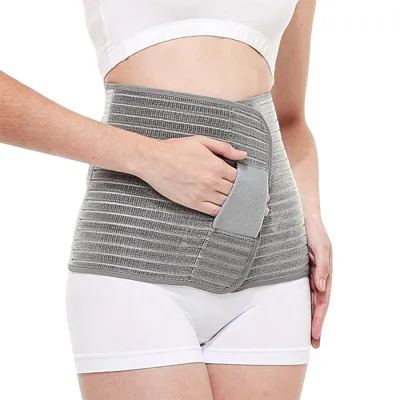
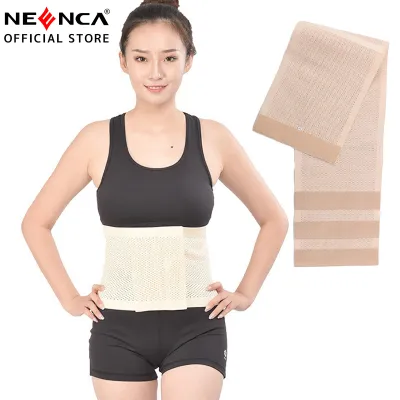
Belt-style binders feature a much narrower, more targeted design compared to full-coverage wraps. Instead of enclosing the entire midsection, these belts are engineered to focus compression specifically on the pelvic girdle, lower back, or lower abdomen.
These garments are often preferred by individuals seeking localized stability rather than overall abdominal compression. The streamlined profile of a support belt makes it exceptionally discreet and lightweight, allowing it to be worn comfortably under everyday clothing without creating noticeable lines or bulk.
Fastening mechanisms for belt-style binders are usually simplified, often consisting of a single wide strap or a basic dual-tension pull system. This straightforward design prioritizes quick application and removal, making it highly practical for busy parents who need to adjust their support level on the go. While they do not offer upper abdominal coverage, they excel at stabilizing the pelvis and supporting the lower back during daily movements.
Corset-Style Binders
Corset-style binders represent the most structured and high-compression option among postpartum support garments. These binders typically utilize traditional hook-and-eye closures, heavy-duty zippers, or lace-up systems to provide a highly secure, tailored fit that does not slip or shift during movement.
A defining feature of many corset-style binders is the inclusion of rigid or semi-rigid boning elements. These vertical supports are strategically placed to encourage an upright posture and prevent the garment from rolling down or bunching at the waist. The structured design provides firm, uniform compression across the entire core, which some individuals find highly supportive for their back and abdominal muscles.
Because of their high compression levels and complex fastening systems, corset-style binders generally require more time and effort to put on correctly. They offer less immediate adjustability throughout the day compared to wrap-style options, meaning you must select the correct size carefully. The firm structure also means they are less flexible, which may influence your comfort levels during activities like nursing or bending over.
Key Comparison Dimensions for Postpartum Support
When deciding between a wrap, a belt, or a corset, evaluating how their functional trade-offs align with your daily recovery requirements and physical comfort is essential. Each design distributes pressure differently and offers distinct advantages depending on your lifestyle.

Compression Distribution
The way a binder distributes pressure significantly affects both comfort and physical support. Wrap-style and corset-style binders offer full-torso encapsulation, which distributes compression evenly across the entire abdominal wall. This broad pressure can help reduce the sensation of abdominal emptiness that many experience immediately after birth. In contrast, belt-style binders focus compression entirely on the lower pelvic region. This targeted approach is highly effective for stabilizing the sacroiliac joints and pubic symphysis, but it leaves the upper abdomen unsupported.
Ease of Use and Accessibility
Daily life with a newborn involves frequent bathroom visits, posture changes, and managing postpartum bleeding. Wrap-style binders, with their quick-release hook-and-loop fasteners, are relatively easy to loosen or remove when using the restroom or resting. Belt-style binders are also highly accessible due to their simple, narrow design. Corset-style binders, however, can be more cumbersome to adjust. Undoing a long row of hook-and-eye closures or unzipping a structured garment multiple times a day requires extra effort, which may be challenging during the early, exhausting weeks of recovery.
Delivery-Specific Considerations
Your delivery method plays a critical role in determining which binder style is safe and comfortable. For those recovering from a Caesarean section, a binder must not rub, pinch, or put excessive pressure on the healing incision. A soft, highly adjustable wrap-style binder can often be positioned to avoid direct friction on a C-section wound, whereas a rigid corset with boning or a low-slung pelvic belt might press directly against the incision site. Conversely, those who had a vaginal delivery may find the targeted pelvic stabilization of a belt-style binder highly beneficial for relieving pelvic floor pressure and lower back strain. Regardless of your delivery type, you must verify the medical suitability of any garment with your healthcare provider before use.
Decision Framework: Which Style Fits Your Needs?
To help you choose the postpartum binder that best aligns with your recovery journey, consider the following conditional guidelines based on your physical needs, lifestyle, and comfort preferences.
Choose Wrap-Style if:
- You want customizable, full-abdomen support that can be adjusted as your body changes.
- You prefer a garment that is easy to put on, loosen, or remove independently throughout the day.
- You are recovering from a C-section and need a soft, flexible option that can be adjusted to avoid irritating your incision.
- You want to manually control the compression levels on different parts of your torso.
Choose Belt-Style if:
- Your primary physical complaints are pelvic instability, sacroiliac joint pain, or lower-back discomfort.
- You prefer a lightweight, highly discreet garment that can be worn easily under thin or form-fitting clothing.
- You live in a warm climate and want to minimize the amount of fabric covering your torso to prevent overheating.
- You need a simple, quick-to-fasten option for short periods of walking or standing.
Choose Corset-Style if:
- You prioritize firm, high-level core compression and want strong structural support for your posture.
- You prefer a highly secure garment with hook-and-eye or zipper closures that will not shift, slip, or lose tension during movement.
- You are further along in your recovery journey and are comfortable wearing a more rigid, structured garment.
- You do not mind spending extra time fastening and adjusting the garment to achieve a tailored fit.
Verify First if:
- You have a healing C-section incision, as any direct pressure, friction, or trapped moisture can interfere with wound healing.
- You have been diagnosed with diastasis recti (separation of the abdominal muscles), as improper or excessive compression can worsen the condition.
- You experience symptoms of pelvic organ prolapse or pelvic floor dysfunction, as downward pressure from an improperly fitted binder can exacerbate these issues.
- You have any pre-existing medical conditions, skin sensitivities, or circulatory concerns; always obtain explicit medical clearance from your doctor or midwife before introducing a support garment.
Safety Boundaries and Usage Guidelines
While postpartum binders can offer valuable comfort and support, they must be used safely and mindfully to avoid interfering with your body’s natural healing processes. Using a binder incorrectly or wearing it excessively can lead to muscle weakness or physical discomfort.
First and foremost, always strictly adhere to the manufacturer’s care labels and your healthcare provider’s specific advice regarding daily wear duration. Binders are generally not intended for continuous, 24-hour wear. It is highly recommended to take regular breaks throughout the day, allowing your abdominal muscles to engage naturally and your skin to breathe. Ensure the garment is snug enough to provide support but never so tight that it restricts your breathing, limits your mobility, or causes pain.
Pay close attention to your body and identify physical warning signs that indicate you should remove the binder immediately. These warning signs include skin irritation, redness, or rashes under the garment; restricted or shallow breathing; increased abdominal, pelvic, or back pain; numbness or tingling in your legs or pelvic region; and digestive discomfort or acid reflux. If any of these symptoms occur, discontinue use and consult your healthcare provider.
It is also crucial to understand the physical limits of postpartum support garments. Binders provide temporary external support and helpful sensory feedback, which can make moving around easier in the early weeks. However, they do not rebuild or strengthen your muscles. Relying on a binder as a permanent solution can actually prevent your deep core and pelvic floor muscles from regaining their natural strength. For long-term recovery, external binders should be viewed as a temporary aid while you focus on gradual core rehabilitation and, if needed, pelvic floor physical therapy.
Frequently Asked Questions (FAQ)
How soon after delivery can I start wearing a postpartum binder?
The safe timeline for starting to wear a postpartum binder depends entirely on your individual delivery method, overall health, and healing progress. For an uncomplicated vaginal delivery, some healthcare providers may approve light support early on, whereas recovery from a C-section typically requires waiting until the incision has closed and healed sufficiently to avoid infection or wound complications. Because every recovery journey is unique, you must obtain explicit approval from your obstetrician, gynecologist, or midwife before wearing any compression garment. Do not rely on generalized timelines, as your provider will assess your specific physical condition to ensure it is safe to begin.
Can I wear a postpartum binder while sleeping?
Generally, it is not recommended to wear a highly structured or high-compression postpartum binder while sleeping. Overnight wear can restrict your diaphragm’s natural movement, limit deep breathing, and potentially impede healthy blood circulation while you are lying down for extended periods. Additionally, wearing a binder continuously through the night does not allow your skin to breathe, which can increase the risk of sweat buildup and skin irritation, especially in warm climates. Always check the specific product care labels and consult your healthcare provider for personalized guidance. If overnight support is deemed necessary for a specific medical reason, your provider may recommend a much softer, lighter, and non-restrictive garment designed specifically for sleep.
Community discussion
Share your experience or ask a question. Comments are reviewed before publication.