
When childproofing your home, securing electrical outlets is one of the most critical steps you can take to protect your little explorer. However, choosing the right power point cover is rarely a one-size-fits-all decision. The safest option for your household depends on your child’s current developmental stage, their physical dexterity, and how frequently you need to access the socket. While plug-in inserts are highly effective for permanently unused outlets, sliding plate covers offer seamless protection for high-use areas, and full box covers provide a robust physical barrier for sockets powering essential appliances. Ultimately, no single physical barrier can replace active adult supervision and early safety education, but selecting the correct cover type significantly reduces the risk of accidental electrical contact.
The 3 Main Power Point Cover Types Explained
Understanding the physical differences, mechanisms, and installation requirements of the three primary cover types is the first step toward creating a secure home environment. Each design serves a distinct purpose and offers varying levels of resistance against curious hands.
Plug-In Inserts
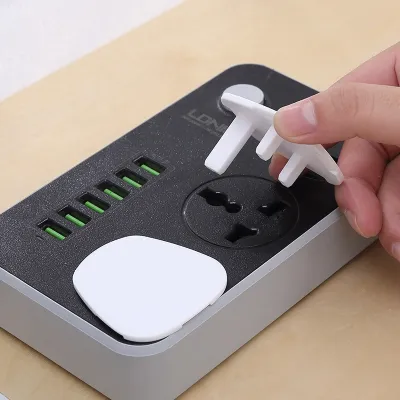
Plug-in inserts are the most common and economical childproofing accessories available. They consist of a simple plastic cap with prongs that insert directly into the socket holes, physically blocking access to the live terminals. Typically, these inserts sit flush against the wall plate to prevent children from gaining a finger grip.
Products mentioned in this guide
Prices are valid at publication and may change. Please refer to the product page for the latest price.
These covers are best suited for sockets that remain permanently unused or are obscured behind heavy furniture like wardrobes, television consoles, or bookshelves. When choosing these, parents must verify that they fit tightly and cannot be easily pried loose by curious fingers or small household objects. Some models require a specialized two-pronged key to remove, which adds an extra layer of security compared to basic tension-fit models.
Sliding Plate Covers
Unlike temporary inserts, sliding plate covers are semi-permanent replacement faceplates that feature an integrated spring-loaded or manual sliding mechanism. When you unplug an appliance, the internal mechanism automatically slides a plastic barrier across the socket holes, sealing them off instantly. This design eliminates the risk of loose parts lying around the house.
Installing these covers requires a small amount of DIY effort, as you must unscrew your existing wall plate to replace it with the sliding version. They are highly recommended for frequently used outlets, such as those in the kitchen, living room charging stations, or home offices, where you need quick access without leaving the socket exposed when the plug is removed.
Full Box Covers
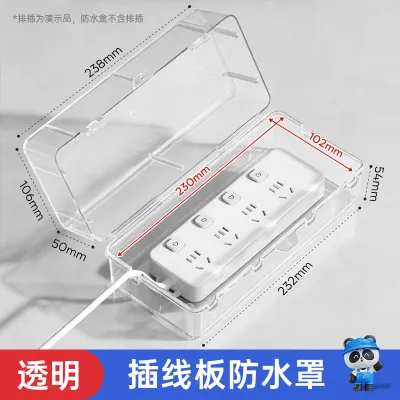
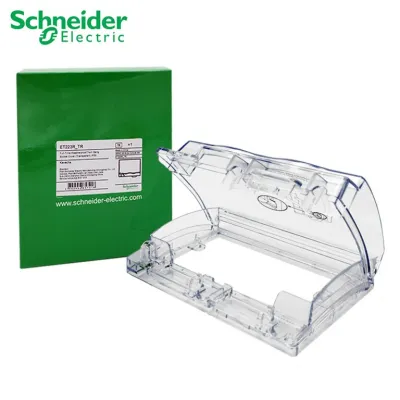
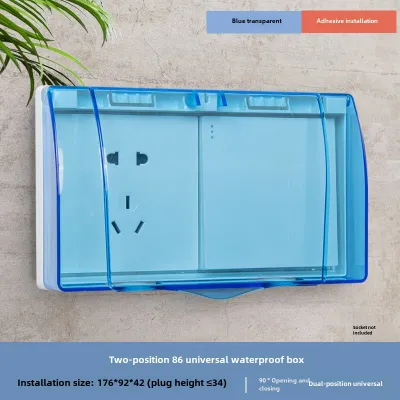
Full box covers are larger, box-like enclosures that completely encase both the wall socket and any plugs currently inserted into it. They typically feature a clear or opaque plastic shield that latches securely, requiring a specific double-action squeeze, a combination lock, or even a physical key to open.
These covers are designed specifically for outlets that power essential, continuously running appliances—such as air purifiers, standing fans, refrigerators, or baby monitors. By enclosing the entire plug, they prevent children from pulling out active plugs, playing with exposed prongs, or chewing on the power cords. They also prevent accidental shut-offs of critical devices.
Comparing Safety, Compatibility, and Daily Convenience of Power Point Covers
To make an informed decision, parents must evaluate how these three cover types perform across real-world safety risks, local socket designs, and daily household routines.

Safety Effectiveness and Choking Hazards
While plug-in inserts are highly popular, they carry a hidden risk: if a child manages to pry them out, they can quickly become a serious choking hazard. Because these inserts are small and lightweight, they easily fit into a toddler’s mouth. Before purchasing, parents must verify that any removable parts are larger than a standard choke-test cylinder and check the plastic quality regularly. In hot, humid climates, cheap plastics can degrade quickly, becoming brittle and prone to snapping inside the socket terminals.
Sliding covers completely eliminate the risk of loose choking hazards because the protective barrier is built directly into the faceplate. However, their safety relies heavily on the mechanical integrity of the internal spring. Over time, dust, pet hair, or physical wear can cause the spring to fail, potentially leaving the slider stuck in the open position and exposing the live terminals.
Full box covers offer the highest level of physical protection because they isolate the entire socket assembly. However, their effectiveness depends on the quality of the latch or lock. Parents must inspect these covers to ensure the locking mechanism cannot be easily bypassed by a determined child or broken by physical impact, such as a toy being thrown against the wall.
Compatibility with Singapore's 3-Pin Sockets
Singapore primarily uses British-style 3-pin (Type G) sockets, which operate under the BS 1363 standard. These sockets feature a built-in safety shutter system where the longer earth pin must be inserted first to open the shutters protecting the live and neutral ports. However, curious children can still bypass this safety feature by inserting slim objects into the top earth hole, which unlocks the lower live ports.
Because of this specific layout, generic or overseas plug-in inserts designed for two-pin US or European sockets will not work. Parents must ensure that any plug-in insert they purchase is specifically designed for Type G sockets, fitting snugly into all three openings to prevent gaps that a child could exploit.
For sliding covers, you must verify that the replacement plate matches the standard single or double-gang dimensions used in local homes. Many imported sliding plates are designed for American rectangular outlets and will not align with local wall boxes. Similarly, full box covers must be deep enough to accommodate the bulkier, angled profiles of local 3-pin plugs and thick power cables without pinching the wires or preventing the outer box from latching completely.
Ease of Adult Use and Daily Convenience
Daily convenience is a major factor in whether childproofing measures remain effective. Plug-in inserts can be highly frustrating for adults to remove, especially if they fit tightly as safety demands. If you frequently need to plug in a vacuum cleaner or a phone charger, constantly prying out a tight plastic insert can lead to broken fingernails and temptation to leave the outlet uncovered.
Sliding plate covers offer the best balance of safety and daily convenience. They allow for smooth, one-handed operation: you simply align the plug prongs with the slider holes, slide the mechanism across, and push the plug home. Once the plug is removed, the cover snaps shut automatically, requiring zero manual effort to re-secure the outlet.
Full box covers represent the opposite end of the convenience spectrum. Opening a latched or locked box every time you need to plug in a temporary device is tedious and impractical. Consequently, box covers should be reserved for “set-and-forget” appliances where the plug remains connected for weeks or months at a time, minimizing the need for daily interaction.
Matching the Cover to Your Child's Development Stage
As children grow, their physical strength, motor skills, and cognitive abilities change rapidly. A safety solution that works perfectly for a crawling infant may fail entirely when faced with a curious preschooler.
Crawlers and Early Toddlers (6 to 18 Months)
During this stage, babies explore their environment primarily through touch, taste, and physical pulling. They are attracted to low-lying objects, dangling cords, and small openings at eye level. While they lack the fine motor skills to manipulate complex mechanisms, they possess surprising physical strength and determination.
- Primary Risks: Pulling on active power cords, chewing on cables, and attempting to pull loose objects out of the wall.
- Recommended Solutions: Full box covers are highly recommended for any active sockets within the child's reach. Enclosing the plug prevents the baby from pulling it out and chewing on the exposed prongs. For unused sockets, high-quality, tightly fitting plug-in inserts are acceptable, but caregivers must inspect them daily to ensure they have not been loosened by repetitive tugging.
Curious Preschoolers and Problem Solvers (18 Months to 4 Years)
At this stage, children become keen observers and mimics. They watch how adults use keys, slide buttons, and insert plugs, and they will attempt to replicate these actions. Their fine motor skills are highly developed, allowing them to use pincer grasps and manipulate small tools like hairpins, keys, or plastic toys.
- Primary Risks: Mimicking adults by inserting keys or toys into socket holes, sliding open simple spring mechanisms, or using flat objects to pry out plug-in inserts.
- Recommended Solutions: Simple plug-in inserts are no longer sufficient, as many preschoolers can easily figure out how to pry them loose. Sliding covers remain useful only if the mechanism requires a high level of physical resistance or a complex, simultaneous two-handed action that a child's hand span cannot yet manage. For maximum security, full box covers featuring dual-button releases, hidden latches, or physical keys are the most reliable defense against these young engineers.
Decision Framework: How to Choose the Right Cover
To select the most appropriate protection for each area of your home, use this structured decision framework:
- Choose Plug-In Inserts if: The socket is completely unused, located behind heavy furniture, or you need a temporary, low-cost safety measure while traveling. Always verify that the inserts fit tightly and require a tool or key to remove.
- Choose Sliding Plate Covers if: The socket is used frequently for temporary appliances, you want a clean and seamless aesthetic, and your child is still young enough that they cannot manipulate sliding mechanisms.
- Choose Full Box Covers if: The socket powers a permanently connected appliance, your child is highly determined and dexterous, or you need to prevent cords from being pulled out of the wall.
- Verify First if: You are living in a rented property, as replacing faceplates with sliding covers may violate your tenancy agreement or require landlord approval. Additionally, check if your home features non-standard decorative sockets, which may not accommodate standard box covers or sliding plates.
Installation Rules and Ongoing Safety Checks
Implementing physical covers is only half the battle; proper installation and regular maintenance are essential to prevent secondary electrical hazards.
When installing sliding plate covers, you will be working directly around live electrical terminals. Always turn off the main power supply at your home’s distribution board (DB box) before unscrewing any faceplate. Use a voltage tester to confirm the socket is completely dead before proceeding. If you encounter complex wiring, older non-standard back boxes, or feel unsure about the process, stop immediately and consult a licensed electrical worker.
For plug-in and box covers, establish a monthly inspection routine. Check all plastic components for signs of discoloration, cracking, or warping, which are common indicators of heat damage or UV degradation. Ensure that box covers still latch tightly and that plug-in inserts sit completely flush against the wall plate with no visible gaps.
Always check product packaging to verify that the covers comply with local safety guidelines and materials standards. If you notice any damage to the cover or if a socket feels unusually warm to the touch, remove the protective cover immediately, stop using the outlet, and contact a qualified professional to inspect your home’s wiring.

Community discussion
Share your experience or ask a question. Comments are reviewed before publication.