
Choosing the right postpartum binder in Singapore requires balancing physical recovery needs with the realities of a hot, humid climate. Rather than purchasing a product based on generic marketing claims or aesthetic promises, mothers should evaluate binders based on their specific delivery method, structural adjustability, and fabric breathability. A well-chosen binder provides essential support to the abdominal wall, lower back, and pelvis during the delicate fourth trimester, helping to stabilize weakened muscles and protect healing incisions. However, selecting the wrong style or wearing it incorrectly can lead to skin irritation, pelvic floor strain, or delayed muscle recovery.
Identifying Your Specific Postpartum Recovery Needs
The physical demands of postpartum recovery vary significantly depending on whether you had a cesarean section (C-section) or a vaginal delivery. A C-section is a major abdominal surgery involving incisions through multiple tissue layers. The primary need here is wound protection, gentle compression to minimize swelling, and stabilization of the incision site to reduce pain during movement, coughing, or nursing. The binder must not have rough seams, zippers, or harsh Velcro edges that can rub against the lower abdomen.
For a vaginal delivery, the focus shifts toward pelvic girdle stabilization and abdominal wall support. During pregnancy, the hormone relaxin loosens ligaments, and the rectus abdominis muscles stretch, sometimes leading to diastasis recti (abdominal separation). A binder can assist in bringing these muscle halves closer together, providing a physical prompt for core engagement.
Products mentioned in this guide
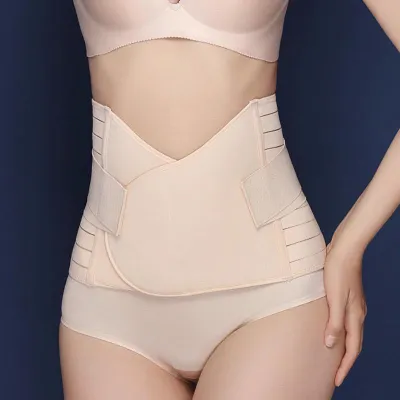
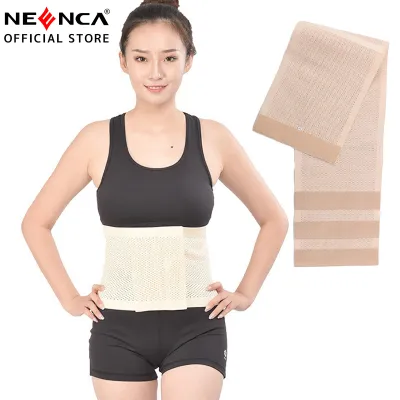
![[READY STOCK] Women High Waist Slim Girdle Pant Control Panties Corset Munafie Bengkung Perempuan Post Pregnancy](https://img.lazcdn.com/g/p/a73ff4e392e64be696b8076dc0871b91.jpg_400x400q80.jpg_.webp)
Prices are valid at publication and may change. Please refer to the product page for the latest price.
However, it is crucial to distinguish this from pelvic floor recovery. Excessive abdominal compression can direct pressure downward, exacerbating pelvic floor weakness or organ prolapse. Therefore, consulting an obstetrician or a specialized women’s health physiotherapist in Singapore—available at major maternity hospitals and private clinics—is highly recommended before introducing any compression garment.
Core Features to Evaluate When Shortlisting Brands
Singapore’s tropical climate presents a unique challenge for postpartum recovery wear. High humidity and temperatures mean that any garment worn close to the skin for extended periods can trap sweat, leading to heat rash, contact dermatitis, or bacterial infections near healing incisions. Mothers should prioritize highly breathable, moisture-wicking fabrics. Natural fibers like bamboo-derived viscose, organic cotton, or specialized lightweight mesh synthetics are preferred over thick, non-porous materials like standard neoprene.

Adjustability is another critical factor. A mother’s body shape changes rapidly in the weeks following childbirth as swelling subsides and the uterus contracts. Binders with multi-panel designs or adjustable Velcro straps allow for targeted compression, enabling the user to tighten or loosen specific sections independently.
Edge finishing is equally important; seamless borders or soft, fabric-bound edges prevent the binder from rolling down or digging into the ribs and hips when sitting. Finally, safety and quality should be verified by checking product labels for medical-grade textile certifications, such as the OEKO-TEX Standard 100, which ensures the fabric is free from harmful substances, or checking if the product is registered as a medical device with relevant health authorities.
Matching Binder Types to Your Recovery Goals
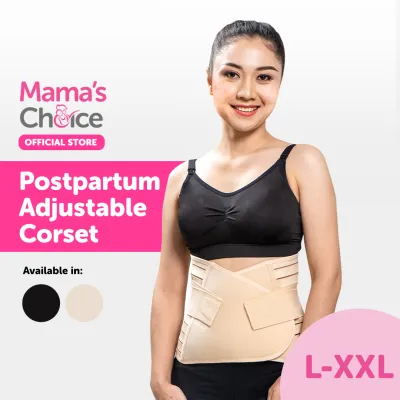
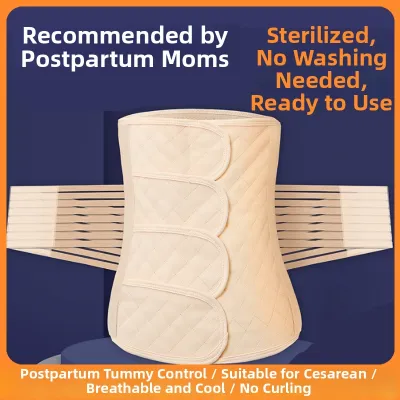
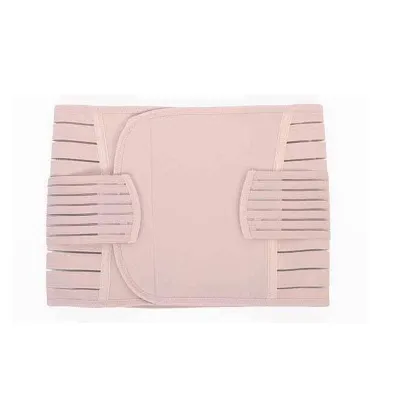
Abdominal wraps and belts are the most common postpartum support garments. These typically consist of a wide band of elasticized fabric that wraps around the midsection, focusing compression directly on the abdominal wall. They are highly effective for stabilizing the core and protecting C-section incisions, but they offer limited support to the lower pelvis.
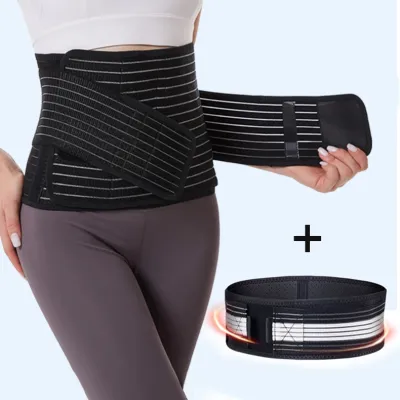
Pelvic support belts, by contrast, are narrower bands designed to be worn low around the hips. Their primary purpose is to stabilize the sacroiliac (SI) joints and relieve pelvic girdle pain (PGP) by mimicking the stabilizing function of the pelvic ligaments.
Full-torso shapers and postpartum girdles extend from under the bust down to the hips or thighs, offering comprehensive postural support and a streamlined silhouette. While these can help improve posture during breastfeeding, they carry a higher risk of exerting excessive downward pressure on the pelvic floor if they are too tight or lack adjustable tension.
Understanding these distinctions helps mothers avoid using a garment that works against their recovery goals. For instance, a mother experiencing both abdominal separation and pelvic instability may benefit from using a pelvic belt initially, followed by a highly adjustable abdominal wrap, rather than relying on a single, rigid full-torso shaper.
Verifying Brand Claims and Making a Safe Purchase
Navigating the market for postpartum binders in Singapore requires a critical eye, as marketing claims can often be misleading. Mothers should cross-reference a brand’s assertions with independent medical guidelines or recommendations from qualified physiotherapists.
When browsing online marketplaces or local maternity e-commerce platforms, it is beneficial to analyze customer reviews systematically. Look past the overall star rating and search for specific feedback regarding product durability, whether the fabric loses its elasticity after a few washes, if the Velcro remains secure, or if users experienced skin rashes and rolling.
Price points in Singapore can vary significantly, with budget options starting low and premium, medical-grade binders costing substantially more. When evaluating these prices in S$, consider the cost-per-wear and the quality of the materials; a cheaper binder that loses its shape within a week or causes skin irritation may ultimately cost more if a replacement is required.
Be highly skeptical of red flags in marketing, such as promises of “instant weight loss,” “burning belly fat,” or “permanently reshaping pelvic bones.” Postpartum binders are structural support aids, not weight-loss devices, and cannot alter bone structure or burn adipose tissue.
Safe Usage, Maintenance, and When to Stop
To maximize the benefits of a postpartum binder while minimizing risks, safe usage and proper maintenance are essential. Binders should not be worn continuously. Experts generally recommend limiting wear to a few hours at a time, particularly during periods of physical activity or standing, and taking regular breaks to allow the skin to breathe and the core muscles to engage naturally. Relying on a binder 24/7 can lead to muscle dependency, where the core muscles weaken further because the garment is doing all the work.
Maintenance is also key to hygiene and longevity. Postpartum binders should be hand-washed in cold water using a mild, hypoallergenic detergent and laid flat to air-dry in a shaded, well-ventilated area. Avoid using hot water, bleach, or fabric softeners, and never put the binder in a clothes dryer, as high heat destroys the elastic fibers and warps the structural panels.
Mothers must remain vigilant for warning signs that indicate the binder is causing harm. Immediate discontinuation is required if you experience increased abdominal or pelvic pain, numbness or tingling in the legs, shortness of breath, skin irritation, or any signs of infection or irritation around a C-section incision. As core strength naturally returns through gentle postpartum rehabilitation exercises, gradually reduce the hours of wear each day until the binder is no longer needed.
Frequently Asked Questions (FAQ)
Can I wear a postpartum binder while sleeping?
Generally, wearing a postpartum binder while sleeping is not recommended. During sleep, your body needs to relax, and circulation should remain completely unrestricted to facilitate natural tissue healing. Wearing a tight compression garment overnight can restrict deep breathing, compress internal organs unnecessarily, and impede blood flow. If you feel you need support during the night, consider using alternative options such as a supportive maternity pillow to align your hips and spine, or wearing lightweight, high-waisted postpartum underwear that offers very gentle, non-restrictive support.
How tight should a postpartum binder feel?
Postpartum binders should feel snug and supportive, but never painfully tight or restrictive. A helpful rule of thumb is that you should be able to breathe deeply, speak comfortably, and slide a hand flat under the binder without struggling. If you feel short of breath, experience a sensation of downward pressure on your pelvic floor, or notice red, deep indentations on your skin, the binder is too tight. As postpartum swelling naturally decreases in the weeks following delivery, you should adjust the binder’s tension to maintain a supportive but comfortable fit.
Will a postpartum binder help me lose belly fat?
No, a postpartum binder will not help you lose belly fat. The reduction in abdominal size that many mothers observe while wearing a binder is due to the temporary compression of fluids, support of the abdominal wall, and the natural shrinking of the uterus (involution) over time. Binders do not burn calories or target fat cells. Sustainable postpartum weight loss and muscle toning are achieved through a balanced diet, adequate hydration, rest, and a gradual return to safe, progressive physical exercise once cleared by your healthcare provider.

Community discussion
Share your experience or ask a question. Comments are reviewed before publication.