
Selecting the right postpartum binder depends entirely on your specific delivery method, as C-section and vaginal births place very different demands on your body. If you have had a C-section, your primary need is a binder that protects your surgical incision from friction while offering gentle, adjustable support to your abdominal wall. For a vaginal delivery, the focus shifts toward stabilizing your core, supporting your lower back, and relieving the sensation of pelvic heaviness without putting downward pressure on your recovering pelvic floor.
Understanding these differences ensures you choose a garment that aids your recovery rather than hindering it. A poorly fitted binder or the wrong level of compression can interfere with wound healing or strain your pelvic floor muscles. By focusing on targeted features, proper sizing, and safe usage guidelines, you can find a supportive garment that fits seamlessly into your postpartum healing journey.
Understanding Your Recovery Needs: C-Section vs. Vaginal Delivery
During pregnancy, your abdominal muscles stretch significantly, and your pelvic floor carries a substantial amount of weight. However, the way these areas recover depends heavily on how your baby was delivered. A vaginal delivery subjects the pelvic floor to intense stretching and potential tearing, which can leave the entire pelvic region feeling heavy and unsupported. In contrast, a C-section is a major abdominal surgery that involves cutting through multiple layers of tissue, including the abdominal wall, leaving you with a sensitive incision site that requires careful protection.
Products mentioned in this guide
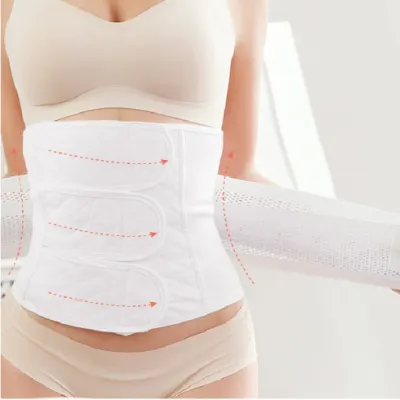
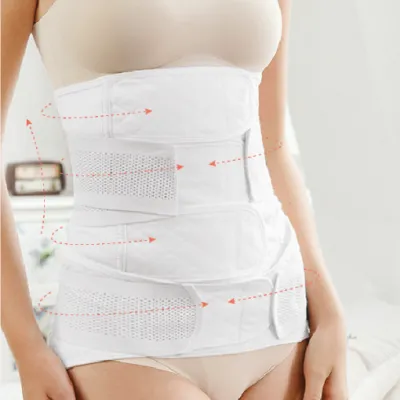
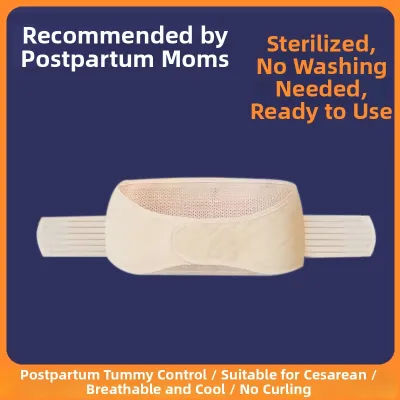
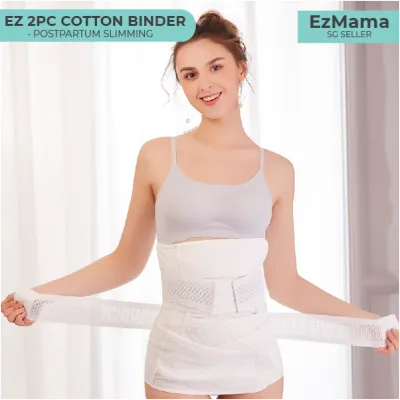
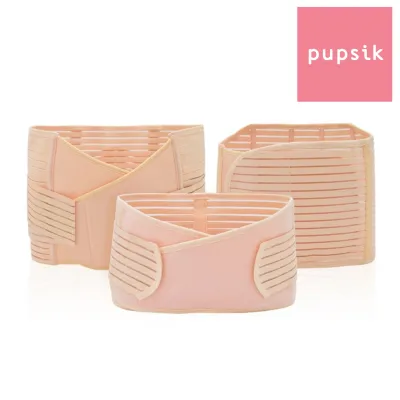
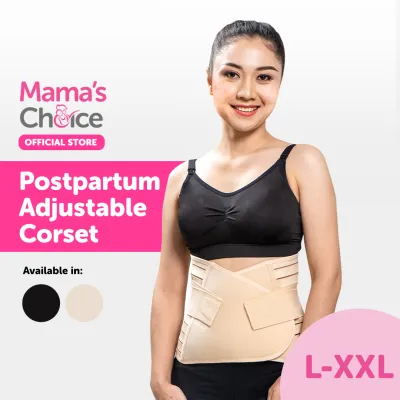
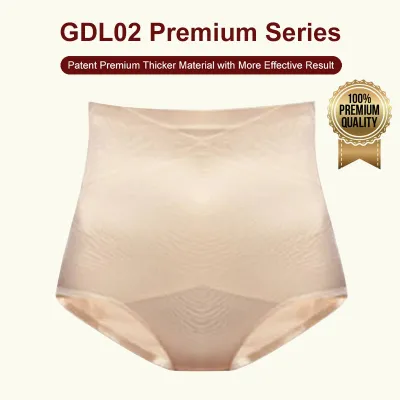
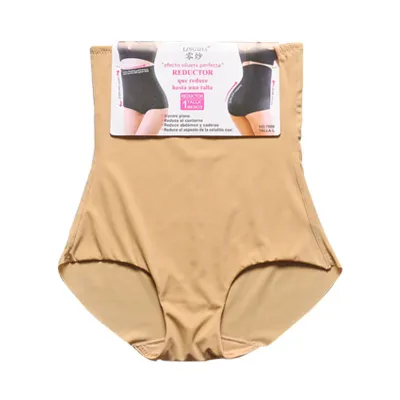
Prices are valid at publication and may change. Please refer to the product page for the latest price.
Because of these distinct physical impacts, the timing and purpose of using a postpartum binder will vary. After a vaginal delivery, many women find they can comfortably begin wearing a light, supportive binder within the first few days postpartum. This early support helps stabilize the loose abdominal muscles and provides a sense of security when moving around or carrying your baby. However, it is crucial to ensure the compression is not so tight that it forces pressure downward onto your recovering pelvic floor.
For those recovering from a C-section, the timeline is often different and requires a more cautious approach. While some hospitals provide a basic abdominal binder immediately after surgery to help stabilize the incision, you must monitor the wound closely. You should generally wait until your doctor confirms the incision is healing well and shows no signs of infection before transitioning to a commercial binder. Any garment used during this time must not rub, pull, or trap moisture around the surgical scar.
Before introducing any compression garment into your recovery routine, obtaining medical clearance from your obstetrician or gynecologist is highly recommended. This is especially critical if you experienced complications during delivery, have high blood pressure, or are dealing with severe pelvic floor dysfunction. Your healthcare provider can assess your physical healing and help you determine when your body is ready for external abdominal support.
Essential Features for C-Section Recovery Binders
When recovering from a C-section, the design of your postpartum binder must prioritize incision protection alongside gentle support. The skin around your surgical scar will be highly sensitive, making fabric choice one of the most critical factors. Look for binders made from exceptionally soft, medical-grade, and breathable materials. Hypoallergenic fabrics that allow air circulation help keep the incision site dry, reducing the risk of moisture buildup which can encourage bacterial growth and delay healing.

Adjustability is another essential feature for surgical recovery. In the weeks following a C-section, your abdominal swelling will gradually decrease, and your tolerance for compression will change. A binder with multiple adjustable panels or a highly flexible hook-and-loop closure system allows you to customize the tightness. This ensures you can apply very gentle pressure over the incision site while providing firmer support higher up on the abdomen where the muscles require stabilization.
The physical structure of the binder also plays a significant role in your comfort. Look for wide, seamless bands that distribute pressure evenly across your entire midsection rather than cutting in at a single point. Binders that are too narrow or prone to bunching can roll down and press directly into your lower abdominal scar, causing sudden pain or irritation. A structured yet flexible design helps the binder stay flat against your body, even when you transition from sitting to standing.
Additionally, avoid binders with harsh plastic boning or stiff metal inserts near the bottom edge. While these elements are sometimes added to prevent the garment from rolling, they can dig into your lower abdomen when you bend over. Instead, opt for designs that utilize soft, flexible support panels or wide, flat seams that conform naturally to your body’s contours without creating pressure points near your incision.
Essential Features for Vaginal Delivery Binders
Recovery from a vaginal delivery requires a different structural focus, centering on core stabilization and pelvic floor relief. Without a surgical incision to protect, you can utilize moderate to firm compression to help support your stretched abdominal wall and lower back. This compression helps counteract the “empty” sensation many women experience in their abdomen immediately after birth, providing physical feedback that encourages better posture during feeding and carrying.
Flexibility and stretch are paramount for daily caregiving activities after a vaginal birth. You will find yourself constantly bending, lifting, and sitting, which requires a binder that moves with your body rather than restricting it. Look for garments made from high-quality elastane blends or woven elastic fabrics that offer multidirectional stretch. This flexibility ensures you maintain a full range of motion while still receiving the structural support your lower back and core require.
Breathability and moisture-wicking properties are also vital, particularly in warm or humid climates like Singapore. Postpartum hormonal shifts often trigger intense night sweats and temperature fluctuations, while postpartum bleeding requires excellent hygiene. A binder made from breathable, moisture-wicking materials helps regulate your body temperature and prevents sweat from becoming trapped against your skin, ensuring you stay comfortable throughout the day.
Finally, consider the length and coverage of the binder. For vaginal delivery recovery, a binder that extends slightly lower to cover the hips can help stabilize the pelvis. However, it must be designed to support rather than compress the pelvic floor. Look for garments that offer upward and inward support, helping to lift the abdominal contents gently rather than pushing them downward, which could exacerbate pelvic floor heaviness or prolapse symptoms.
How to Measure, Fit, and Wear Your Binder Safely
To get the most benefit from your postpartum binder, finding the correct size is essential. Many women make the mistake of purchasing a binder based on their pre-pregnancy size or their size at the end of the third trimester. Because your body undergoes rapid changes in the weeks following birth, the most accurate approach is to measure your waist and hips a few days after delivery, or use the manufacturer’s specific guidelines for postpartum sizing. Use a soft measuring tape and wrap it snugly but not tightly around the widest part of your recovery belly.
When applying the binder, your technique is just as important as the fit. Always wrap the binder from the bottom upward. Start by securing the lowest band near your hips and work your way up toward your ribs. This upward wrapping technique helps support your internal organs and abdominal wall in an upward direction, preventing downward pressure on your pelvic floor. If you feel an increase in pelvic pressure or heaviness after putting the binder on, it is a clear sign that the garment is wrapped too tightly or positioned incorrectly.
The binder should feel like a firm, supportive hug rather than a restrictive corset. You should be able to breathe deeply, speak comfortably, and sit down without the garment digging into your ribs or thighs. If your breathing feels shallow or if you find yourself holding your breath, loosen the binder immediately. The goal is to assist your muscles, not to restrict your lung capacity or compress your internal organs excessively.
It is also crucial to establish sensible daily wear limits to allow your body to recover naturally. A postpartum binder is an assistive tool, not a permanent replacement for your core muscles. Relying on a binder for too many hours a day can actually cause your abdominal and back muscles to become inactive, delaying your natural strength recovery. Aim to wear the binder during periods of high activity, such as when walking, standing for long periods, or carrying your baby, and remove it during rest periods to let your muscles work on their own.
Safety Limits: When to Adjust or Stop Using a Binder
While postpartum binders offer excellent temporary support, you must remain highly attentive to your body’s signals and know when to stop using them. Physical warning signs should never be ignored. If you experience any numbness, tingling, or sharp pain in your abdomen, back, or legs while wearing the binder, remove it immediately. These sensations can indicate nerve compression or restricted blood circulation, both of which require immediate adjustment or discontinuation of the garment.
Regular skin checks are also a vital part of safe binder usage. Each time you remove the garment, inspect your skin for signs of redness, deep indentations, chafing, or rashes. This is particularly critical around a C-section incision, where any sign of increased redness, swelling, oozing, or separation of the wound edges demands immediate medical attention. If the fabric causes irritation or traps sweat, discontinue use until your skin has fully recovered, or switch to a more breathable, hypoallergenic material.
There are several specific conditions under which you must stop using a binder and consult a healthcare professional. If you experience symptoms of pelvic floor dysfunction, such as urinary incontinence, an inability to control bowel movements, or a persistent feeling of pressure in your pelvic region, a binder may worsen these issues by directing intra-abdominal pressure downward. In such cases, consulting a pelvic floor physiotherapist is the best course of action to address the root cause of your symptoms.
Additionally, if you develop a fever, localized warmth around your incision, or a sudden increase in postpartum bleeding, stop using the binder immediately and contact your doctor. These can be signs of infection or other postpartum complications that require medical evaluation. Always prioritize your body’s natural healing signals over the desire for compression.
Frequently Asked Questions (FAQ)
Can I wear a postpartum binder while sleeping?
It is generally not recommended to wear a postpartum binder while sleeping. When you are lying down, your body is at rest, and your muscles do not need the same level of external support as they do when you are standing, walking, or carrying your baby. Furthermore, wearing a tight garment while sleeping can restrict your breathing, compress your internal organs, and limit blood circulation during a key period of tissue repair. Sleeping without a binder also gives your skin a necessary break from friction and moisture, reducing the risk of irritation or infection around a healing C-section incision.
How long should I wear a binder each day?
You should aim to wear a postpartum binder for only a few hours at a time, gradually introducing it into your routine. A common approach is to wear it during periods of physical activity, such as when you are doing light housework, walking, or holding your baby, and then removing it when you sit down to rest or nurse. Total daily wear time should generally not exceed several hours, and you should always take regular breaks throughout the day. This balanced approach ensures you receive the benefits of structural support without allowing your core muscles to become dependent on the garment.
Will a binder help me lose postpartum weight?
A postpartum binder does not contribute to actual fat loss or permanent weight reduction. Any immediate slimming effect you notice while wearing the binder is temporary and caused by physical compression of the abdominal tissues and the shifting of fluids. While the binder can help reduce postpartum swelling and support your abdominal wall as your uterus shrinks back to its pre-pregnancy size, actual weight loss and muscle recovery are achieved through time, balanced nutrition, and gradual, safe postpartum exercise. The primary purpose of a binder is physical support and comfort, not cosmetic weight loss.

Community discussion
Share your experience or ask a question. Comments are reviewed before publication.