
Deciding between a portable toilet seat and a standalone potty is one of the first major decisions you will face when starting your toddler’s potty training journey. The right choice depends heavily on your child’s current developmental stage, their comfort level with adult-sized bathroom fixtures, and the layout of your home. While some toddlers thrive on the immediate independence of a miniature, freestanding potty, others prefer to mimic adults right away by using a scaled-down seat on the family toilet. Understanding how each option fits into your daily routine, bathroom space, and travel habits will help you choose the tool that minimizes stress and supports a smooth transition.
Every child develops at their own pace, meaning there is no single correct age to begin using either tool. Some families find success by introducing both options simultaneously, allowing the child to choose based on their daily comfort level. By focusing on your child’s physical readiness and your household’s practical needs, you can create a supportive environment that fosters confidence and reduces the anxiety often associated with this developmental milestone.
Understanding the Core Differences
A portable toilet seat is a removable, scaled-down ring designed to sit securely on top of your existing adult toilet seat. Many models feature side handles for stability, integrated splash guards, or even attached step stools that allow toddlers to climb up independently. Because it utilizes your home’s existing plumbing, waste is deposited directly into the toilet bowl, eliminating the need for manual waste disposal. This setup helps familiarize your child with the standard bathroom environment from day one, though it requires them to climb to a higher position.
Products mentioned in this guide
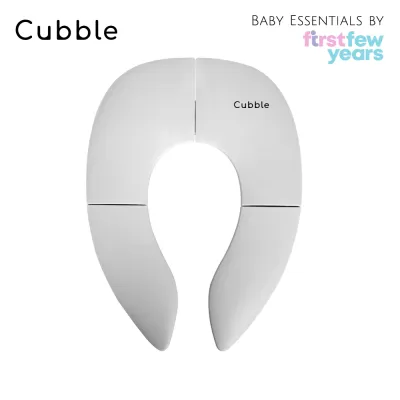
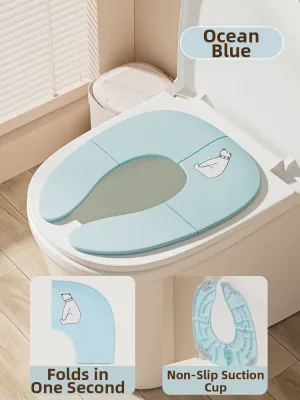
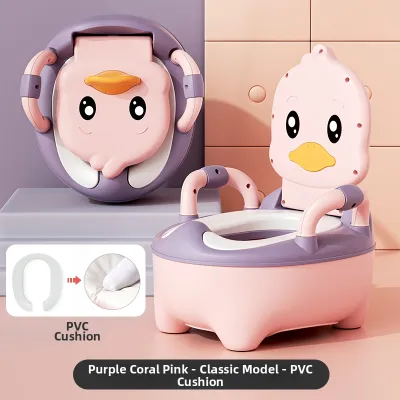
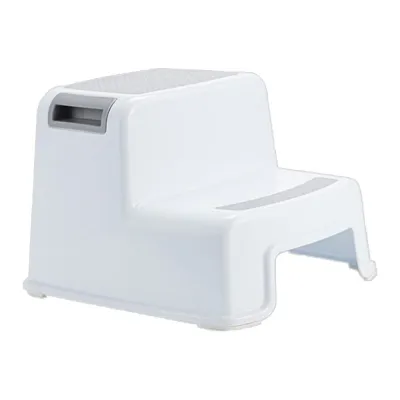
Prices are valid at publication and may change. Please refer to the product page for the latest price.
A standalone potty, on the other hand, is a completely self-contained, low-to-the-ground chair designed specifically for toddlers. It features a built-in seat and a removable collection bowl underneath that must be emptied and sanitized after every use. Because it does not require installation or attachment to an adult fixture, you can place it in any room of the house, making it highly accessible for toddlers who are just learning to recognize their body’s signals. This low height allows children to sit with their feet flat on the floor, which is the most natural and anatomically supportive posture for elimination.
The primary operational differences between these two tools center on installation, cleaning routines, spatial footprint, and the psychological transition to standard plumbing. A portable seat requires you to verify compatibility with your toilet’s shape and often involves lifting the child or helping them climb a step stool. A standalone potty requires a dedicated floor area and a consistent cleaning routine, but it removes the immediate fear of heights or loud flushing noises that some toddlers find intimidating.
Additionally, the psychological impact of each tool shapes how a child perceives the toileting process. The standalone potty feels like a personal piece of furniture, which can make the transition from diapers feel less abrupt and more like a playful daily routine. In contrast, the portable toilet seat immediately integrates the child into the family’s existing bathroom habits, reducing the need to break old habits when they grow larger.
Key Factors to Compare Before You Buy
When evaluating these options for your household, several practical dimensions should guide your decision.

Space and Layout
Consider the physical layout of your home and bathrooms. In compact apartments, bathroom floor space is often limited, making a portable toilet seat that hangs on a wall hook highly efficient. If you live in a multi-story home or have a layout where the main bathroom is far from your child’s play area, a standalone potty offers the flexibility of being placed in a bedroom or living space. This proximity can be crucial during the early days of training when the window between a toddler’s realization and an accident is incredibly short.
Furthermore, many bathrooms in tropical climates like Singapore feature wet-room designs where the floor frequently gets wet during showers. Placing a standalone potty on a wet bathroom floor can lead to hygiene issues and slipping hazards. In such layouts, a portable toilet seat that remains elevated on the adult toilet is often a much cleaner and drier alternative.
Cleaning and Maintenance
The cleaning process is a major differentiator in daily convenience. With a standalone potty, you must empty the inner bowl into the adult toilet, rinse it, and sanitize it after each use to prevent odors and bacterial growth. This task can become tedious, especially during the high-frequency early weeks of training.
A portable toilet seat eliminates this step entirely, as waste goes directly into the toilet bowl for a standard flush. However, you will still need to wipe down the portable seat periodically and clean any urine splashes that find their way underneath the training ring. Padded portable seats, while comfortable, often have seams that can trap moisture and bacteria, requiring more meticulous scrubbing than solid plastic models.
Child Independence and Comfort
A toddler’s physical size and emotional readiness play a significant role in how comfortable they feel on either seat. Standalone potties sit low to the ground, allowing children to sit down and stand up completely unassisted, which builds confidence and a sense of ownership over the process.
Portable toilet seats require the child to climb up, which can be daunting for some. To ensure proper posture on a portable seat, you must provide a sturdy step stool so your child’s feet are firmly supported. Dangling feet can cause pelvic floor tension, making bowel movements more difficult and causing the child to feel insecure or off-balance.
Travel and Portability
If your family is frequently on the go, portability becomes a key factor. Standalone potties are bulky to transport, though some travel-specific models feature folding legs and disposable liners. Carrying a full-sized potty in the car or on public transport is rarely practical for daily outings.
In contrast, many portable toilet seats are designed to fold compactly into a diaper bag, allowing you to maintain a consistent routine when visiting relatives, dining out, or using public restrooms. This portability helps reduce anxiety for toddlers who dislike unfamiliar toilet seats and ensures they always have a clean, appropriately sized surface to use.
Comparison Table
To help you weigh these factors, the table below summarizes the key operational differences between the two options. Note that exact weight limits, dimensions, and material specifications must always be verified against the specific product labels before purchase.
| Feature | Standalone Potty | Portable Toilet Seat |
|---|---|---|
| Setup & Storage | Freestanding on floor; requires dedicated floor space. | Placed on adult toilet; easily hung on a hook when not in use. |
| Cleaning Process | Requires manual emptying, rinsing, and sanitizing of the inner bowl. | Flushes directly into adult plumbing; requires occasional wiping. |
| Child Independence | High; child can sit down and stand up without assistance. | Moderate; requires climbing a step stool or caregiver assistance. |
| Travel Friendliness | Low; bulky to carry unless using a specialized travel model. | High; many models fold compactly to fit inside a diaper bag. |
| Transition Ease | Requires a secondary step to transition to the adult toilet later. | Direct transition; child is already accustomed to the adult toilet. |
When to Choose a Portable Toilet Seat
A portable toilet seat is often the most practical choice for families with limited bathroom space who want to streamline the potty training process. If your bathroom cannot comfortably accommodate a freestanding unit on the floor, a seat that fits directly over your existing toilet bowl keeps the floor clear and clutter-free. It is also ideal for parents who wish to avoid the chore of emptying and washing a separate waste bowl multiple times a day.
This option is highly suited for toddlers who are physically coordinated, comfortable with heights, and show an eager interest in mimicking adult bathroom habits. If your child actively wants to use the “big toilet” like their parents or older siblings, capitalizing on this motivation with a portable seat can accelerate their progress.
Before purchasing, use this verification checklist to ensure a safe and proper fit:
- Toilet Bowl Shape: Verify whether your adult toilet bowl is round, oval, or elongated, and match it to the seat's specifications.
- Anti-Slip Grips: Check that the underside of the training seat features secure, non-slip rubber padding to prevent shifting when the child sits down.
- Foot Support: Ensure you have a stable step stool that allows your child to rest their feet flat while sitting, promoting a natural squatting posture.
- Splash Guard: For boys, verify that the seat has an integrated, sufficiently high splash guard to prevent spills.
If your child exhibits intense anxiety about the height, resists climbing, or if the seat shifts even slightly during use, pause training with this tool. Reassess their readiness and consider introducing a temporary step stool or switching to a low-lying standalone potty until their confidence improves.
When to Choose a Standalone Potty
A standalone potty is often the gentler, more approachable starting point for younger toddlers or those who show hesitation around standard bathroom fixtures. The low height removes the fear of falling, and the absence of a loud, sudden flushing sound makes the experience far less intimidating for sensitive children.
This option is particularly beneficial during the initial phase of potty training when speed is essential. Placing a standalone potty in the living room, playroom, or bedroom allows your child to reach it within seconds, significantly reducing the likelihood of accidents. It also allows them to practice the physical mechanics of pulling down their pants, sitting, and standing up entirely on their own, fostering a strong sense of autonomy.
When selecting a standalone potty, verify the following features:
- Removable Bowl: Confirm that the inner collection bowl lifts out smoothly from the top or back for easy, spill-free emptying.
- Base Stability: Check that the bottom of the potty has wide, rubberized non-slip feet to prevent it from sliding on tiled floors or carpets.
- Seat Height: Ensure that when your child sits, their knees are slightly higher than their hips and their feet rest completely flat on the floor.
Choosing a standalone potty means you will eventually need to guide your child through a secondary transition to the adult toilet. To prepare for this, you can gradually move the standalone potty closer to the bathroom, and eventually introduce a portable toilet seat alongside a sturdy step stool once they are physically larger and more confident.
Safety and Setup Checks for Any Potty Gear
Regardless of which potty training tool you select, maintaining strict safety standards and proper setup is essential to prevent slips, falls, and hygienic issues.
Active adult supervision is mandatory during all stages of potty training. Never leave your toddler unattended on a portable toilet seat or a step stool, even for a brief moment. A sudden movement or loss of balance can lead to falls, which can cause physical injury and set back their training progress due to fear.
Before every single use, physically test the stability of the gear. For portable seats, ensure the locking mechanisms or adjustment dials are tightly secured to the adult toilet rim and that the seat does not wobble. For standalone potties, place the unit on a flat, dry, non-slip surface away from standing water or slippery bathroom tiles.
When cleaning your potty gear, always follow the manufacturer’s specific care instructions. Avoid using harsh chemical bleach or abrasive scrubbers that can degrade the plastic, create rough patches, or leave chemical residues that could irritate your child’s sensitive skin. Mild soap and warm water, followed by a child-safe disinfectant wipe, are generally sufficient for daily maintenance.
Discontinue use immediately if you notice any structural damage. Cracks in the plastic, worn-out rubber anti-slip pads, or loose hinges on a folding seat can pinch skin or cause the unit to collapse under your child’s weight. Regularly inspect the gear to ensure it remains in safe, working condition.
Frequently Asked Questions (FAQ)
Can I use a portable toilet seat on any adult toilet?
A universal fit is rare, so you must verify compatibility before buying. Most portable toilet seats are designed to fit standard round or elongated toilet bowls, but they may not sit securely on square-shaped toilets, raised assistive seats, or smart toilets with integrated bidet control panels. Always measure your adult toilet seat dimensions and compare them against the manufacturer’s compatibility guidelines to ensure a stable, wobble-free fit.
How do I transition from a standalone potty to the regular toilet?
To transition smoothly, start by moving the standalone potty into the bathroom so your child associates the room with toileting. Next, introduce a portable toilet seat on the adult toilet, explaining that this is the next step. Use a sturdy step stool so they can climb up independently and rest their feet flat, which is crucial for pelvic floor relaxation. Encourage them to try the new seat for short, low-pressure sessions, such as right before bath time.
Are foldable portable toilet seats safe for public restrooms?
Foldable portable toilet seats are safe and highly convenient for travel, provided you take a few precautions. Before letting your child sit, always double-check that all folding joints and safety locks are fully engaged and clicked into place to prevent the seat from collapsing or pinching their skin. To maintain hygiene, pair the portable seat with disposable paper covers or carry sanitizing wipes to clean the underside of the training seat after use.

Community discussion
Share your experience or ask a question. Comments are reviewed before publication.