
When preparing for travel or setting up a flexible nursery space, a portable baby crib offers invaluable convenience. However, because infants spend hours sleeping unsupervised, ensuring the structural integrity and safety compliance of these products is paramount. A safe portable crib must meet rigorous design criteria to prevent suffocation, entrapment, and accidental collapse. Parents must look beyond aesthetic appeal and brand marketing to verify specific international safety certifications and perform physical design checks before placing their child inside.
Verifying Safety Certifications and Compliance Marks
In Singapore, consumer goods, including children’s products, are monitored to ensure they do not pose safety hazards. When shopping for a portable baby crib, the first step is to verify that the product complies with recognized safety regulations. While Singapore does not have a single localized certification mark specifically for non-electrical baby furniture, Enterprise Singapore oversees general consumer product safety. Products sold locally should align with international safety benchmarks, and reputable retailers will readily provide documentation proving compliance.
When inspecting the packaging, product labels, or user manuals, look for recognized international safety standard frameworks. For portable cribs and play yards, the most common standards include ASTM F406 (the United States standard for non-full-size baby cribs and play yards) and EN 716 (the European standard for children’s cots and folding cots for domestic use). These standards dictate everything from the strength of the frame to the breathability of the mesh sides. If a product does not list compliance with at least one of these major frameworks, it is best to avoid purchasing it.
Products mentioned in this guide



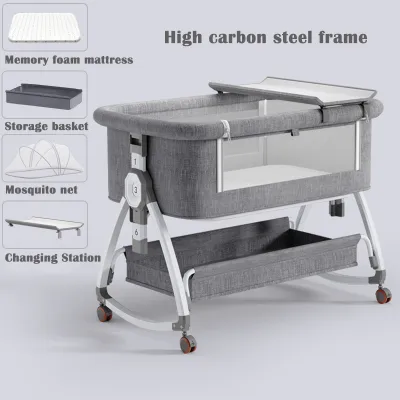
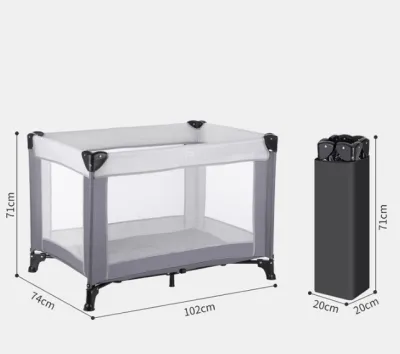
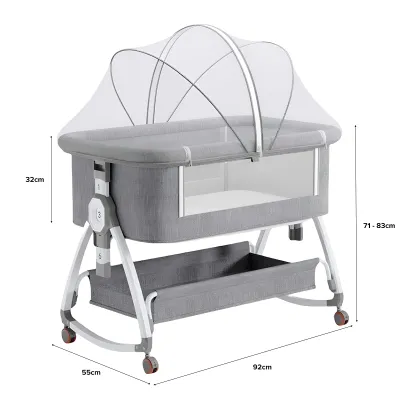
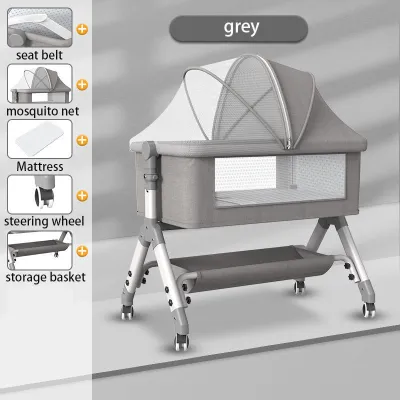
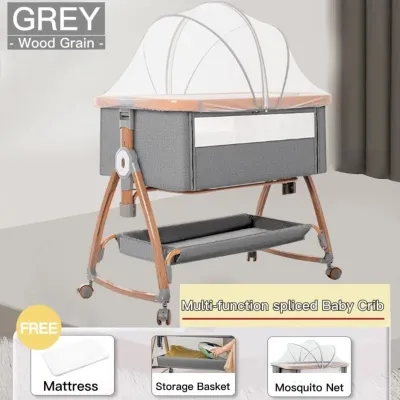
Prices are valid at publication and may change. Please refer to the product page for the latest price.
Warning labels are another critical element of safety verification. Legitimate manufacturers sew permanent warning labels directly onto the fabric of the crib. These labels must outline the maximum weight, height, and developmental milestones for safe use. For instance, many portable cribs specify a weight limit of around 13 to 15 kilograms, or state that use must discontinue once the child can climb out. If these warnings are missing, printed on easily removable paper tags, or written in illegible translations, the product may not have undergone proper safety testing.
Finally, always verify that the portable baby crib includes a comprehensive, clear assembly manual and direct manufacturer contact information. A reputable brand will provide clear diagrams, step-by-step setup instructions, and contact details for customer service. This information is vital not only for correct assembly but also for tracking potential product recalls. Before finalizing your purchase, you can search online recall databases using the manufacturer’s name and model number to ensure the crib has not been flagged for safety defects.
Inspecting Structural Safety and Design Features
Even when a portable baby crib carries the correct certification marks, a physical inspection is necessary to ensure the individual unit is free from manufacturing defects or wear. The mattress is the most critical component to evaluate. Unlike adult mattresses, a baby’s sleep surface must be exceptionally firm to prevent suffocation. When you press down on the mattress, it should not conform to the shape of your hand; it must spring back immediately.

The fit of the mattress inside the crib is equally important. To prevent infant entrapment, there must be no significant gaps between the edge of the mattress and the fabric walls of the crib. You can perform the “two-finger test” to verify this fit. Attempt to slide your index and middle fingers between the mattress and the side of the crib. If you can easily fit more than two fingers into the gap, the mattress is too small for the frame, creating a dangerous space where a baby’s head or limbs could become trapped.
Mesh siding is standard on most portable cribs, providing both visibility and airflow. Inspect the mesh closely to ensure the weave is tight and dense. The holes in the mesh should be small enough that buttons on clothing or tiny fingers cannot get caught. Additionally, the mesh must be securely stitched to the fabric frame without any fraying or loose threads. Breathability is key, so ensure the mesh covers at least two opposing sides of the crib to facilitate continuous airflow, especially in warm, humid climates.
The folding and locking mechanisms of a portable crib require careful scrutiny. A high-quality portable crib features dual-action locking systems that prevent the frame from folding accidentally while the child is inside. These locks should require a specific sequence of actions to disengage, ensuring that a child’s movements or an accidental bump from an adult cannot trigger a collapse. Check that all hinges, joints, and locking pins are fully enclosed or designed in a way that prevents them from pinching small fingers.
Lastly, examine the overall frame for sharp edges, protruding hardware, or exposed metal parts. All fasteners must be flush with the frame, and any metal tubing should be covered by durable fabric or padding. Avoid any portable cribs that feature drop-side designs, where one side slides down to allow easier access to the baby. Drop-side mechanisms have been linked to severe safety hazards and are widely discouraged by modern safety standards due to the risk of the side detaching and creating an entrapment pocket.
Safe Usage Boundaries and When to Retire the Crib
A portable baby crib is a temporary sleep solution, and understanding its operational limits is essential for maintaining a safe sleep environment. Every manufacturer specifies clear physical milestones that indicate when a child has outgrown the crib. Generally, you must stop using the crib as soon as your child reaches the maximum weight limit specified in the manual, or when they reach a height where the top rail is lower than their chest when standing. Additionally, if your child begins to show signs of climbing out, they must be transitioned to a toddler bed or a safer sleep setup immediately to prevent fall injuries.
Maintaining a bare sleep environment is a fundamental rule of safe infant sleep that applies equally to portable cribs. Never add aftermarket mattresses, mattress toppers, or extra padding to a portable crib. Portable cribs are designed to be used exclusively with the thin, firm mattress pad provided by the manufacturer. Adding a thicker mattress can alter the height ratio of the crib sides, making it easier for a child to fall out, or creating gaps where a baby can suffocate. Keep the crib free of pillows, heavy blankets, bumper pads, stuffed toys, and loose bedding.
If you are considering a second-hand or older portable crib, proceed with extreme caution. Fabric can degrade over time, and plastic joints can become brittle, especially when stored in warm or humid conditions. Inspect the entire unit for fabric tears, weakened joints, missing screws, or bent metal poles. Never use a second-hand crib if you cannot verify its brand, model number, and manufacturing date, as you will be unable to check for active safety recalls or obtain the original instruction manual.
The placement of the portable crib within a room is another critical safety factor. Always set up the crib on a flat, level, and stable floor surface. Ensure it is positioned far away from windows, glass doors, and any hanging cords, such as those from window blinds, curtains, or baby monitors. A curious infant can easily reach through the mesh or over the rail, posing a severe strangulation hazard. Additionally, keep the crib clear of electrical outlets, heaters, and any small objects on nearby tables that a child could pull into the sleeping area.
Frequently Asked Questions (FAQ)
Can a portable baby crib replace a full-size crib for long-term sleep?
While portable baby cribs are highly convenient for travel, naps, and short stays, they are generally not recommended as a permanent, long-term replacement for a standard full-size wooden crib. Portable models are constructed with lightweight materials, fabric walls, and folding joints that are subject to wear and tear under daily, continuous use. Furthermore, the mattresses in portable cribs are significantly thinner and offer less structural support than standard crib mattresses, which may affect comfort and spinal support during extended developmental periods. Always consult the manufacturer’s guidelines, as most portable models are designed and safety-tested specifically for temporary or travel use rather than years of uninterrupted nightly sleep.
How do I test if the locking mechanism is secure?
To verify that your portable crib’s locking mechanism is fully engaged, perform a systematic visual and physical check before placing your baby inside. First, visually inspect all locking joints, latches, and push-buttons to ensure they are flush and in their fully locked positions; many models feature color indicators or audible clicks to signal a secure lock. Next, apply firm downward pressure on the center of the crib floor and the top rails to ensure they do not sag or shift. Finally, gently shake the frame laterally from side to side. If any joint wobbles, folds, or feels unstable, disassemble the crib and set it up again, referring to the instruction manual to ensure every step is correctly executed.

Community discussion
Share your experience or ask a question. Comments are reviewed before publication.