
Navigating the baby gear landscape in Singapore requires a highly practical approach, especially when selecting a mommy bag that will accompany you on countless daily outings. With a vast array of options lining the shelves of local boutiques and filling online marketplaces, finding the right bag can feel overwhelming. Rather than searching for a single, universally acclaimed brand, parents benefit most by evaluating how different designs align with their specific daily routines and lifestyle needs. The ideal choice is highly subjective, depending on your preferred carrying style, the age and number of your children, and your target budget. By establishing a structured comparison framework focused on build quality, functional capacity, and long-term value, you can confidently select a bag that simplifies your outings while withstanding both the tropical climate and the rigorous demands of daily parenting.
Core Criteria for Comparing Mommy Bag Brands
To make an objective comparison between different mommy bag brands, focus on three primary axes: organizational layout, material resilience, and carrying comfort. A well-designed layout ensures that diapers, wipes, bottles, and personal items each have a dedicated home, preventing the chaotic “black hole” effect when you need to reach an item quickly. Material resilience dictates how well the bag handles spills, rain, and daily wear, while carrying comfort determines whether you can wear the bag for hours during weekend trips or shopping mall outings without shoulder strain.
It is a common misconception that a premium price tag automatically guarantees superior daily usability or a longer lifespan. Some high-end designer options prioritize luxury aesthetics over practical utility, offering fewer compartments or delicate fabrics that require high-maintenance care. Conversely, some mid-tier or budget-friendly brands focus heavily on functional engineering, utilizing rugged materials and ergonomic strap designs that outperform luxury alternatives in real-world scenarios.
Products mentioned in this guide
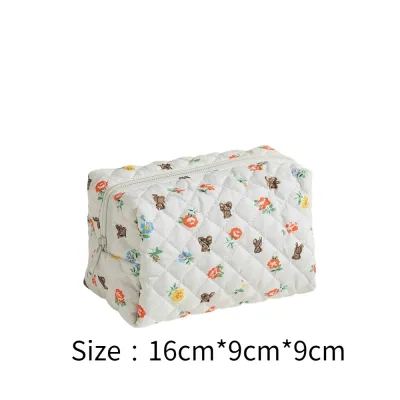
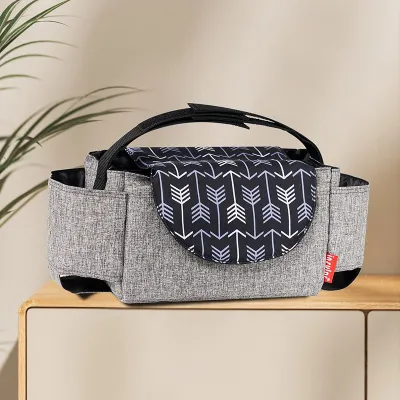
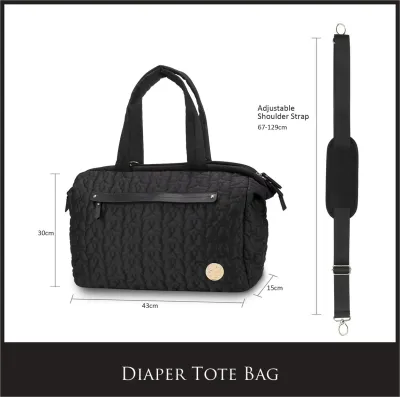
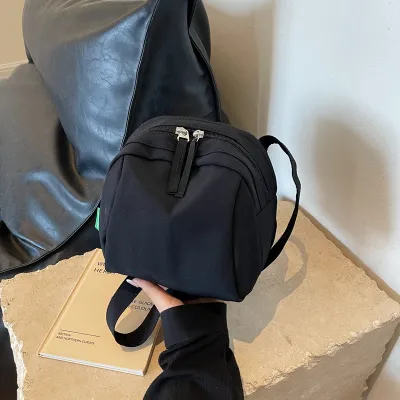
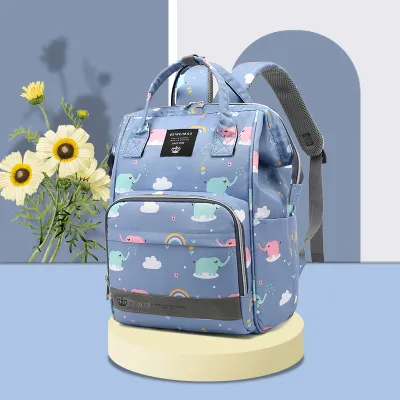
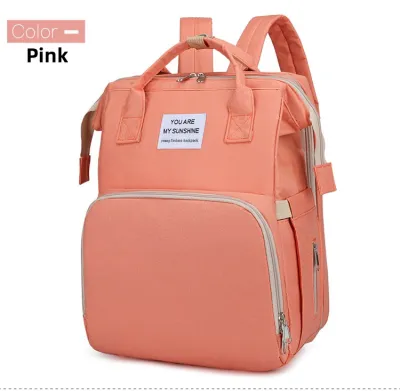
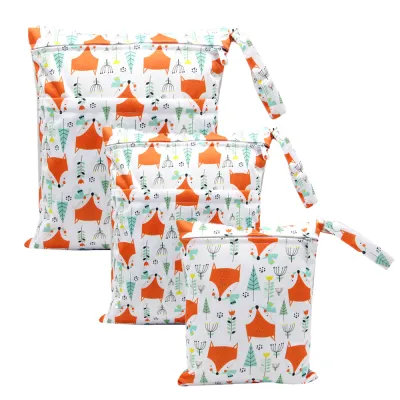
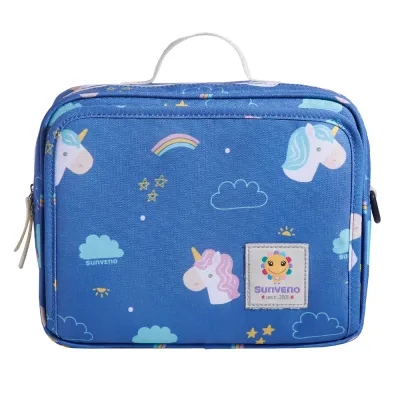
Prices are valid at publication and may change. Please refer to the product page for the latest price.
Before comparing specific brands, identify your non-negotiable features by analyzing your typical outing patterns. If you frequently embark on full-day excursions or manage gear for both a newborn and a toddler, you will require a high-capacity option with multiple insulated compartments. For quick trips to the local supermarket or nearby playground, a compact, lightweight design with rapid-access pockets may serve you far better than a bulky, multi-compartment backpack.
Additionally, consider the climate and environment in which you will use the bag. In Singapore’s humid weather, carrying comfort is closely tied to breathability. Brands that incorporate mesh back panels and padded, airflow-promoting shoulder straps help mitigate sweat and discomfort during outdoor walks. Evaluating these physical features alongside organizational capacity ensures that the bag remains comfortable to carry even when packed to its maximum limit.
How to Evaluate Build Quality and Material Durability
When assessing the durability of different mommy bag brands, the choice of fabric is your first line of defense. While nylon, canvas, and polyester are the most common materials, their performance varies significantly based on weave density and protective treatments. Rather than assuming all synthetic fabrics are inherently water-resistant, check the manufacturer’s specifications for explicit mentions of water-repellent coatings or wipe-clean backings. A high-quality water-resistant treatment is essential for navigating sudden tropical downpours in Singapore or managing accidental milk leaks inside the bag.

Nylon is highly favored for its exceptional strength-to-weight ratio and resistance to abrasions, making it an excellent choice for parents seeking a lightweight yet rugged bag. Polyester offers similar benefits at a typically lower price point, though it may not match the sheer tear resistance of high-grade nylon. Canvas provides a classic, structured aesthetic but is generally heavier and more prone to absorbing moisture unless treated with a specialized wax or water-resistant coating.
Physical inspection of stress points reveals a great deal about a bag’s structural integrity. Examine the areas where the shoulder straps and grab handles attach to the main body; these spots should feature reinforced double stitching, cross-stitching, or heavy-duty bar tacks to prevent tearing under heavy loads. Zipper tracks are another common failure point, so look for robust, smooth-gliding zippers with metal pulls or durable nylon coils. The base of the bag should ideally feature a reinforced panel or protective feet to prevent abrasion when placed on rough outdoor surfaces or cafe floors.
Finally, look beyond the physical product to the brand’s customer support policies. Reputable brands and authorized retailers in Singapore often provide clear warranty terms covering manufacturing defects, zipper failures, or hardware breakage for a specified period. Verifying these warranty details and understanding the return or exchange policies before purchasing offers valuable protection against premature wear, ensuring your investment is backed by reliable after-sales service.
Matching Capacity and Features to Your Daily Routine
The physical format of a mommy bag dictates how it distributes weight and how easily you can access its contents on the go. Backpack designs are highly favored for their ergonomic weight distribution across both shoulders, keeping your hands completely free to push a stroller, hold a toddler’s hand, or carry a baby carrier. Tote-style bags offer a more classic, professional aesthetic and wide-top openings that allow you to scan the entire contents at a glance, though they can strain a single shoulder when fully loaded. Crossbody bags provide a middle ground, offering quick access to essentials while keeping the bag securely against your body, making them excellent for shorter trips.
Specialized compartments can dramatically improve your daily efficiency. Insulated bottle pockets are highly practical for keeping milk or warm water at a stable temperature during outings, while dedicated wipe-clean sleeves for changing mats keep soiled items isolated from clean clothes. Easy-access parent pockets on the exterior of the bag are equally important, allowing you to store your phone, keys, wallet, and hand sanitizer securely without digging through baby gear.
Your organizational needs will also evolve as your child grows. A newborn requires an extensive inventory of diapers, change of clothes, feeding supplies, and swaddles, demanding a bag with numerous internal dividers to keep small items sorted. As your child transitions into toddlerhood, the inventory shifts toward larger items like water bottles, bulky snack containers, and toys, requiring a bag with flexible, spacious main compartments that can adapt to larger gear without feeling cramped.
Furthermore, consider how the bag integrates with your stroller. Many dedicated mommy bags feature integrated stroller straps or clips that allow you to hang the bag directly from the handlebar. This feature is incredibly convenient for relieving your shoulders during long walks, but it requires careful evaluation of the bag’s size and weight to ensure it does not compromise the stability of your stroller.
Assessing Value and Justifying Price Tiers
Evaluating the value of a mommy bag requires distinguishing between brand prestige and functional upgrades. Premium price tiers are sometimes driven primarily by designer logos, luxury leather trims, or exclusive fashion collaborations. While these aesthetic elements are appealing, functional upgrades such as high-density ergonomic padding, premium self-repairing zippers, modular packing cubes, and integrated stroller clips offer much more tangible value for daily parenting.
To determine the true cost-effectiveness of a bag, consider its long-term cost per use. A well-constructed, neutral-toned bag that can transition into a standard travel backpack, work laptop bag, or gym bag after your child outgrows diapers offers exceptional long-term value. If a bag is so highly specialized or baby-centric in its aesthetic that it cannot be used beyond the toddler years, its utility lifespan is significantly shorter, making a premium price tag harder to justify.
To ensure you are getting genuine value, always purchase through authorized brand websites or established local baby gear retailers in Singapore. Buying from authorized channels guarantees you receive an authentic product made with the specified materials, rather than a low-quality counterfeit that may fail prematurely. Authorized purchases also secure your eligibility for local customer support, warranty claims, and accurate, transparent pricing without hidden import fees.
Decision Framework: Which Mommy Bag Profile Fits You?
To finalize your choice, match your lifestyle and physical comfort to one of three primary mommy bag profiles. If your routine involves long weekend outings, managing gear for multiple children, or frequent use of public transport where hands-free mobility is essential, a premium, high-capacity backpack is your most practical option. This profile prioritizes even weight distribution, reducing physical fatigue during extended wear.
If you prefer a bag that transitions seamlessly from professional environments to casual family outings, a mid-tier, structured tote is an excellent fit. This style is ideal for parents who take shorter, structured trips to malls or playgroups, value rapid top-down access to essentials, and appreciate a design that doubles as a stylish personal handbag.
For quick errands, light travel, or scenarios where you rely heavily on a stroller with a large under-seat storage basket, a budget-friendly, lightweight crossbody bag is highly efficient. This compact profile keeps your absolute essentials—like a few diapers, a travel pack of wipes, and a phone—instantly accessible without adding unnecessary bulk to your frame.
Regardless of the profile you choose, safety must remain a priority when integrating your bag with baby gear. Before hanging any mommy bag from a stroller’s handlebar using stroller straps, verify the manufacturer’s guidelines for both the bag and the stroller. Hanging a heavy, fully loaded bag on the handlebar can easily exceed the stroller’s rear weight limits, creating a serious tipping hazard that compromises your child’s safety.
Frequently Asked Questions (FAQ)
How do I clean and maintain a mommy bag to extend its lifespan?
Always begin by locating and reading the internal care label provided by the manufacturer, as washing instructions vary widely depending on the fabric and construction. For most water-resistant synthetic bags, spot cleaning with a soft cloth, warm water, and a mild, dye-free soap is the safest method to remove dirt and stains without degrading protective coatings. Avoid harsh chemical detergents, bleach, or machine washing unless explicitly permitted by the care label, as these can break down insulated linings and water-repellent finishes. After cleaning, open all compartments and allow the bag to air dry completely in a well-ventilated, shaded indoor area before storing it, preventing the development of mold, mildew, or stubborn odors.
Can I use a regular backpack instead of a dedicated mommy bag?
Yes, you can certainly use a standard backpack, though you will sacrifice several specialized conveniences designed specifically for parenting. Standard backpacks typically lack insulated bottle pockets to maintain milk temperature, built-in stroller attachment straps, and dedicated wipe-clean compartments for soiled items or changing mats. Additionally, standard backpacks often feature a soft, unstructured base that causes the bag to tip over when placed on a flat surface, making it difficult to retrieve items one-handed while holding a baby. If you choose to use a regular backpack, you can bridge these functional gaps by using modular packing pouches, insulated bottle sleeves, and a removable bag-in-bag organizer insert to keep your gear structured and accessible.

Community discussion
Share your experience or ask a question. Comments are reviewed before publication.