
Quick Answer: Choosing the Right Diaper Bag Organization
Selecting the ideal baby diaper bag depends on whether you prioritize sheer volume or meticulous organization. There is no single brand that fits every parent, as the right choice depends on your daily routine and packing style. Open-concept tote bags offer flexible, unstructured space that is perfect for throwing in bulky items quickly, whereas highly structured backpack styles distribute weight evenly and keep small essentials in dedicated, easy-to-find compartments.
Before purchasing, always check the manufacturer’s official specifications for exact liter capacity and pocket counts. Rather than relying on brand names alone, look for practical design elements that match your lifestyle. A well-chosen bag will save you time during urgent diaper changes and keep your hands free when navigating busy environments.
Key Dimensions for Comparing Diaper Bag Storage
When comparing different baby diaper bag models, looking at the exterior dimensions is only the first step. To understand how much a bag can actually hold, you must evaluate several key design dimensions that dictate usable space and daily convenience.
Products mentioned in this guide
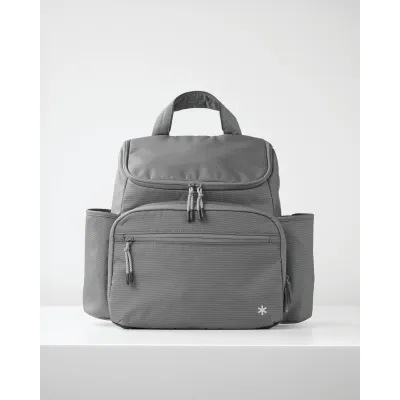
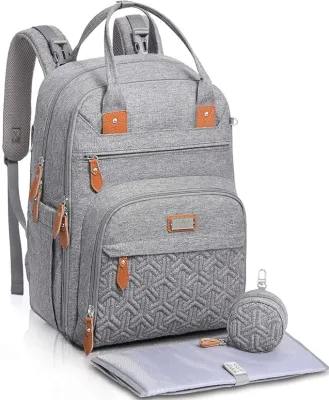
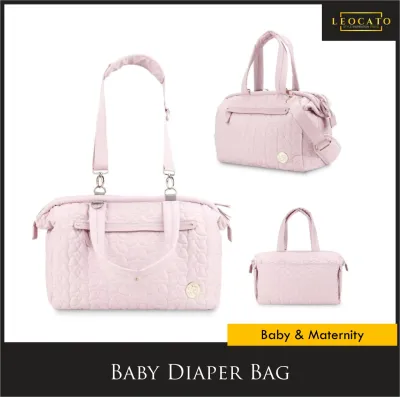
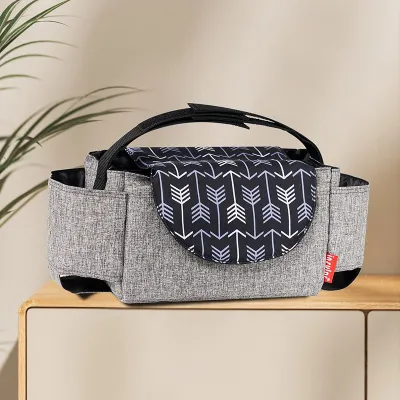
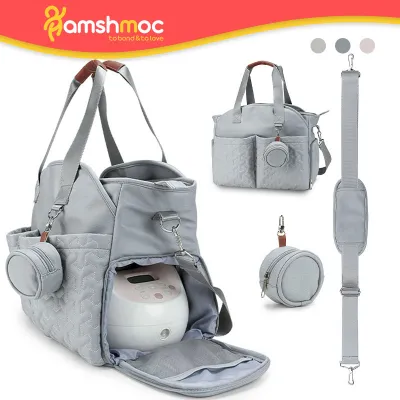
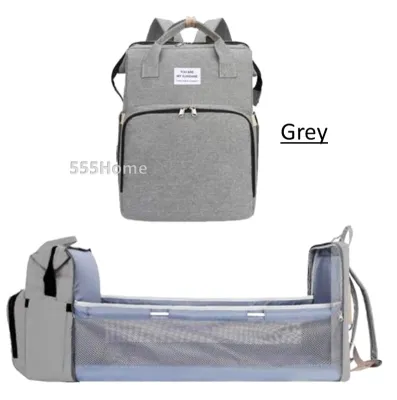
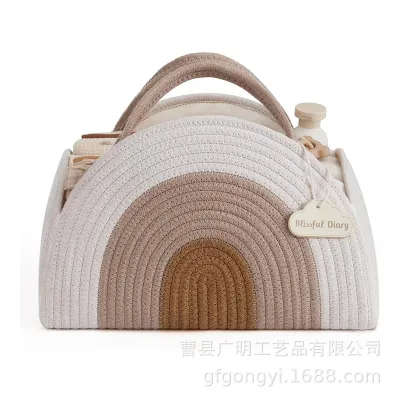
Prices are valid at publication and may change. Please refer to the product page for the latest price.

Total Volume vs. Usable Space Advertised volume in liters can sometimes be misleading. A 20-liter bag with a rigid, narrow opening or highly restrictive internal dividers may actually hold less than a 15-liter bag with a wide, flexible main compartment. Bulky items like swaddles, spare outfits, and plush toys require continuous, uninterrupted space. When evaluating a bag, consider whether the internal layout allows you to pack these larger items without crushing them or stretching the zippers to their limits.
Main Compartment Access Styles How you access the main compartment determines how quickly you can react to a baby emergency.
- Clamshell Openings: These zip all the way down the sides, allowing the bag to open flat like a suitcase. This style offers maximum visibility and organization but usually requires a flat surface to open fully without spilling the contents.
- Top-Zip Openings: These keep the bag upright and secure, but they can create a "black hole" effect where small items settle to the bottom, requiring you to dig through everything to find a pacifier.
- Drawstring or Doctor-Bag Openings: These feature a structured wire frame that stays open on its own, offering excellent top-down visibility and quick access, though they can be bulkier to zip closed when fully packed.
Exterior vs. Interior Pocket Distribution A great diaper bag balances internal organization with external accessibility. Interior pockets are excellent for securing clean diapers, creams, and spare clothes away from dirt and moisture. However, you also need quick-grab exterior pockets for items you cannot afford to search for, such as wet wipes, hand sanitiser, pacifiers, and your phone. Look for a bag that offers at least two or three dedicated exterior pockets that do not eat into the interior volume when fully packed.
Empty Weight and Materials The weight of the empty bag is a critical factor that many parents overlook. Heavy materials like thick canvas, genuine leather, or dense faux leather look stylish but can weigh over one kilogram before you even pack a single diaper. When you add water bottles, formula, and spare clothes, the bag can quickly become uncomfortably heavy. Lightweight, high-density nylon or polyester fabrics are often more practical for long days on your feet.
Evaluating Compartment Organization Across Popular Brands
To find a bag that keeps you organized, look past the aesthetic designs and carefully inspect the functional compartments. High-quality brands design their pockets with specific baby gear in mind.
Insulated Bottle Pockets Do not assume all insulated pockets are created equal. Some bags feature narrow insulated sleeves that only fit standard, slim bottles, while others are wide enough to accommodate wide-neck bottles or silicone breast milk storage bags. Check the manufacturer’s product descriptions to verify the maximum bottle height and width the pockets can hold. Additionally, look for high-quality thermal lining that is easy to wipe clean in case of formula or milk leaks.
Wet/Dry Separation Babies are messy, and you will inevitably have to deal with soiled clothes, damp bibs, or wet swimsuits. A dedicated wet/dry compartment lined with waterproof material, such as thermoplastic polyurethane (TPU) or PEVA, is essential for keeping damp items isolated from clean clothes. If a bag does not feature a built-in waterproof compartment, check if the brand includes a separate, detachable wet bag that you can easily wash and dry.
Parent Organization Zones A baby diaper bag should also function as your personal bag so you do not have to carry a separate purse or backpack. Look for a dedicated “parent zone” that is physically separated from the baby’s items. Useful features include a padded sleeve for a tablet or laptop, a secure zippered pocket with RFID protection for your wallet, and a built-in key leash so you never have to fumble at your front door while holding a sleeping baby.
Changing Pad Integration Most premium diaper bags come with a matching, fold-out changing mat. However, the way this mat integrates into the bag varies. Some bags store the changing pad in a dedicated exterior slip pocket, which keeps the soiled mat completely separate from clean baby clothes and allows for rapid deployment. Other designs require you to open the main compartment to access the pad, which can be inconvenient during an urgent diaper change in a public restroom.
How to Match Bag Capacity to Your Daily Routine
Your storage needs will change depending on where you are going, how long you will be out, and the age of your child. Matching the bag’s capacity to your specific routine prevents you from carrying unnecessary weight or running out of essentials.
Short Trips vs. Full-Day Outings For quick trips lasting one to three hours, such as a doctor’s appointment or a quick run to the local supermarket, a compact diaper clutch or a small 10-to-15-liter backpack is usually sufficient. You only need room for two diapers, a travel pack of wipes, one spare outfit, and a bottle. For full-day outings, family gatherings, or travel, you will need a larger 20-to-25-liter bag to accommodate extra formula, multiple changes of clothes, toys, and snacks.
Single Baby vs. Multiples If you are packing for twins or a toddler plus an infant, your storage requirements scale up significantly. You will need double the diapers, multiple bottle pockets, and a highly organized interior to keep each child’s items separate. Look for bags with dual main compartments or modular packing cubes that allow you to color-code and separate items for each child.
Climate Considerations in Singapore In Singapore’s hot and humid tropical climate, your packing list will differ from parents living in cooler regions. You will need extra space for hydration, including larger water bottles for yourself and your baby, cooling towels, portable mini-fans, and multiple changes of lightweight cotton clothing due to sweat or sudden tropical downpours. Ensure the bag’s exterior material is water-resistant to protect your belongings during unexpected rain.
Transitioning as the Baby Grows Your packing list will evolve as your baby grows. Newborns require a high volume of small items, such as diapers, wipes, burp cloths, pacifiers, and formula. As your baby transitions into a toddler, the need for bottles and diapers decreases, but you will need more space for solid snacks, water bottles, toys, and spare shoes. A versatile bag with adjustable or removable dividers can easily adapt to these changing needs over time.
Decision Framework: Which Organization Style Fits You?
To make your final decision, evaluate how you prefer to carry your gear and how the bag integrates with your daily mobility.
The Structured Backpack Choose a structured backpack if you prioritize hands-free mobility, even weight distribution, and long-term comfort. This style is ideal for parents who use baby carriers, travel frequently, or walk long distances. The multiple compartments make it easy to assign a permanent home to every item, reducing the time spent searching for gear.
The Open-Concept Tote or Messenger Bag Choose an open-concept tote or messenger bag if you prefer quick, top-down visibility and want a bag that transitions easily into a professional or casual handbag. Totes are highly convenient when hung from a stroller, as you can reach in and grab items without unzipping multiple compartments. However, they can cause shoulder strain if carried on one side for extended periods.
Ergonomics and Strap Design Regardless of the style you choose, never compromise on ergonomics. Look for wide, padded shoulder straps with breathable mesh backing to prevent chafing and sweat buildup. If you choose a large backpack, a chest strap can help distribute weight more evenly across your torso, reducing strain on your lower back.
Stroller Safety and Tipping Hazards Hanging a heavy diaper bag on a stroller’s handlebar can cause the stroller to tip backward, especially when you lift your child out of the seat. Always cross-check the bag’s dimensions and weight against your stroller manufacturer’s guidelines. Use dedicated stroller straps or clips that attach lower on the frame to maintain a safe center of gravity, and never overload the bag beyond the stroller’s recommended weight limits.
Frequently Asked Questions (FAQ)
How many liters should a standard baby diaper bag be?
For daily use with a single baby, a diaper bag with a capacity of 15 to 22 liters is generally considered the sweet spot. This size comfortably holds four to six diapers, a full pack of wipes, two changes of clothes, two bottles, snacks, and personal items without becoming overly bulky. If you are packing for twins, a toddler and an infant, or planning full-day travel, look for a larger bag in the 25-to-30-liter range. Always verify the physical dimensions and pocket depths on the manufacturer’s official product page, as the internal layout can affect how much of that volume is actually usable.
Can I use a regular backpack instead of a specific baby diaper bag?
Yes, you can use a regular backpack, but you will miss out on several specialized features designed specifically for parenting. Standard backpacks typically lack insulated bottle pockets, dedicated wet/dry compartments, and easy-wipe interior linings that protect against spills. They also rarely include integrated changing mats or stroller attachment straps. If you choose to use a regular backpack, you can compensate for these missing features by using color-coded packing cubes, purchasing a separate portable changing mat, and using insulated bottle sleeves to keep milk or water at the desired temperature.
Community discussion
Share your experience or ask a question. Comments are reviewed before publication.