
Selecting the right nursery organization system is a balancing act between safety, convenience, and aesthetic appeal. The best plush storage formats depend entirely on the specific items you need to store. Soft, open-top plush bins and baskets are highly effective for holding bulky toys and soft blocks because they offer easy access and eliminate hard edges. For baby clothing, lidded plush boxes protect garments from dust and humidity, while structured drawer inserts keep tiny items like socks and bibs organized. For diapering essentials, portable plush caddies with waterproof linings provide a hygienic, mobile solution for high-frequency daily use.
Integrating plush storage into your nursery design helps bridge the gap between functional utility and a cozy, inviting environment. Unlike traditional wooden, wire, or plastic storage units, plush storage utilizes soft fabrics, felt, padded canvas, or velvet-lined materials. This creates a tactile, sensory-friendly space that supports your baby’s development while keeping essential items organized and within arm’s reach.
Why Choose Plush Storage and What to Look For
Plush storage solutions offer several distinct advantages that make them uniquely suited for a baby’s room. The most significant benefit is safety. During crucial developmental milestones—such as when an infant begins to roll over, crawl, or pull themselves up to a standing position (typically between 6 and 10 months of age)—the nursery floor becomes a zone of frequent tumbles. Replacing rigid wooden chests or sharp-edged plastic bins with soft-sided plush baskets significantly minimizes the risk of minor bumps, bruises, and scrapes during active play.
Products mentioned in this guide
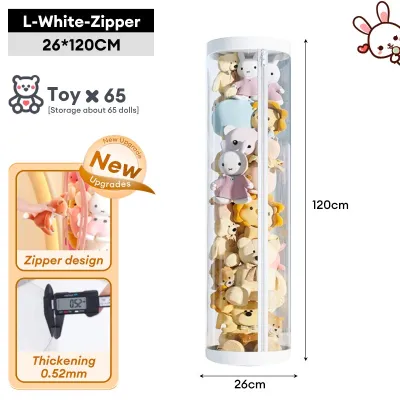
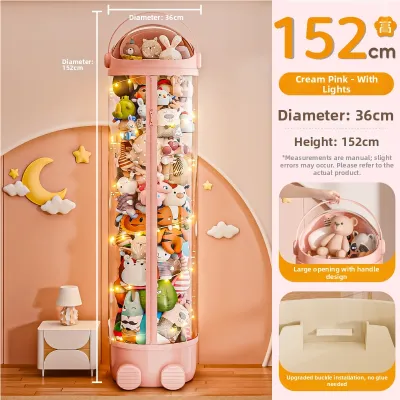
Prices are valid at publication and may change. Please refer to the product page for the latest price.
Another practical advantage of fabric-based storage is its acoustic profile. Caregivers frequently need to tidy up the nursery or retrieve items like spare swaddles, pacifiers, or pajamas while the baby is sleeping. Unlike clattering plastic tubs or squeaking wicker baskets, plush storage organizers absorb sound and operate virtually silently, helping to maintain a peaceful, undisturbed sleep environment during late-night or naptime check-ins.
When shopping for plush storage, it is essential to look beyond aesthetics and evaluate specific construction features to ensure long-term safety and utility. Look for the following key criteria:
- Removable and Washable Covers: Spills, drool, spit-up, and dust are inevitable in a nursery. Storage units with removable, machine-washable fabric covers make it much easier to maintain a hygienic environment.
- Waterproof Inner Linings: To prevent mold, mildew, and bacterial growth, storage bins should feature a water-resistant or waterproof interior lining. This is especially critical for storing diapering supplies or damp items, and is highly relevant in humid tropical climates like Singapore's.
- Sturdy Internal Frames: While the exterior should be soft, the container must maintain its structural integrity. Look for plush bins reinforced with thick, high-density cardboard, lightweight plastic inserts, or padded wire frames. This prevents the storage unit from collapsing under its own weight or tipping over when a child leans against it.
- Certified Safe Materials: Always verify that the materials used are free from harmful chemicals, heavy metals, and flame retardants. Check the manufacturer's labels for safety certifications and age-appropriateness ratings.
Caregivers must also carefully inspect any plush storage item for small, decorative elements before placing it in the nursery. Features like sewn-on buttons, faux fur tufts, tassels, or loose ribbons can easily be pulled off by a curious infant and present a severe choking hazard. Prioritize clean, streamlined designs with secure stitching over highly embellished options.
Best Plush Storage Formats for Baby Toys
Toy storage in a nursery must accommodate a wide variety of shapes, sizes, and weights while remaining highly accessible to both parents and developing children.

Open-Top Plush Bins and Baskets
Best for: Large plush toys, soft building blocks, rattles, and everyday play items.
Open-top plush bins are exceptionally user-friendly for daily toy rotation. Because they lack lids, these baskets allow toddlers to easily see their toys, which encourages cognitive development, choice-making, and independent play. The soft, flexible exterior ensures that if a child climbs into or falls against the basket, the container will yield safely under their weight rather than causing injury.
Furthermore, open-top designs simplify the cleanup process. Toddlers can easily participate in tidying up their room by tossing toys back into the wide opening, turning chore time into a simple, repetitive game. However, these bins do not protect toys from settling dust, meaning items stored at the bottom may require periodic cleaning. Additionally, if you load an open-top bin with heavy toys, you must ensure it has a wide, weighted base to prevent it from tipping over when a child reaches inside.
Plush Drawstring Bags and Sacks
Best for: Lightweight, soft items such as small stuffed animals, play silks, or dry bath toys (if lined with a breathable mesh material).
Plush drawstring bags offer excellent portability and space-saving benefits. They allow caregivers to gather a selection of toys quickly and transport them from the nursery to the living room or take them along while traveling. Many designs feature loop handles, making them easy to hang on wall hooks to free up valuable floor space in smaller nursery layouts.
Despite their convenience, drawstring bags carry inherent safety risks that require strict caregiver vigilance. The long cords used to draw the bags closed present a serious strangulation hazard for infants and young children. Consequently, these bags must never be left on the floor or within reach of an unsupervised child. Always hang drawstring storage sacks high on the wall, well out of reach of a standing toddler (typically at least 1.5 meters from the floor), or store them inside a closed closet.
Best Plush Storage Formats for Baby Clothes
Baby clothing is notoriously small, delicate, and easy to lose in deep drawers. Organizing these garments requires solutions that protect fabrics while keeping daily outfits visible and accessible.
Plush-Covered Storage Boxes with Lids
Best for: Out-of-season clothing, next-size-up garments, hand-me-downs, and delicate special-occasion outfits.
Lidded plush storage boxes provide an excellent protective barrier for clothes that are not in daily use. The secure lid shields delicate cotton, linen, and knit fabrics from dust, pests, and ambient moisture. In Singapore’s high-humidity environment, protecting stored fabrics from airborne moisture is crucial to prevent the growth of mold and musty odors.
Because these boxes feature attractive fabric exteriors, they are highly versatile. They can be displayed openly on wardrobe shelves or changing table ledges, contributing to the room’s decor rather than hiding in a closet. The primary limitation of lidded boxes is that they are not practical for high-frequency, daily access, as removing and replacing lids during a quick clothing change can be cumbersome. Caregivers should also verify that the internal structural support of the box is made of moisture-resistant materials to prevent warping over time.
Plush Drawer Dividers and Inserts
Best for: Organizing onesies, socks, scratch mittens, beanies, and bibs inside a dresser.
Plush drawer dividers and fabric-wrapped honeycomb inserts are invaluable for maintaining order inside nursery dressers. These organizers segment deep drawers into small, dedicated compartments, allowing you to file-fold tiny onesies and roll up socks so that every item is visible at a glance. This saves significant time during frantic diaper changes or dressing routines.
Additionally, the soft fabric exterior of these inserts acts as a protective buffer. Traditional wooden drawers can sometimes have rough interiors or splinters that snag delicate organic cotton or bamboo rayon baby garments. Plush inserts eliminate this risk entirely. To ensure these dividers work effectively, measure your dresser drawers precisely before purchasing; inserts that are too small will slide around when the drawer is opened and closed, causing the sorted items to shift.
Best Plush Storage Formats for Diapers and Wipes
Diapering supplies require high-frequency access multiple times a day and night, demanding storage solutions that prioritize hygiene, mobility, and immediate availability.
Plush Diaper Caddies with Handles
Best for: Keeping diapers, wet wipes, diaper rash creams, and portable changing mats organized and mobile.
A plush diaper caddy is a highly practical accessory for any new parent. These portable organizers typically feature multiple compartments and sturdy, padded handles, allowing you to carry a complete diapering station easily from room to room. The soft fabric exterior is comfortable to carry and gentle on the skin, which is a welcome feature during late-night, sleep-deprived diaper changes.
Because diapering involves liquids, creams, and moist wipes, a diaper caddy is highly susceptible to spills. It is critical to select a caddy equipped with a wipeable, waterproof inner lining. If diaper rash ointment or baby oil leaks onto an unlined plush caddy, it can quickly saturate the fabric, creating stubborn stains and attracting dust. A waterproof interior allows you to clean up spills instantly with a simple damp cloth.
Plush Hanging Organizers (Over-the-Door or Crib-Side)
Best for: Maximizing vertical space in compact nurseries; storing lightweight diapering accessories like spare pacifiers, digital thermometers, and travel-sized wipe packs.
Vertical hanging organizers are excellent for small nurseries where floor space is limited. By mounting these multi-pocket plush organizers on the back of a door or the side of a changing table, you keep essential supplies within arm’s reach while keeping surfaces clear of clutter. This setup allows you to maintain one hand on your baby during changes while easily grabbing a fresh diaper or wipe with the other.
However, hanging organizers present serious safety hazards if positioned incorrectly. You must never attach a hanging organizer to the inside of a crib or playpen. Once an infant reaches the developmental stage where they can roll over, push up on their hands and knees, or pull themselves up to stand (typically around 4 to 6 months), any cords, pockets, or soft structures within the sleep space pose severe entanglement, strangulation, and suffocation risks. Always mount these organizers securely on the outside of the crib frame, on a wall, or over a closet door well out of the child’s reach.
Quick Comparison: Matching Plush Storage to Nursery Items
To help you quickly identify the most suitable organization system for your nursery, the table below summarizes the best uses, advantages, and critical safety checks for each plush storage format:
| Storage Format | Best Used For | Key Advantage | Primary Limitation / Safety Check |
|---|---|---|---|
| Open-Top Bins | Bulky toys, soft blocks, everyday play items | Easy child access; soft edges prevent injury during falls | Does not protect against dust; requires a sturdy, wide base |
| Drawstring Bags | Lightweight toys, play silks, travel items | Highly portable; can be hung to save floor space | Strangulation hazard; keep entirely out of reach of infants |
| Lidded Boxes | Out-of-season clothes, hand-me-downs, keepsakes | Protects fabrics from dust and tropical humidity | Less convenient for daily access; check frame for moisture resistance |
| Drawer Inserts | Onesies, socks, mittens, bibs, small accessories | Prevents fabric snags; keeps tiny items visible and sorted | Must be sized precisely to fit your specific drawer dimensions |
| Diaper Caddies | Diapers, wipes, creams, portable changing mats | Portable and convenient for multi-room use | Must feature a waterproof lining to prevent cream or liquid stains |
| Hanging Organizers | Pacifiers, thermometers, small wipes, light accessories | Saves floor space; keeps items within parent's easy reach | Never mount inside the crib; keep out of baby's grasp |
Safety, Cleaning, and Maintenance Guidelines
Maintaining strict hygiene and safety standards is essential when using fabric-based items in an infant’s environment. Because plush materials can accumulate dust, moisture, and allergens, regular maintenance is required to keep the nursery healthy and safe.
Cleaning Protocols
Before cleaning any plush storage unit, always consult the manufacturer’s care label for specific instructions. Some fabric bins feature fully removable, machine-washable covers, while others with integrated structural frames (such as cardboard or metal wire) are spot-clean-only. For machine-washable items, use a gentle cycle with cold water and a mild, baby-safe, fragrance-free detergent. This protects your baby’s sensitive skin from harsh chemical residues and preserves the softness of the fabric.
For spot-clean-only items, use a damp cloth with a small amount of mild baby soap to gently lift stains. Avoid saturating the fabric, as excess water can seep into the internal cardboard support, causing it to warp, degrade, or lose its shape. Never use harsh chemical bleach or fabric softeners, which can degrade the synthetic or natural fibers of the plush material.
Moisture and Mold Prevention
In humid climates, fabric items are highly susceptible to mold and mildew colonization. Mold spores can trigger respiratory issues, skin irritation, and allergies in infants. To prevent this, ensure that any washed or spot-cleaned plush storage unit is completely dry before returning it to the nursery.
If possible, air-dry fabric items in direct sunlight, as natural ultraviolet rays help eliminate bacteria and fungal spores. Alternatively, use a clothes dryer on a low-heat setting if permitted by the manufacturer’s care instructions. Regularly inspect the waterproof linings of diaper caddies and bins for any cracks, tears, or peeling, as these damaged areas can trap moisture and harbor mold.
Routine Safety Inspections
Establish a habit of performing weekly safety checks on all nursery storage units. Inspect seams and edges for loose threads or frayed fabric. Loose threads pose a risk of wrapping around an infant’s fingers or toes, which can restrict circulation (a condition known as thread tourniquet syndrome).
Additionally, check that internal wire frames have not bent or broken through the protective fabric padding, as exposed metal can cause punctures or scratches. Ensure that cardboard-reinforced walls have not softened or warped to the point where the bin could easily collapse under minor pressure.
When to Replace
Despite proper care, plush storage units have a limited lifespan in a high-use nursery environment. You should discard and replace a plush storage item immediately if you notice any of the following conditions:
- Persistent Damp Odors: A musty smell that remains after washing indicates deep-seated mold or mildew growth within the inner fibers or cardboard frame.
- Visible Mold or Mildew: Any black, green, or grey spotting on the fabric or lining that cannot be completely sanitized.
- Structural Failure: Collapsed walls, broken internal frames, or warped bases that prevent the bin from standing upright independently.
- Irreparable Fraying: Extensive loose threads or tearing that cannot be safely repaired, presenting ongoing choking or entanglement hazards.
Frequently Asked Questions (FAQ)
Can plush storage baskets be machine washed?
Whether a plush storage basket can be machine washed depends entirely on its structural design and the manufacturer’s specifications. Fully soft fabric bins made of cotton, canvas, or felt without rigid inserts can typically be machine washed on a gentle cycle. However, bins that feature integrated cardboard, wood, or metal wire frames to maintain their shape will be ruined by machine washing, as water degrades cardboard and can cause metal frames to rust. Always check the care label first. If the frame is non-removable, spot cleaning with a damp cloth and mild baby-safe soap is the recommended cleaning method.
Is plush storage safe for newborns?
Yes, plush storage is generally safe for organizing newborn essentials, provided the storage units are kept completely out of the baby’s sleep area. According to pediatric safe sleep guidelines, an infant’s crib, bassinet, or playpen must remain entirely free of soft objects, loose bedding, plush toys, and fabric storage bags to minimize the risk of suffocation, entrapment, and Sudden Infant Death Syndrome (SIDS). Floor-level plush bins are safe for play areas once your baby begins to crawl and explore, provided you have inspected the bins to ensure they contain no small, detachable parts, loose threads, or choking hazards.

Community discussion
Share your experience or ask a question. Comments are reviewed before publication.