
Protecting your toddler from electrical hazards requires matching the right safety device to your daily household habits and your child’s developmental stage. There is no single option that works for every socket in a home. While simple plug-in caps offer a quick and inexpensive way to block unused outlets, they can become choking hazards if a determined toddler manages to pry them loose. For frequently used outlets, sliding plates and rotating covers provide integrated, spring-loaded, or mechanical barriers that automatically close when a plug is removed, eliminating the risk of loose parts. Choosing an effective plug protector involves balancing physical child resistance, adult convenience, and compatibility with the specific electrical fittings in your living space.
Identifying the Mechanisms of Common Plug Protectors
To build a reliable childproofing strategy, you must first understand how the three primary types of outlet protectors function. Each mechanism approaches safety from a different angle, altering either the accessibility of the socket holes or the structure of the faceplate itself.
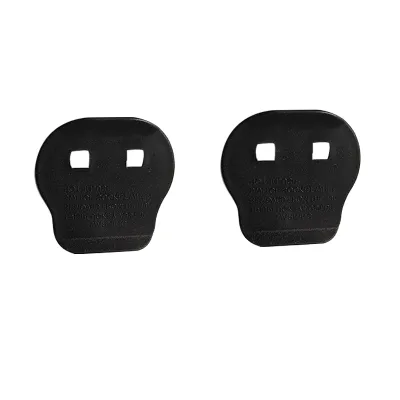
Plug-in caps are individual plastic inserts featuring prongs that mimic a standard electrical plug. You push these caps directly into the open socket holes, physically blocking access. They do not alter the existing wall plate and remain flush against the outlet. Because they rely entirely on friction to stay in place, their effectiveness depends on a tight fit within the socket sleeves.
Products mentioned in this guide

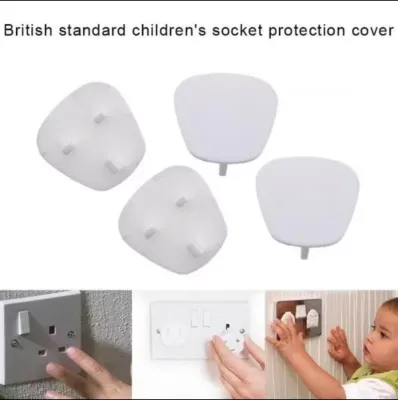
![[SG SELLER] [FREE SHIPPING] Child Baby Safety Socket Cover Plug Cover Protector 🇸🇬SINGAPORE USE🇸🇬](https://img.lazcdn.com/g/p/a1bb8027e643fb1f1a8c9a8404167892.jpg_400x400q80.jpg_.webp)
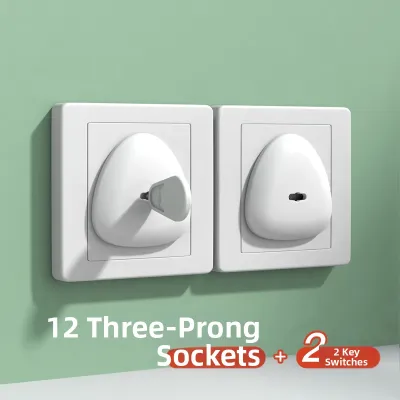
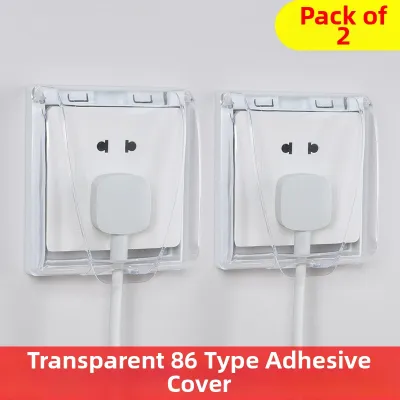
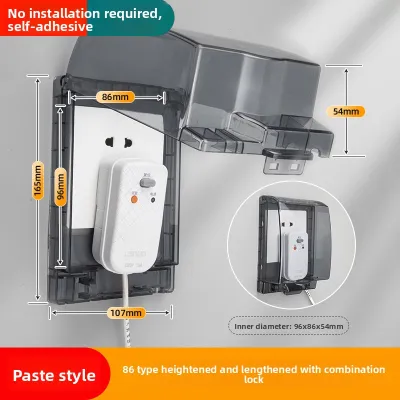
Prices are valid at publication and may change. Please refer to the product page for the latest price.
Sliding plate covers are complete replacement faceplates that feature built-in, spring-loaded shutters. When you want to plug in an appliance, you place the plug prongs against the entry points, slide the cover panel to align the holes with the internal contacts, and push the plug all the way in. Once you pull the plug out, the internal spring automatically slides the shutter back into the closed position, instantly blocking the live terminals.
Rotating outlet covers operate on a similar replacement principle but utilize a mechanical dial system. To use the outlet, you must insert the plug prongs into the dial slots and twist the plug to align the mechanism before pushing it home. This dual-action movement—pushing and twisting simultaneously—is designed to exceed the cognitive and physical coordination of young children.
Evaluating Toddler Resistance and Daily Convenience
Evaluating how these devices perform in real-world scenarios requires looking at both child resistance and how easily adults can navigate them during daily chores. A protector that is too difficult for parents to use may end up left off, defeating its safety purpose entirely.

Toddlers are remarkably persistent and quickly develop the fine motor skills needed to manipulate small objects. Plug-in caps can be vulnerable to children who have learned to pinch and pull. If a cap becomes slightly loose over time or has a raised edge, a toddler might successfully pry it out using their fingernails or small plastic toys. Once removed, these caps present a secondary risk: they are small enough to fit entirely inside a child’s mouth, posing a serious choking hazard.
Sliding plates and rotating covers offer higher child resistance because they are physically screwed into the wall as part of the faceplate. There are no loose parts for a toddler to pull off, lose, or swallow. The spring-loaded tension of sliding plates and the complex twist-and-push motion of rotating covers generally require more physical strength and coordination than a toddler possesses.
However, adult usability varies across these designs. Plug-in caps can be incredibly stiff, sometimes requiring a key or a flat tool for an adult to remove, which can be frustrating during quick cleaning tasks. Sliding plates offer a smoother experience, allowing you to insert a plug with one hand once you master the sliding motion. Rotating covers can sometimes feel stiff or require precise alignment, making them slightly more cumbersome when you are trying to plug in vacuum cleaners or phone chargers in a hurry.
Matching Protectors to Your Outlets and Daily Routine
Selecting the right protector requires analyzing the specific layout of your home and how you use your electrical appliances. Sockets in Singapore typically follow the Type G British standard, which features three rectangular pins and often includes individual on-off switches on the faceplate.
Before purchasing replacement faceplates like sliding or rotating covers, you must verify their compatibility with your existing fittings. Many universal sliding plates are designed for standard double or single sockets, but they may not accommodate faceplates that feature integrated switches, wide decorative borders, or unusual screw placements. If your outlets have individual switches next to the plug entries, a bulky replacement cover might block the switch from moving freely, or it might not fit flush against the wall.
Your daily routine should dictate where each type of protector is installed. For outlets that host permanently plugged-in appliances, such as refrigerators, washing machines, or television consoles, simple plug-in caps or even leaving the plug in place (provided the furniture blocks access) may be sufficient. For high-traffic outlets—such as those used daily for kitchen appliances, hair dryers, or vacuum cleaners—sliding or rotating plates are far more practical, as they reset automatically without requiring you to manage loose plastic caps.
You should also consider the aesthetic and structural impact of these safety devices. Replacement plates can be slightly thicker than standard builder-installed faceplates. In tight spaces, such as outlets positioned close to skirting boards, kitchen countertops, or light switches, this extra bulk can prevent the plate from sitting flat, potentially leaving gaps or interfering with nearby fixtures.
Ensuring Safe Installation and Ongoing Maintenance
Installing childproofing devices must never compromise the electrical safety of your home. Proper installation and regular inspections are essential to ensure these protectors function as intended without creating new hazards.
If you choose to install replacement sliding or rotating faceplates, you must turn off the mains power at your home’s distribution board before touching any screws or removing the existing plate. Never rely solely on the individual socket switch. Use a voltage tester to verify that the outlet is completely dead before proceeding with the replacement. If you are unsure about handling electrical wiring, hiring a licensed electrician is the safest course of action.
Once installed, you must verify the fit of the new faceplate. Check that there are no visible gaps between the protector plate and the wall surface. Even a tiny gap of a few millimeters can allow dust to accumulate or provide a leverage point where a toddler could insert a small toy or their fingers, potentially coming into contact with internal wiring.
Ongoing maintenance is just as critical as the initial setup. Plastic components can degrade over time, especially in warm, humid climates. Establish a monthly routine to inspect all plug protectors for signs of wear and tear. Look for hairline cracks in the plastic, loose or weak springs in sliding plates, or dials on rotating covers that feel loose or fail to snap back into place. Any protector that shows signs of degradation or structural weakness should be replaced immediately.
Decision Guide: Choosing the Right Protector for Your Home
To finalize your childproofing plan, match your specific household needs to the strengths and limitations of each protector type.
Choose plug-in caps if you need a quick, budget-friendly solution for outlets that are rarely used or are completely hidden behind heavy, immovable furniture. They are ideal for temporary setups or rental homes where you cannot alter the physical wiring or faceplates. Always ensure these caps fit extremely snugly and check them regularly to confirm they have not loosened.
Choose sliding plates if you want a clean, integrated look for frequently accessed outlets throughout your living areas. They offer a great balance of moderate child resistance and adult convenience, automatically closing the moment you unplug an appliance. Verify that the replacement plates are compatible with your specific socket dimensions and switch layouts before purchasing.
Choose rotating covers if you require a high level of mechanical child resistance for highly accessible, low-lying outlets where toddlers are likely to play. The dual-action twist-and-push mechanism provides excellent protection, though you should be prepared for a slightly more deliberate process when plugging in your own devices.
Always verify first if your home features specialized, non-standard, or smart socket faceplates. Many modern smart plugs or USB-integrated outlets cannot accommodate universal sliding or rotating covers, meaning you may need to rely on alternative safety strategies, such as blocking access with heavy furniture or using specialized lockboxes.
Frequently Asked Questions (FAQ)
Are plug-in caps a choking hazard if a toddler pulls them out?
Yes, standard plug-in caps can pose a choking hazard if a toddler manages to remove them from the wall. Because they are small, lightweight, and made of hard plastic, they can easily block a young child’s airway if placed in the mouth. If you observe your child attempting to pry or successfully extracting these caps, you should immediately discontinue their use in accessible areas. Transitioning to integrated sliding plates or using larger, multi-socket safety boxes that enclose the entire outlet area can eliminate this risk.
Do I need to protect outlets hidden behind heavy furniture?
Outlets that are completely blocked by heavy, immovable furniture—such as large wardrobes, heavy sideboards, or secured television consoles—generally do not require active plug protectors, as toddlers cannot physically reach them. However, if the furniture is light enough to be shifted by a child, or if there is a gap wide enough for a small hand to reach behind, protection is necessary. In these semi-accessible spaces, low-profile plug-in caps or slim outlet covers can provide a helpful layer of defense without preventing the furniture from sitting flush against the wall.

Community discussion
Share your experience or ask a question. Comments are reviewed before publication.