
Quick Answer: Matching the Right Socket Cover to Your Needs
Securing your home’s electrical outlets is a critical step in baby-proofing, but there is no single socket cover that works perfectly for every room. The ideal choice depends on how frequently you use a specific outlet, your household’s daily routines, and whether you are willing to make semi-permanent modifications to your electrical fixtures.
For outlets that power active, permanently plugged-in appliances—such as standing fans, air purifiers, or baby monitors—box-type covers are the superior choice because they shield both the socket and the plug itself. If you want a seamless, aesthetically pleasing, and completely choke-free permanent upgrade for open, highly accessible walls, sliding plate covers offer the safest long-term solution. Traditional plug-in caps are best reserved strictly for hidden, rarely used, or blocked outlets where they will not be constantly removed, misplaced, or left within a child’s reach.
Understanding the 3 Main Types of Power Socket Covers
To make an informed decision for your household, you must first understand the design, mechanical operation, and primary use cases of the three major types of power socket covers available on the market.
Products mentioned in this guide
![[SG seller] Schneider electric Weatherproof IP55 In Socket Cover | 1 Gang 2 Gang Lockable | Goldberg Home](https://img.lazcdn.com/g/p/f3302220f35f3e039d1b28e1d5dd1fa1.png_400x400q80.png_.webp)
Prices are valid at publication and may change. Please refer to the product page for the latest price.

Plug-In Socket Covers (Insert Caps)
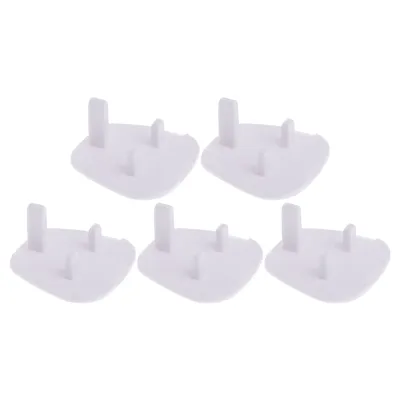
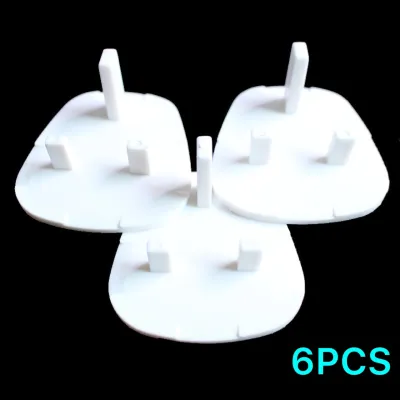
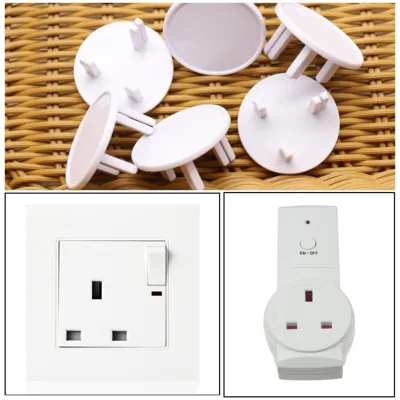
Plug-in socket covers, commonly referred to as insert caps, are the most traditional and widely available baby-proofing accessories. These are simple plastic inserts designed with prongs that mirror a standard electrical plug. For households in Singapore, these are typically three-prong plastic caps designed to fit directly into British Standard (BS 1363) Type G outlets.
To use them, you simply push the plastic prongs directly into the open socket holes. Once inserted, the cap sits relatively flush against the faceplate, leaving very little edge for a child to grab. They are highly portable, making them excellent for travel, and they require absolutely no tools or technical knowledge to install.
However, the primary drawback of plug-in caps is their operational inconvenience. Every time you need to use the outlet—whether to plug in a vacuum cleaner or a phone charger—you must completely remove the plastic cap. This leaves a loose, small plastic object lying around, which can easily be lost or, worse, found by a curious toddler. If you forget to replace the cap after unplugging your appliance, the socket remains completely exposed.
Box-Type Socket Covers (Outlet Boxes)
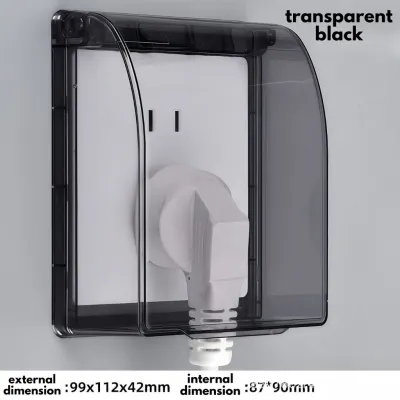
Box-type socket covers, often called outlet safety enclosures, are protective plastic domes or boxes designed to mount directly over an existing wall socket. Unlike plug-in caps, which only protect empty sockets, box-type covers are specifically engineered to secure outlets that are actively in use.
These enclosures feature a sturdy plastic base that surrounds the socket faceplate and a hinged, latching cover. You plug your appliance into the wall socket as normal, route the power cords through a small, narrow opening at the bottom of the box, and snap the hinged cover shut. The plug pins and the socket face remain completely enclosed within the locked plastic box.
This design is highly effective at preventing babies and toddlers from pulling active plugs out of the wall, which protects them from exposed live prongs and prevents expensive appliances from being abruptly shut off. The primary trade-off is their physical size; these boxes protrude several centimeters from the wall, making them visually bulky and preventing you from pushing furniture completely flush against the wall.
Sliding Plate Socket Covers (Self-Closing Plates)
Sliding plate socket covers, also known as self-closing outlet faceplates, represent a permanent, integrated approach to electrical safety. Instead of adding an external accessory to your existing outlet, you replace the entire wall socket faceplate with a specialized safety version.
These faceplates feature spring-loaded sliding panels over the receptacle entry points. To plug in an appliance, you place the prongs of the plug against the cover, slide the panel to the side (or upwards) to align with the internal electrical contacts, and push the plug all the way in. The moment you unplug the appliance, the internal spring mechanism instantly snaps the protective sliding plate back into its closed position, sealing the live contacts.
Because the safety mechanism is integrated directly into the faceplate, there are no loose parts to manage, no bulky boxes protruding into the room, and no plastic caps to lose. However, because this option requires replacing the actual physical faceplate, it involves handling domestic electrical wiring and turning off the main power supply during installation.
Comparing Safety, Usability, and Practicality
Evaluating these three cover types across key dimensions—safety, convenience, aesthetics, and installation effort—will help you determine which option fits your lifestyle and home layout.
Baby Safety and Choking Risks
Between the ages of 9 and 18 months, babies develop fine motor skills and a strong pincer grasp. They explore their environment by touching, pulling, and placing small objects into their mouths. This developmental stage heavily influences the safety profile of each cover type.
- Plug-In Caps: While designed to fit tightly, low-quality or worn-out plug-in caps can sometimes be pried loose by a determined toddler using their fingernails, teeth, or small toys. If a child successfully removes a plug-in cap, it immediately becomes a severe choking hazard. Many cheap plastic caps are small enough to block a young child's airway entirely. Furthermore, the risk of adult forgetfulness—leaving a cap on the floor after unplugging a device—creates an easily accessible hazard.
- Box-Type Covers: These provide excellent protection against both electrical shock and physical cord-pulling. Because the box latches securely, a baby cannot access the plug or the socket. However, because they protrude significantly from the wall, they introduce a minor physical hazard. A crawling baby or a toddler learning to walk can easily bump their head or knees against the hard plastic corners of a protruding box cover.
- Sliding Plates: These are the safest option regarding physical hazards. Because they are integrated directly into the wall, there are no removable parts that can be swallowed, completely eliminating the choking risk. The spring-loaded mechanism is hidden behind the faceplate, making it inaccessible to tiny fingers.
Adult Usability and Convenience
Daily household chores require frequent access to electrical outlets. If a safety device is too frustrating to use, adults may neglect to use it consistently, compromising overall home safety.
- Plug-In Caps: These offer the lowest convenience for frequently used outlets. To ensure babies cannot remove them, manufacturers design them to fit incredibly tightly. Removing them often requires significant finger strength, a special plastic removal tool, or prying them out with a coin or key. This friction often leads to parents leaving them off permanently.
- Box-Type Covers: These require a multi-step process to open. You must press a specific release latch or double-button mechanism to swing the cover open, plug or unplug your device, route the cable, and snap it shut. While highly manageable for permanent appliances, they are impractical for outlets where you frequently plug and unplug items, such as utility sockets used for vacuuming.
- Sliding Plates: These offer the most seamless experience for adults. You do not need to remove caps or open latches; you simply slide the plate with the plug prongs and insert. When you unplug the device, the outlet secures itself instantly, requiring zero post-use effort from the parent.
Aesthetics and Home Integration
Modern residential interior design prioritizes clean lines and uncluttered spaces. The visual impact of baby-proofing products is a common consideration for homeowners.
- Plug-In Caps: These often look like a temporary afterthought. If they do not match the exact color of your faceplate (such as putting bright white plastic caps on grey or black designer sockets), they stand out visually and can actually draw a curious child's attention to the outlet.
- Box-Type Covers: These are highly visible and bulky. They stick out from the wall, disrupting the clean lines of a living room, kitchen, or hallway. They can look industrial and cluttered, especially if multiple cords are routed through them in prominent areas.
- Sliding Plates: These offer a clean, modern aesthetic. They look exactly like standard, high-quality electrical outlets and blend seamlessly into your home's decor. They are available in various finishes to match your existing interior styling, ensuring your baby-proofing efforts do not compromise your home's visual appeal.
Installation Effort and Cost
Setting up your baby-proofing strategy involves balancing initial costs with the time and effort required for installation.
- Plug-In Caps: These require zero installation effort and are extremely inexpensive. You can purchase them in large multi-packs for a few dollars, making them a highly accessible budget option.
- Box-Type Covers: These require minimal installation effort. Many modern models utilize strong adhesive tape to stick directly over the existing faceplate, while others require loosening the faceplate screws slightly to sandwich the box bracket behind the plate. They are moderately priced and can be installed in minutes without electrical knowledge.
- Sliding Plates: These require the highest installation effort and cost. You must shut off the main power, unscrew the old faceplate, disconnect the wires, wire up the new sliding plate, and screw it back into the wall. Because of the electrical risks involved, hiring a licensed electrical worker (LEW) in Singapore is highly recommended, which adds professional service fees to the cost of the hardware.
Quick Comparison Table
| Cover Type | Best Use Case | Choking Hazard Risk | Adult Convenience | Installation Required | Aesthetic Profile |
|---|---|---|---|---|---|
| Plug-In Caps | Sockets hidden behind heavy furniture or rarely accessed areas | High (if pried out or left loose on the floor) | Low (hard to remove, easy to lose) | None (Plug & Play) | Temporary and visible |
| Box-Type Covers | Sockets with active, permanently plugged-in appliances | Low (no small loose parts, but introduces bump risk) | Moderate (requires opening a latch mechanism) | Low (Adhesive or faceplate screws) | Bulky and protruding |
| Sliding Plates | Frequently used, highly visible open wall sockets | None (fully integrated into the wall plate) | High (seamless slide-and-insert action) | High (Electrical wiring replacement) | Seamless and modern |
How to Choose: Decision Framework for Parents
To choose the right combination of socket covers for your home, evaluate your rooms based on socket usage, accessibility, and your living situation.
Choose Box-Type Covers If:
You have essential appliances that must remain plugged in constantly. In a typical household, this includes standing fans, air purifiers, dehumidifiers, baby monitors, television consoles, or Wi-Fi routers. These low-lying cords are highly tempting for crawling babies to pull. A box-type cover protects both the outlet and the plug, preventing your child from pulling the plug loose, exposing live prongs, or abruptly shutting off critical household devices.
Choose Sliding Plates If:
You want a premium, long-term, and completely safe baby-proofing solution for your entire home. If you own your home and plan to stay for several years, replacing highly visible, low-lying sockets (such as those along hallways, living room skirting boards, or play areas) with sliding plates is highly practical. It completely eliminates the risk of choking and keeps your home looking neat and uncluttered.
Choose Plug-In Caps If:
You need a quick, budget-friendly solution for outlets that are already mostly inaccessible. For example, sockets located behind heavy wardrobes, heavy TV consoles, or large sofas where a baby cannot easily reach, but you still want peace of mind. They are also excellent for temporary situations, such as staying in a holiday rental or visiting relatives for a short period.
Verify These Factors Before Purchasing:
- Rental Constraints: If you are renting your home in Singapore, your tenancy agreement likely prohibits permanent electrical alterations. Replacing faceplates with sliding plates could violate your lease or forfeit your security deposit. In this scenario, stick to non-destructive options like plug-in caps or adhesive-mounted box covers.
- Socket Compatibility: Standard electrical outlets in Singapore are rectangular Type G plates. Ensure any box-type cover or sliding plate you purchase is explicitly designed for British Standard (BS 1363) Type G outlets. Universal covers designed for US (Type A/B) or European (Type C/F) outlets will not fit your wall sockets.
Safe Installation and Daily Maintenance Rules
Implementing safety devices requires adherence to strict installation and maintenance practices to ensure they function correctly and do not introduce new hazards.
- Electrical Safety First: Before attempting any installation involving sliding plates, you must turn off the main power supply at your home's distribution board (DB box). Do not rely solely on the wall switch. Use a reliable voltage tester to confirm the socket is completely dead before touching any internal wires.
- Professional Assistance: If you are not fully confident with electrical wiring, do not attempt a DIY replacement. In Singapore, electrical safety is strictly regulated. It is always safest to hire a licensed electrical worker (LEW) to handle the installation of sliding plate sockets to prevent short circuits, wiring errors, or fire hazards.
- Supervision and Inspection: Baby-proofing devices are designed to assist parents, not replace active caregiver supervision. Periodically inspect all installed socket covers. Look for signs of physical wear, such as cracks in plastic plug-in caps, failing adhesive on box covers, or sluggish spring mechanisms on sliding plates.
- Environmental Factors: Singapore's high humidity can cause dust and moisture to accumulate inside box-type covers or around plug-in caps over time. Periodically wipe them down with a dry microfiber cloth (never wet) to prevent dust buildup, which can pose a fire hazard. If any cover becomes discolored, brittle, or cracked, replace it immediately. Never force a plug into a sliding plate if the mechanism feels stuck, as this can damage the internal safety shutter.
Frequently Asked Questions (FAQ)
Are sliding socket covers safe for older homes in Singapore?
Older residential units in Singapore, such as HDB flats built in the 1970s or 1980s, may have shallow metal or plastic wall boxes (backboxes) embedded in the concrete. Modern sliding plate sockets often have deeper internal mechanisms to house the spring-loaded shutters. Before purchasing, unscrew one of your existing faceplates to check the depth of the backbox. If it is too shallow, a modern sliding plate may not fit flush against the wall. Consult a licensed electrician to assess your home’s wiring and backbox compatibility.
Can babies pull out plug-in socket covers?
Yes, determined toddlers can sometimes remove them. While manufacturers design plug-in caps to fit tightly, as babies grow, their finger strength, pincer grasp, and problem-solving skills improve. Some toddlers may use their fingernails, toys, or even their teeth to pry the caps loose. If a cap is slightly loose or worn, it becomes much easier to remove. This is why plug-in caps should not be used in highly accessible, open areas where a child is left to play unsupervised.

Community discussion
Share your experience or ask a question. Comments are reviewed before publication.