
Preparing fresh, nutrient-dense meals for your infant is a rewarding step in their development, but it requires the right kitchen tools to remain sustainable. The Plodon baby blender is designed to streamline this process by combining cooking and processing functions into a single, compact footprint. However, because product specifications can vary across different models and production batches, it is essential to know exactly what features to look for and verify before making a purchase. This guide outlines the core functionalities, material safety standards, and operational limits you should check in the official user manual or on the product packaging to ensure the appliance fits your daily routine.
When introducing solids, your preparation needs will evolve rapidly from ultra-smooth purees to chunkier textures. A multi-functional baby food processor can save significant time, but its utility depends entirely on whether its mechanical capabilities align with your specific preparation style and kitchen setup. By focusing on verifiable product specifications rather than general brand claims, you can make an informed decision that prioritizes both convenience and safety.
Core Blending and Cooking Functions to Verify
An integrated steaming and blending workflow is one of the primary conveniences of a dedicated baby food maker. You should verify whether the specific model you are considering allows you to steam ingredients and blend them in the same jar without transferring hot food. This single-jar design minimizes the risk of accidental burns from handling hot, freshly steamed vegetables or meats, and it significantly reduces the number of dishes you need to wash after each prep session.
Products mentioned in this guide
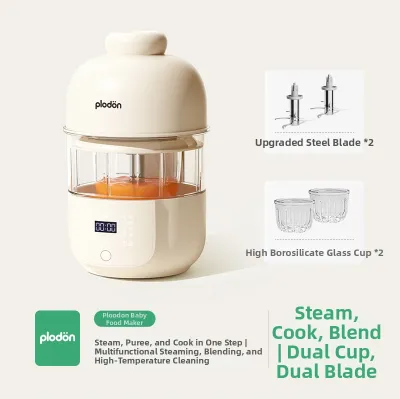
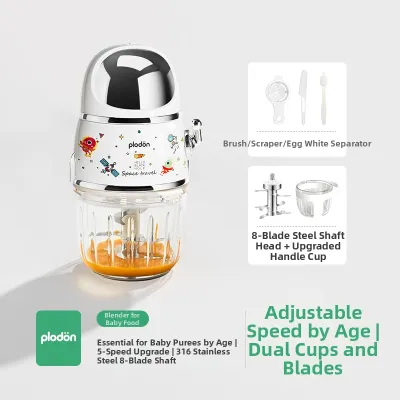
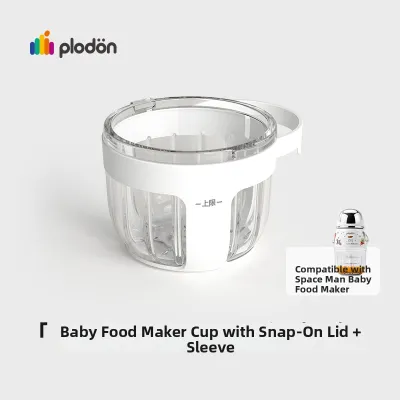
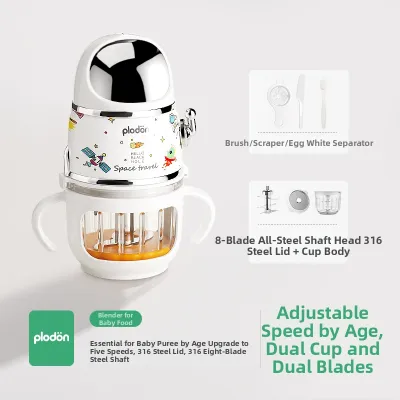


Prices are valid at publication and may change. Please refer to the product page for the latest price.
Texture control is another critical element to inspect on the product’s control panel. As your baby progresses through different weaning stages, their developmental needs will shift from completely smooth, liquid-like purees to thicker, textured mashes, and eventually to soft, solid pieces. Check if the appliance offers a manual pulse function or multiple speed settings. A simple one-button automated blend might not give you the precision required to gradually increase texture complexity as your child grows.
Early weaning involves preparing incredibly small portions, sometimes only a few tablespoons at a time. Many standard household blenders fail at this task because the blades sit too high, causing small amounts of food to get trapped underneath or splattered against the dry walls of the jar. Review the manufacturer’s documentation to confirm if the blade assembly and jar geometry are optimized for small-batch processing. This ensures you can prepare fresh, single-serving meals daily without unnecessary food waste.
Evaluating Capacity and Material Safety Labels
When choosing an appliance, you must balance the physical size of the unit with your meal preparation habits. If you prefer batch-cooking and freezing a week’s worth of purees at once, you will need a blending jar with a larger capacity. Conversely, if you live in a home with limited counter space, a compact model with a smaller jar is much easier to store and operate. Check the exact fluid ounce or milliliter capacity listed on the packaging to ensure it matches your intended batch sizes.

Equally important is the capacity of the integrated water tank used for steaming. Dense root vegetables, such as sweet potatoes, carrots, and pumpkins, require longer steaming times to become soft enough for safe blending. Verify that the water reservoir is large enough to support a full steaming cycle without requiring you to pause the machine and refill the tank midway through cooking. A transparent water level indicator on the side of the machine is a highly useful feature to check for, as it allows you to monitor water levels at a glance.
Because the blending jar and internal components are subjected to high temperatures during the steaming process, material safety is paramount. Do not rely on general product descriptions; instead, look for physical safety certifications and material labels directly on the product body, packaging, or manual. Verify that all plastic parts coming into contact with food are explicitly labeled as BPA-free. If you prefer to avoid plastic entirely for high-heat applications, check if the manufacturer offers a thermal-shock-resistant borosilicate glass jar option.
Essential Safety Mechanisms and Usage Limits
Operating a high-temperature heating element alongside high-speed spinning blades requires robust safety mechanisms. First, verify if the appliance is equipped with boil-dry protection. This safety feature automatically shuts off the heating element if the water tank runs completely dry during a steaming cycle. Without this protection, an empty water reservoir can cause the motor to overheat, potentially damaging the internal electronics or creating a household fire hazard.
Another critical safety feature to confirm is the presence of a secure lid-locking mechanism or safety interlock switch. The motor should never engage, and the blades must not spin, unless the blending jar is correctly locked onto the power base and the lid is fully secured. This prevents accidental activation while you are assembling the unit or adding ingredients, protecting both your fingers and your kitchen walls from high-speed splatters.
Every kitchen blender has operational limits that prevent motor burnout. You should consult the user manual to find the maximum continuous operation time, which is often limited to short bursts of 10 to 30 seconds. Operating the motor continuously beyond these limits can cause overheating and permanent damage. Additionally, check if the manufacturer specifies a mandatory cooling-down period between consecutive blending or steaming cycles, especially if you plan to prepare multiple batches back-to-back.
Assessing Cleaning Convenience and Hygiene
Maintaining strict hygiene is essential when preparing food for an infant with a developing immune system. Before purchasing, evaluate how easily the appliance can be thoroughly cleaned. Check if the blending jar, lid, silicone sealing rings, and blade assembly are fully detachable. Fixed blades or non-removable rubber gaskets are notorious for trapping moisture and microscopic food particles, which can quickly lead to mold and bacterial growth in warm, humid kitchen environments.
Review the manufacturer’s care instructions to determine which parts are dishwasher safe. While some materials can withstand the high heat and harsh detergents of a dishwasher, others must be washed by hand to prevent warping, clouding, or premature degradation of the seals. If hand-washing is required, ensure the manufacturer includes a specialized cleaning brush to help you safely clean around the sharp blade edges without risking injury.
Finally, inspect the physical design of the jar’s interior. Look for smooth, rounded corners rather than sharp, deep crevices. Jars with complex internal ridges or hard-to-reach corners make manual scrubbing difficult and increase the likelihood of old food residue remaining trapped. A clean, simple interior design ensures that every batch of food you prepare is as fresh and hygienic as possible.
Frequently Asked Questions (FAQ)
Can the Plodon baby blender handle meat and tough vegetables?
To determine if your specific model can process tougher ingredients like poultry, beef, or fibrous vegetables, you must check the motor wattage and blade specifications on the official product sheet. Always pre-cut raw meat and tough vegetables into small, uniform chunks before placing them in the machine. Ensure these ingredients are thoroughly steamed and softened according to the manufacturer’s guidelines before attempting to blend them, and use short, controlled pulses to avoid straining the motor.
How do I verify the exact specifications for my specific Plodon model?
Because features, materials, and electrical requirements can vary by region and production year, you should always verify the exact specifications on the physical rating label located on the bottom or back of the appliance. Additionally, consult the printed user manual included in the box. If you find conflicting information online or are unsure about safety certifications, contact the manufacturer’s official customer support channel or purchase through an authorized local retailer to ensure you receive accurate product details.

Community discussion
Share your experience or ask a question. Comments are reviewed before publication.