
Choosing the right baby blender in Singapore depends on your daily cooking routine, kitchen space, and meal preparation style. There is no single brand that fits every household perfectly. Instead, the ideal choice hinges on whether you prefer an all-in-one steamer-blender that handles the entire process in one jug, or a dedicated blending tool paired with your existing stovetop cookware.
Material safety and build quality must be verified directly through manufacturer specifications and product labels rather than relying solely on brand reputation. To find the right match, you should evaluate three core pillars: your cooking workflow, your preferred batch size, and the amount of time you can realistically allocate to daily cleanup. By focusing on these practical factors, you can select a machine that integrates seamlessly into your kitchen.
Core Functions: All-in-One Steamers vs. Dedicated Blenders
All-in-one baby food makers combine steaming and blending functions within a single vessel. This design allows you to steam raw ingredients, such as diced vegetables or meats, and then immediately blend them into a smooth puree without transferring the hot food to another container. This streamlined workflow minimizes the number of dirty dishes and reduces the risk of spills during food transfer.
Products mentioned in this guide
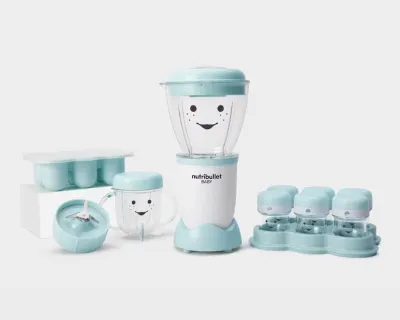
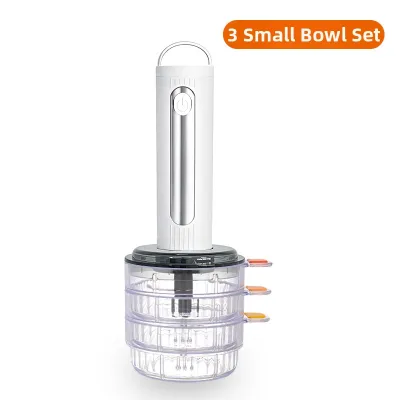
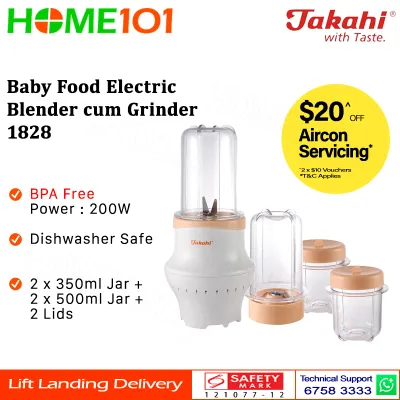
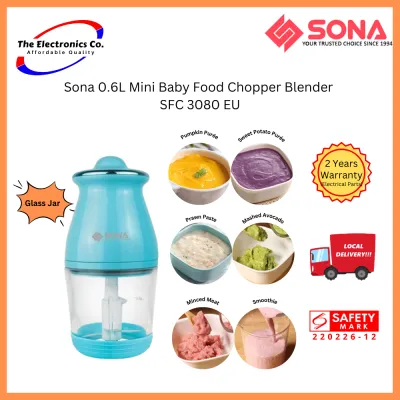
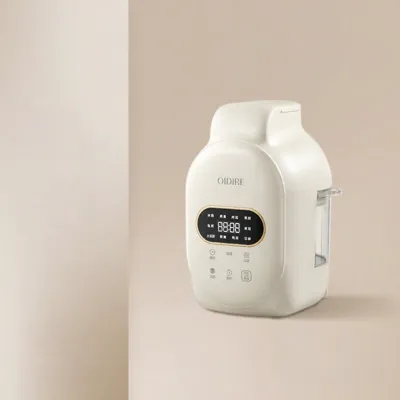
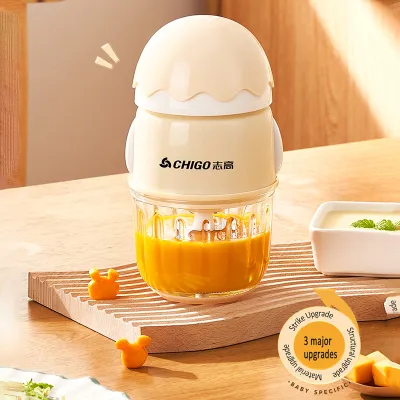
Prices are valid at publication and may change. Please refer to the product page for the latest price.
In contrast, using a dedicated blender requires you to steam or boil the ingredients separately on your stovetop before transferring them into the blender jar. While this method involves more manual steps and extra cookware to wash, it offers greater flexibility. You can use your existing pots, steamers, or rice cookers to prepare large quantities of food, using the blender solely for the final texturizing step.
Countertop space is a critical consideration, especially in compact Singapore apartments where kitchen real estate is highly valued. All-in-one units consolidate multiple appliances into a single footprint, which can free up valuable workspace. However, these specialized machines often carry a higher initial purchase price compared to simple, dedicated blending tools, making it important to weigh the convenience against your budget.
When evaluating nutrient retention, many brands claim that steaming within a closed all-in-one system preserves more vitamins and minerals than traditional boiling. While steaming generally retains water-soluble nutrients better than boiling, you should verify these claims by checking the manufacturer’s specific testing data or design features, such as steam-circulation pathways.
A dedicated blender or hand immersion blender is often highly sufficient for parents who already practice bulk meal preparation. If you prefer to steam large batches of sweet potatoes, carrots, or apples in a large stovetop steamer, a separate blender allows you to process these massive quantities quickly. This setup also avoids the need to purchase a single-purpose appliance that your child will eventually outgrow.
Evaluating Build Quality and Material Safety
Ensuring the safety of the materials that come into direct contact with your baby’s food is paramount. When comparing different brands, do not assume safety based on price or brand popularity. Instead, look for explicit product labels indicating that all food-contact components are free from Bisphenol A (BPA), Bisphenol S (BPS), and phthalates, which are chemical compounds often found in lower-grade plastics.

The material of the blending jug itself is a major point of comparison among popular brands, typically falling into three categories: glass, Tritan copolyester, or standard food-grade plastic. Glass jugs are highly resistant to scratching, do not absorb food odors, and will not stain when processing vibrant foods like carrots or pumpkins. However, glass is significantly heavier and prone to breaking if dropped on hard kitchen tiles.
Tritan copolyester has emerged as a popular alternative to glass because it offers excellent clarity and impact resistance while remaining lightweight. It can withstand high temperatures during steaming cycles without degrading, making it a durable choice for daily use. Standard plastics are lighter and often more affordable, but they may scratch more easily over time, creating tiny crevices where food particles can hide.
To ensure the blender can handle a wide variety of ingredients, you must evaluate the motor wattage and blade specifications provided by the manufacturer. A motor with insufficient power may struggle to process dense root vegetables, fibrous celery, or cooked meats, leading to overheating or premature motor failure. Look for blades made from high-grade stainless steel, which maintain their sharpness and resist corrosion from acidic foods.
Checking the blade assembly design is also crucial for long-term durability. Some brands feature integrated blades that cannot be removed, while others offer fully detachable blade assemblies. Detachable designs allow for thorough inspection of the rubber gaskets and seals, ensuring that no moisture or food residue remains trapped underneath to compromise the integrity of the motor shaft.
Capacity, Batch Cooking, and Daily Convenience
Baby blenders vary widely in capacity, and your choice should align directly with your meal preparation strategy. Small-capacity jugs, often ranging from 300ml to 500ml, are ideal for parents who prefer to prepare fresh, single-portion meals every day. These smaller vessels ensure that blades can effectively catch and puree tiny amounts of food without leaving large chunks unblended.
If you prefer batch cooking—preparing a week’s worth of purees at once to freeze in silicone trays—you will require a larger capacity jug of 800ml to 1.2 liters. Processing larger volumes in a single cycle saves significant time and energy. However, attempting to blend a very small portion in a large jug can be frustrating, as the ingredients may simply splash against the walls out of reach of the blades.
Daily cleaning convenience is often the deciding factor in how frequently you will actually use the appliance. Before purchasing, check the product specifications to confirm which parts are dishwasher-safe. Even if you do not own a dishwasher, components that can be easily disassembled and washed under running water will save you valuable minutes during busy feeding schedules.
Pay close attention to the design of the blade seals and gaskets, as these are common areas where food residue can accumulate. Some modern baby blenders feature an automated rinse or pre-clean function, where you add warm water and a drop of mild dish soap, then run a quick pulse cycle. While this function is highly convenient for a quick rinse between batches, it does not replace the need for regular manual disassembly and deep cleaning.
Finally, consider the physical footprint of the machine on your kitchen countertop. In many Singapore homes, counter space must be shared with kettles, rice cookers, and other daily essentials. A compact, vertically designed baby blender can easily tuck away into a corner or fit inside a standard kitchen cabinet when not in use, whereas bulky, wide-base models may require permanent countertop placement.
Assessing Value, Warranty, and Local Support in Singapore
When assessing the overall value of a baby blender, look beyond the initial retail price tag to see what accessories are included in the box. Some brands bundle their machines with useful extras such as specialized storage cups, silicone spatulas, travel lids, or recipe books tailored to different developmental stages. If these items are not included, calculate the additional cost of purchasing them separately to determine the true value.
Local warranty coverage and after-sales support are critical factors that are often overlooked during the initial purchase. In Singapore, official brand stores and authorized distributors typically offer warranties ranging from one to two years. Having a local service center means you can easily obtain replacement parts, such as worn-out sealing rings, replacement blades, or extra blending jugs, without waiting weeks for international shipping.
It is highly advisable to exercise caution when purchasing baby appliances from cross-border e-commerce platforms or unauthorized online marketplaces. While these listings may offer lower upfront prices, they often lack local warranty coverage. If the motor fails or a part breaks, you may find yourself unable to access repair services or replacement components locally, rendering the appliance unusable.
Additionally, appliances imported directly from other countries may feature different electrical plugs or voltage requirements. Using adapters or voltage converters with high-wattage heating and blending appliances can pose safety risks in your home. Purchasing from authorized local retailers ensures that the product complies with local safety standards and is ready for immediate, safe use in Singapore power outlets.
Decision Framework: Choosing the Right Setup for Your Routine
To finalize your decision, map your daily routine against the specific strengths of each setup. An all-in-one steamer-blender is the most suitable choice if you prioritize a hands-off, streamlined workflow. This setup is perfect for parents who want to steam and blend fresh meals daily in a single container, minimizing the time spent monitoring the stove and washing multiple pots and pans.
Alternatively, a high-quality dedicated blender is the better option if you prefer to cook in large batches over the weekend. This approach allows you to use your existing, large-capacity kitchen steamer pots to prepare bulk ingredients, using the blender solely to process the food into portions for freezing. A dedicated blender also offers greater long-term utility, as it can transition to making family smoothies, soups, and sauces long after your baby has transitioned to solid foods.
Before making your final selection, consider whether your baby has specific dietary needs or requires highly specialized textures. For instance, if you plan to introduce complex multi-ingredient purees or require an ultra-fine consistency for early-stage weaning, verify that the blender’s motor and blade design can achieve this. Standard baby blenders are excellent for soft fruits and vegetables, but a high-performance kitchen blender may be necessary if you frequently process tough meats or grains.
Frequently Asked Questions (FAQ)
Can I use a regular household blender instead of a specific baby blender?
Yes, you can use a regular household blender to prepare baby food, but there are important operational differences to keep in mind. Standard kitchen blenders are often designed to process larger volumes of food, meaning they may struggle to blend the very small portions typically required for a single infant meal. Additionally, you must ensure meticulous cleaning of a shared household blender to prevent cross-contamination from adult foods, particularly spicy, high-sodium, or allergenic ingredients that could irritate your baby’s sensitive digestive system.
How do I properly clean and maintain the blender to prevent mold?
To prevent mold and bacterial growth, completely disassemble all removable parts of the blender, including the blades, rubber gaskets, and sealing rings, after every single use. Wash these components thoroughly with warm, soapy water, using a small brush to clear any food particles trapped in tight crevices. In Singapore’s humid climate, it is essential to let all parts air-dry completely in a well-ventilated area before reassembling the unit. For all-in-one models with a built-in water tank, consult the manufacturer’s instruction manual for specific descaling procedures using food-grade citric acid or vinegar to prevent mineral buildup and maintain hygienic steam performance.
Community discussion
Share your experience or ask a question. Comments are reviewed before publication.