
Parenting in Singapore involves navigating a vast array of daily baby care decisions, from selecting the safest stroller to choosing the right feeding accessories. Among these tasks, keeping baby bottles clean and free of harmful bacteria is paramount for your infant’s developing immune system. When evaluating the best way to clean your baby’s feeding gear, choosing a reliable pigeon dish washing liquid is a common starting point for many parents. This plant-based liquid cleanser is widely trusted for its gentle formulation, but as bottle materials have evolved from traditional glass to advanced plastics like PPSU and flexible silicone, parents often wonder if a single cleanser is truly ideal for every bottle type in their steriliser.
Pigeon’s bottle cleanser is an excellent, highly accessible, and exceptionally safe choice for everyday cleaning, particularly for glass and polypropylene (PP) bottles. However, whether it is the absolute “best” option for your home depends heavily on the specific materials of your baby bottles and your cleaning preferences. While Pigeon excels at lifting fresh milk residue using mild, food-grade surfactants, parents dealing with stubborn breast milk odors in silicone parts or those using ultra-premium Polyphenylsulfone (PPSU) bottles may need to verify specific manufacturer compatibility or occasionally consider specialized enzymatic alternatives. Understanding how this popular cleanser interacts with different materials will help you optimize your daily washing routine.
Evaluating Pigeon Dish Washing Performance Across Bottle Materials
Glass and PP (Polypropylene)
Glass remains a favorite among many parents due to its highly non-porous nature and exceptional resistance to chemical degradation, staining, and scratching. When washing glass bottles, Pigeon’s formula performs exceptionally well. The plant-derived surfactants in the cleanser efficiently bind to milk fats and proteins, lifting them off the smooth glass surface without leaving a greasy film or chemical residue. Because glass does not absorb odors or colors, a standard wash with this gentle liquid is typically all that is required to restore the bottle to a pristine, sterile-ready state.
Products mentioned in this guide
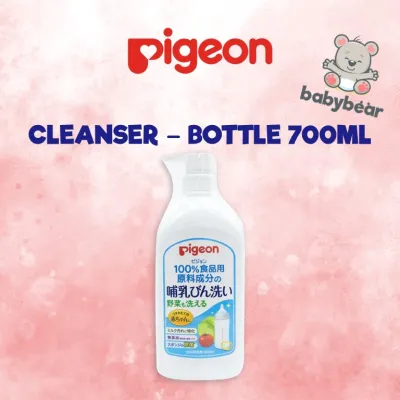
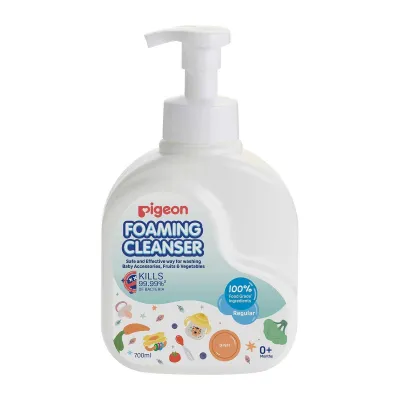
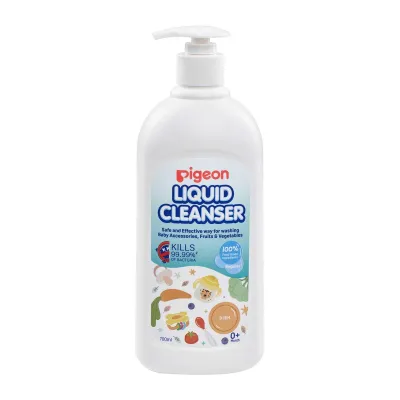
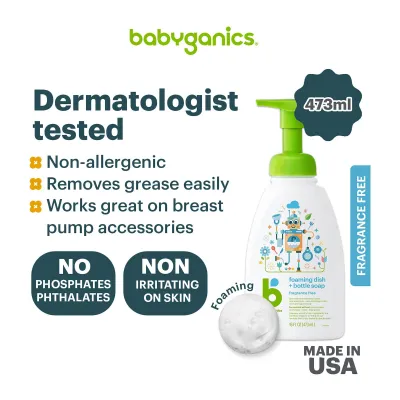
Prices are valid at publication and may change. Please refer to the product page for the latest price.
Polypropylene (PP) bottles, while highly durable and cost-effective, present a different set of cleaning challenges. PP is a semi-porous plastic that is relatively soft, making it highly susceptible to micro-scratches from stiff bottle brushes or abrasive cleaning agents. These micro-scratches are problematic because they create tiny crevices where milk fats can accumulate and bacteria can multiply, even after sterilization. Using a gentle, non-abrasive liquid like Pigeon’s bottle cleanser is crucial for PP bottles. It allows parents to clean the interior surfaces effectively without causing physical wear, thereby extending the usable lifespan of the bottle and maintaining a hygienic surface.
PPSU (Polyphenylsulfone) and Silicone
PPSU is a premium, medical-grade thermoplastic known for its distinct honey-colored tint and high heat resistance. While PPSU can withstand frequent steam, boiling, and UV sterilization, it is still a polymer that can be sensitive to aggressive chemical surfactants. Over hundreds of washes, incompatible chemical agents can cause the plastic to cloud, craze, or structurally weaken. When using Pigeon’s plant-based cleanser on PPSU bottles, it is highly recommended to cross-reference the cleanser’s ingredient list with the bottle manufacturer’s care guidelines. Because compatibility can vary by brand, verifying that your specific PPSU bottle manufacturer approves of mild, plant-derived alkyl polyglucosides will ensure the long-term integrity of your premium bottles.
Silicone is widely used for bottle nipples, anti-colic valves, and straw parts due to its flexibility and breast-like feel. However, silicone is highly hydrophobic and porous, meaning it naturally attracts and retains organic fats and oils from breast milk and formula. This often results in a persistent, sour milk odor that can survive standard washing cycles. While Pigeon’s standard formula is highly effective at removing surface oils, its gentle nature means it may not always fully neutralize deeply embedded odors in older silicone parts. In cases of severe odor retention, parents may need to supplement their routine with specialized enzymatic cleansers that actively break down trapped organic compounds, or utilize safe, traditional soaking methods like a mild baking soda solution, provided it is approved by the silicone component manufacturer.
Pigeon Dish Washing Liquid vs. Alternatives: Key Comparison Dimensions
Cleaning Power and Milk Fat Removal
To evaluate the efficacy of any bottle cleanser, it is essential to understand how its active ingredients target milk residue. Breast milk and infant formula are complex emulsions of proteins, carbohydrates, and lipids (fats). Pigeon’s formula relies primarily on plant-derived surfactants, such as those derived from coconut or palm kernels, which work by lowering the surface tension of water to encapsulate and lift away fat globules. This mechanism is highly effective for fresh milk residues and daily washing routines.

In contrast, some alternative brands available in Singapore feature enzymatic cleaning agents. These formulas contain specific enzymes, such as lipases and proteases, which chemically digest milk fats and proteins rather than just lifting them physically. While plant-based surfactant formulas like Pigeon are incredibly gentle and safe, they may require a slightly longer soaking time or a higher dosage when dealing with dried-on, stubborn milk residues that have sat in a diaper bag or nursery overnight. For parents who wash bottles immediately after feeding, Pigeon’s surfactant-based cleaning power is more than sufficient, but those who prefer to wash bottles in large batches at the end of the day might find the protein-digesting action of enzymatic cleansers highly convenient.
Ingredient Safety and Residue Concerns
For parents of newborns, ingredient safety is non-negotiable. The primary appeal of premium cleansers like Pigeon is their use of food-grade, biodegradable ingredients. Because babies have immature digestive and immune systems, minimizing exposure to synthetic chemical residues is a top priority. Pigeon’s formulation is designed to be highly biodegradable, reducing the environmental impact when washed down municipal drainage systems and ensuring that any microscopic traces left behind are non-toxic.
However, parents should avoid assuming that any label reading “natural” or “plant-based” is automatically free of potential irritants. It is always wise to read the product label carefully to check for specific dermatological testing, hypoallergenic certifications, or the presence of potential allergens. Before introducing any new cleaning agent to your nursery routine, always verify the manufacturer’s recommended age or developmental stage for specific bottle accessories, and check for any active manufacturer warnings or recalls regarding the materials you use. Furthermore, regardless of the brand’s safety claims, the ultimate safeguard against surfactant ingestion is a rigorous rinsing protocol. Even the most natural, food-grade cleanser must be thoroughly flushed from the bottle’s inner surfaces to prevent any digestive upset or alteration of the milk’s taste.
If your child displays any signs of skin irritation, allergic reactions, or digestive distress after feeding, immediately stop using the current cleanser, switch to a hypoallergenic alternative, and consult a qualified medical professional. Caregiver supervision during the washing and preparation process is vital to ensure no chemical concentrates are left within reach of infants or young children.
Scent, Odor Control, and Rinsability
The sensory profile of a bottle cleanser plays a significant role in both user experience and infant acceptance. The Singapore market offers a mix of completely unscented cleansers and those with light, natural fragrances. Pigeon offers both fragrance-free options and variants with a very mild, food-grade scent. While a pleasant, citrusy or floral scent can make the washing chore more enjoyable for parents, it carries the risk of fragrance transfer.
Silicone nipples and plastic bottle walls can easily absorb synthetic or heavy natural fragrances. If a cleanser does not rinse away completely, it can leave behind a soapy taste or scent that is highly noticeable to sensitive infants, sometimes leading to sudden bottle rejection. Pigeon’s formula is specifically engineered for high rinsability, meaning it cuts through grease but releases quickly from surfaces under running water. When comparing this to cheaper, multi-purpose dish soaps or heavily scented alternatives, the superior rinsability of a dedicated baby bottle cleanser like Pigeon becomes a major practical advantage, ensuring that your baby only tastes the milk.
Material-Specific Care and Safety Boundaries
Preventing PPSU Clouding and Silicone Degradation
Maintaining the clarity and structural integrity of high-end PPSU bottles and silicone accessories requires a careful balance of chemical and physical care. Clouding in PPSU bottles is a common frustration for parents, and it is often mistakenly blamed entirely on the dish soap. In reality, clouding is frequently the result of mineral deposits from tap water adhering to the plastic during high-heat sterilization, or a gradual chemical degradation caused by using harsh, alkaline detergents.
To protect these sensitive materials, always cross-reference the cleanser’s label instructions with the bottle manufacturer’s care guide. If the bottle manufacturer explicitly restricts certain surfactant classes, or if their cleaning instructions conflict with the cleanser’s usage directions, you should immediately stop using the product on those items and consult the manufacturer for clarification. Additionally, remember that chemical cleaning is only one variable in the aging process of plastics; the frequency and method of sterilization—whether boiling, steam, or UV light—play a massive role in how quickly PPSU clouds and silicone loses its elasticity.
Proper Washing and Rinsing Techniques
The physical technique used during the washing process is just as critical as the chemical agent you select. To prevent micro-scratches on PP and PPSU bottles, always opt for soft sponge brushes or high-quality silicone bottle brushes. Avoid using stiff nylon bristle brushes, which are highly abrasive and can quickly ruin the smooth interior surfaces of plastic bottles, creating breeding grounds for bacteria. Glass bottles are highly scratch-resistant and can tolerate a wider variety of brushes, but gentle handling is still recommended to prevent accidental chipping.
Begin by rinsing the bottle with warm water immediately after a feeding to prevent milk proteins from drying and adhering to the walls. Apply a small, manufacturer-recommended amount of Pigeon cleanser to your wet brush, and thoroughly scrub all interior surfaces, paying close attention to the bottle neck and thread. For silicone nipples, use a specialized, smaller nipple brush and apply very gentle pressure to avoid tearing or stretching the delicate feeding hole. After scrubbing, rinse every component thoroughly under clean, running water for at least 15 to 20 seconds to ensure all surfactant residue is completely flushed away. Finally, place the disassembled parts on a clean, ventilated drying rack in a well-ventilated area to air-dry completely before sterilization or storage.
Final Verdict: How to Choose the Right Cleanser
Selecting the ideal bottle cleanser for your household does not require finding a single, globally perfect product; instead, it is about matching a trusted formula to your specific bottle inventory and lifestyle needs. Use this conditional decision framework to guide your purchase:
- Choose Pigeon if:
- You primarily use glass or PP bottles and want a highly reliable, widely available, and cost-effective plant-based cleanser for daily use.
- You prefer a trusted brand with a long-standing reputation in Singapore that is easy to purchase at local supermarkets and online marketplaces.
- You value high rinsability and want a gentle formula that minimizes the risk of leaving soapy residues or fragrances on your baby's feeding gear.
- Choose Enzymatic or Alternative Brands if:
- You frequently deal with stubborn, dried-on milk residue due to delayed washing schedules and need the targeted protein-breaking power of enzymes.
- Your silicone nipples and valves have developed a persistent, sour milk odor that standard plant-based surfactants struggle to fully eliminate.
- You require a specialized organic formula with specific international eco-certifications that align with your family's environmental preferences.
- Verify first if:
- Your infant has diagnosed skin sensitivities or allergies, requiring you to check for specific dermatological testing and allergen-free certifications on the cleanser label.
- Your premium PPSU bottle manufacturer's care manual outlines strict limitations on the types of surfactants or chemical agents allowed for washing.
Ultimately, remember that the brand of cleanser you choose is only one part of the hygiene equation. Combining a gentle, safe liquid like Pigeon with the correct non-abrasive brushes, meticulous rinsing under running water, and proper air-drying will ensure your baby’s bottles remain clean, safe, and durable for as long as possible.
Frequently Asked Questions (FAQ)
Can I use regular dish soap instead of a dedicated baby bottle cleanser?
Using standard household dish soap to clean baby bottles is not recommended due to several key formulation differences. Regular dish soaps are designed to tackle heavy grease on adult cookware and often contain harsh synthetic surfactants, strong artificial fragrances, and dyes that are difficult to rinse away completely. Any residue left behind can cause digestive discomfort in infants or lead to bottle rejection due to chemical tastes. Dedicated baby bottle cleansers, like Pigeon, are specifically formulated with food-grade, plant-derived ingredients that target milk fats while rinsing away easily and cleanly without leaving harmful residues.
Why does my PPSU bottle look cloudy after washing?
Cloudiness in PPSU bottles is rarely caused by your bottle cleanser alone. It is typically the result of hard water mineral buildup (such as calcium and magnesium deposits) adhering to the plastic during heat sterilization, or gradual physical and chemical wear from high-temperature steam or UV sterilization cycles. Using an incompatible, highly alkaline detergent can also accelerate this degradation. To prevent clouding, always use a gentle, non-abrasive cleanser, rinse thoroughly with purified or filtered water before sterilization, and strictly adhere to the temperature and sterilization limits specified in your bottle manufacturer’s care guide.

Community discussion
Share your experience or ask a question. Comments are reviewed before publication.