
Choosing the right tool to clean your baby’s bottles is a daily decision that directly impacts feeding hygiene and the lifespan of your nursery gear. While sponge and silicone bottle brushes both aim to remove milk residue, they interact with bottle materials and moisture in fundamentally different ways. Sponge brushes excel at creating a rich lather to lift oily milk residues from glass, whereas silicone brushes offer durable, scratch-free scrubbing that is highly suited for plastic and PPSU bottles. Neither material is universally superior; instead, the right choice aligns with your specific bottle types, washing habits, and drying environment.
Sponge vs Silicone: Core Material Characteristics
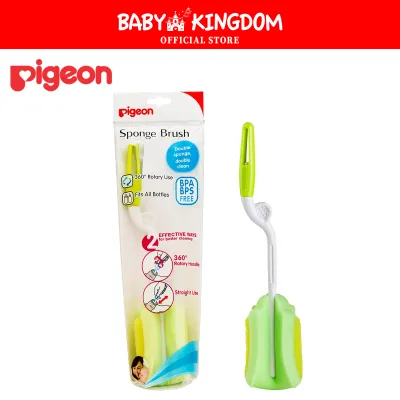
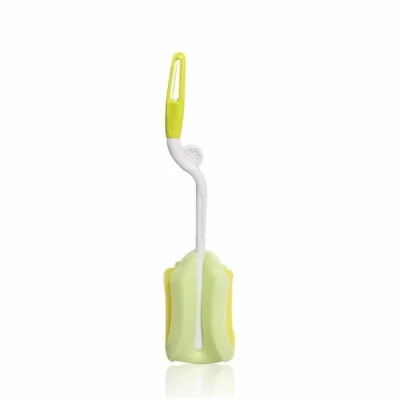
Sponge brush heads typically feature porous, highly compressible polyurethane foam. This structure allows the head to squeeze easily through narrow bottle necks and expand fully once inside, maximizing surface contact with the inner walls. When compressed, the soft foam conforms to the contours of the bottle, making it highly maneuverable.
Silicone brush heads consist of solid, flexible bristles or nubs molded from food-grade silicone. Unlike foam, silicone does not compress significantly, but the individual bristles bend and flex under pressure. This design provides a firmer, more tactile scrubbing sensation against the bottle walls.
Products mentioned in this guide
Prices are valid at publication and may change. Please refer to the product page for the latest price.
The interaction with bottle materials varies. Soft sponge glides smoothly over glass and plastic alike, but its high friction when dry means it requires plenty of soapy water to move freely. Silicone bristles glide easily even with minimal lubrication, offering a gentle touch that reduces the risk of micro-scratches on softer plastic or PPSU (polyphenylsulfone) surfaces.
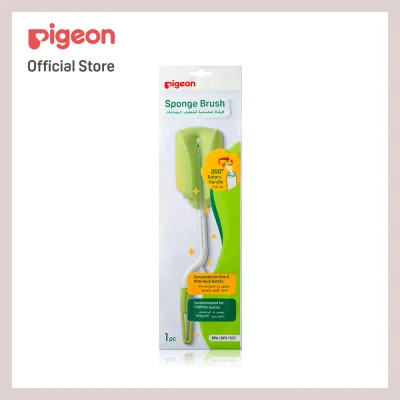
Handle design and grip ergonomics also play a role in how these materials perform. Sponge brushes often feature a rotating handle that allows you to spin the brush head inside the bottle with minimal wrist strain. Silicone brushes typically rely on a straight handle, requiring a more direct up-and-down or twisting motion to clean the bottle walls effectively.
Cleaning Effectiveness: Scrubbing Power and Residue Removal
Sponge brushes are highly absorbent, holding water and dish soap exceptionally well to generate a rich, thick lather. This high lathering capability is highly effective for emulsifying and lifting breast milk fats and formula oils from the bottle surfaces. However, if the sponge is not fully compressed into tight corners, it may glide over stubborn, dried-on residue at the very bottom of the bottle.

Silicone brushes do not absorb water and therefore produce less lather compared to foam. Instead, they rely on the mechanical action of the flexible bristles to dislodge milk particles. The firm nubs are particularly effective at scrubbing the threaded neck of the bottle and scraping away dried formula deposits from the bottom corners.
To determine which works best for your routine, assess the type of milk or formula your baby consumes. Breast milk and certain high-fat formulas can leave a stubborn oily film that benefits from the high-lathering action of a sponge. If you frequently wash bottles immediately after feeding before residues dry, the quick rinsing action of a silicone brush may be more efficient.
Durability and Wear: Lifespan and Replacement Indicators
Sponge brushes are prone to gradual physical degradation over time. Frequent squeezing, twisting, and friction against bottle rims can cause the foam to tear, thin, or lose its original shape. Exposure to high-heat sterilization methods can also accelerate the breakdown of the sponge material, causing it to crumble or detach from the handle.
Silicone brushes are highly resilient and maintain their structural integrity much longer under normal use. The silicone material resists tearing and can withstand higher temperatures without warping. However, they are not indestructible; over time, individual bristles may bend, split, or show signs of permanent deformation.
Rather than relying on a fixed calendar timeline for replacement, caregivers should inspect brush heads regularly before each use. Look for physical damage such as tearing, peeling, or loose parts that could pose a safety hazard. Always refer to the specific replacement indicators and safety warnings provided on your product’s packaging.
Hygiene and Maintenance: Managing Moisture and Bacterial Growth
The porous structure of a sponge brush retains significant moisture, which can create an environment conducive to bacterial growth if not managed properly. After each use, a sponge brush requires thorough rinsing, firm squeezing to remove excess water, and placement in a well-ventilated, dry area. In humid climates like Singapore, ensuring a sponge dries completely between feeds can be a challenge without active ventilation.
Silicone brushes do not absorb water, allowing them to dry much faster than foam. Water easily shakes off the non-porous bristles, significantly reducing the risk of mold and bacterial accumulation. Despite this advantage, silicone brushes still require proper upright storage in a clean holder to prevent environmental contamination from kitchen surfaces.
Evaluate your kitchen drying setup and daily routine before choosing. If your kitchen lacks a dry, airy space for hanging utensils, or if you prefer a low-maintenance tool that rinses clean instantly, silicone offers a more straightforward hygienic routine. If you choose sponge, commit to a disciplined routine of squeezing and air-drying.
Decision Framework: Choosing the Right Brush for Your Routine
A sponge bottle brush is highly suitable if you prioritize rich lathering for quick grease removal, primarily use glass bottles, and have a reliable, well-ventilated drying setup. The soft foam ensures complete surface contact and rapid emulsification of milk fats, provided you replace the brush head at the first sign of wear.
A silicone bottle brush is the preferred choice if you want a longer-lasting tool, use PPSU or plastic bottles that are prone to scratching, and prefer a fast-drying, low-maintenance hygienic routine. The durable bristles provide targeted scrubbing power for threads and corners without harboring moisture.
Before making your final decision, verify the specific care instructions for your baby bottles. Some bottle manufacturers explicitly recommend or discourage certain brush materials to prevent premature wear or cloudiness of the bottle material. Always align your brush choice with the official guidelines of your feeding equipment.
Frequently Asked Questions (FAQ)
Can I use the same brush for both glass and plastic baby bottles?
Yes, but you must exercise caution regarding how the brush material interacts with different bottle surfaces. Glass bottles are highly scratch-resistant and can handle both sponge and silicone brushes easily. Plastic and PPSU bottles are softer and more susceptible to micro-scratches, which can harbor bacteria over time. While both brush types can be used, ensure the bristles or foam are clean and free of debris, and always check your bottle manufacturer’s care instructions for specific compatibility.
How should I sterilize a sponge bottle brush without damaging it?
Sterilizing a sponge brush requires careful attention to the manufacturer’s heat limits, as high temperatures can degrade polyurethane foam. Do not microwave or boil a sponge brush unless the packaging explicitly states it is safe to do so. Instead, wash the brush thoroughly with warm soapy water, rinse it completely, and allow it to air-dry in a clean, well-ventilated area. Always check the product packaging for approved sanitization methods.
Is it necessary to use a separate brush for the bottle nipples?
Yes, using a dedicated, smaller nipple brush is highly recommended to protect delicate silicone or latex nipples from damage. Standard bottle brushes are too large to fit into the narrow tip of a nipple, and forcing them inside can stretch, tear, or puncture the feeding hole. Check if your bottle brush set includes a specialized nipple cleaning tool, and inspect the nipple regularly for any signs of wear or tearing before feeding.

Community discussion
Share your experience or ask a question. Comments are reviewed before publication.