
Choosing between a silicone and a sponge bottle brush is not about finding a universally superior tool, but rather about matching the brush material to your specific baby bottles, household drying setup, and daily cleaning habits.
While silicone brushes offer a non-porous, quick-drying design that gently sweeps away residue without scratching delicate surfaces, sponge brushes excel at creating a rich, dense lather that lifts stubborn, dried-on milk fats from hard-to-reach corners.
Understanding how these materials interact with different bottle types—such as glass, polyphenylsulfone (PPSU), or standard plastics—allows you to maintain a high standard of hygiene while preserving the lifespan of your feeding equipment.
Products mentioned in this guide
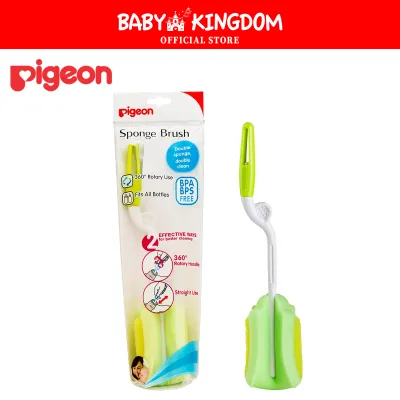
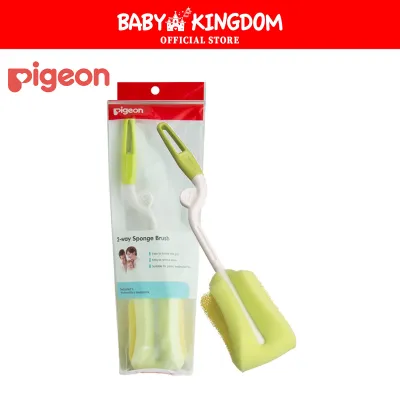
Prices are valid at publication and may change. Please refer to the product page for the latest price.
Cleaning Effectiveness: Scrubbing Power vs. Lather
The physical interaction between the brush head and the bottle surface determines how effectively you can remove milk film without causing microscopic damage.
Silicone bristles are inherently flexible and smooth, providing a gentle scrubbing action that is highly suited for softer plastic materials, including PPSU and polypropylene (PP).
Because silicone does not absorb water or soap, it relies on direct mechanical friction to sweep away residue. This low-abrasion contact is excellent for preventing micro-scratches, which are notorious for harboring bacteria and causing clear bottles to look cloudy over time.
However, because silicone does not generate a thick lather easily, you may find yourself using slightly more liquid cleanser or requiring more deliberate strokes to ensure complete coverage.
In contrast, sponge brush heads are highly porous and absorbent, allowing them to hold a significant amount of water and baby bottle cleanser.
This high absorption capacity creates a rich, dense lather that easily dissolves stubborn milk fats and dried-on formula residue.
The soft, compressible nature of a sponge allows it to mold perfectly to the contours of the bottle, including the tricky curved shoulders and the tight corners of the base.
This makes sponge brushes highly efficient at lifting film with minimal physical effort. However, the high friction of dry or semi-wet sponge against plastic can sometimes lead to minor surface wear if not lubricated with enough soapy water.
To keep your bottles in optimal condition, it is helpful to establish a regular visual inspection routine. Hold your washed and dried bottles up to a strong, direct light source to check the interior surfaces.
Look closely for any fine, spiderweb-like micro-scratches or a general loss of clarity, often referred to as cloudiness. If you notice these signs on your plastic or PPSU bottles, it may indicate that your current cleaning tool or technique is too abrasive, and switching to a gentler silicone brush could help preserve the remaining bottles.
Durability and Lifespan: Wear, Tear, and Replacement
Every bottle brush degrades over time through regular exposure to water, friction, and cleaning agents, making it essential to recognize the physical signs of wear.

Silicone brushes are generally known for their structural resilience, but they are not indestructible.
Over months of daily use, you should inspect the silicone head for any tearing at the base of the bristles, bent or misshapen tips, or a general loss of structural integrity where the head connects to the handle.
If bristles begin to break off or split, the brush can no longer clean effectively and should be retired immediately to prevent loose pieces from lingering in the bottles.
Sponge brushes exhibit much more visible and rapid signs of physical degradation due to the delicate nature of polyurethane foam.
As a sponge brush ages, the material will begin to flake, thin out, or lose its springy elasticity, making it difficult to apply even pressure inside the bottle.
You might also notice persistent discoloration or sour odors that remain even after a thorough rinse, which indicates that organic matter has become deeply embedded in the pores.
Once a sponge begins to crumble or show signs of structural breakdown, its cleaning efficiency drops significantly, and it can leave tiny foam particles behind.
Rather than relying solely on arbitrary calendar timelines, your primary trigger for replacing any bottle brush should be these observable physical changes.
Always consult the manufacturer’s packaging guidelines for specific recommendations, as different product designs may have varying lifespans under daily use. Regularly checking the physical state of your brush ensures that you are never washing your baby’s feeding equipment with a compromised tool that could harbor bacteria or fail to clean thoroughly.
Hygiene and Maintenance: Drying Time and Sanitization
The environment in which you store and dry your bottle brush plays a critical role in preventing bacterial proliferation.
Silicone is naturally non-porous and hydrophobic, meaning it does not absorb water.
After cleaning, a simple shake is usually enough to remove the vast majority of moisture from the bristles, allowing the brush to dry completely in a fraction of the time required by other materials.
This rapid drying capability makes silicone highly resilient against mold and mildew, especially in humid household environments where standing water evaporates slowly.
Sponge brushes, by design, retain a significant amount of water within their porous structures.
This high moisture retention means that if a sponge brush is left in a poorly ventilated area or a damp sink basin, it can remain wet for hours, creating an ideal breeding ground for bacteria and mold.
To maintain hygiene, a sponge brush must be thoroughly squeezed out after every use and placed in a highly ventilated, dry location.
If your kitchen lacks good airflow or experiences high humidity, managing the drying time of a sponge brush requires constant, active attention.
Before attempting to sanitize any bottle brush, you must verify its specific heat tolerance by checking the product label or manufacturer instructions.
Some silicone brushes can withstand high temperatures, making them compatible with boiling water, steam sterilizers, or UV sterilizers, while others may have plastic handles that warp under extreme heat.
Sponge brushes are generally highly sensitive to heat and should never be subjected to boiling or steam sterilization unless explicitly stated by the manufacturer, as high temperatures can melt or degrade the foam.
For safe storage, always keep your brushes elevated—ideally in a dedicated drying rack or hung by the handle loop—so that air can circulate freely around the brush head.
Decision Framework: Choosing the Right Pigeon Brush for Your Routine
Selecting the ideal brush comes down to aligning the material characteristics with your specific bottle collection and daily workflow.
You should lean toward a silicone brush if your feeding setup consists primarily of PPSU or plastic bottles, as the gentle bristles will protect these softer surfaces from scratching.
Silicone is also the ideal choice if you prioritize a low-maintenance, fast-drying tool that resists odor buildup and can easily adapt to humid drying environments without requiring constant squeezing.
On the other hand, a sponge brush is highly suitable if you primarily use glass baby bottles, which are highly scratch-resistant and benefit from the rich, soapy lather that sponge provides to cut through stubborn milk fats.
A sponge brush is also excellent if you prefer a highly efficient clean with minimal scrubbing effort, provided you have a well-ventilated drying area where the sponge can dry completely between uses.
Before making your final decision, always verify the sterilization compatibility of your chosen brush if you plan to run it through high-heat cycles.
If you maintain a mixed collection of both glass and plastic bottles, you might even consider keeping both brush types on hand—using the sponge for glass and the silicone for plastic—to optimize your cleaning routine and ensure the longevity of all your feeding gear.
Frequently Asked Questions (FAQ)
Can I use a silicone brush on glass baby bottles?
Yes, you can use a silicone brush on glass baby bottles, but you may need to adjust your cleaning technique.
Because glass has a very smooth, hard surface, silicone bristles may slide over it with less friction than they would on plastic, requiring slightly more physical pressure to scrub away stubborn, dried-on milk film.
It is important to ensure you apply adequate pressure and use a high-quality baby bottle cleanser to help break down milk fats.
Always check the manufacturer’s instructions to confirm that your specific silicone brush model is recommended for use on glass surfaces.
How often should I replace my Pigeon bottle brush?
You should determine when to replace your bottle brush by closely monitoring it for physical wear rather than relying strictly on a set calendar date.
For sponge brushes, look for signs of flaking, tearing, thinning, or persistent odors, which typically occur every few weeks to a couple of months depending on usage frequency.
Silicone brushes generally last longer, but they should still be replaced immediately if you notice split bristles, tearing at the base, or a loose brush head.
Always consult the specific product packaging for the manufacturer’s recommended lifespan and safety guidelines.

Community discussion
Share your experience or ask a question. Comments are reviewed before publication.