
Finding the right baby bottle cleanser is a balancing act between achieving pristine hygiene and preserving the structural integrity of your feeding equipment. While many parents look for a definitive “best” product, the reality is that no single cleanser can be declared a universal winner without independent laboratory testing across every possible bottle material. Instead, choosing between a market staple like Pigeon Liquid Cleanser and its competitors requires a systematic look at ingredient formulations, material compatibility, and dilution efficiency.
By learning how to read ingredient labels and understand how different surfactants interact with milk fats, you can select a formula tailored to your specific bottles. This guide provides a practical framework to compare these products, helping you protect your baby from stubborn milk residues while extending the lifespan of your bottles.
Core Cleaning Ingredients and Milk Residue Breakdown
Milk residue is a complex mixture of proteins, lipids, and carbohydrates that clings tenaciously to plastic and glass surfaces. To break down these stubborn components, bottle cleansers rely on surfactants, which lower the surface tension of water and allow it to bind with oils. When comparing Pigeon liquid cleanser to alternative brands, your first step should be examining the active surfactants listed on the packaging.
Products mentioned in this guide
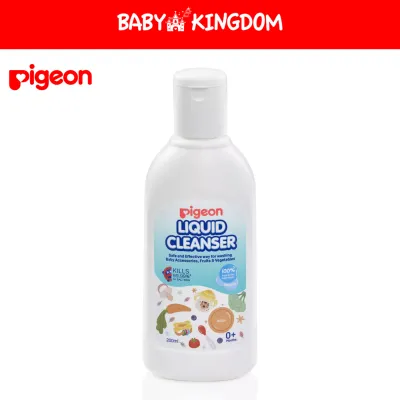
![Pigeon Liquid Cleanser Bundle [700ml+ 1/2/3 refills]](https://img.lazcdn.com/g/p/f084c2eb91dae893848b0c027fa27d0d.png_400x400q80.png_.webp)
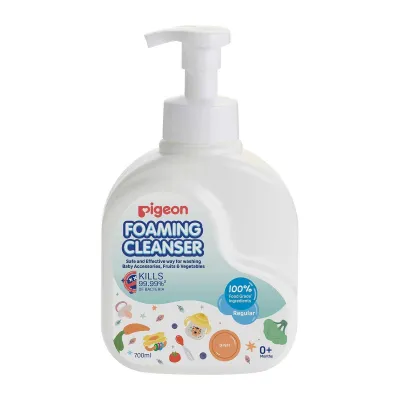
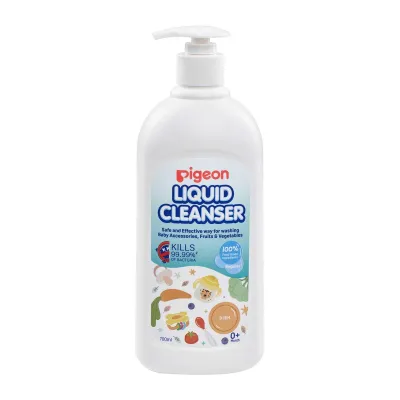
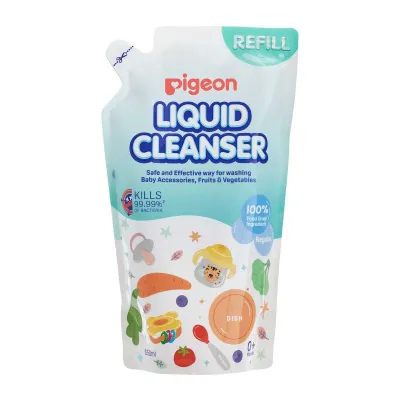
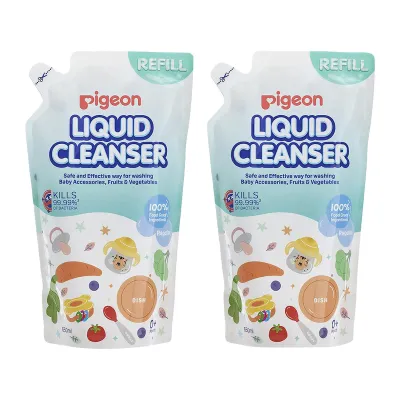
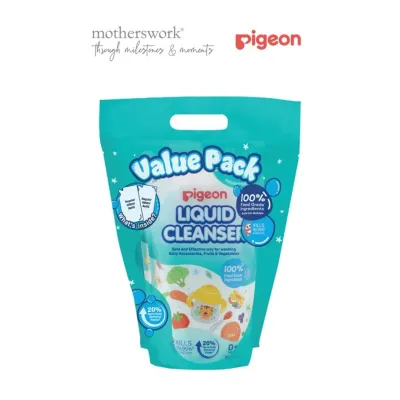
Prices are valid at publication and may change. Please refer to the product page for the latest price.
Look for plant-derived surfactants, such as decyl glucoside, lauryl glucoside, or coco glucoside, which are commonly derived from coconut or corn. These biodegradable agents are highly effective at emulsifying milk fats while remaining gentle on hands and bottle materials. Some specialized competitor formulas also incorporate enzymes, such as proteases or amylases, which specifically target and break down milk proteins and starches. If your baby is on a high-protein formula that leaves a stubborn white film, an enzyme-enriched cleanser might offer a distinct advantage over standard surfactant-only formulas.
The pH level of the cleanser is another critical factor for both material safety and skin protection. Ideally, you should verify that the product claims to be pH-neutral or slightly acidic, matching the natural pH of skin and preventing the accelerated degradation of plastic polymers. Highly alkaline cleansers can strip away protective coatings on bottles and cause skin irritation for the caregiver during hand-washing.
Finally, compare the concentration levels of the liquid. A highly concentrated formula may require only a few drops diluted in water to create an effective cleaning solution, whereas a pre-diluted foaming cleanser might be used up much faster. Always check the manufacturer’s recommended dilution ratio printed on the back label to understand how much active cleaning agent you are actually getting per bottle.
Material Compatibility and Long-Term Bottle Safety
Baby bottles are manufactured from a variety of materials, including borosilicate glass, polyphenylsulfone (PPSU), polyethersulfone (PES), and food-grade silicone. Each of these materials responds differently to chemical exposure and physical scrubbing over time. To prevent premature degradation, you must cross-reference the cleanser’s ingredient list with the care instructions provided by your bottle manufacturer.

PPSU and PES are high-performance plastics valued for their heat resistance and durability, but they are still susceptible to chemical stress cracking and surface clouding if exposed to harsh chemicals. When evaluating a cleanser, check the label to ensure it is explicitly rated safe for PPSU and PES. Avoid any cleansers that contain strong synthetic solvents, artificial colorants, or harsh chemical preservatives, as these can slowly penetrate the plastic matrix, leading to a hazy, yellowed, or brittle bottle.
Glass bottles are highly resistant to chemical degradation but can suffer from micro-scratches if washed with abrasive cleansers or stiff-bristled brushes. Ensure your chosen liquid cleanser is completely free of micro-abrasives or suspended particles that could scratch the glass surface, as these tiny crevices can become breeding grounds for bacteria.
Silicone components, such as bottle nipples and anti-colic valves, are highly porous and prone to absorbing oils and strong fragrances. If a cleanser contains heavy synthetic perfumes, these scents can linger in the silicone long after rinsing, potentially causing your baby to reject the bottle. Look for fragrance-free or naturally scented formulas, and verify that the cleanser does not contain ingredients that can degrade silicone, such as certain essential oils or strong acids.
Rinsability and Residue-Free Verification
A cleanser’s primary job is to lift away milk residue, but it must also wash away completely without leaving its own chemical film behind. Verifying the rinsability of your bottle cleanser is essential to ensure your baby does not ingest trace amounts of surfactants. You can perform simple visual and tactile checks at home to evaluate how cleanly a product rinses.
After washing and rinsing a bottle thoroughly under running water, run a clean finger along the inner walls of the bottle and the silicone nipple. If the surface feels slippery or slimy, a soapy residue remains, indicating that the cleanser has not rinsed clean or that the dilution was too strong. A properly rinsed bottle should feel squeaky clean to the touch, with water sheeting off the sides evenly rather than forming droplets around greasy patches.
Local water conditions can significantly influence how a cleanser performs. In areas with varying water hardness, such as different regions of Singapore, the mineral content in the tap water can affect both lathering and rinsing. Hard water can react with certain surfactants, reducing their foaming ability and making them harder to rinse away cleanly. If you notice a persistent film or excessive bubbles that are difficult to wash out, you may need to adjust your dilution ratio, using slightly less cleanser or switching to a formula optimized for clean rinsing in local tap water.
To prevent over-soaping and ensure optimal rinsability, always follow the manufacturer’s exact dilution instructions. Using more soap than recommended does not result in cleaner bottles; instead, it creates excess suds that require more water and time to rinse away, increasing the risk of chemical carryover.
Cost per Wash and Value Comparison
While safety and efficacy are paramount, the ongoing cost of baby bottle cleanser is a practical consideration for any household. Comparing the value of Pigeon liquid cleanser against its competitors requires looking beyond the initial retail price on the shelf. Instead, you should calculate the cost per wash based on the product’s concentration and recommended usage.
To find the true cost, divide the retail price in S$ by the total volume of the bottle, and then factor in the dilution ratio. For example, if a cleanser recommends diluting 2.5 ml of liquid per liter of water, a 700 ml bottle will yield 280 wash cycles. A cheaper, less concentrated competitor might require 5 ml per wash, meaning you will go through the bottle twice as fast, ultimately making it the more expensive option over time.
Another excellent way to maximize value is to look for eco-friendly refill pouches, which are widely available on e-commerce platforms. Purchasing a sturdy pump bottle once and then replenishing it with refill pouches can significantly reduce your plastic waste and lower your cost per milliliter. Many brands offer bulk refill packs that provide substantial savings compared to buying new pump bottles.
Keep in mind that a higher upfront cost for a premium or highly concentrated cleanser can be economically justified if the formula requires significantly less product per wash. By calculating your monthly usage patterns, you can make a financially sound decision that does not compromise on cleaning performance.
Decision Framework: Choosing the Right Cleanser
Selecting the ideal bottle cleanser depends on your specific household needs, bottle materials, and washing habits. If your priority is a widely available, plant-based formula backed by decades of established brand trust, Pigeon liquid cleanser is an excellent choice for daily use. Its mild formulation is highly accessible and reliable for standard glass and plastic bottles.
On the other hand, you might want to choose alternative brands if you are dealing with stubborn formula stains that require specialized enzymatic action, or if you prefer completely scent-free options to prevent silicone nipples from absorbing fragrances. Some niche brands specialize in ultra-concentrated formulas that are ideal for families looking to minimize packaging waste and maximize storage space.
Before making your final choice, always verify if you are using specialized, medical-grade, or highly sensitive bottle materials. Some advanced feeding systems feature intricate valves or unique plastic blends that require strict adherence to specific manufacturer cleaning protocols. In these cases, matching the cleanser to the bottle manufacturer’s explicit recommendations is the safest path to ensure long-term durability and safety.
Frequently Asked Questions (FAQ)
Can I use regular dish soap instead of a dedicated baby bottle cleanser?
Regular dish soaps are formulated to tackle heavy grease on adult cookware and often contain strong synthetic fragrances, artificial colorants, and harsh degreasing agents. These ingredients can leave a persistent chemical residue on porous silicone nipples and plastic bottles, which your baby may subsequently ingest. Baby-specific bottle cleansers are formulated with food-grade, plant-derived ingredients designed to rinse away much more easily, ensuring no harmful chemical traces remain on feeding equipment.
How often should I sterilize bottles if I use a high-quality liquid cleanser?
It is important to distinguish between cleaning and sterilizing. A high-quality liquid cleanser is designed to remove physical milk residue, fats, and proteins, but it does not kill all harmful pathogens. You should follow pediatric guidelines regarding sterilization frequency, which often recommend sterilizing bottles daily for newborns or infants with compromised immune systems. While a thorough wash with a reliable cleanser is the essential first step to remove the organic matter that bacteria feed on, it does not replace the need for thermal or chemical sterilization steps.

Community discussion
Share your experience or ask a question. Comments are reviewed before publication.