
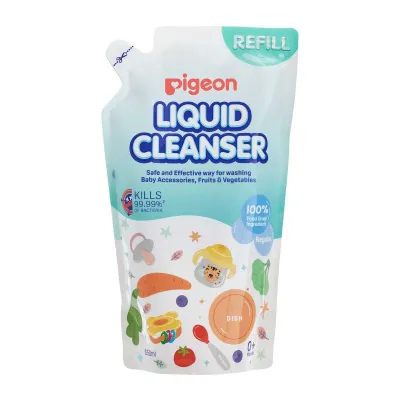
Cleaning baby bottles thoroughly is a fundamental part of daily infant care, and choosing the right cleaning agent is crucial for maintaining both hygiene and material integrity. When using a specialized formula like the Pigeon liquid cleanser, especially when purchasing a pigeon liquid cleanser refill to top up your existing dispensers, understanding its ingredients and how they interact with different bottle materials is essential. This cleanser is generally designed to target milk fat and proteins, but its safety and compatibility with glass, polypropylene (PP), polyphenylsulfone (PPSU), and silicone depend heavily on proper dilution, thorough rinsing, and regular material inspections. By verifying the ingredient list on your specific packaging and matching it with the care guidelines provided by your bottle manufacturer, you can ensure a clean and safe feeding setup for your baby.
Identifying Ingredients in Pigeon Liquid Cleanser
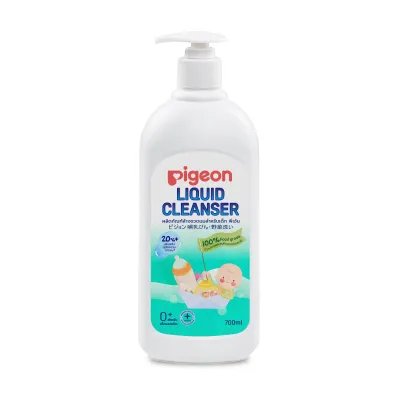
To understand what goes into your baby’s bottle cleanser, you must first know where to locate and how to interpret the ingredient list. For those using a pigeon liquid cleanser refill, the complete list of ingredients is typically printed on the back of the refill pouch or the original pump bottle. Because formulations can vary slightly depending on the region of purchase or product updates, checking the physical packaging in your hands is always the most reliable method. If the text on the packaging is difficult to read, the manufacturer’s official regional website often hosts downloadable safety data sheets or detailed product specifications.
When reviewing the ingredient list, you will generally find that baby bottle cleansers are categorized by functional components rather than complex chemical names alone. The primary active agents are surfactants, which are responsible for breaking down stubborn milk fats and proteins that water alone cannot remove. Many baby-specific cleansers utilize plant-derived surfactants, such as those derived from coconut or palm, to provide a gentler cleaning action compared to standard household dish soaps. Additionally, the formula may contain water softeners, pH adjusters to maintain a neutral or slightly acidic balance, and preservatives to prevent bacterial growth within the bottle or refill pouch.
Products mentioned in this guide
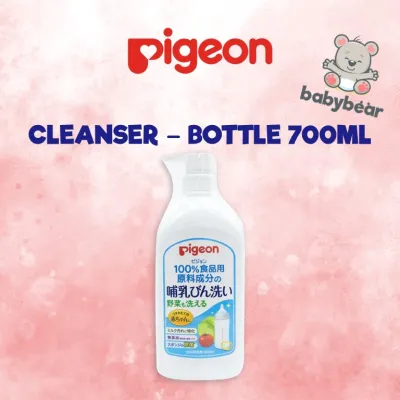
Prices are valid at publication and may change. Please refer to the product page for the latest price.
Many manufacturers highlight marketing claims on their packaging, such as “food-grade ingredients,” “plant-based formula,” or “fragrance-free.” While these terms suggest a milder formulation, it is important to understand their limitations. “Food-grade” typically means the individual ingredients are cleared for contact with food-preparation surfaces, but it does not mean the concentrated cleanser is safe for ingestion. Similarly, “plant-based” does not automatically guarantee a product is hypoallergenic. Always cross-reference these claims with the actual ingredient list to check for any specific components your family prefers to avoid, and ensure you follow the manufacturer’s instructions for safe handling.
Verifying Cleanser Safety Across Bottle Materials
Different baby bottles require distinct care protocols based on the physical and chemical properties of their materials. Before introducing any new cleaning agent to your routine, always consult the official care and cleaning instructions provided by your bottle’s manufacturer. Some brands specify compatibility with certain types of surfactants or warn against specific chemical exposures that could accelerate material wear.

In addition to reading the manufacturer’s guidelines, performing a regular visual and tactile inspection of your bottles after washing is a practical way to verify safety. Once the bottles are completely dry, feel the inner surfaces for any sticky residue, film, or unusual texture. Look closely under direct light to ensure there are no cloudy patches or lingering odors. If a bottle consistently retains a soapy smell or a slippery film after washing, it may indicate that the cleanser is not rinsing clean or that the material itself has begun to degrade.
Glass and Silicone Bottles
Glass and silicone are highly favored in infant feeding due to their excellent thermal stability and non-porous surfaces. Glass bottles are generally highly resistant to chemical interactions, meaning they do not easily absorb odors or degrade when exposed to standard baby bottle cleansers. However, because glass is heavy and fragile, you must inspect it regularly for micro-chips, hairline cracks, or internal scratches. These physical defects can trap microscopic milk particles and cleanser residue, creating a breeding ground for bacteria and compromising the safety of the bottle.
Silicone, commonly used for nipples, valves, and some bottle sleeves, is highly flexible but can be prone to absorbing oils and odors over time. When washing silicone components, check them regularly for signs of swelling, stickiness, or a persistent cloudy appearance. Repeated exposure to hot water and surfactants can eventually cause silicone to lose its elasticity or develop a tacky texture. If you notice that a silicone nipple has become sticky to the touch, stretched out, or retains a strong soapy or sour milk odor despite thorough rinsing, it is time to replace it.
PP and PPSU Plastic Bottles
Polypropylene (PP) and polyphenylsulfone (PPSU) are lightweight, shatterproof plastics widely used for baby bottles, but they require more careful monitoring than glass. PP bottles are typically semi-translucent and have a lower temperature tolerance, making them more susceptible to scratching and heat degradation over time. PPSU bottles, often recognizable by their natural honey-colored tint, offer higher durability and heat resistance, but they are still subject to physical wear from daily scrubbing and chemical exposure.
When cleaning plastic bottles, monitor them closely for signs of material fatigue, such as persistent cloudiness, micro-scratches, or distinct color changes. Micro-scratches are particularly problematic because they create tiny crevices where milk proteins and surfactant molecules can become trapped, making thorough rinsing difficult. To prevent accelerated degradation, always verify the maximum temperature limits specified by the bottle manufacturer for both washing and sterilization. Exceeding these temperature thresholds while using a surfactant can weaken the plastic structure, leading to faster wear and potential chemical leaching.
Safe Washing and Rinsing Practices
To achieve the best cleaning results while protecting your baby’s feeding equipment, establishing a consistent and safe washing routine is essential. The first step is to use the correct dilution ratio as specified on the pigeon liquid cleanser refill or bottle packaging. Many parents make the mistake of applying concentrated cleanser directly onto a bottle brush or nipple. Using too much concentrated product makes rinsing significantly more difficult and increases the risk of leaving chemical residues behind. Instead, dilute the recommended amount of cleanser in a basin of warm water before soaking or scrubbing the bottles.
The choice of cleaning tools also plays a major role in preserving the lifespan of your bottles. For plastic bottles made of PP or PPSU, avoid using stiff nylon bristle brushes, which can easily create micro-scratches on the soft inner walls. Instead, opt for soft sponge brushes or silicone bottle brushes designed specifically for delicate surfaces. Glass bottles can tolerate stiffer bristles, but a gentle touch is still recommended to prevent accidental chipping around the rim or threads. Always use a dedicated, smaller nipple brush to clean the delicate silicone teats without stretching or tearing the feeding holes.
Rinsing is perhaps the most critical step in the cleaning process. After scrubbing, rinse every bottle, nipple, and collar thoroughly under clean, warm running water. Do not simply submerge them in a basin of standing water, as this can re-deposit loosened milk fats and dissolved cleanser back onto the surfaces. Continue rinsing until the water runs completely clear, there are no visible bubbles, and the surfaces feel squeaky clean to the touch rather than slippery. Once rinsed, place all components on a clean, dedicated drying rack in a well-ventilated area to air dry completely before sterilization or assembly.
When to Stop Using a Cleanser or Replace a Bottle
Knowing when to retire feeding equipment or switch products is vital for your baby’s health and safety. Bottles do not last indefinitely, and physical signs of wear are clear indicators that a replacement is necessary. You should replace any plastic bottle immediately if you observe deep scratches, persistent cloudiness that does not clear after washing, a sticky internal texture, or a permanent sour milk odor. For glass bottles, any sign of a chip, crack, or internal star-fracture means the bottle must be discarded immediately to prevent glass particles from entering the milk or injuring the caregiver.
Similarly, there are specific conditions under which you should re-evaluate or stop using a particular liquid cleanser. If the caregiver experiences persistent skin irritation, dryness, or redness on their hands after washing bottles, this may indicate a sensitivity to the surfactants or preservatives in the formula. Additionally, if you notice an unexpected white film, soapy residue, or persistent chemical scent on the bottles even after executing a thorough rinsing protocol, discontinue use of that batch and verify if the dilution ratio was correct or if the product has expired.
While maintaining clean bottles is essential, your baby’s physical response is the ultimate indicator of safety. If your baby shows sudden signs of digestive discomfort, unusual fussiness during or after feedings, or unexplained allergic reactions such as skin rashes, consult a pediatrician or qualified healthcare professional immediately. Bring the packaging of both the bottles and the cleanser you are using to the consultation, as this information can help the professional identify any potential environmental triggers or sensitivities.
Frequently Asked Questions (FAQ)
Can I use Pigeon liquid cleanser to wash baby toys and pacifiers?
Yes, but you must first verify the specific usage instructions on your product packaging. Many liquid cleansers are formulated as multi-purpose washes suitable for pacifiers, teething toys, and even fruits or vegetables. However, because toys and pacifiers have complex shapes, crevices, and textured surfaces, they can easily trap soapy water. Always rinse these items extensively under running water and allow them to dry completely before returning them to your baby.
Does the cleanser refill have the same ingredients as the original pump bottle?
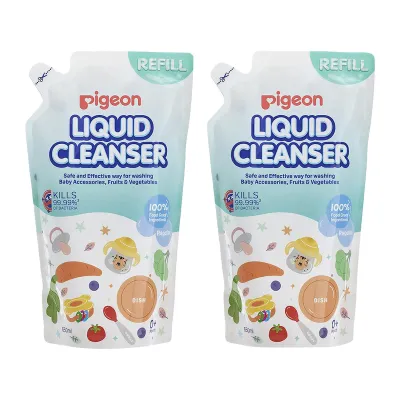
Generally, manufacturers design the refill pouches to contain the exact same liquid formula as the original pump bottles to ensure product consistency. However, because manufacturers may update their formulations or source ingredients differently over time, the only way to be certain is to compare the ingredient lists printed on both the original bottle and the refill pouch. If you notice any discrepancies in the ingredient names or warnings, contact the manufacturer’s customer service for clarification before mixing the products.

Community discussion
Share your experience or ask a question. Comments are reviewed before publication.