
Safe bottle cleanser ingredients for glass, silicone, and PPSU bottles are mild, plant-based surfactants and natural enzymes that break down milk fats and proteins without leaving chemical residues or damaging the container. While glass is highly resilient and tolerates most mild cleaning agents, porous silicone and high-performance polyphenylsulfone (PPSU) require gentle, fragrance-free, and non-abrasive formulations to prevent chemical absorption, surface degradation, or micro-scratches.
Selecting the right cleaning formula involves matching the specific material properties of your baby bottles with compatible, residue-free ingredients. Because infants have developing immune and digestive systems, ensuring that feeding equipment is thoroughly cleaned without being exposed to harsh chemical residues is a primary caregiving priority.
Understanding Baby Bottle Materials and Cleanser Compatibility
Baby bottles are manufactured from several distinct materials, each possessing unique physical properties that dictate how they interact with cleaning chemicals and heat. Understanding these differences is the first step in establishing a safe and effective sanitization routine that preserves the lifespan of your feeding gear.
Products mentioned in this guide
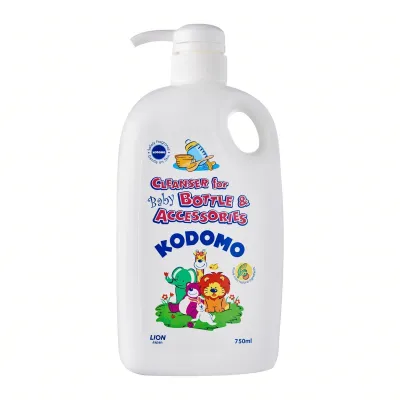
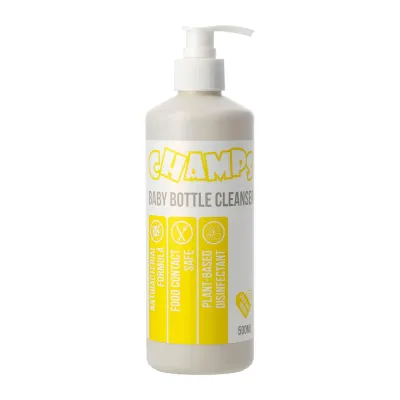
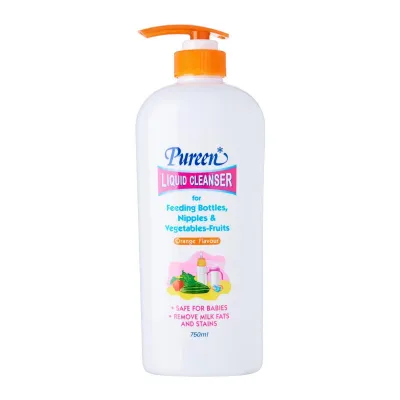
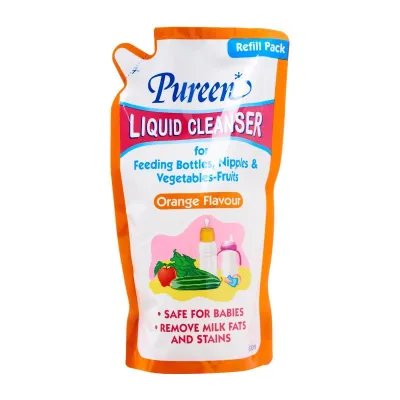
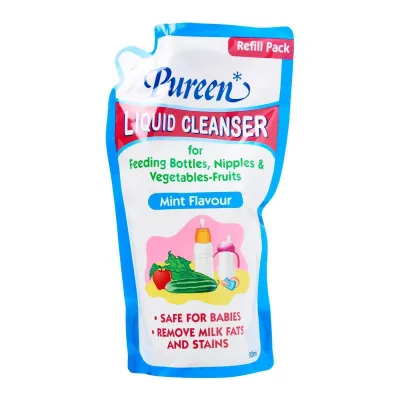
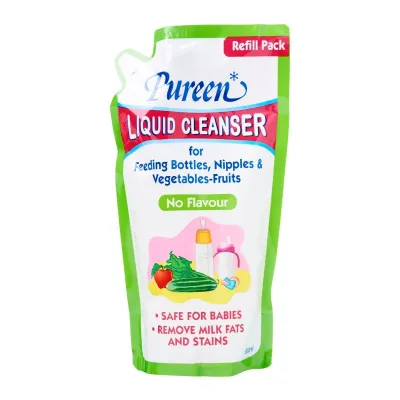
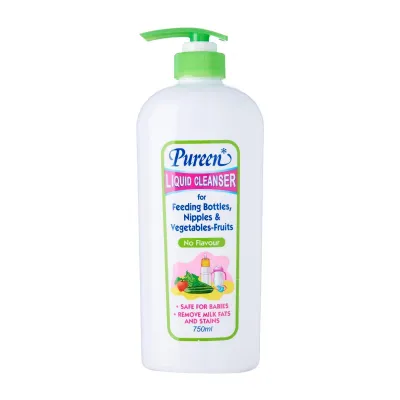
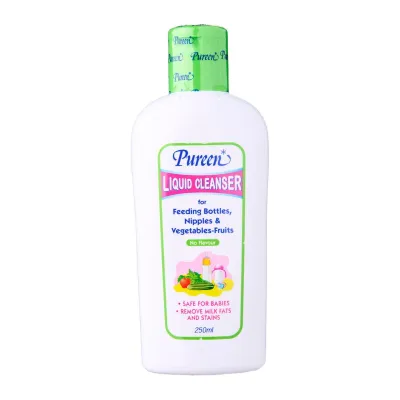
Prices are valid at publication and may change. Please refer to the product page for the latest price.
Glass is a traditional and highly favored material due to its complete chemical inertness. It does not react with acidic or alkaline substances, nor does it absorb odors, colors, or chemical residues from detergents. This high tolerance makes glass compatible with almost all mild cleaning formulations, though the material remains vulnerable to physical breakage and sudden temperature changes.
Silicone is widely used for bottle nipples, valves, and flexible bottle bodies due to its soft, pliable texture. However, silicone is inherently porous at a microscopic level, meaning it can easily absorb synthetic fragrances, dyes, and chemical residues from harsh soaps. Over time, this absorption can lead to persistent odors or a sticky buildup that is difficult to remove.
PPSU (polyphenylsulfone) is a medical-grade plastic known for its extreme durability, high heat resistance, and natural honey-colored tint. While PPSU can withstand repeated sterilization cycles, it is sensitive to highly alkaline solutions and strong chemical solvents. Exposure to incompatible chemicals can cause the plastic to weaken, lose its clarity, or degrade prematurely.
To identify the exact materials used in your feeding equipment, look for material identification marks molded into the base of the bottles or printed on the original packaging. Common markings include “PPSU,” “PP” (polypropylene), or specific recycling symbols that help you cross-reference compatibility guidelines.
Ingredients to Look for in Safe Bottle Cleansers
When evaluating bottle cleansers, reading the ingredient label is essential to ensure the formula is both effective at removing milk residues and gentle on the bottle materials. Look for formulations that prioritize simple, biodegradable, and food-grade components.

Plant-based surfactants are the primary cleaning agents to look for on a label. Ingredients derived from natural sources, such as coconut-derived glucosides (including coco-glucoside, decyl glucoside, and lauryl glucoside), gently lift milk fats and oils from the bottle surface. These surfactants rinse away easily without leaving a greasy film or degrading plastic and silicone parts.
Natural enzymes are highly beneficial additions to any bottle wash. Enzymes like proteases target and break down stubborn milk proteins, while lipases specifically decompose milk fats. Because enzymes target organic matter directly, they allow for highly effective cleaning without the need for harsh scrubbing or aggressive chemical action.
Fragrance-free and dye-free formulations are critical, particularly for porous silicone components. Cleansers that omit synthetic perfumes and artificial colorants prevent the transfer of unwanted scents and chemicals to the bottle, ensuring that your baby’s milk is not contaminated by lingering soap fragrances.
When shopping, look for products that highlight third-party safety certifications or dermatological testing claims on their packaging. Because these claims can vary, always verify the certifications against official manufacturer databases or independent safety standards to confirm their validity.
Ingredients to Avoid or Use with Caution
Certain common household cleaning agents can damage baby bottle materials, compromise hygiene, or leave residues that are difficult to rinse away. Identifying and avoiding these ingredients protects both your investment in feeding gear and your baby’s health.
Strong alkalis, such as high-concentration sodium hydroxide, should be avoided. While highly effective at cutting heavy grease on adult cookware, strong alkaline solutions can cause PPSU and silicone to degrade over time. This chemical stress can lead to material brittleness, surface stickiness, or accelerated wear.
Abrasive particles found in heavy-duty scouring cleansers or exfoliating soaps must never be used on baby bottles. These particles create micro-scratches on glass and PPSU surfaces. These tiny, invisible grooves act as harbors for bacteria and milk residue, making subsequent cleaning and sterilization far less effective.
Synthetic fragrances and harsh dyes pose a significant risk of lingering in silicone nipples and bottle walls. These chemical additives can alter the taste of the milk, potentially causing an infant to reject the bottle, and may introduce unnecessary chemical exposure to a developing digestive system.
Antibacterial agents that are not specifically formulated for baby feeding items should be avoided. Many general household antibacterial soaps contain active ingredients designed for skin or environmental surfaces, which can be extremely difficult to rinse completely from plastic and silicone, leaving a chemical residue behind.
Material-Specific Cleaning and Maintenance Guidelines
Maintaining the integrity of your baby bottles requires tailoring your cleaning techniques to the specific material of each component. Implementing material-specific care routines prevents premature wear and ensures optimal hygiene.
Glass Bottles
Cleaning glass bottles focuses primarily on physical safety and preventing thermal shock. While glass easily tolerates various plant-based and enzyme cleansers, rapid temperature transitions—such as moving a cold bottle directly into boiling water—can cause the glass to crack or shatter.
Establish a visual inspection routine before every wash. Check the bottle thoroughly for micro-cracks, chips, or unusual cloudiness. If you observe any physical damage, retire the bottle immediately to prevent the risk of glass fragments entering the feed or injuring the caregiver.
Use soft sponge brushes or silicone brushes during the washing process. Avoid metal-backed brushes that can scratch the interior glass surface, and handle the bottles carefully when wet to prevent accidental drops and breakage.
Silicone Bottles and Parts
Silicone components require gentle handling to prevent odor absorption and preserve their structural integrity. Always opt for mild, plant-based cleansers and avoid strong chemical solvents that can cause the silicone to swell or degrade.
Consult the manufacturer’s instructions regarding boiling, steam sterilization, or specific cleanser compatibility. Some silicone parts have specific temperature limits or require specialized care to maintain their elasticity and seal.
Regularly check for observable signs of silicone degradation. If you notice persistent stickiness, swelling, permanent discoloration, or a change in the flexibility of the nipple, replace the component immediately to ensure safe feeding.
PPSU Bottles
Preserving the structural integrity of PPSU bottles requires avoiding harsh chemical exposure and physical abrasion. Use only mild, non-alkaline detergents and soft cleaning tools, such as silicone or sponge brushes, to prevent surface dulling.
Always adhere to the maximum temperature and chemical limits specified on the product label. Although PPSU is highly heat-resistant, exceeding these limits during sterilization or washing can weaken the polymer structure over time.
Identify stop-use signals during your daily cleaning routine. If you observe deep scratching, persistent cloudiness, or a noticeable change in the material’s natural amber tint, it is time to replace the bottle to maintain proper hygiene standards.
How to Verify Cleanser Safety and Compatibility
Before introducing a new bottle cleanser to your routine, take the time to verify its compatibility with your specific feeding equipment. This proactive step prevents accidental damage and ensures a high standard of safety.
Start by matching the “suitable materials” list on the cleanser label with the specific material codes on your baby bottles. Reliable cleansers will explicitly state whether they are safe for use on glass, silicone, PPSU, or other common plastics.
Always consult the bottle manufacturer’s official care instructions and warranty terms. Manufacturers often provide a list of recommended cleaning agents or specify chemical classes that will void the warranty if used, helping you make an informed choice.
If official instructions are unclear or conflicting, you can conduct a small, hidden spot test. Apply a diluted drop of the cleanser to an external, non-functional part of the bottle, such as the outer rim of the collar, and observe the area for any changes in texture or color before proceeding with full use.
If you observe any material changes, surface degradation, or persistent chemical odors after washing, stop using the product immediately. Consult the bottle manufacturer or a qualified professional to address your concerns and find a suitable alternative.
Frequently Asked Questions (FAQ)
Can I use regular dish soap for baby bottles?
Regular dish soaps are formulated to strip heavy grease from adult cookware and often contain strong synthetic surfactants, artificial fragrances, and dyes. These ingredients can leave a stubborn chemical film or a strong perfume scent on baby bottles, particularly on porous silicone nipples. Dedicated baby bottle cleansers use milder, food-grade ingredients that rinse away completely, minimizing the risk of chemical residue.
How do I remove milk fat residue from silicone without harsh chemicals?
To remove stubborn milk fat residue from silicone parts safely, soak the components in warm water mixed with a mild, enzyme-based bottle cleanser. The natural enzymes will target and break down the milk proteins and lipids without damaging the silicone. Avoid abrasive scrubbing pads; instead, gently massage the silicone with your fingers or a soft sponge, then rinse thoroughly with clean water.
Does PPSU degrade over time with plant-based cleansers?
High-quality PPSU is highly durable and compatible with mild, plant-based cleansers, which do not cause chemical degradation. However, all plastic feeding bottles undergo natural aging from repeated heating, sterilization, and daily use. Monitor your PPSU bottles for physical aging signals, such as deep scratches, persistent cloudiness, or a darkening of the natural amber tint, and replace them as recommended by the manufacturer.
Community discussion
Share your experience or ask a question. Comments are reviewed before publication.