
Quick Answer: How to Evaluate Pigeon Liquid Detergent Ingredients
Evaluating the ingredients in Pigeon liquid baby detergent requires looking beyond the front packaging and examining the specific formulation printed on your bottle. Because exact chemical compositions vary by region, product line, and manufacturing updates, the physical label on your purchased bottle remains the only definitive source of truth.
When reviewing the label, parents should focus on three primary criteria: the presence of mild, plant-based surfactants, the absence of harsh optical brighteners, and explicit compatibility with cloth diapers if you plan to use them. Before running your first wash cycle, take a moment to scan the back label for allergen warnings and verify the recommended dosage instructions to prevent residue buildup.
How to Decode the Ingredient Label on Baby Detergents
Navigating the packaging of baby laundry products can be challenging due to the mix of marketing terms and chemical names. Front-label claims such as “natural,” “hypoallergenic,” or “dermatologically tested” are designed to attract attention, but they do not replace the detailed ingredient list on the back. These marketing terms are often brand-specific and may not align with standardized medical definitions, making it essential to verify the actual chemical components.
Products mentioned in this guide
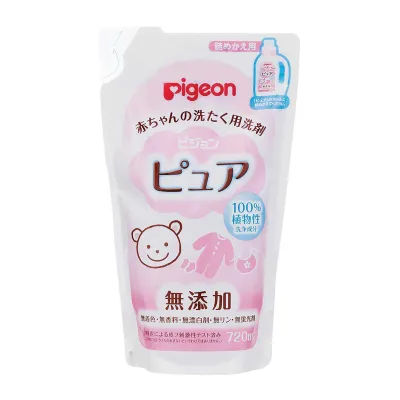
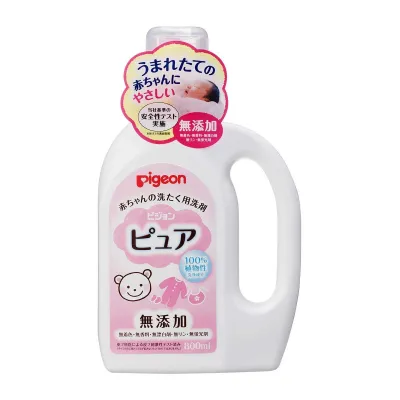
Prices are valid at publication and may change. Please refer to the product page for the latest price.

The back label typically lists ingredients using chemical names or International Nomenclature of Cosmetic Ingredients (INCI) formats. Surfactants, which are the primary cleaning agents, often appear under names like sodium lauryl ether sulfate (SLES), coco-glucoside, or alkyl polyglucoside. Understanding these naming patterns helps you identify whether the cleaning agents are derived from synthetic petroleum sources or plant-based alternatives, which are generally preferred for delicate infant skin.
Additionally, parents must learn to spot hidden or grouped ingredients on the label. Terms like “fragrance,” “parfum,” or “preservatives” are collective names that can represent a mixture of multiple undisclosed chemical compounds. If your baby has highly sensitive skin or diagnosed eczema, looking for formulations that explicitly list individual preservative names or state “fragrance-free” on the ingredient panel is a safer approach to minimizing exposure.
Key Ingredient Categories to Check for Baby Clothes and Cloth Diapers
To ensure your baby’s clothes and cloth diapers are cleaned effectively without causing skin irritation, you must understand the roles of different ingredient categories.
Surfactants and Enzymes
Surfactants are responsible for lifting dirt and oils from fabric fibers so they can be washed away. In baby detergents, mild surfactants are crucial to prevent stripping the natural moisture barrier of infant skin. Enzymes, such as protease or amylase, are often added to target organic stains like milk, spit-up, and baby food. While enzymes are highly effective at breaking down tough stains, parents should verify that the specific formulation rinses out completely to avoid leaving active biological residues on the clothing.
Fabric Softeners and Optical Brighteners
Many standard detergents contain fabric softeners and optical brighteners, but these are generally discouraged for baby laundry, particularly cloth diapers. Fabric softeners work by leaving a thin, waxy coating over fabric fibers to make them feel smoother. This coating can severely reduce the absorbency of cloth diapers and cotton clothing, leading to leaks and trapped moisture. Optical brighteners are chemical dyes that absorb ultraviolet light and emit blue light to make fabrics look whiter. Because these chemicals are designed to remain in the fabric after rinsing, they can cause contact dermatitis on sensitive newborn skin.
Preservatives and Fragrances
Preservatives are necessary in liquid detergents to prevent the growth of bacteria and mold over time. However, certain synthetic preservatives, such as phenoxyethanol, parabens, or methylisothiazolinone, can be irritating to delicate skin. Similarly, synthetic fragrances and even natural essential oils can trigger allergic reactions. When reading the Pigeon liquid detergent label, check for the specific preservatives used and determine if the fragrance level is appropriate for your child’s skin sensitivity.
How to Monitor Safety and Effectiveness on Your Baby's Skin
Even after carefully reading the ingredient label, observing how your baby’s skin reacts to the washed clothing is the most reliable way to assess compatibility.
Begin by monitoring your baby’s skin for localized signs of irritation, such as redness, dryness, small bumps, or itching. Pay close attention to areas where clothing fits tightly against the skin, such as around the waistband, thighs, and wrists, as friction can exacerbate irritation from detergent residues.
Next, evaluate the physical condition of the washed fabrics. If clothes feel stiff, have a scratchy texture, show visible white streaks, or retain a strong, lingering perfume scent, these are clear indicators of poor rinsability or detergent overdosing. Leftover detergent trapped in fabric fibers can easily transfer to your baby’s skin when they sweat.
Establish clear stop-conditions for your laundry routine. If you notice any signs of skin irritation or a persistent rash, immediately discontinue using the detergent. Switch to washing your baby’s clothes in plain, warm water for several cycles to strip out any lingering residues, and consult a pediatrician or dermatologist to address the skin symptoms and identify potential triggers.
Washing Best Practices to Minimize Detergent Residue
Optimizing your washing routine is just as important as choosing the right detergent ingredients to ensure clothes are clean and residue-free.
Instead of blindly filling the detergent cap to the maximum line, adjust your dosage based on your specific washing conditions. Factors such as water hardness, the size of the laundry load, and how heavily soiled the clothes are should dictate how much liquid you use. In Singapore, tap water is generally soft, meaning you typically need less detergent to achieve a rich lather and effective clean compared to regions with hard water. Over-dosing in soft water makes rinsing much more difficult.
Always utilize extra rinse cycles when washing baby laundry, especially for cloth diapers, waterproof diaper covers, and heavily soiled items. An extra rinse helps flush out any remaining surfactants or enzymes that might be trapped in the dense fibers of modern reusable diapers.
To reduce the need for excessive detergent in the main wash, employ safe pre-treating methods for tough organic stains. Soaking soiled garments in cold water immediately after a spill or applying a small dab of diluted baby detergent directly to the stain before washing can effectively lift spots without requiring a highly concentrated wash cycle.
Frequently Asked Questions (FAQ)
Can I use Pigeon liquid detergent for cloth diapers?
To determine if a specific bottle of Pigeon liquid detergent is suitable for cloth diapers, you must verify the ingredients on the physical label. Avoid formulations that list fabric softeners, optical brighteners, or heavy natural oils, as these ingredients leave a residue that coats diaper fibers and reduces their absorbency over time. Check the packaging for explicit manufacturer instructions or warnings regarding cloth diaper compatibility, and ensure the detergent rinses out completely to prevent ammonia buildup and diaper rash.
Is it necessary to use a separate detergent for baby clothes?
While dedicated baby detergents are formulated with milder surfactants and are often free from strong fragrances and dyes, they are not always strictly necessary for every household. A standard, family-grade detergent can be an acceptable alternative if it is completely fragrance-free, dye-free, and formulated for sensitive skin. However, for newborns, infants with eczema, or families washing heavily soiled baby garments, a specialized baby detergent provides a reliable way to ensure the cleaning agents are gentle enough for delicate skin barriers.

Community discussion
Share your experience or ask a question. Comments are reviewed before publication.