
Selecting the right laundry detergent for your baby is one of the most important steps in protecting their delicate skin barrier. While many parents consider Pigeon laundry powder due to the brand’s long-standing reputation in baby care, determining whether it is truly safe for your baby requires a close look at its specific formulation. Because ingredient lists can vary by region, product variant, and manufacturing batch, the most reliable way to evaluate safety is to read the physical packaging of the product you purchase. By understanding what goes into these formulations and how they interact with infant skin, you can make an informed decision that keeps your little one comfortable and rash-free.
Understanding the Core Ingredients in Pigeon Laundry Powder
To evaluate Pigeon laundry powder, start by locating the complete ingredient list, which is typically printed on the back or side panel of the packaging. Manufacturers may also publish updated ingredient disclosures on their official regional websites. It is crucial to check these sources directly, as formulations can be updated over time to meet new regulatory standards or consumer preferences. Relying on older online reviews or third-party blogs might lead to outdated information.
When reading the label, you will generally find ingredients grouped into several functional categories. The primary components of any laundry powder are surfactants, which lower the surface tension of water to help lift oil, dirt, and organic matter from fabric fibers. In baby-specific detergents, manufacturers often select milder surfactants derived from plant sources, such as coconut or palm, to minimize the risk of skin irritation.
Products mentioned in this guide
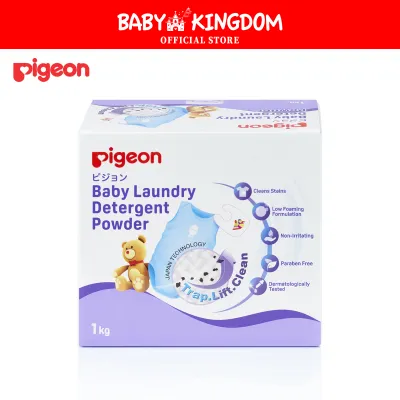
![[Bundle Of 3] Pigeon Baby Laundry Detergent Powder 1Kg](https://img.lazcdn.com/g/p/1f0ce5278b86da78ce5fdc65edbd30af.png_400x400q80.png_.webp)
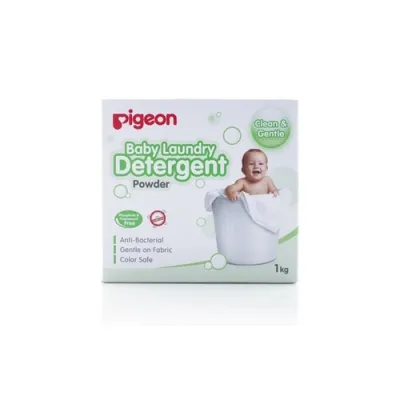
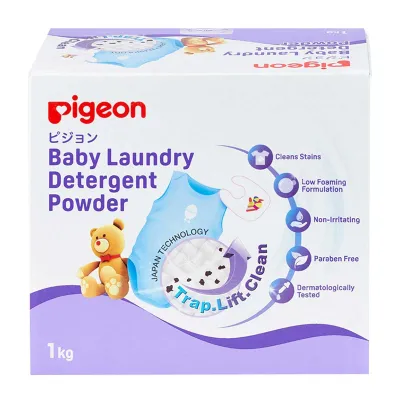
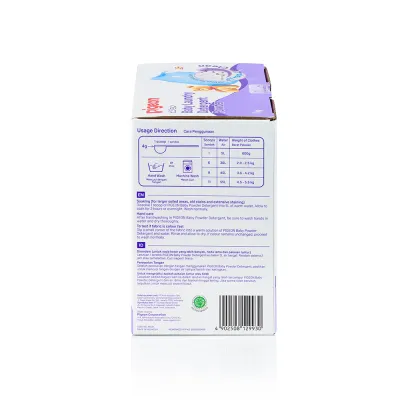
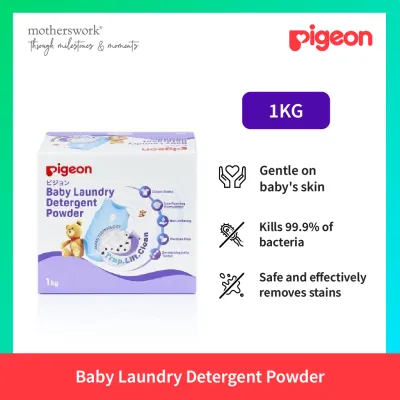
Prices are valid at publication and may change. Please refer to the product page for the latest price.
Another common category is enzymes. These are specialized proteins designed to break down tough organic stains, such as milk spills, formula residue, spit-up, and baby food. While enzymes are highly effective at keeping baby clothes clean, some extremely sensitive infants may experience mild skin irritation if enzyme residues are not thoroughly rinsed from the fabric.
Builders are also included in laundry powders to soften hard water, allowing the surfactants to work more efficiently. Additionally, you may find pH adjusters, which ensure the wash water remains at a level that is gentle on both the fabrics and the skin.
Rather than relying solely on front-of-pack marketing claims like “natural” or “gentle,” make it a habit to cross-reference the actual chemical names listed on the back. This systematic approach allows you to identify exactly what will be coming into contact with your baby’s clothing and, ultimately, their skin.
Evaluating Safety for Sensitive Baby Skin
An infant’s skin is fundamentally different from adult skin. It is up to 30% thinner, loses moisture at a much faster rate, and has a less developed epidermal barrier. This increased permeability means that any chemical residues left on clothing can easily penetrate the skin, potentially leading to dryness, redness, and contact dermatitis. Therefore, choosing a laundry powder requires a strict evaluation of potential irritants.

When reviewing the ingredient list of your chosen Pigeon laundry powder variant, look out for common irritants that are best avoided for sensitive skin. Synthetic fragrances are among the most frequent triggers for skin allergies and respiratory sensitivities in infants. Even if a product smells pleasant, those artificial scent molecules remain trapped in the fabric fibers and rub against the baby’s skin throughout the day.
Optical brighteners are another category of chemicals to watch for. These synthetic compounds absorb ultraviolet light and emit blue light, making fabrics appear whiter and brighter. However, optical brighteners do not actually clean the clothes; they simply leave a chemical residue on the fibers that can cause skin irritation upon friction.
Dyes and artificial colorants are also unnecessary additives in baby laundry detergents. They are added purely for visual appeal in the box but offer no functional cleaning benefit, while increasing the risk of an adverse skin reaction.
Furthermore, pay close attention to the preservatives used in the formulation. While preservatives are necessary to prevent the growth of bacteria and mold in the product, certain strong preservatives can be highly irritating to delicate skin.
You will often see terms like “hypoallergenic,” “fragrance-free,” or “dermatologically tested” on baby detergent packaging. It is important to understand that “hypoallergenic” simply means the product is formulated to be less likely to cause allergic reactions, but it does not guarantee a zero-reaction outcome. “Fragrance-free” indicates that no perfumes have been added, though the product may still carry a mild scent from its raw ingredients. “Dermatologically tested” means the formula has been tested on human skin under the supervision of a dermatologist, but you should still verify the specific claims and ingredient list of the exact variant you are purchasing to ensure it aligns with your baby’s unique skin needs.
Practical Steps to Test and Monitor Skin Reactions
Even when a laundry powder appears safe on paper, the ultimate test is how your baby’s skin reacts to it in practice. Before washing your baby’s entire wardrobe, blankets, and bedding with a new detergent, it is wise to perform a controlled trial.
Begin by washing a small batch of items, such as a few washcloths, a single sleepsuit, or a small blanket. Use the new detergent according to the package instructions, ensuring you do not overdose the wash. Once these items are clean and dry, have your baby wear or use them for a day or two.
During this observation period, monitor your baby’s skin closely. Check for any localized signs of irritation, such as redness, dry or rough patches, tiny bumps, or signs of itching and discomfort. Pay extra attention to areas where clothing fits snugly or where friction occurs, such as the wrists, ankles, collar area, and diaper line.
To minimize the risk of residue, always adjust the detergent dosage based on your load size and the hardness of your water. In Singapore, where water is generally soft to moderately hard, using too much powder can easily lead to detergent buildup in the fabric. If you suspect that detergent residue is causing mild skin dryness, try adding an extra rinse cycle to your washing machine routine to ensure all soap particles are completely flushed out.
When to Discontinue Use and Seek Professional Advice
While mild dryness can sometimes be resolved by adjusting your washing habits, certain symptoms require immediate action. If you observe persistent red rashes, hives (raised, itchy welts), skin peeling, cracking, or extreme dryness that causes your baby obvious distress, you must take steps to protect their skin.
Stop using the laundry powder immediately. Switch back to a previously tolerated baby detergent, or wash your baby’s clothes using only plain water for a few cycles to clear out any lingering chemical residues. Avoid the temptation to self-treat severe skin reactions with over-the-counter creams or home remedies, as these can sometimes exacerbate the irritation.
Instead, consult a pediatrician or a qualified dermatologist. A medical professional can provide an accurate diagnosis, help identify the specific allergen or irritant, and recommend a safe, targeted treatment plan to restore your baby’s skin barrier.
Frequently Asked Questions (FAQ)
Is Pigeon laundry powder suitable for newborns?
Newborn skin is exceptionally delicate and still developing its natural protective barrier during the first few weeks of life. Before using any laundry powder on newborn clothing, carefully check the manufacturer’s packaging for specific age recommendations and safety warnings. If your newborn has extremely sensitive skin or a family history of eczema, it is highly recommended to consult your pediatrician before introducing any new laundry products to their environment.
Should I use an extra rinse cycle when washing baby clothes?
Yes, selecting an extra rinse cycle is a highly effective way to minimize the risk of detergent residue on your baby’s clothes. This is particularly beneficial for infants with highly sensitive skin, dry patches, or eczema, as it ensures that all surfactants and builders are thoroughly flushed out of the fabric fibers. However, always balance this practice with the care labels on your baby’s garments to ensure that prolonged exposure to water does not damage delicate fabrics or cause shrinkage.

Community discussion
Share your experience or ask a question. Comments are reviewed before publication.