
Pigeon laundry detergent is a popular choice among parents in Singapore, widely regarded as a gentle and reliable option for washing infant garments, cloth diapers, and bedding. Generally, its formulations leverage mild, plant-derived surfactants and avoid harsh additives, making them highly suitable for delicate skin. However, because terms like “baby-safe” are not governed by a single, universally standardized medical definition, determining if a specific variant is appropriate for your baby requires looking closely at the ingredient list, understanding your child’s unique skin barrier, and utilizing proper laundering techniques.
While many parents trust the brand implicitly, every infant’s skin is different. A formulation that works perfectly for one newborn might trigger mild sensitivity in another, especially if the child has an underlying skin condition like eczema. Evaluating the chemical composition of your detergent is the most effective way to ensure your baby’s clothes remain soft, clean, and entirely free of irritating residues.
How to Read and Evaluate Pigeon Detergent Ingredients
When browsing the baby care aisle, it is easy to be influenced by front-label marketing. Terms such as “gentle,” “natural,” or “soft on skin” are frequently used, but they do not carry standardized legal definitions. To make an informed decision, you must look past the front of the packaging and learn to interpret the actual ingredient list and specific, verifiable claims printed on the back label.
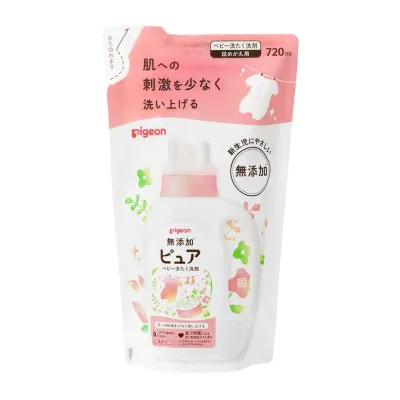
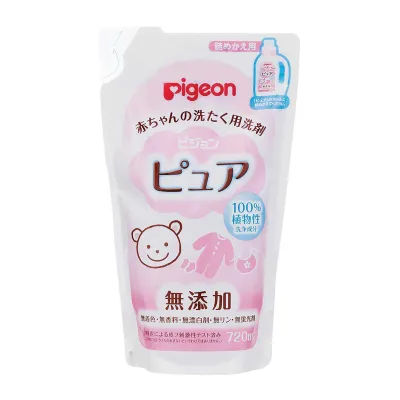
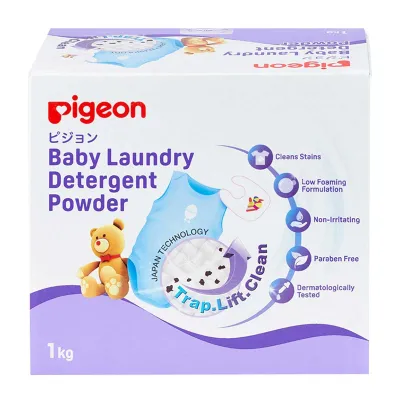
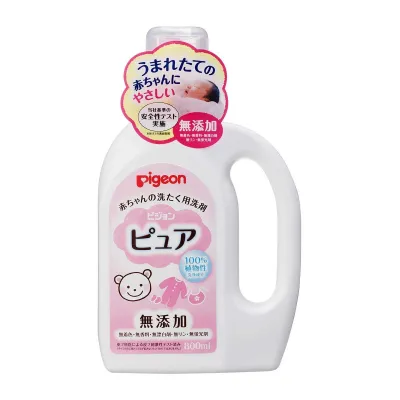
Products mentioned in this guide
![Pigeon Baby Laundry Detergent 500ml Bottle [New & Improved]](https://img.lazcdn.com/g/p/6935145ee4a9c342b59b3fba0bad34f0.png_400x400q80.png_.webp)
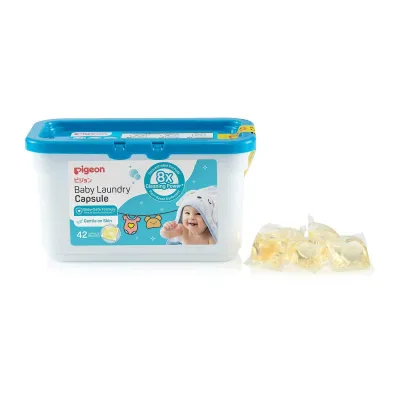
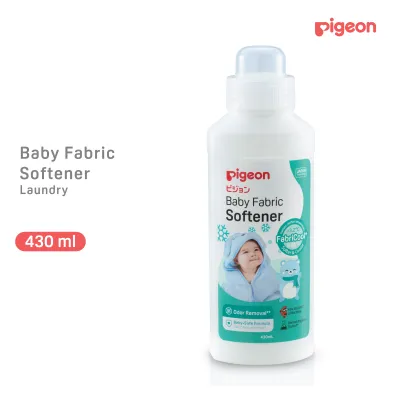
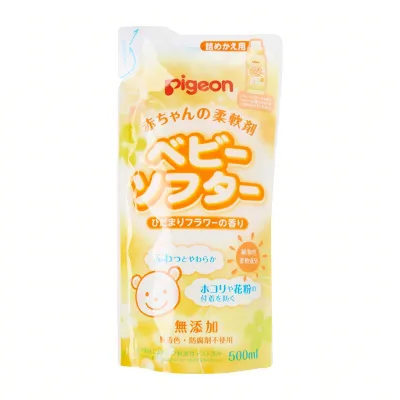
Prices are valid at publication and may change. Please refer to the product page for the latest price.
When evaluating a bottle of Pigeon laundry detergent, look for explicit terms that indicate third-party testing or specific formulation choices. Claims such as “hypoallergenic” mean the product has been formulated to minimize the likelihood of an allergic reaction. “Dermatologically tested” indicates that the product was tested on human skin under the supervision of a dermatologist to check for irritation, though it does not guarantee a complete absence of reactions for every single skin type. “Fragrance-free” is another crucial label to look for, as synthetic perfumes are among the most common triggers for pediatric skin sensitivities.
Understanding the basic structure of a detergent label helps you quickly locate the information you need. Most liquid detergents are composed of water (the solvent), active cleaning agents (surfactants), stabilizers, preservatives, and sometimes enzymes or fragrances. The ingredients are typically listed in order of concentration, from highest to lowest. By checking the top few ingredients, you can identify the primary cleaning agents and determine whether they align with your safety preferences.
Before using any detergent, always check the product’s label for specific age recommendations, usage instructions, and manufacturer warnings. Additionally, inspect the care labels on your baby’s clothing and blankets. If the instructions on the detergent bottle conflict with the garment manufacturer’s care guidelines, stop and prioritize the garment’s instructions, or consult the manufacturer directly to avoid damaging the fabric or compromising safety.
Key Ingredient Categories to Check on the Label
To truly understand what goes onto your baby’s clothes, you need to break down the common categories of ingredients found in baby-specific detergents. These components work together to remove stains and keep fabrics clean, but they vary significantly in their safety profiles and potential to cause skin irritation.

Surfactants and Cleaning Agents
Surfactants are the core active ingredients in any laundry detergent. They work by breaking down the surface tension of water, allowing it to penetrate fabric fibers and lift away dirt, body oils, and organic stains. Because surfactants must bind to both water and oil to wash grime away, they can sometimes bind to the natural lipids in human skin if they are not thoroughly rinsed out of clothing.
When evaluating Pigeon laundry detergent, check whether the surfactants are plant-derived or petroleum-based. Plant-derived surfactants, such as those derived from coconut or palm oil (for example, alkyl polyglucosides or coco-glucoside), are generally considered milder and more biodegradable than synthetic, petroleum-based alternatives like sodium lauryl sulfate (SLS). Milder surfactants are less likely to strip the skin’s natural moisture barrier, making them the preferred choice for baby garments.
Beyond the source of the surfactants, the overall concentration and rinsability of the formula are critical. A well-formulated baby detergent uses a balanced blend of mild surfactants designed to rinse away completely during a standard washing cycle, leaving no active cleaning agents bound to the fabric fibers.
Fragrances, Dyes, and Preservatives
Fragrances and dyes are purely aesthetic additives that do not contribute to the actual cleaning power of a detergent. Artificial dyes are used to give liquid detergents an appealing color, but they serve no functional purpose and represent an unnecessary risk for contact dermatitis in infants.
Synthetic fragrances are complex mixtures of chemical compounds that can easily irritate a newborn’s sensitive respiratory system and skin. It is important to distinguish between “unscented” and “fragrance-free” products. An unscented product may actually contain masking fragrances designed to neutralize the chemical smells of other ingredients, whereas a fragrance-free product contains absolutely no added scent compounds. If your baby has highly sensitive skin, choosing a fragrance-free Pigeon variant is highly recommended.
Preservatives are essential in liquid detergents to prevent the growth of harmful bacteria, mold, and yeast, especially in Singapore’s hot and humid climate. Common preservatives include sodium benzoate, potassium sorbate, or phenoxyethanol. While necessary for product shelf-life and safety, some preservatives can cause skin reactions if they remain on clothing in high concentrations. Ensuring a thorough rinse cycle is the best way to mitigate this risk.
Enzymes and Optical Brighteners
Enzymes are biological catalysts that target and break down specific types of stains. For instance, proteases target protein-based stains like breast milk, formula, and spit-up, while amylases break down starch-based baby foods. While enzymes are highly effective at stain removal, they are proteins themselves and can occasionally cause skin irritation if they are not completely flushed out of the fabric during the rinse cycle.
Optical brighteners, also known as fluorescent whitening agents, are chemical compounds designed to remain on fabrics after washing. They absorb ultraviolet light and emit a blue tint, making yellowed or dull fabrics appear whiter and brighter to the human eye. Because optical brighteners are specifically engineered to stick to fabric fibers and resist rinsing, they leave a constant chemical residue on the clothes.
For newborns and babies with compromised skin barriers, this persistent chemical residue can be a source of ongoing skin friction and irritation. When selecting a Pigeon detergent variant, review the packaging or official product specifications to confirm if the formulation is free from optical brighteners, prioritizing formulas that focus on actual cleanliness rather than visual illusions.
Skin Safety Considerations for Newborns and Sensitive Babies
An infant’s skin is fundamentally different from adult skin. A newborn’s skin is up to 30 percent thinner, and its outermost layer, the stratum corneum, is still developing. This makes the skin barrier highly permeable, meaning it absorbs environmental chemicals and topical substances much more easily, while also losing moisture at a faster rate.
Because of this delicate biology, even ingredients labeled as “natural” or “gentle” can trigger adverse reactions under the right conditions. If your baby has infant eczema, dry skin, or a compromised skin barrier, their susceptibility to irritation is significantly heightened. In Singapore’s humid weather, sweat can also trap detergent residues against the skin, exacerbating friction and redness in areas where clothing fits tightly, such as the neck, armpits, wrists, and diaper line.
Parents should actively monitor their baby’s skin for any observable signs of irritation. These signs typically manifest as localized redness, dry or rough patches, small red bumps, or persistent scratching and fussiness when wearing freshly laundered clothes. If you notice these symptoms, it is important to evaluate your laundry routine and the specific products you are using.
If your baby exhibits severe, spreading, or persistent skin rashes, do not attempt to self-diagnose the cause or rely solely on switching detergent brands. Stop using the suspected product immediately and consult a qualified pediatrician or dermatologist. Professional medical guidance is essential to properly manage infant skin conditions and ensure your child’s comfort and safety.
Actionable Washing Steps to Minimize Detergent Residue
Regardless of the specific ingredient profile of your chosen Pigeon detergent, the way you wash your baby’s clothes plays a massive role in minimizing chemical residues and protecting their skin. Implementing a few deliberate, low-risk laundering habits can significantly enhance safety.
- Adhere to the Recommended Dosage: Always follow the exact dosage instructions printed on the Pigeon bottle. Using more detergent than recommended does not result in cleaner clothes; instead, it creates excess suds that cannot be fully rinsed away, leaving a soapy film on the fabric fibers that can irritate your baby's skin.
- Utilize an Extra Rinse Cycle: Modern, high-efficiency washing machines are designed to conserve water, which can sometimes result in less thorough rinsing. Programming your washing machine to run an additional rinse cycle ensures that all surfactants, enzymes, and preservatives are completely flushed out of the fabric.
- Pre-Wash All New Items: New baby clothes, blankets, bedsheets, and fabric toys often carry chemical sizing agents, starches, and dust accumulated during manufacturing, shipping, and handling. Always wash these items with a gentle baby detergent before they come into contact with your newborn's skin.
- Conduct a Small Batch Test: When transitioning to a new detergent or trying a different variant of Pigeon detergent, do not wash your baby's entire wardrobe at once. Wash a small batch of clothes first, have your baby wear them for a few days, and closely monitor their skin for any signs of redness or irritation before committing to the new product for all of their laundry.
Frequently Asked Questions (FAQ)
Can I use regular Pigeon detergent for newborns?
Before using any Pigeon laundry product for a newborn, you must check the packaging to confirm that the specific variant is explicitly formulated and labeled for babies or newborns. Regular household detergents, including some standard formulations intended for adult clothing, often contain stronger surfactants, heavy synthetic fragrances, and optical brighteners that can easily overwhelm and irritate a newborn’s delicate, highly permeable skin barrier.
Does Pigeon laundry detergent contain optical brighteners?
Formulations can vary depending on the specific product line, variant, and region of purchase. Many of Pigeon’s dedicated baby laundry detergents are formulated specifically without optical brighteners to prevent chemical residues from lingering on fabric fibers. To be absolutely certain about your purchase in Singapore, inspect the ingredient list on the physical bottle or verify the product specifications through official brand channels.
How do I know if my baby is reacting to the detergent?
Signs of a detergent sensitivity typically present as contact dermatitis, which includes localized redness, dry or scaly patches, small red bumps, or itching. These symptoms are most common in areas where clothing rubs closely against the skin, such as the neck, armpits, thighs, and diaper line. If you observe these signs, stop using the detergent immediately, switch to a fragrance-free alternative, and consult a pediatrician or healthcare professional if the irritation persists or worsens.

Community discussion
Share your experience or ask a question. Comments are reviewed before publication.