
Evaluating the safety of laundry products for your little one requires a close look at what goes into the bottle. While Pigeon is a well-established brand in the baby care space, no fabric softener can be classified as universally safe for every single infant. A baby’s skin is up to 30% thinner than adult skin, making it highly permeable and far more susceptible to chemical irritation, dryness, and contact dermatitis.
Whether a Pigeon fabric softener is safe for your baby depends heavily on your child’s individual skin sensitivity, any underlying skin conditions like eczema, and the specific product formulation you purchase. Because formulations can vary significantly by region and product line, you must inspect the physical label of the bottle to understand its chemical makeup. For infants with highly reactive skin, diagnosed allergies, or active eczema flare-ups, pediatricians and dermatologists often recommend skipping fabric softeners entirely and sticking to a minimal, fragrance-free laundry routine.
How to Check the Ingredients on Your Pigeon Softener Bottle
To make an informed decision, you should always verify the exact ingredient list printed on the back of your physical Pigeon softener bottle. Because international brands often distribute different formulations across various markets, online product descriptions or general brand reviews may not accurately reflect the bottle sitting on your shelf. Turn the bottle over and locate the ingredients panel, which is typically listed under headings such as “Ingredients,” “Active Ingredients,” or “Composition.”
Products mentioned in this guide
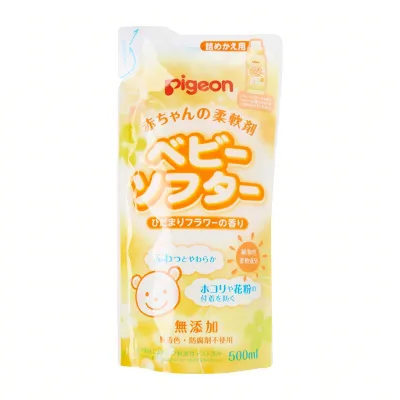
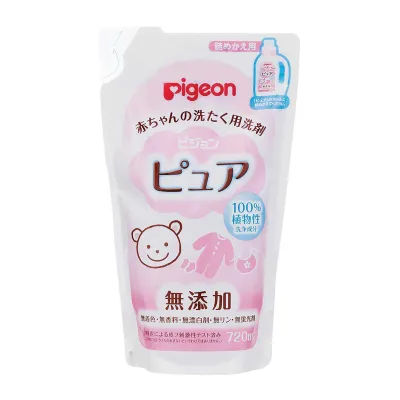
Prices are valid at publication and may change. Please refer to the product page for the latest price.
When reading the label, distinguish between active functional components and marketing claims. A label might prominently display phrases like “dermatologically tested,” “hypoallergenic,” or “natural plant-derived extracts” on the front. While these claims suggest a gentler formulation, they do not guarantee that the product is entirely free from potential irritants. Look past these promotional claims to examine the actual chemical names listed on the back.
Take note of any specific age recommendations, usage instructions, or allergen warnings printed on the packaging. Some formulations may state they are suitable for newborns, while others might be intended for older babies whose skin barriers are more developed. If the ingredient list is missing, obscured by an import sticker, or written in a language you cannot read, contact the manufacturer or importer directly to request the full ingredient disclosure before using the product on your baby’s garments.
Common Softener Ingredients and Their Impact on Baby Skin
Fabric softeners rely on specific chemical groups to deliver the soft, static-free feel that parents associate with freshly washed clothing. Understanding how these general ingredient categories interact with delicate infant skin will help you evaluate the safety of your chosen product.

Surfactants and Conditioning Agents
The primary softening agents in most fabric softeners are cationic surfactants, which carry a positive electrical charge. Because wet fabric fibers carry a negative charge, these cationic compounds readily bind to the surface of the fabric, coating the fibers in a thin, lubricating layer that reduces friction and static cling. While this process makes clothing feel exceptionally soft to the touch, the chemical residue remains embedded in the fabric fibers rather than rinsing away.
This residual coating can create a barrier that traps heat, sweat, and moisture against your baby’s skin, potentially leading to sweat rashes or localized irritation. When reviewing your Pigeon softener label, check whether the conditioning agents are synthetic or derived from plant sources, such as palm or coconut oil. Plant-derived surfactants are often preferred for baby products because they tend to biodegrade more easily, but they still leave a physical residue on the fabric that you must monitor closely.
Fragrances and Essential Oils
Fragrance is one of the most common triggers for cosmetic contact dermatitis and respiratory sensitivity in infants. Fabric softeners are heavily associated with signature “baby-fresh” scents, which are achieved through either synthetic fragrance mixtures or natural essential oils. Even if a product claims to use natural oils, these botanical extracts contain natural chemical compounds that can be just as sensitizing to delicate skin as synthetic alternatives.
If your baby has sensitive skin, look for fragrance-free or unscented variants of Pigeon softener. Keep in mind that “unscented” and “fragrance-free” are not always synonymous; some unscented products may contain masking fragrances designed to neutralize the chemical smell of the raw ingredients. Always cross-reference the ingredient list to ensure there are no added perfumes, essential oils, or fragrance compounds like limonene, linalool, or geraniol, which are known allergens.
Preservatives and Stabilizers
Liquid fabric softeners contain water, making them highly susceptible to bacterial and fungal growth over time. To ensure shelf stability and prevent contamination, manufacturers must include preservatives and stabilizing agents in their formulations. Common preservatives used in household detergents and softeners include phenoxyethanol, parabens, or various isothiazolinone compounds.
While these ingredients are necessary to keep the product sanitary, some preservatives are known skin sensitizers that can provoke allergic reactions in babies with compromised skin barriers. When examining your Pigeon bottle, check the listed preservatives and cross-reference them with any known skin sensitivities your baby might have. If your baby has experienced unexplained skin redness or itching, a specific preservative in your laundry products could be the underlying cause.
Monitoring Your Baby's Skin: When to Stop Using Fabric Softener
When introducing any fabric softener into your baby’s laundry routine, you must carefully monitor their skin for signs of sensitivity or allergic reactions. Infant skin issues can develop gradually as residues build up on clothing over multiple wash cycles.
Watch closely for common signs of contact dermatitis, which include:
- Localized redness or pink patches on areas of the skin in direct contact with clothing, such as the collar, cuffs, or thighs
- Dry, rough, or scaly patches of skin that do not resolve with standard moisturizing
- Small, raised red bumps or hives on the torso or limbs
- Unexplained fussiness, scratching, or discomfort, particularly after you dress your baby in freshly washed garments
Before washing an entire load of baby clothes with a new fabric softener, perform a simple laundry patch test. Select a single, non-essential item of clothing, such as a small bib or a single sleeve of a bodysuit. Wash and condition this item according to the product instructions, let it dry completely, and have your baby wear it under close supervision. Monitor the skin area directly beneath the treated fabric for 24 to 48 hours to check for any signs of redness, irritation, or discomfort.
If you observe any adverse skin reaction, stop using the fabric softener immediately. Re-wash all of your baby’s affected clothing in warm water with a fragrance-free, hypoallergenic baby detergent to strip away any lingering chemical residues. If the skin irritation persists, worsens, or is accompanied by signs of infection, consult a pediatrician or a pediatric dermatologist for a professional evaluation and treatment plan.
Washing Baby Clothes in Singapore's Tropical Climate
Singapore’s hot, humid tropical climate introduces unique challenges for baby laundry and skin care. High humidity levels mean that babies sweat frequently, which can cause skin folds to become damp and easily irritated. When fabric softener residues coat your baby’s clothes, they reduce the fabric’s natural breathability and moisture-wicking capabilities, trapping sweat and heat directly against the skin and increasing the risk of heat rash.
Furthermore, many families in Singapore dry their laundry indoors due to apartment living and unpredictable tropical rainstorms. Slow indoor drying in humid conditions can lead to damp, musty odors caused by mildew or bacterial growth. Parents are often tempted to use extra fabric softener or heavily scented products to mask these odors, but this practice actually compounds the problem by leaving more chemical residue on the fibers and trapping more moisture.
To maintain fabric breathability and prevent musty odors in a humid environment, prioritize thorough rinsing and complete drying. Always run an extra rinse cycle on your washing machine when washing baby clothes to help strip away excess detergent and softener residues. Ensure clothes are dried completely in a well-ventilated space, under direct sunlight, or with the aid of a dehumidifier or dryer before folding and storing them. Keeping fabrics clean, dry, and free of heavy chemical coatings is essential for protecting your baby’s skin in Singapore’s climate.
Frequently Asked Questions (FAQ)
Can I use Pigeon fabric softener on newborn diapers and swaddles?
It is highly recommended to avoid using fabric softeners on newborn swaddles, cloth diapers, and any items that come into direct, prolonged contact with highly sensitive areas. Newborn skin is exceptionally delicate, and the chemical residues left behind by softeners can easily irritate the genital area or a healing umbilical cord stump. Additionally, softeners deposit a hydrophobic coating that significantly reduces the absorbency of fabrics, making cloth diapers and swaddles less effective at managing moisture.
Does fabric softener reduce the absorbency of baby towels and cloth diapers?
Yes, fabric softeners will dramatically reduce the absorbency of baby towels, washcloths, burp cloths, and cloth diapers. The conditioning agents in softeners work by coating the fabric fibers with a thin layer of oil-based chemicals, which makes the fibers feel smooth but also causes them to repel water. To ensure your baby towels and diapers remain highly absorbent and functional, avoid using any fabric softener on these items and check their manufacturer care labels for specific washing instructions.
Is it necessary to use fabric softener for baby clothes at all?
Using fabric softener on baby clothes is entirely optional and often unnecessary. Modern baby laundry detergents are formulated to clean clothes effectively while leaving them sufficiently soft without the need for an additional conditioning agent. If your baby has eczema, highly sensitive skin, or a family history of allergies, skipping fabric softener entirely is a safe, practical, and cost-effective choice that minimizes the number of chemical residues exposed to your baby’s skin.

Community discussion
Share your experience or ask a question. Comments are reviewed before publication.